
231 min a pé
Acaray
- Alto
- Monumento histórico
Idioma · 11 publicado
Monumento histórico · Lima
Este local é um Sítio arqueológico. Tem a classificação patrimonial Património Mundial da Unesco.
Caral is an archaeological site in the Supe Valley of Peru, recognized as one of the oldest centers of civilization in the Americas. The complex belongs to the Norte Chico civilization, which developed complex societies contemporaneous with ancient Egypt. Designated a UNESCO World Heritage Site, Caral represents early urban planning, monumental architecture, and organized labor without evidence of warfare or centralized violence as a primary social organizing force. A flexible plan lets travellers connect Caral with nearby ranked stops without inventing practical details that the available source pointers do not confirm.
Verificado em 2026-08-28
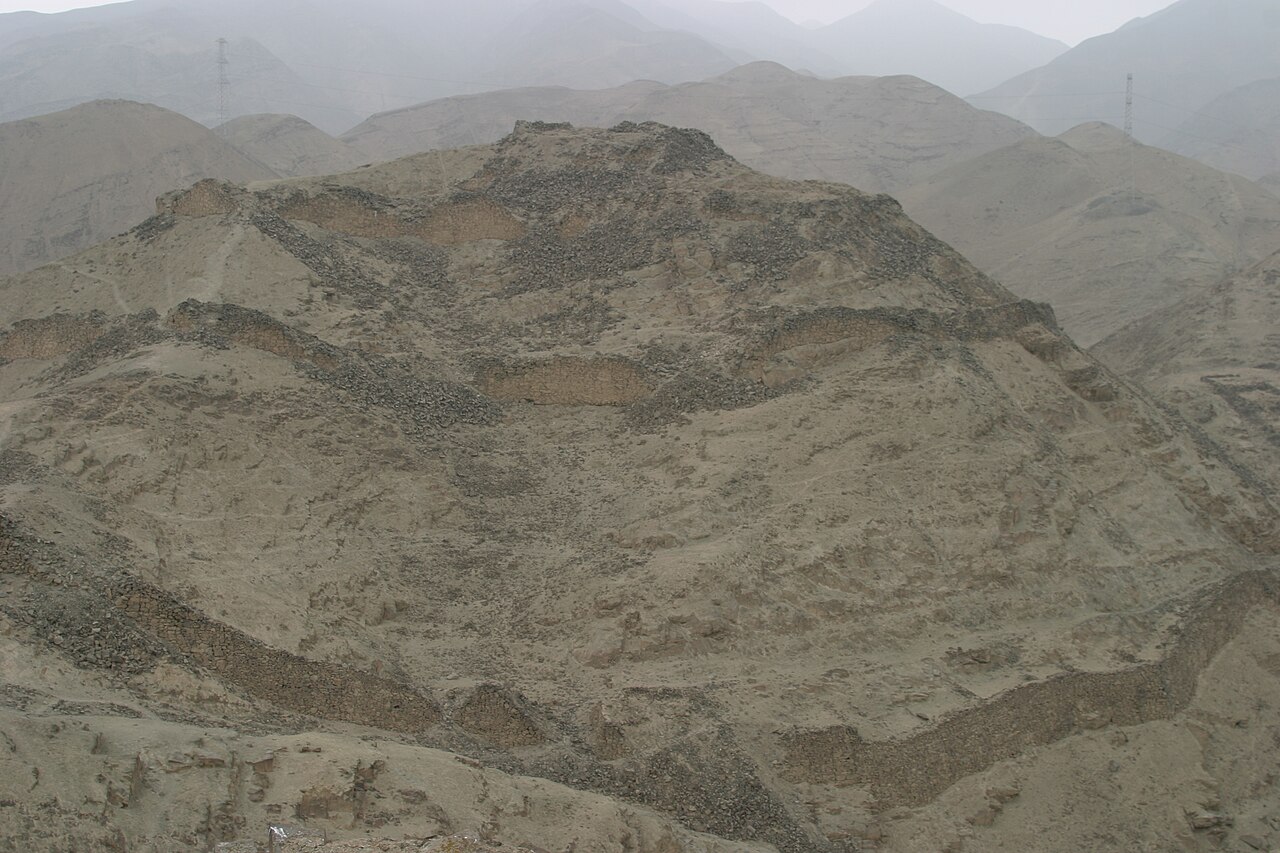
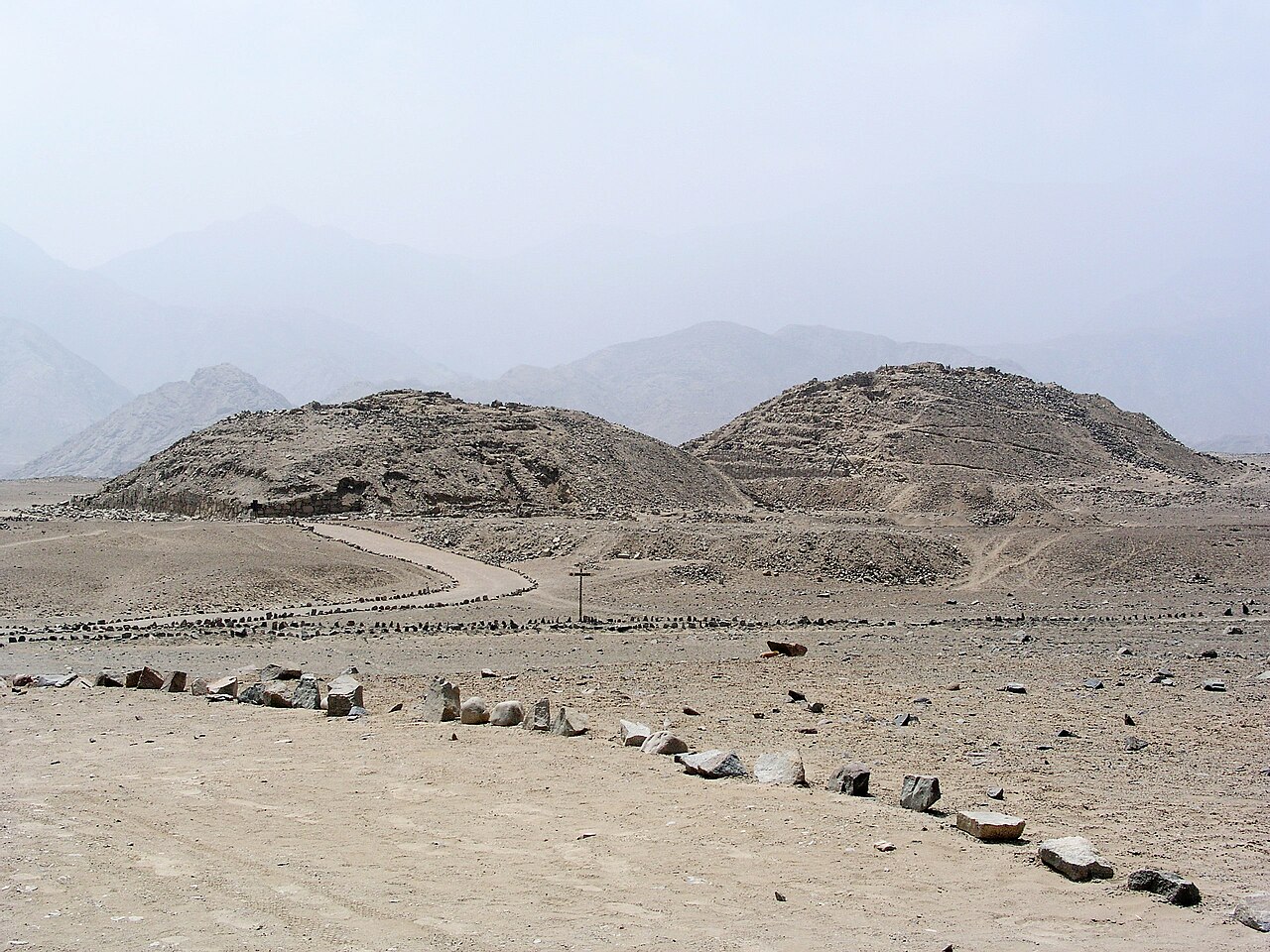
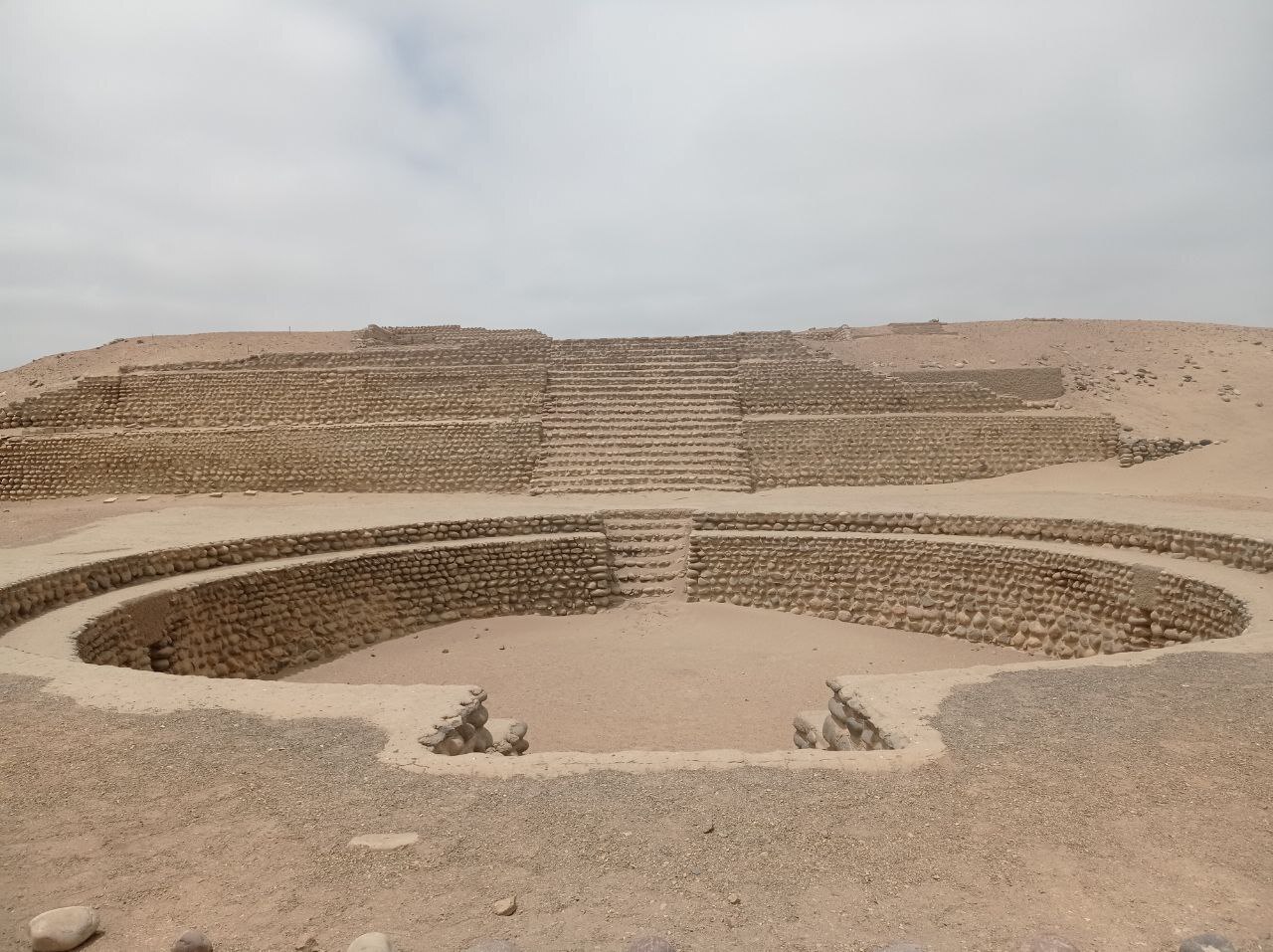
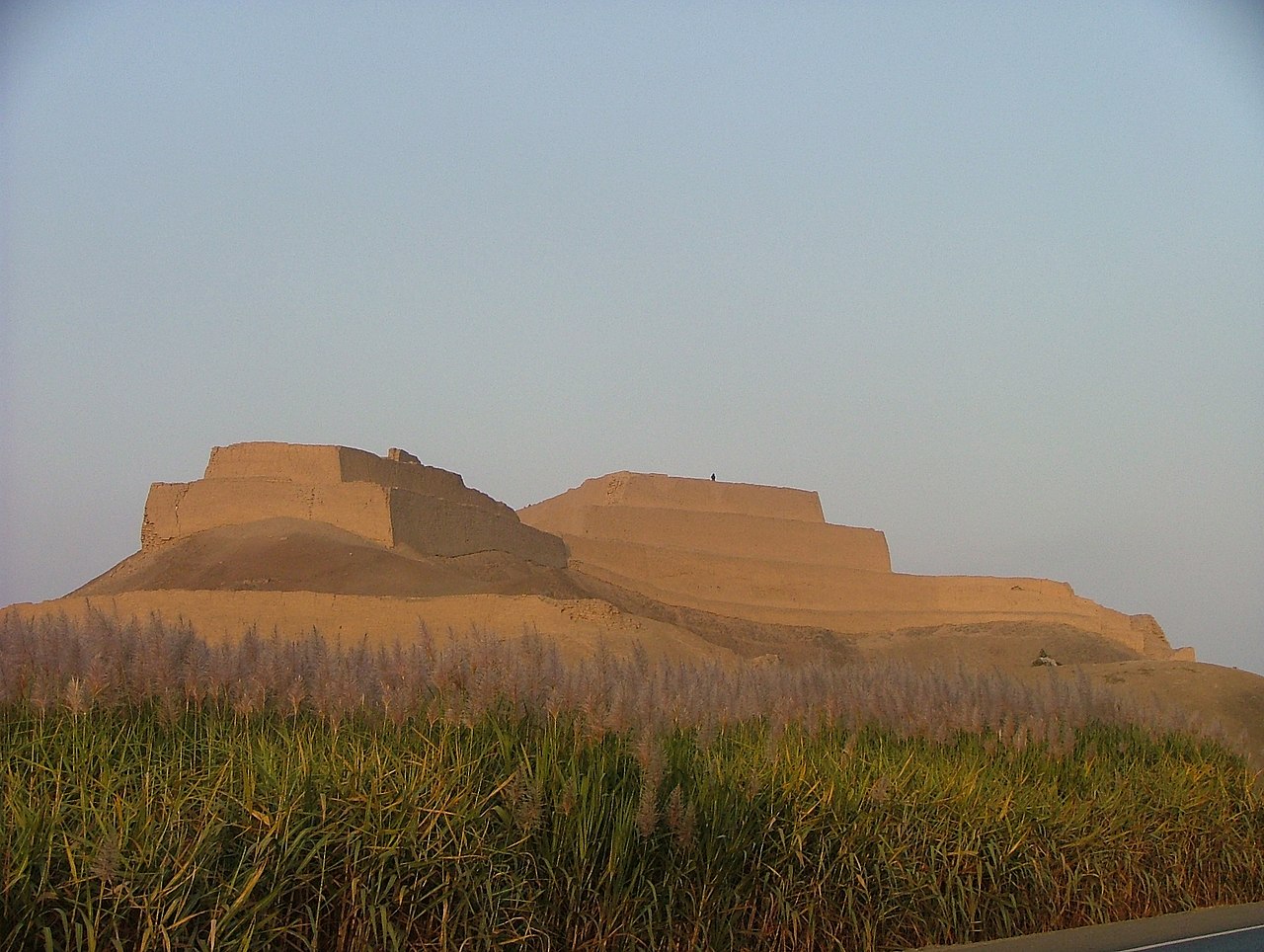
The site contains six large pyramidal structures, circular plazas, residential areas, and an amphitheater. The largest pyramid, Pirámide Mayor, dominates the complex. Archaeologists have identified sunken circular courts, storehouses, and altars. Carved flutes and horns suggest musical ceremonial practices. Excavations continue under professional archaeological supervision. The on-site museum displays artifacts recovered during investigations, though specific current exhibition contents are Not recorded. Caral belongs in this actual displayed route because it remains one of the city's highest-ranked published stops. The useful visit keeps attention on the place itself and current conditions on arrival.
Verificado em 2026-08-28
Visitors typically allocate three to four hours for the complete experience, including the archaeological walk and museum visit. The circuit covers substantial ground across desert terrain with minimal shade. Physical exertion is moderate due to uneven paths and sandy conditions. Those with deep interest in pre-Columbian archaeology may prefer extended time. Guided services, when available, extend duration. Self-guided exploration permits personal pacing according to individual stamina and engagement level. Check the operator's own site for the travel date before relying on a schedule or fare.
Verificado em 2026-08-28
The coastal desert climate features minimal rainfall year-round, though morning fog is common. Daytime temperatures can exceed comfort levels in summer months. Early morning visits offer cooler conditions and better light for observation. Weekends and Peruvian holidays likely draw increased domestic visitation. Advance verification of operational status is prudent before traveling, as archaeological sites may close for maintenance or research activities without broad public notification. Caral belongs in this actual displayed route because it remains one of the city's highest-ranked published stops. The useful visit keeps attention on the place itself and current conditions on arrival. Check the operator's own site for the travel date before relying on a schedule or fare.
Verificado em 2026-08-28
Payment methods accepted at the remote rural location are unverified. Potential visitors should carry sufficient cash in Peruvian soles, as card processing infrastructure is unreliable in isolated archaeological zones. International visitor pricing differential, common at Peruvian cultural sites, is possible but unconfirmed. Group rates, student concessions, and national resident discounts may exist but require direct inquiry with site administration or official tourism channels for authoritative information. Check the operator's own site for the travel date before relying on a schedule or fare.
Verificado em 2026-08-28
Caral lies approximately 180 kilometers north of Lima in the Barranca Province. No direct public transportation reaches the site precisely. Options include rental vehicle, organized tour from Lima, or combined bus and taxi arrangement via Barranca or Supe Puerto. Road conditions vary; final approach traverses unpaved rural tracks. Journey duration from Lima typically exceeds three hours each way. Self-driving requires navigation preparedness and fuel planning, as services are sparse in the surrounding agricultural and desert landscape.
Verificado em 2026-08-28
Desert sun exposure demands hydration, head covering, and skin protection regardless of perceived temperature. Uneven walking surfaces present trip hazards; sturdy footwear is essential. Remote location means limited emergency services and cellular connectivity. No verified food or water vendors operate on-site; self-sufficiency is necessary. Respect archaeological integrity by remaining on designated paths. Excavation zones may be active; follow staff instructions. Dust and wind are common environmental factors affecting comfort and respiratory sensitivity. A flexible plan lets travellers connect Caral with nearby ranked stops without inventing practical details that the available source pointers do not confirm.
Verificado em 2026-08-28
General photography for personal use appears permitted across the archaeological zone, though drone operation restrictions are likely given UNESCO status and active research. Tripod use and commercial filming may require advance authorization from site administration or Peruvian cultural authorities. Specific current regulations are Not recorded. Morning and late afternoon provide optimal natural lighting for the earthen structures. Flash photography of museum artifacts is typically restricted to preservation protocols common in archaeological collections worldwide.
Verificado em 2026-08-28
Yes. Caral dates to approximately 2600 BCE, making it roughly 3,600 years older than Machu Picchu. It represents a fundamentally earlier civilization with distinct architectural traditions and societal organization.
Self-guided visitation appears possible, though guided interpretation significantly enhances understanding of the site's archaeological significance. Availability of official guides on-site is Not recorded.
On-site hospitality services are Not recorded. The nearest substantial town, Barranca, offers basic lodging and dining. Most visitors day-trip from Lima or combine with regional itinerary.
Accessibility infrastructure is Not recorded. Desert terrain, sandy surfaces, and uneven prehistoric construction present probable barriers. Direct inquiry with site administration is essential for mobility-impaired visitors.
Sun protection, abundant water, sturdy walking shoes, and snacks are essential. Binoculars aid distant structure observation. Cash in Peruvian soles is prudent for any on-site fees or emergencies.
Archaeological research continues under professional direction. Visitors may observe active excavation areas subject to daily operational conditions. Specific current projects are Not recorded.
A carregar o mapa interativo…
Não foi possível carregar o mapa interativo.
Última atualização:
Fonte: Colaboradores do OpenStreetMap, Wikidata ·