
11 Minuten zu Fuß
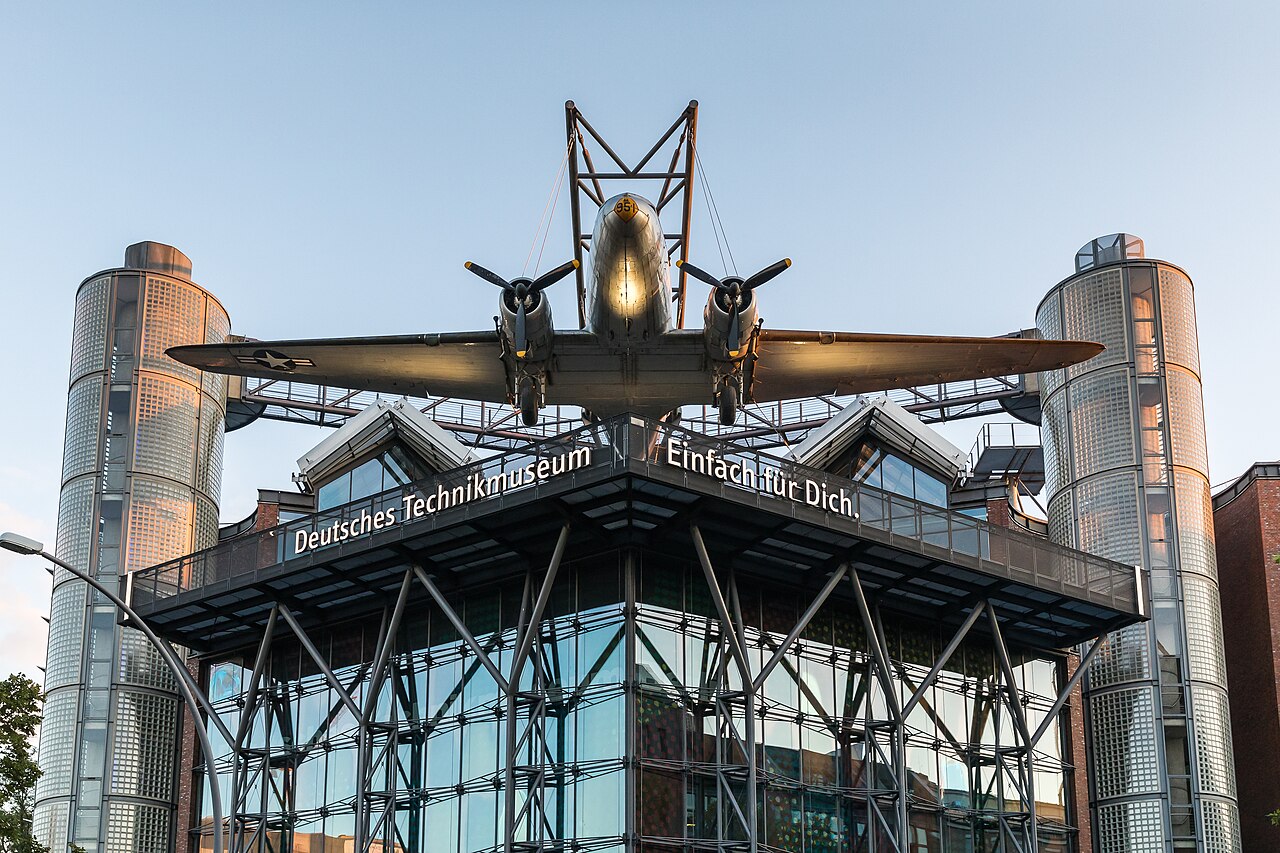
Deutsches Technikmuseum
- Muss man gesehen haben
- Museum
Sprache · 11 veröffentlicht
Historisches Denkmal · Berlin
Portikus des zerstörten Anhalter Bahnhofs
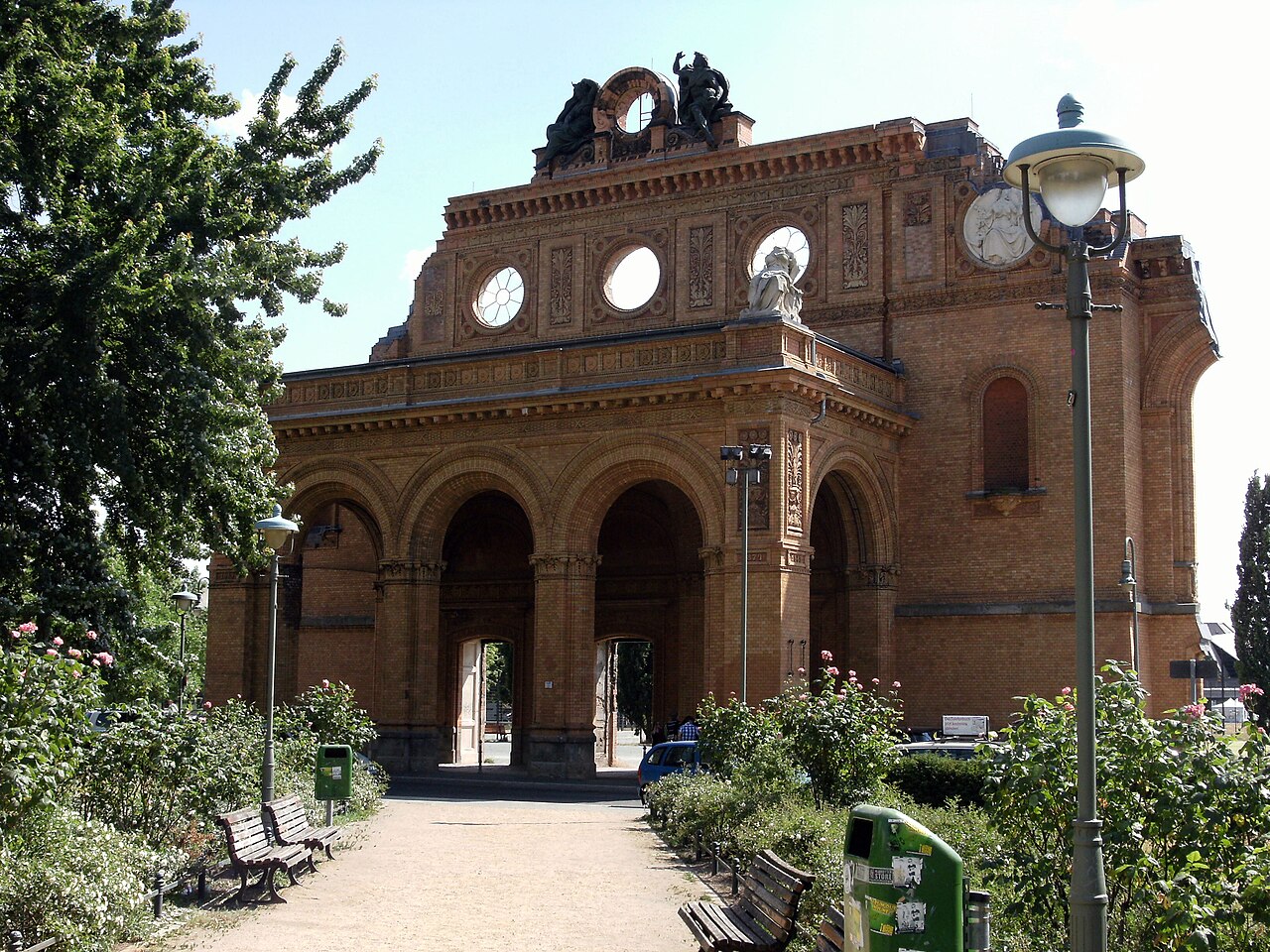
Dieser Ort ist ein Sehenswürdigkeit. Er wurde 1841 eröffnet. Er wurde von Franz Schwechten entworfen. Er trägt die Denkmalschutzkategorie Baudenkmal.
The Anhalter Bahnhof was once one of Berlin's grandest railway termini, opened in 1880 and severely damaged during World War II. Today only the monumental portico remains as a haunting ruin fragment. The surviving neoclassical entrance facade stands as a powerful memorial to the city's destroyed architectural heritage. The structure serves no active transport function. Its local name, Portikus des zerstörten Anhalter Bahnhofs, directly references its status as portico of the ruined station. The site occupies a prominent position near Potsdamer Platz.
Geprüft 2026-08-28
The interior of the original station no longer exists. Visitors encounter only the exterior portico structure with its classical columns and pediment. Behind the facade lies an open area with informational displays about the station's history. The former railway tracks and platforms have been removed. The site includes some commemorative elements and historical interpretation. No enclosed spaces or exhibition halls are present. The area functions primarily as an outdoor historical monument and contemplative space rather than a building with interior contents.
Geprüft 2026-08-28
A visit to the Anhalter Bahnhof portico requires minimal time commitment. Most visitors spend between fifteen and thirty minutes examining the structure, reading available historical information, and reflecting on its significance. The site suits brief stops during broader exploration of the Potsdamer Platz district. No queues or entry procedures extend the duration. Those with particular interest in Berlin's wartime destruction or railway history may linger longer. The unstructured nature of the site allows flexible pacing according to individual interest. A flexible visit keeps attention on what is distinctive at Berlin Anhalter Bahnhof without treating one room, viewpoint or photograph as the whole experience. Conditions on arrival should decide the final pace.
Geprüft 2026-08-28
The portico stands in an open public space accessible at all times without restriction. The structure offers no shelter from weather conditions. Daylight hours provide optimal conditions for viewing architectural details and reading information panels. Evening illumination may create atmospheric conditions for some visitors. Seasonal considerations depend entirely on personal weather tolerance. The site experiences no peak congestion periods requiring strategic timing. Visitors should prepare appropriately for Berlin's variable climate conditions throughout the year. Check the operator's own site for the travel date before relying on a schedule or fare.
Geprüft 2026-08-28
No admission fee applies to the Anhalter Bahnhof portico site. The monument stands in freely accessible public space. No ticket purchase or reservation system exists. Guided tours, if available through external providers, would involve separate arrangements and potential costs not documented here. The site's status as ruin memorial rather than managed attraction precludes conventional ticketing structures. Visitors should verify whether any temporary exhibitions or special events introduce charges not indicated by permanent arrangements. Check the operator's own site for the travel date before relying on a schedule or fare.
Geprüft 2026-08-28
The site sits within walking distance of Potsdamer Platz, a major transport hub served by U-Bahn lines U2 and U3, S-Bahn lines S1, S2, and S25, and multiple bus routes. The Anhalter Bahnhof S-Bahn station on lines S1, S2, and S25 also provides nearby access. The location's central position makes it reachable from numerous directions. Cyclists find connections through Berlin's extensive bike lane network. Pedestrian approaches from surrounding commercial and cultural districts prove straightforward. Berlin Anhalter Bahnhof also earns time in a berlin itinerary because its setting and role differ from the surrounding ranked stops. Compare the place with the nearby streets before deciding how it fits the day.
Geprüft 2026-08-28
The structure constitutes a ruin with potential safety considerations typical of such sites. Visitors should exercise normal urban awareness in the surrounding area. No staff presence monitors the site. Weather conditions affect comfort significantly given the exposed location. Information panels may deteriorate or become outdated. The historical gravity of the place as war memorial demands respectful conduct. Nighttime visitors should note limited lighting. No facilities such as restrooms or refreshments exist at the immediate site. Nearby Potsdamer Platz provides necessary services.
Geprüft 2026-08-28
The portico presents compelling photographic subjects including classical architectural details, dramatic ruin aesthetics, and contextual urban juxtapositions. No restrictions on photography are evident. The open public setting permits unrestricted image capture. Optimal lighting occurs during morning and late afternoon hours. The structure's scale challenges composition from close proximity. Wider shots incorporating surrounding modern development create striking contrasts between historical destruction and contemporary reconstruction. Night photography possibilities depend on available ambient illumination. Drone operation would require compliance with German aviation regulations.
Geprüft 2026-08-28
No. Only the exterior portico remains; the original station interior was destroyed and never rebuilt.
No fee is required. The site occupies public space with free access.
Not recorded. The site lacks formal visitor infrastructure or confirmed tour programmes.
The outdoor site appears accessible at all times.
Use Potsdamer Platz U-Bahn and S-Bahn stations, or Anhalter Bahnhof S-Bahn station, then walk.
The station operated from 1880, suffered severe World War II damage, and was subsequently demolished except for the portico.
Interaktive Karte wird geladen…
Die interaktive Karte konnte nicht geladen werden.
Zuletzt aktualisiert:
Quelle: OpenStreetMap-Mitwirkende, Wikidata ·