Halle Gate Park
Parc de la Porte de Hal - Hallepoortpark
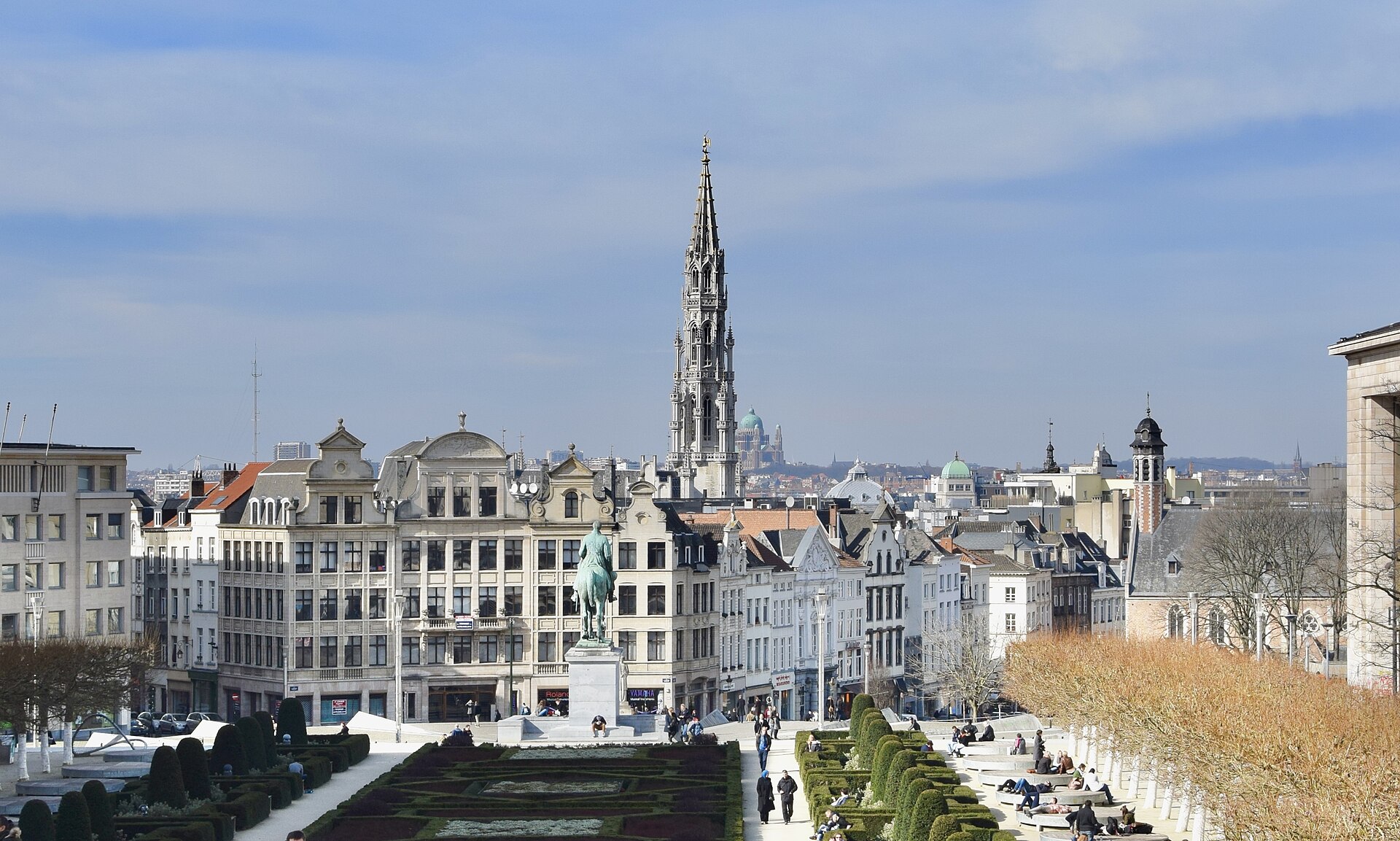
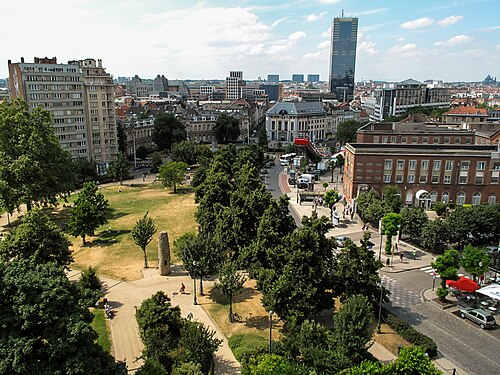
Halle Gate Park, also known as Parc de la Porte de Hal or Hallepoortpark, is a public green space beside Brussels' historic Halle Gate.
- Notable
- Nature site
City guide · Belgium
Brussels combines a compact historic centre with separate museum, European Quarter and Atomium districts. The lower town around Grand-Place is best explored on...
Photograph · Ank Kumar · CC BY-SA 4.0
Set your days, your pace and the hours you actually want to be out. The planner works around closing days and travel time, and leaves room to eat.
Reviewed by Elena Voss · Roavina Travel Editor
Brussels combines a compact historic centre with separate museum, European Quarter and Atomium districts. The lower town around Grand-Place is best explored on foot, while the upper town rises toward the royal and institutional quarters. Metro, tram, bus and urban rail make the dispersed areas manageable. Group each day by elevation and district instead of repeatedly crossing the centre’s steep north-south slope.
Checked 2026-08-26
September · September remains mild in Brussels at 18.7°C by day, with 63.0 mm of precipitation over about ten days.
Ranked by importance — sitelinks, pageviews and heritage status, not editor preference.
7 places match
Category
Typical visit duration
Interests
Parc de la Porte de Hal - Hallepoortpark
Halle Gate Park, also known as Parc de la Porte de Hal or Hallepoortpark, is a public green space beside Brussels' historic Halle Gate.
The historic lower town clusters around Grand-Place, the Bourse and Sainte-Catherine. Uphill, the Mont des Arts links the central station to the Royal Quarter, Sablon and major museums. The European Quarter lies east around Schuman and Leopold Park, while the Art Nouveau neighbourhoods extend south through Saint-Gilles and Ixelles. The Atomium and Heysel plateau are a separate northern trip. Brussels is administratively fragmented, but these visitor zones form clearer planning units than municipal boundaries.
Checked 2026-08-26
Walk inside the central lower and upper towns, then use STIB-MIVB metro, tram and bus services between outer districts. Contactless payment is available across the operator’s network, and the official trip tools show real-time connections. Urban trains can also be useful between major stations. The Atomium, European Quarter and southern Art Nouveau districts should each be linked to the centre by transit rather than forced into one long walking route.
Checked 2026-08-26
Two to three days suit a first visit. Use one day for the historic centre and upper town, then divide the remaining time between the Atomium, European Quarter and southern neighbourhoods.
May, June and September usually offer useful daylight and comfortable walking conditions. Rain is possible throughout the year, so keep museums available as flexible indoor blocks.
Yes, but the elevation change between the lower town and Royal Quarter is easy to underestimate. Walk within each zone and use metro or tram when connecting to Heysel, the European Quarter or southern districts.
Yes. STIB-MIVB supports contactless payment on its buses, trams and metro network. Use the same card or device consistently and check the operator’s current conditions before travel.
Treat the Atomium and Heysel as a northern trip, the European Quarter as an eastern block, and Saint-Gilles or Ixelles as a southern route. The historic centre and Royal Quarter combine most naturally.