
Royal Mile
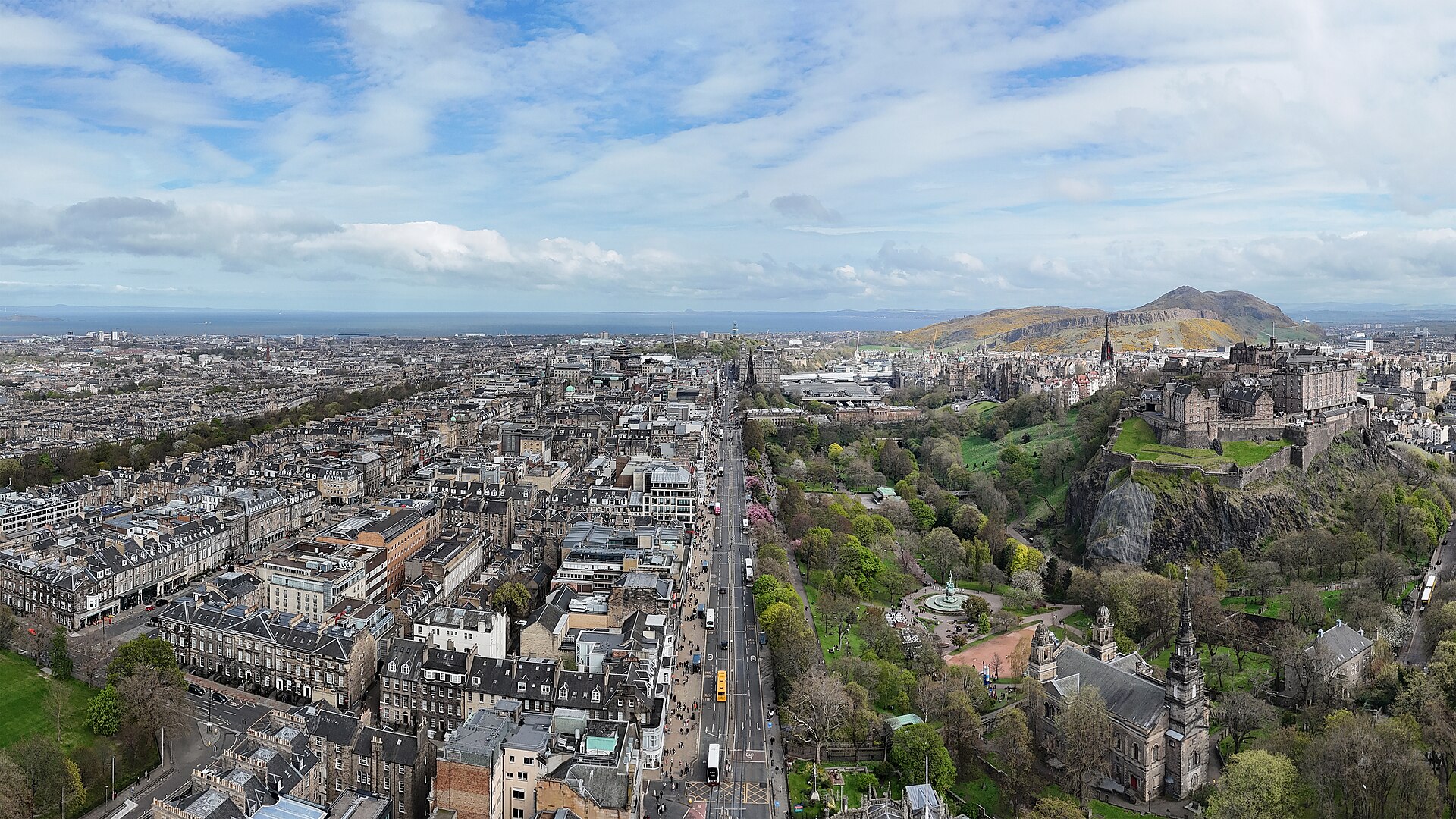
The Royal Mile is Edinburgh Old Town's historic spine, a Scots mile long and almost exactly a mile between Edinburgh Castle and the Palace of Holyroodhouse.
- Must see
- Historic site
- Edinburgh
Country guide
The United Kingdom is 244,376 km² holding 69,281,437 people, and it is four countries rather than one: England, Scotland, Wales and Northern Ireland, with Londo...
Photograph · Colin · CC BY-SA 4.0
Reviewed by Elena Voss · Roavina Travel Editor
The United Kingdom is 244,376 km² holding 69,281,437 people, and it is four countries rather than one: England, Scotland, Wales and Northern Ireland, with London, Edinburgh, Cardiff and Belfast as their capitals. Three of the four run parliaments of their own over devolved matters, and the law splits three ways — England and Wales, Scotland, Northern Ireland. A visitor meets that in small practical things rather than at a border. London alone holds about 9.1 million of the total, which is why so many trips never leave it, and why the ones that do feel like arriving somewhere else.
Checked 2026-08-25
Every city catalogued in this country so far, ranked by how much there is to see.
Photograph · Ilya Grigorik · CC BY-SA 3.0
Photograph · 瑞丽江的河水 · CC BY-SA 4.0
Photograph · Daniel Nisbet from Manchester, United Kingdom · CC BY 2.0
Ranked by importance — sitelinks, pageviews and heritage status, not editor preference.
435 places match
Category
Typical visit duration
Interests
The Royal Mile is Edinburgh Old Town's historic spine, a Scots mile long and almost exactly a mile between Edinburgh Castle and the Palace of Holyroodhouse.
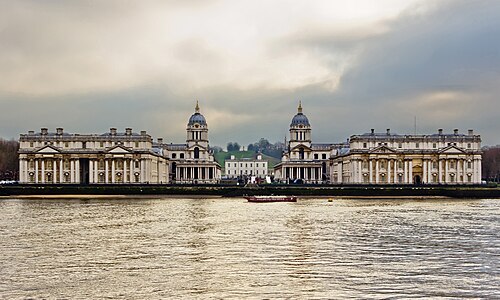
Maritime Greenwich is a historic district in southeast London, recognised as a UNESCO World Heritage Site. It encompasses significant maritime heritage structures including the Royal Observatory, the Old Royal Naval College, the National Maritime Museum, and the preserved town centre.
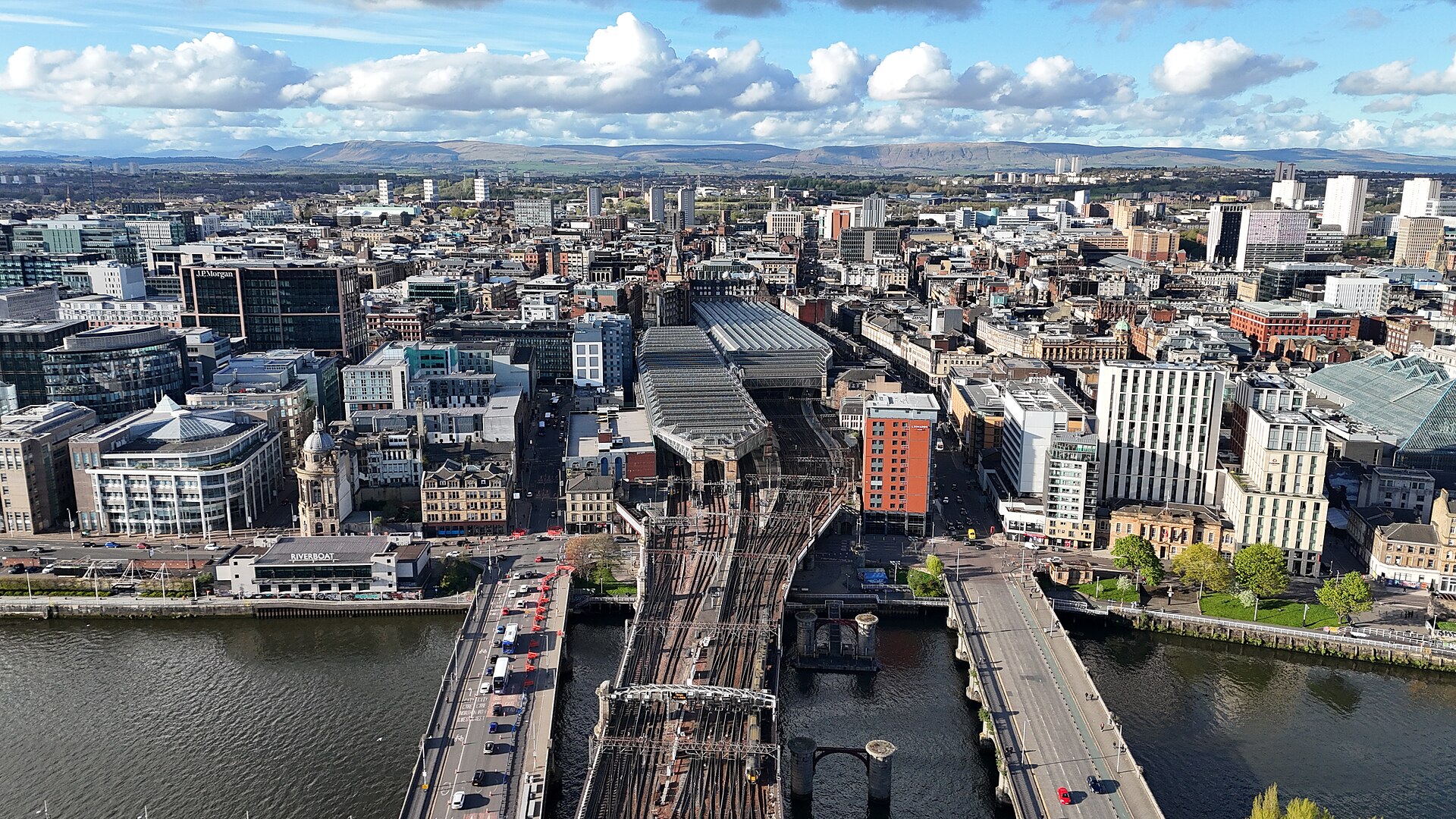
The Clydeside Distillery is a whisky distillery and visitor attraction located on the River Clyde in Glasgow. It occupies the former site of the Queen's Dock pump house, a historic industrial building.
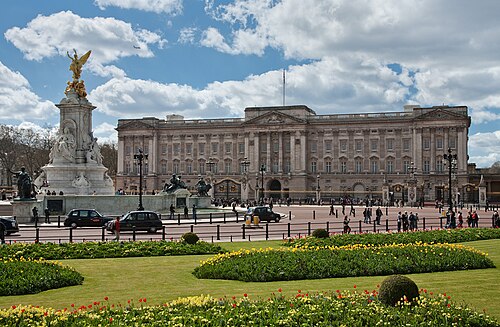
Buckingham Palace is the London residence and the administrative headquarters of the British monarch, standing at the western end of The Mall in the City of Westminster.
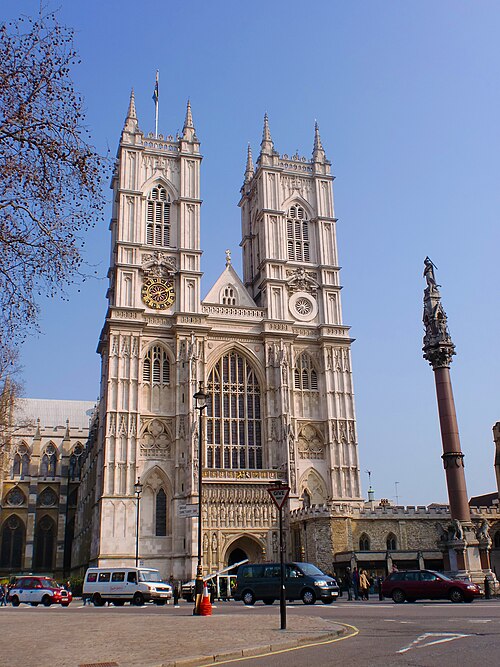
Westminster Abbey brings together royal ceremony, memorials and daily worship in a church whose architecture developed over centuries. Coronations have taken place here since 1066.
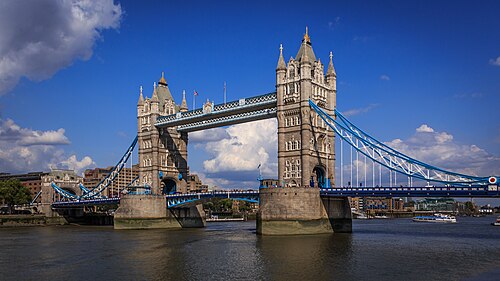
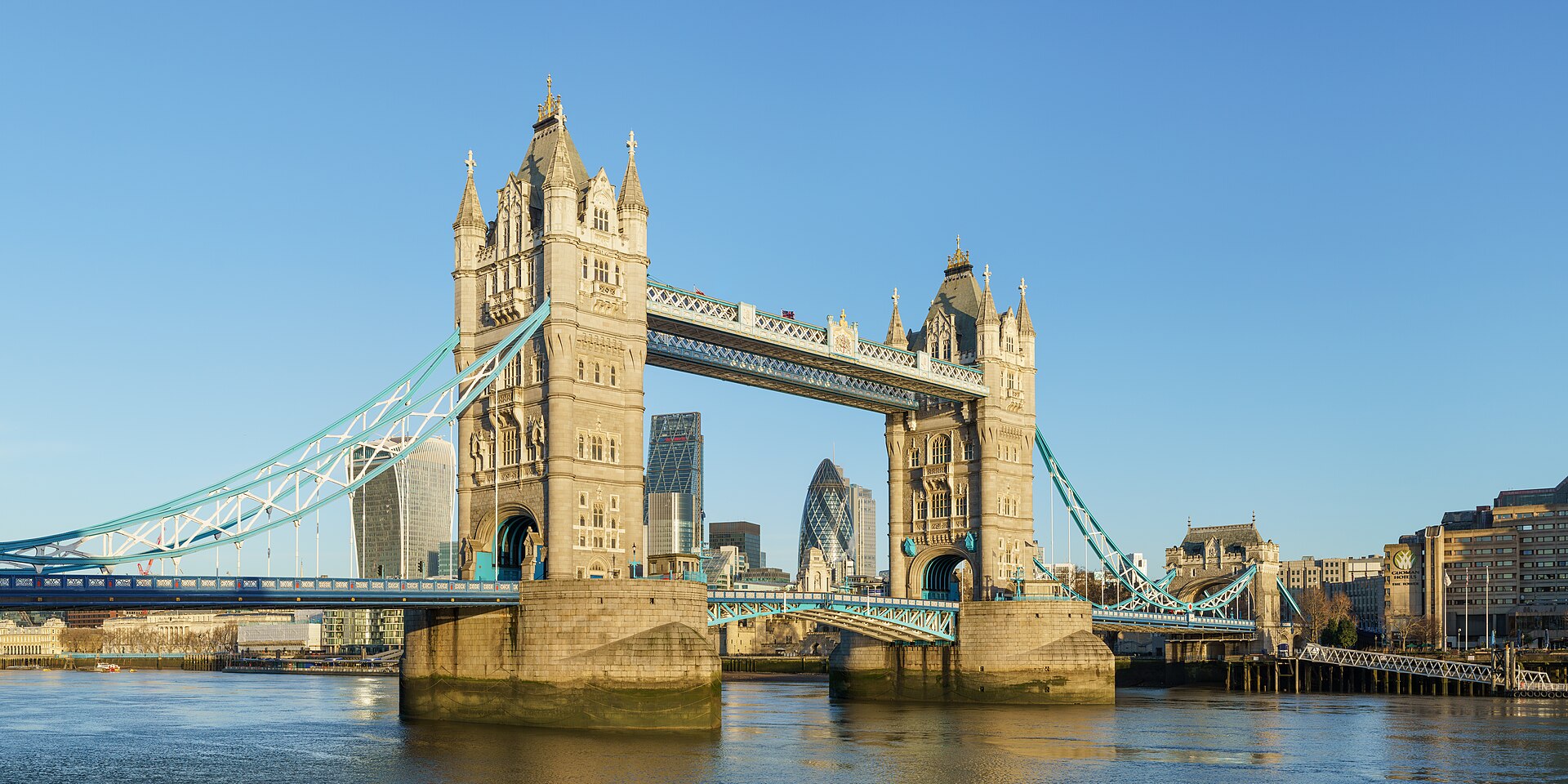
Tower Bridge combines a working Thames crossing with a visitor attraction inside its towers and former engine rooms. Crossing on the public pavement does not require an attraction ticket; going upstairs to the Walkways does.
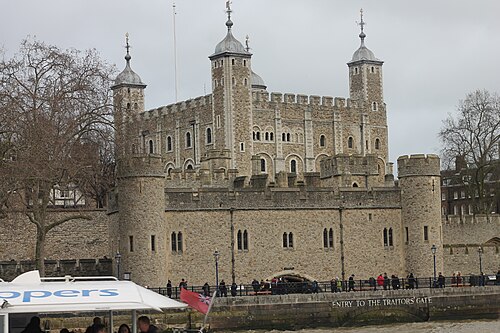
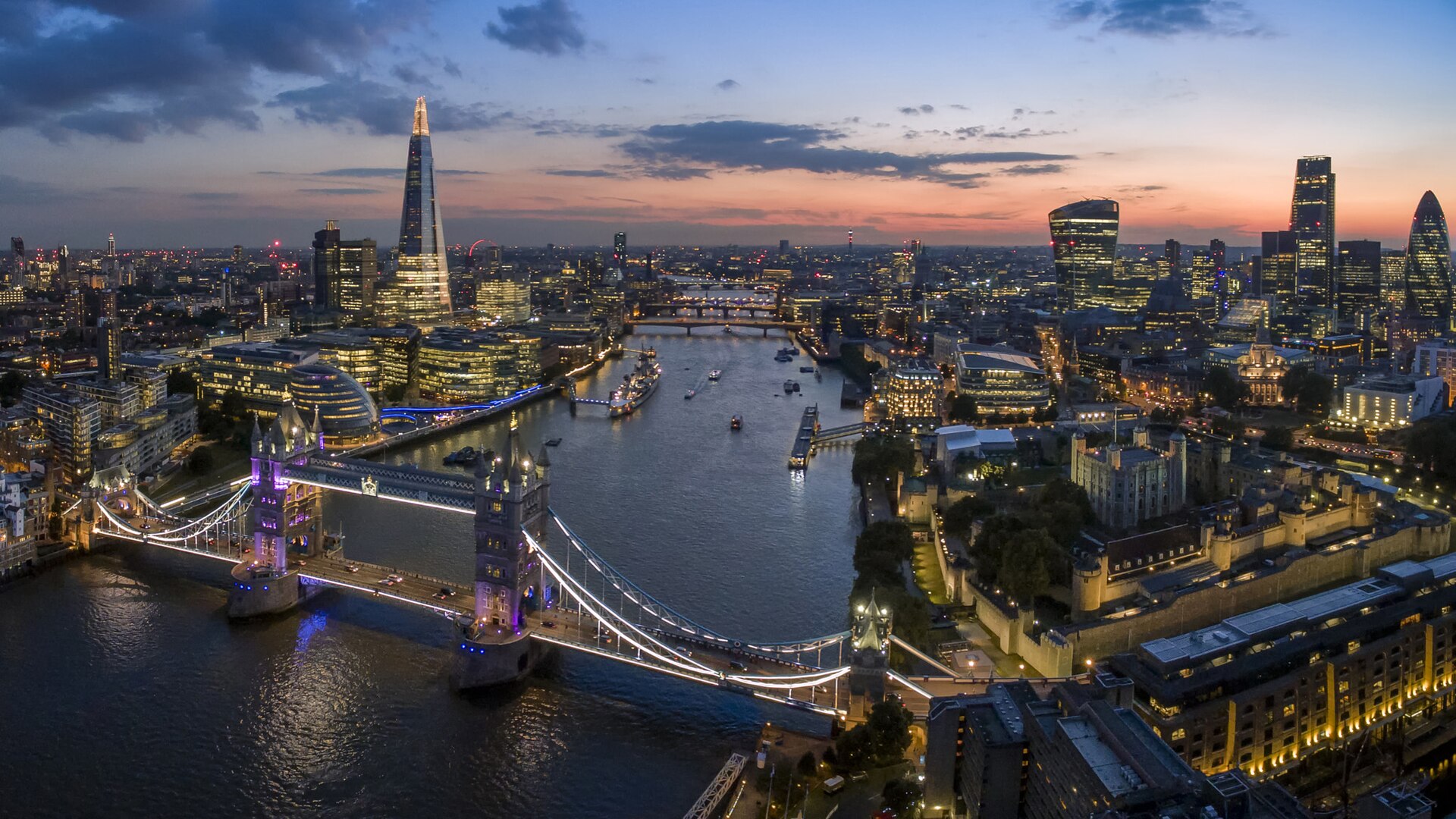
The Tower of London is a fortified royal site on the north bank of the Thames, built around the White Tower. William the Conqueror began the stone keep in the 1070s to assert Norman power over London.
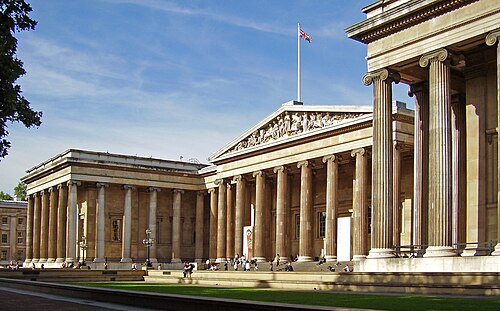
The British Museum brings together objects from human history, art and culture across more than fifty galleries. It is a collection visit: choose the cultures or objects that interest you before deciding how much of the building to cover.
The London Eye is a 135-metre observation wheel beside the Thames on London's South Bank.
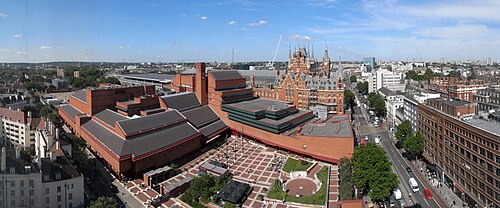
The British Library is the national library of the United Kingdom and, by collection size, one of the largest libraries in the world: more than 200 million items, including roughly 13.95 million books, 351,116 manuscripts, 8.27 million philatelic items and…
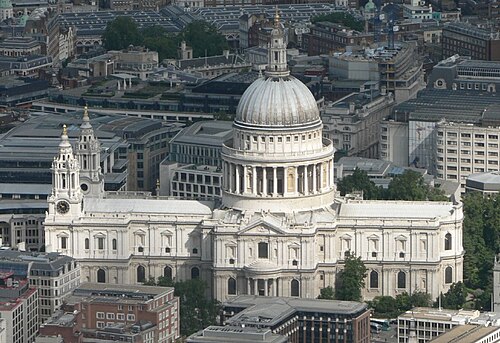
St Paul's Cathedral is the cathedral church of the Diocese of London and the great domed building on Ludgate Hill, designed by Sir Christopher Wren and built between 1675 and 1710 after the medieval cathedral on the site burned in…
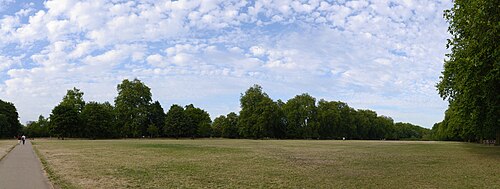
Hyde Park is a 350-acre (140-hectare) royal park in the City of Westminster, the largest of the four central London parks and the one that runs west from Marble Arch and Hyde Park Corner to the Serpentine and the boundary…
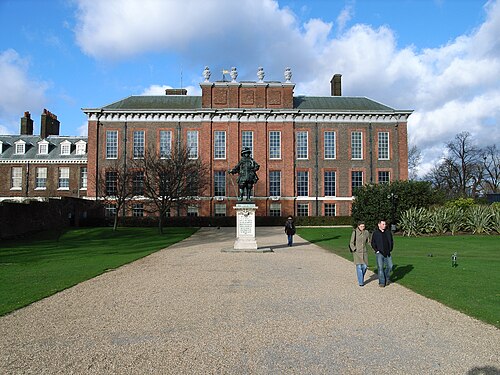
Kensington Palace is a royal residence on the western edge of Kensington Gardens, half of it open as a historic house and half of it still lived in.
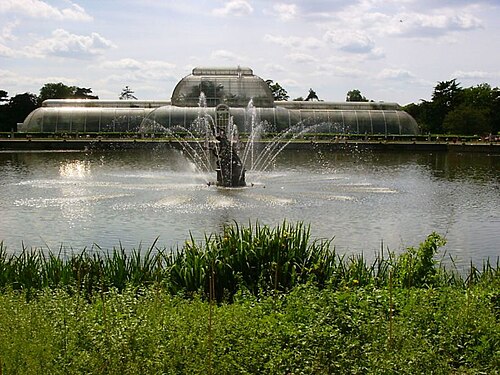
Royal Botanic Gardens, Kew
Kew Gardens is the London site of the Royal Botanic Gardens, Kew: a working scientific institution and a UNESCO World Heritage landscape rather than a single conservatory or historic house.
Elizabeth Tower
Big Ben is the bell, not the tower.
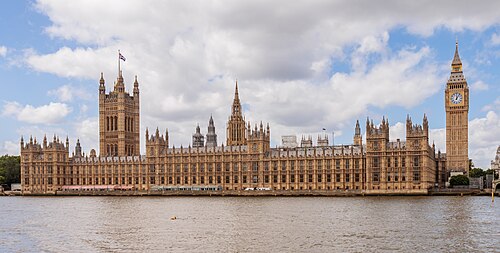
The Palace of Westminster is the seat of the two houses of the United Kingdom Parliament and, unlike the other great buildings on this stretch of the Thames, it is a workplace before it is a monument.
The Victoria and Albert Museum is the national museum of art, design and performance at Cromwell Road in South Kensington, and its permanent collection of more than 2.8 million objects makes it the world's largest museum of applied and decorative…
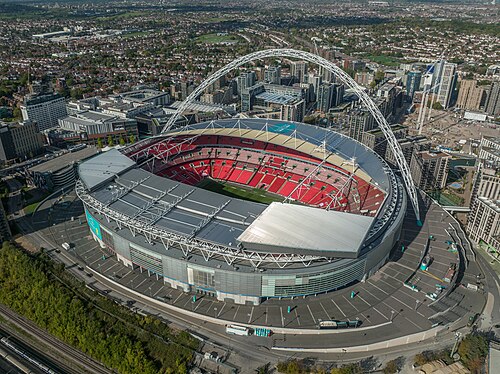
Wembley Stadium is England’s national football stadium in north-west London. The current building opened on the site of the original 1923 stadium after that structure was demolished in 2003.
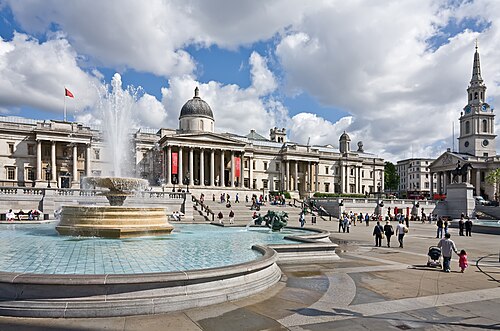
Trafalgar Square is the ceremonial public square at the top of Whitehall in the City of Westminster, owned by the King in Right of the Crown and managed by the Greater London Authority.
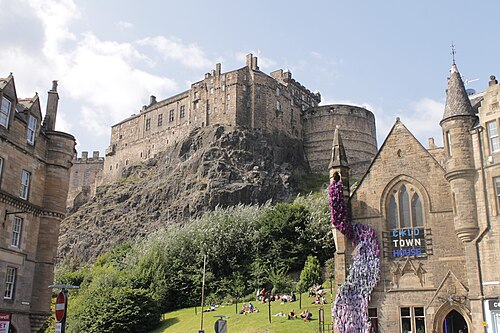
Edinburgh Castle sits on a plug of volcanic rock at the head of the Royal Mile, and it is the reason the city grew where it did.
The Natural History Museum in South Kensington is both a collection of natural history and a building designed to tell that story. It opened on 18 April 1881.
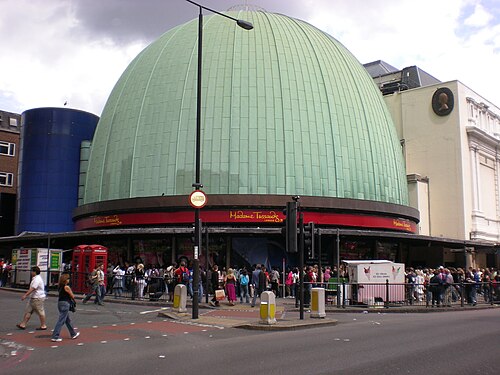
Madame Tussauds London is a self-guided wax-figure attraction on Marylebone Road, rather than a conventional museum where every object is viewed behind glass. The operator describes more than 150 figures across themed spaces and additional immersive experiences.
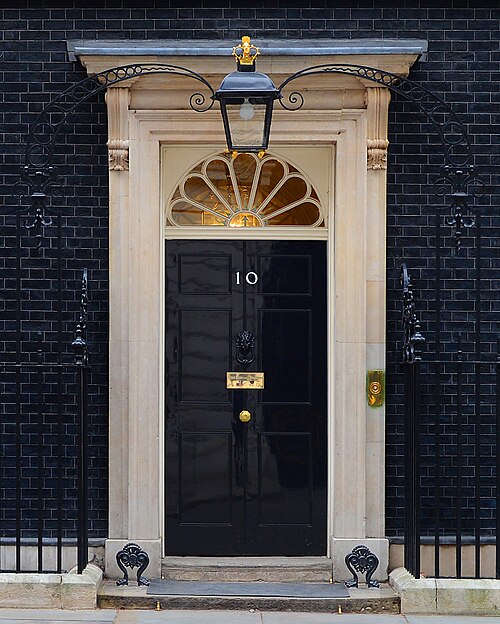
10 Downing Street is the official residence and working address of the Prime Minister of the United Kingdom, in Westminster beside Whitehall. Its black door and white number 10 have become instantly recognisable symbols of British government.
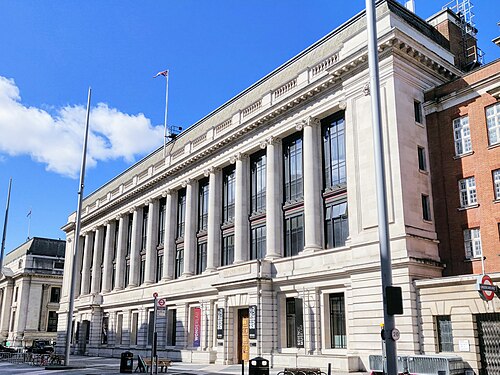
The Science Museum on Exhibition Road in South Kensington is Britain's national museum of science, technology, engineering and medicine, founded in 1857 and independent since 26 June 1909.
Royal Observatory Greenwich
The Royal Observatory stands on the hill in Greenwich Park where Charles II commissioned it in 1675 to fix longitude at sea, and it is the reason the world sets its clocks from a line drawn through south-east London.
Ten to fourteen days can cover four or five days in London, two in Manchester, and two or three each in Edinburgh and Glasgow. The Highlands, Lake District, or Welsh national parks need dedicated nights and should not be squeezed into London day trips.
UK document rules depend on nationality and trip purpose, and many visitors now need an Electronic Travel Authorisation before boarding. Check the linked UK government visa service for both visa and ETA status shortly before travel.
Intercity rail is the practical spine between London, Manchester, Edinburgh, and Glasgow, with advance fares usually distinct from flexible tickets. Each city runs its own local fare system, so London's contactless cap is not a nationwide travel pass.
May to June and September are useful planning windows for this route, but conditions vary between southern England and Scotland. Festival dates in Edinburgh and rural transport in national parks can matter more than the national seasonal label.
The United Kingdom uses pound sterling (GBP). Contactless payment is widespread in major cities, but keep another payment method for rural services or terminals that do not share London's payment arrangements.
Use 999 or 112 for emergencies in the United Kingdom. Type G sockets supply 230 V, and mains tap water is recorded as safe; save rail disruption information as well when the itinerary depends on several city-to-city journeys.