Kelvingrove Art Gallery and Museum
Kelvingrove Art Gallery and Museum is Glasgow's civic art gallery and museum, not the neighbouring Kelvingrove Park or the whole Glasgow Museums collection.
- Must see
- Museum
Language · 11 published
City guide · United Kingdom
Glasgow is a compact central city with major visitor districts stretching west along the River Clyde and university corridor. The city centre and Merchant City are walkable, while the West End, Riverside Museum and Southside are better reached by subway, train or bus. Two main railway stations serve different directions. Plan the central core and West End as separate blocks rather than walking every transfer.
Reviewed by Elena Voss · Roavina Travel Editor
Set your days, your pace and the hours you actually want to be out. The planner works around closing days and travel time, and leaves room to eat.
Ranked by importance — sitelinks, pageviews and heritage status, not editor preference.
102 places match
Category
Typical visit duration
Interests
Kelvingrove Art Gallery and Museum is Glasgow's civic art gallery and museum, not the neighbouring Kelvingrove Park or the whole Glasgow Museums collection.
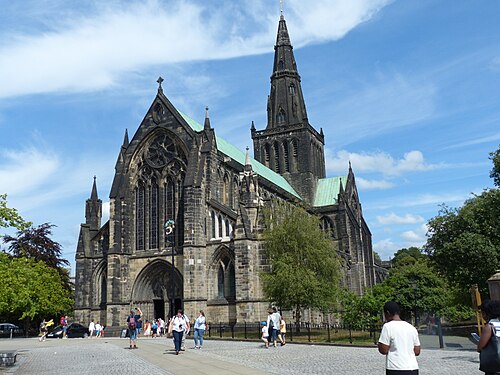
Glasgow Cathedral is a medieval church on Castle Street, at the top of the High Street and a short walk north-east of the city centre.
The Burrell Collection
The Burrell Collection is a civic museum in Pollok Country Park, three miles south of central Glasgow, built to hold the roughly 9,000 objects that Sir William Burrell spent seventy-five years buying.
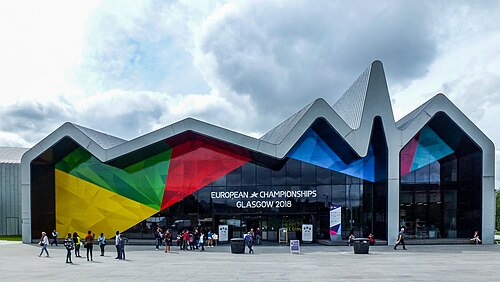
The Riverside Museum is Glasgow's transport and technology museum, standing where the River Kelvin meets the Clyde in Partick, about two miles west of George Square.
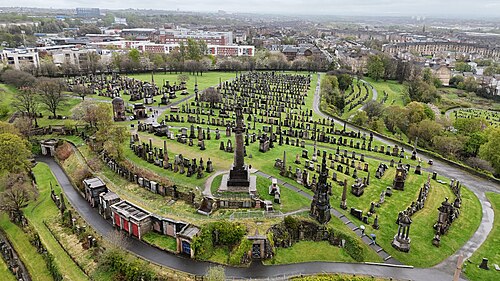
The Glasgow Necropolis is a Victorian cemetery of 37 acres, roughly 15 hectares, on the hill immediately east of Glasgow Cathedral, and it works as a piece of designed landscape rather than as a churchyard.
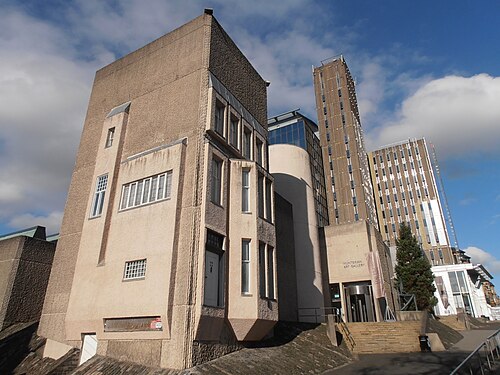
The Hunterian Art Gallery holds the art collections of the University of Glasgow, and it is one venue of several that together make up The Hunterian, Scotland's oldest public museum.
Glasgow Science Centre sells several distinct visitor products; one ticket does not automatically cover every building or session. Science Mall Day Entry is the main interactive visit.
The Gallery of Modern Art is Glasgow's civic contemporary art gallery, and it occupies a building that was never meant to hold art.
Glenlee
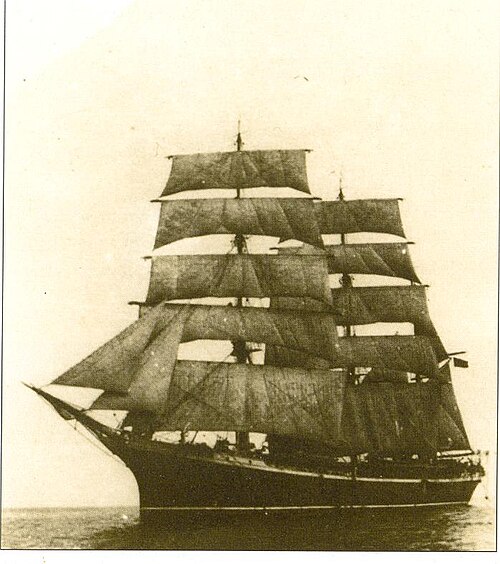
Glenlee is a steel three-masted barque, launched from Anderson Rodger's Bay Yard at Port Glasgow on 3 December 1896 and now berthed on the Clyde beside the Riverside Museum as a museum ship.
Pollok Country Park is Glasgow's country park, a large former estate in the city's south-west rather than a formal city-centre garden. Glasgow City Council owns and manages the park.
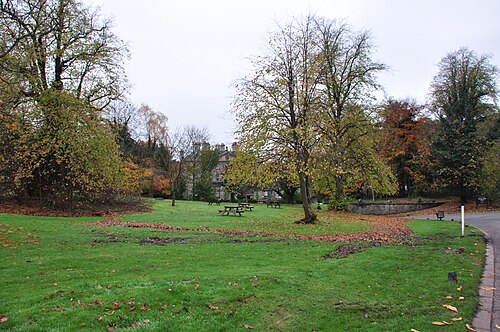
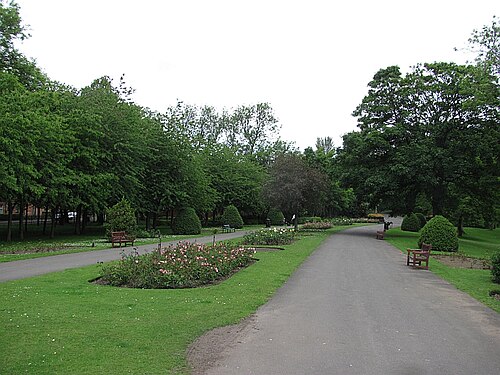
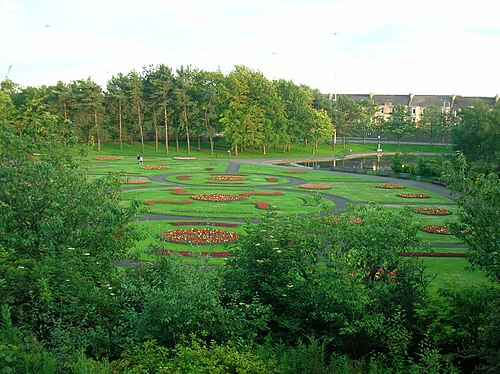
Kelvingrove Park is a public park in Glasgow's West End, established in the nineteenth century. It occupies a substantial green space on the banks of the River Kelvin, adjacent to the Kelvingrove Art Gallery and Museum.
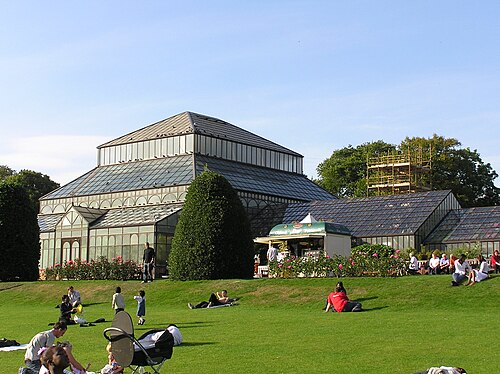
Glasgow Botanic Gardens is a working botanic garden run by Glasgow City Council in the West End, and the council asks visitors to hold that distinction: many people arrive thinking of it as a park, and the staff would rather…
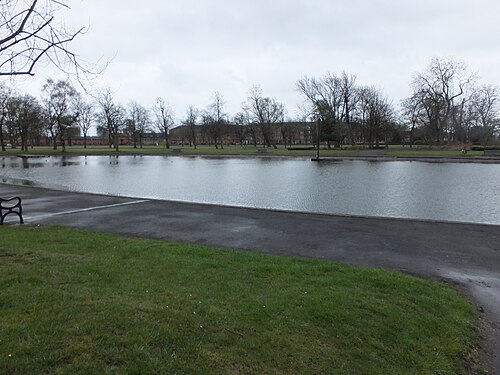
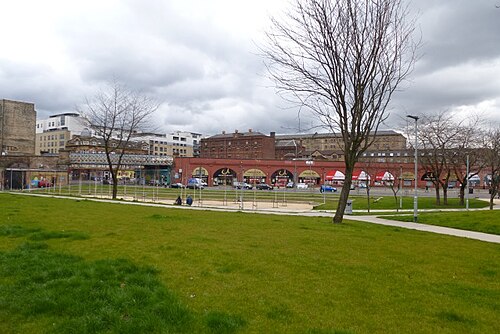
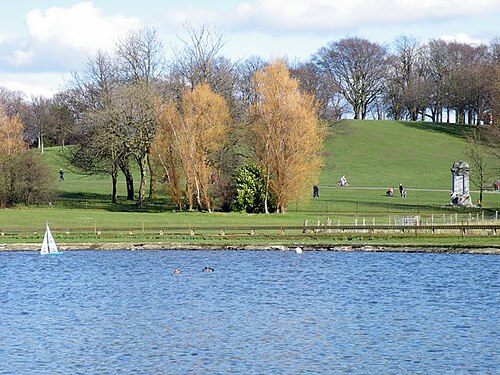
Glasgow Green is a historic public park situated on the north bank of the River Clyde in the east end of Glasgow. Established in the fifteenth century, it ranks among the oldest public spaces in Britain.
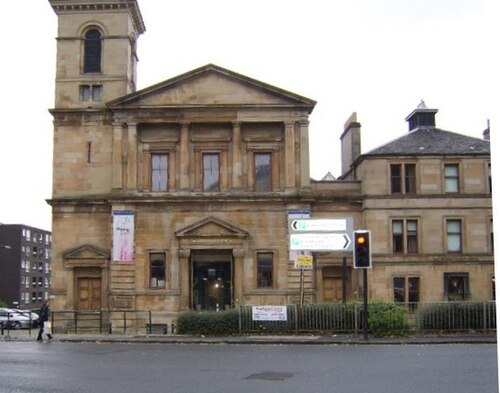
Mackintosh at the Willow
The Willow Tearooms, trading as Mackintosh at the Willow, is a historic tearoom in Glasgow designed by Charles Rennie Mackintosh. It stands as a significant example of his architectural and interior design work, dating from the early twentieth century.
Provand's Lordship stands as Glasgow's oldest surviving house, a rare medieval building in a city transformed by Victorian and modern development.
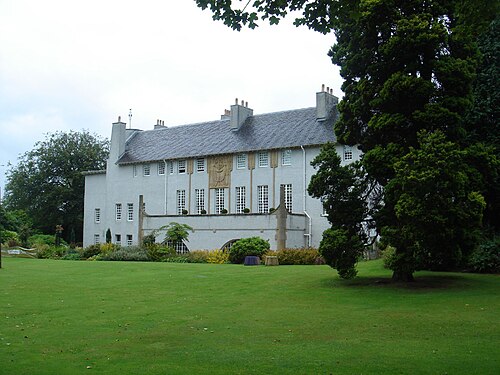
House for an Art Lover is a cultural venue in Glasgow's Bellahouston Park, built from designs by Charles Rennie Mackintosh. Construction was completed in 1996, decades after the 1901 competition entry that originated the concept.
St Mungo Museum of Religious Life & Art
St Mungo Museum of Religious Life and Art is a museum in Glasgow dedicated to the study and display of religious art and artefacts from across the world.
Hunterian Museum
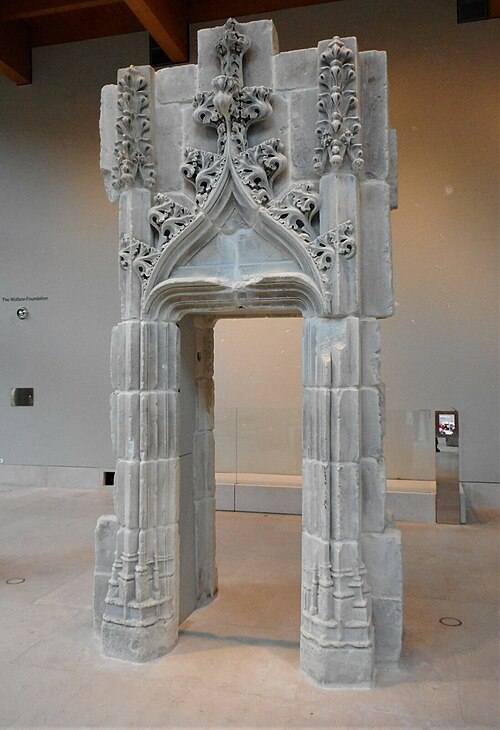
The Hunterian Museum and Art Gallery is Scotland's oldest public museum, founded in 1807 following the will of Dr William Hunter, a pioneering anatomist and collector.
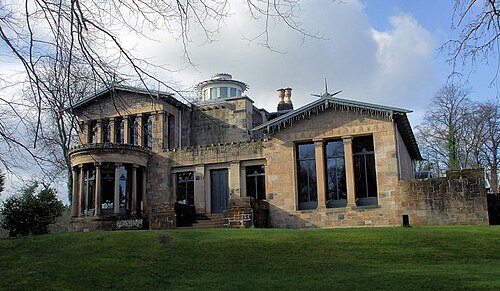
Holmwood House is a historic villa in Glasgow, designed by Alexander 'Greek' Thomson and completed in 1858.
The Tenement House
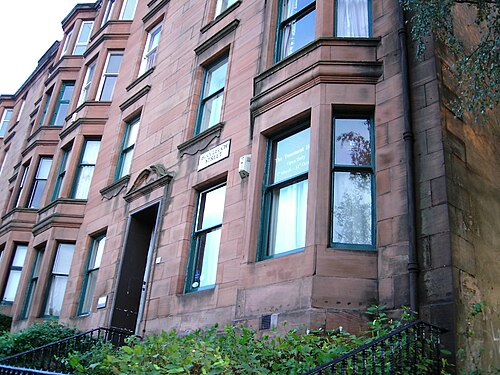
The Tenement House is a preserved historic dwelling in Glasgow that offers insight into tenement living, a defining feature of urban Scottish life.
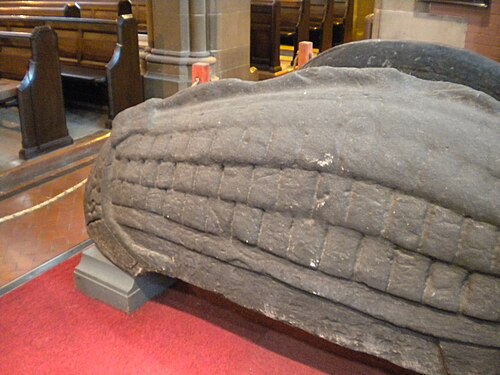
The Govan Stones constitute a significant collection of early medieval carved stones displayed at Govan Old Parish Church in Glasgow.
The Clydeside Distillery is a whisky distillery and visitor attraction located on the River Clyde in Glasgow. It occupies the former site of the Queen's Dock pump house, a historic industrial building.
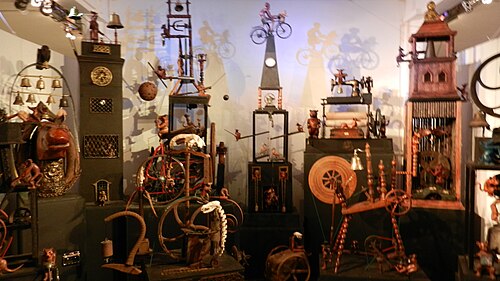
Sharmanka Kinetic Theatre/Gallery
Sharmanka Kinetic Theatre/Gallery is a distinctive Glasgow cultural attraction created by sculptor-mechanic Eduard Bersudsky. The local name reflects its dual identity as both theatrical performance space and exhibition gallery.
The National Piping Centre is an institution in Glasgow dedicated to the preservation and promotion of bagpipe music and Scottish piping heritage.
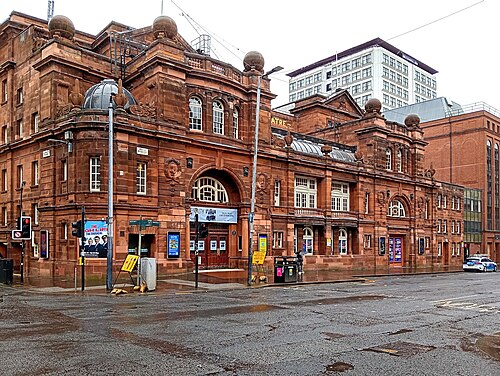
The Theatre Royal is a historic performing arts venue in Glasgow, Scotland. It stands as one of the city's most prominent theatrical landmarks, hosting a diverse programme of drama, musicals, opera, and ballet.
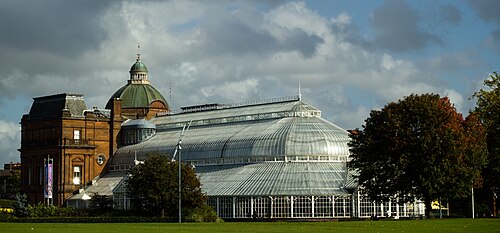
The People’s Palace is a museum and public glasshouse in Glasgow Green, the city’s oldest park. It presents Glasgow’s social history through the lives, work, homes, politics, leisure, and communities of ordinary residents.
The Mackintosh House is a museum in Glasgow dedicated to the life and work of Charles Rennie Mackintosh, the celebrated Scottish architect, designer, and artist.
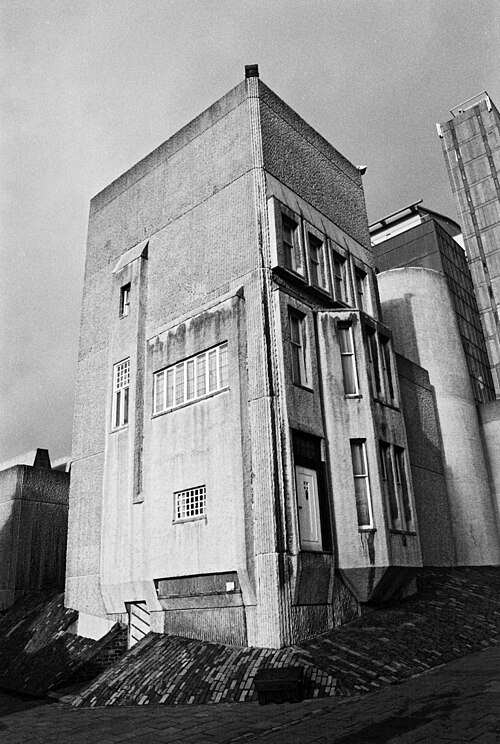
The Mackintosh Building is a landmark structure in Glasgow, Scotland, deeply associated with the renowned architect and designer Charles Rennie Mackintosh. It forms part of the Glasgow School of Art campus, situated in the city centre.
The Lighthouse is Scotland’s Centre for Design and Architecture in Glasgow city centre. It occupies the former Glasgow Herald offices, a building designed by Charles Rennie Mackintosh in 1895.
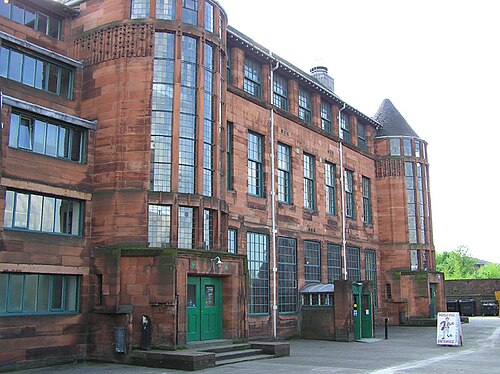
Scotland Street School Museum occupies a former Glasgow school building designed by Charles Rennie Mackintosh. It combines architectural interest with the social history of Scottish education.
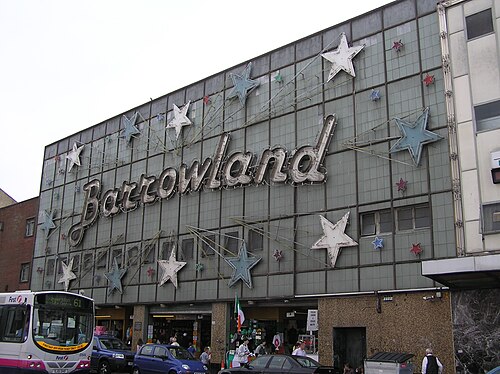
Barrowland Ballroom is a famous live music venue in Glasgow's East End. It opened in 1934, was rebuilt after a fire in 1958, and remains closely associated with major performances and Glasgow's music culture.
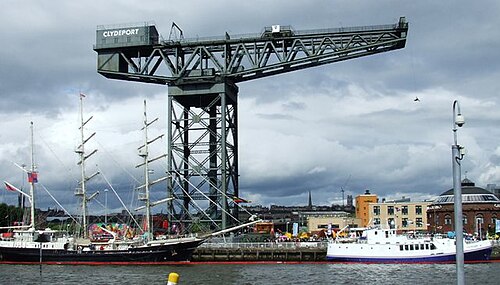
The Finnieston Crane is a disused giant cantilever crane standing on the north bank of the River Clyde in Glasgow, Scotland.
The King's Theatre
King's Theatre is a historic performing arts venue in Glasgow, Scotland, known for live theatre, musicals and pantomime.
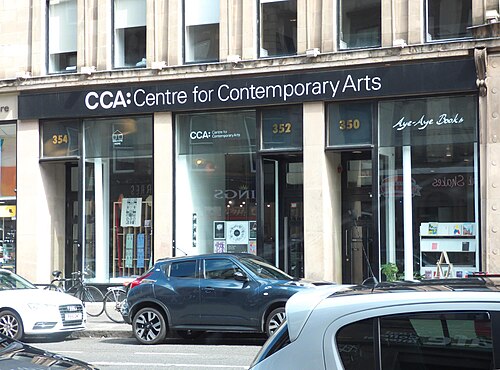
The Centre for Contemporary Arts is a Glasgow cultural venue dedicated to contemporary art, film, and music. It operates as a hub for creative production and public engagement with experimental and interdisciplinary work.
Britannia Panopticon
Britannia Music Hall, locally known as Britannia Panopticon, stands as a historic entertainment venue in Glasgow. Dating to the 1850s, it claims distinction as one of Britain's oldest surviving music halls.
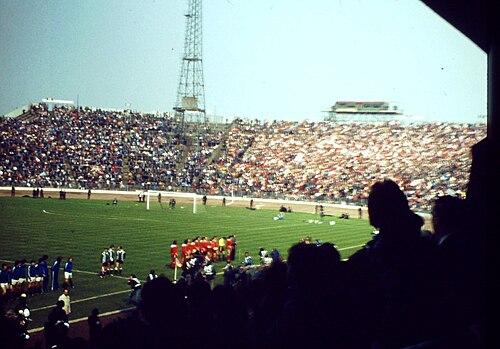
Scottish Football Museum is housed at Hampden Park, Scotland's national stadium, and explores the history and heritage of football in Scotland.
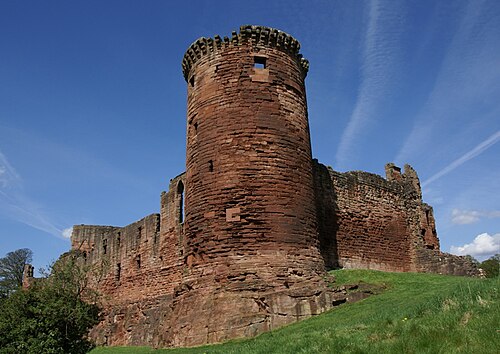
Bothwell Castle stands as a substantial medieval ruin on the banks of the River Clyde.
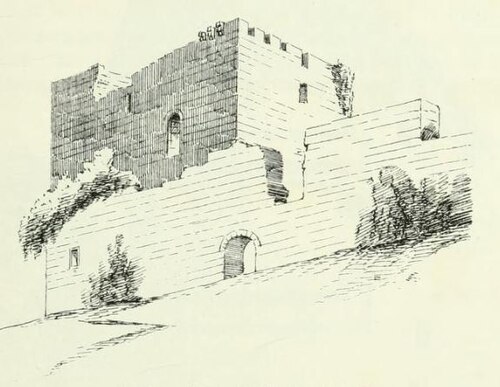
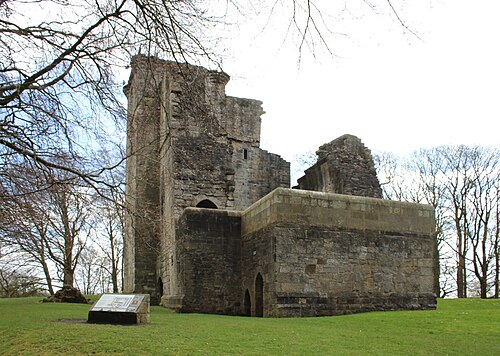
Crookston Castle is a medieval stone ruin in south-west Glasgow, set on elevated ground above the surrounding landscape.
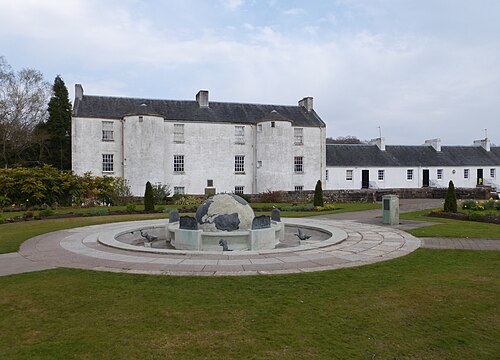
David Livingstone Museum
The David Livingstone Centre, also known as the David Livingstone Museum, is a heritage attraction in Blantyre, about eleven kilometres south-east of Glasgow city centre.
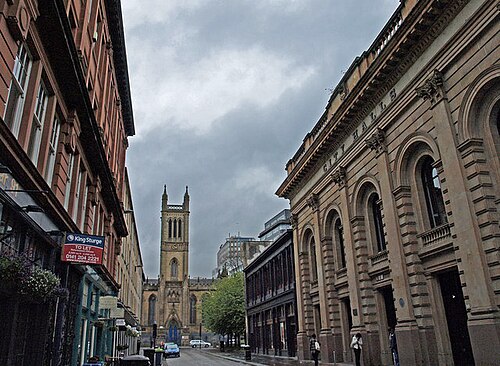
City Halls & Old Fruitmarket
Glasgow City Halls is a historic concert venue in the Merchant City, centred on Candleriggs and connected with the Old Fruitmarket. The complex combines a principal concert hall with a former market space used for performances.
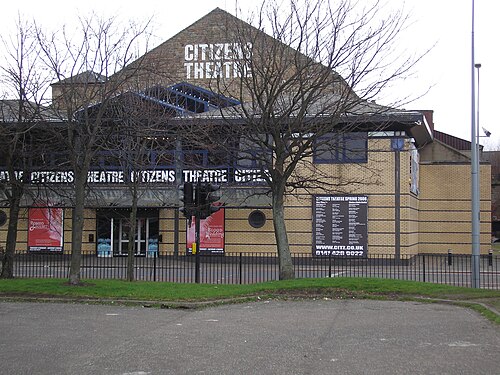
Citizens' Theatre
The Citizens' Theatre is a historic producing theatre located in Glasgow's Gorbals area. Established in 1943, it has built a reputation for distinctive programming and community engagement.
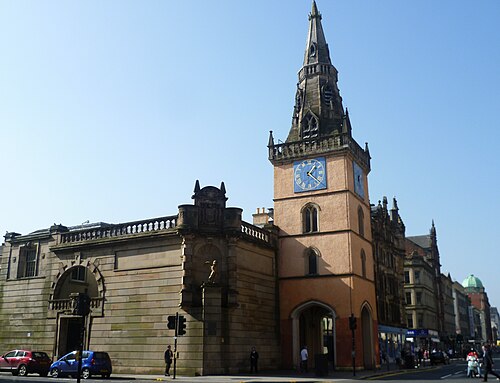
The Tron Theatre is a performing arts venue located in Glasgow's Merchant City area. It occupies a distinctive building with a notable architectural presence in the city centre.
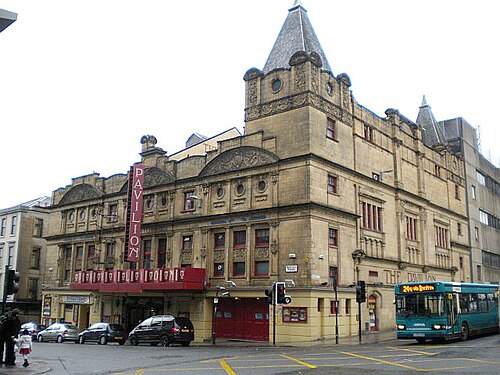
The Pavilion Theatre is a historic entertainment venue in Glasgow, Scotland. Established in 1904, it stands as one of the city's oldest surviving theatres and continues to operate as a live performance space.
St Andrew’s Cathedral is a Roman Catholic cathedral in central Glasgow and the seat of the Archbishop of Glasgow.
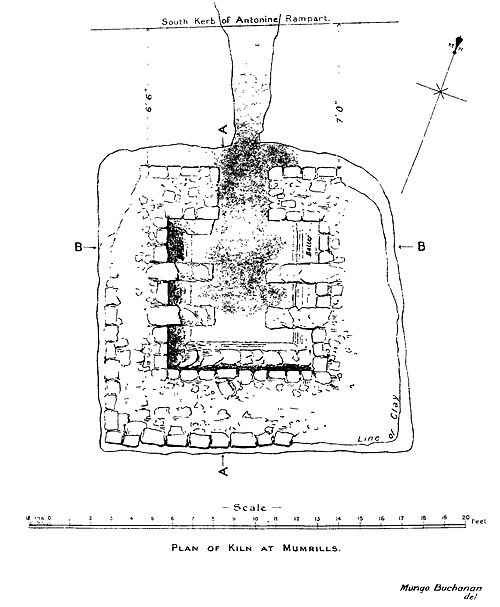
The Antonine Wall is a Roman frontier monument crossing Scotland’s Central Belt between the Firth of Forth and the Firth of Clyde. Built during the reign of Emperor Antoninus Pius around AD 142, it marked the empire’s northern frontier.
Bellahouston Park is a large green space southwest of Glasgow city centre, combining open recreational ground, formal gardens, woodland and cultural landmarks.
Elder Park is a public park in Glasgow, Scotland. It was established in the nineteenth century through a bequest from the Elder family, prominent local shipbuilders.
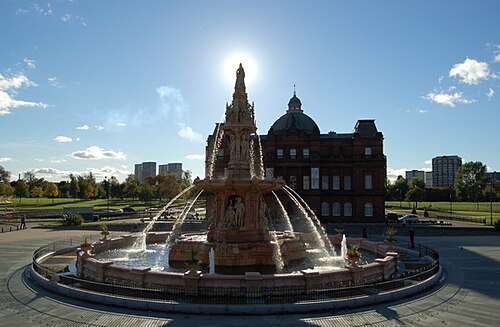
The Doulton Fountain
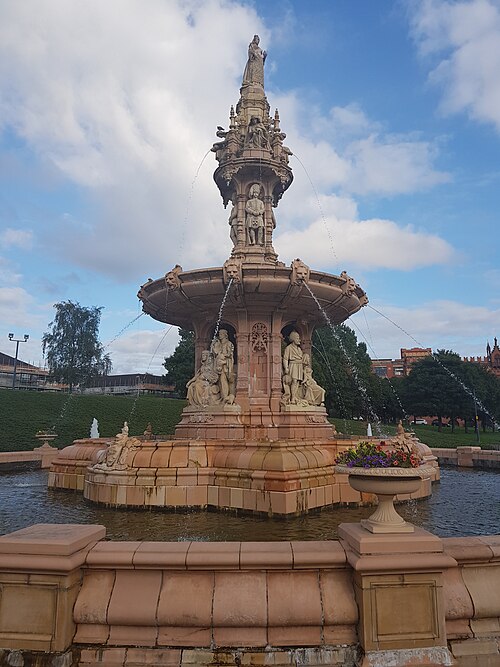
The Doulton Fountain is a monumental Victorian terracotta fountain in Glasgow Green, Scotland’s oldest public park. Sir Henry Doulton presented it to Glasgow in 1888 to mark Queen Victoria’s Golden Jubilee.
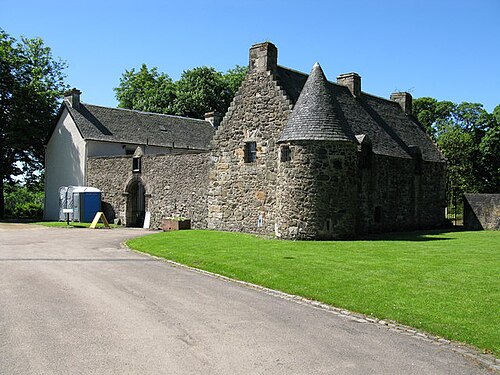
Provan Hall is a historic building situated in Glasgow, Scotland. It represents an important part of the city's architectural heritage and stands as a notable landmark within the urban landscape.
Roman Bath House
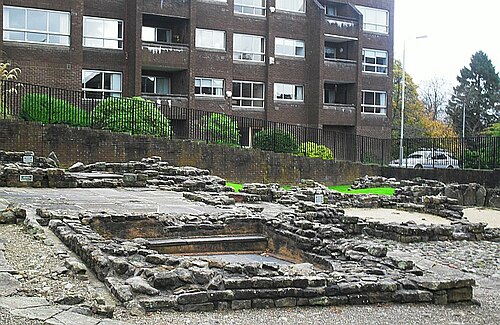
The Bearsden Roman Bath House is an archaeological site in Glasgow, Scotland, preserving remains of a Roman bathing complex associated with the Antonine Wall frontier system.
The Hunterian at Kelvin Hall is a University of Glasgow museum and collections facility in the city’s West End.
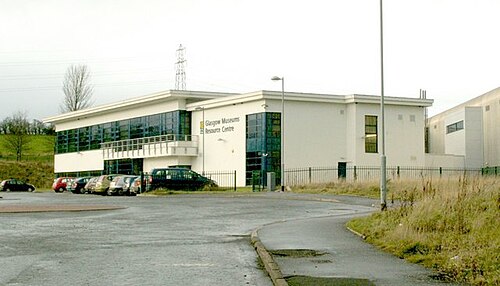
Glasgow Museums Resource Centre is the working collection store and care facility supporting Glasgow’s civic museums. It differs from a conventional gallery: many objects are kept in storage, examined by specialists, or prepared for display elsewhere.
Glasgow Police Museum tells the story of the City of Glasgow Police, founded in 1800 and recognised as Britain’s first modern municipal police force. The museum uses policing history to explore Glasgow’s changing society, institutions, technology, and public life.
Royal Highland Fusiliers
The Royal Highland Fusiliers Museum commemorates the history of the Royal Highland Fusiliers, a Scottish infantry regiment formed in 1959 from the amalgamation of the Royal Scots Fusiliers and the Highland Light Infantry.
Renfrew Museum presents the local history of Renfrew and the surrounding district west of Glasgow. The museum focuses on the people, industries and everyday life of this former burgh, giving visitors a concentrated introduction to the area's community heritage.
Castlehill Fort
Castlehill Roman fort, also known locally as Castlehill Fort, is an archaeological site in Glasgow connected with Roman military activity in Scotland. It forms part of the wider network of Roman installations created during campaigns in northern Britain.
Websters Theatre is a Glasgow performing arts venue for dramatic productions, live performances and cultural events.
Trongate Gallery is a cultural venue in Glasgow's historic Trongate area, a central district associated with creative spaces, independent enterprises and pedestrian city life.
Barrowland Park is an outdoor public space in Glasgow’s East End, close to the Barrowland Ballroom on Gallowgate. The park connects everyday green space with one of the area’s strongest music landmarks.
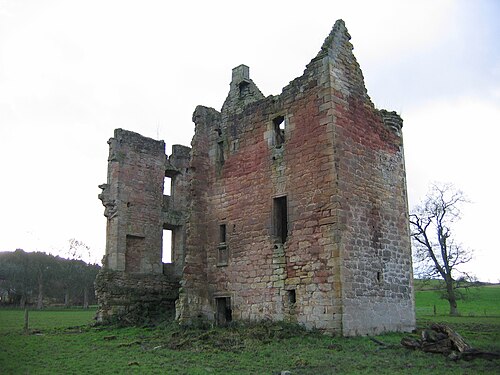
Haggs Castle is a historic tower house in Glasgow, Scotland. It represents the Scottish tradition of fortified residences that combined domestic life with defensive features.
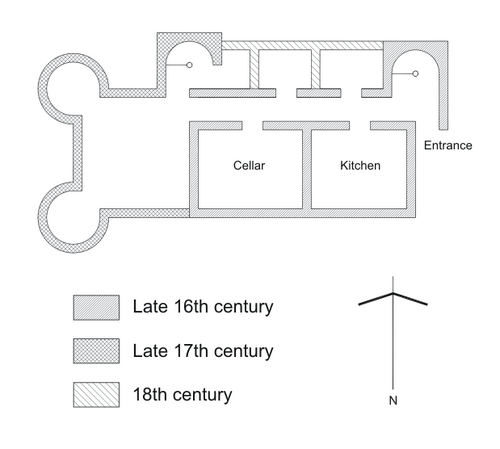
Bedlay Castle is a late-sixteenth-century tower house near Glasgow, in North Lanarkshire. Built for the Boyll or Boyd family, it represents Scottish Renaissance domestic architecture and the way landowning families combined residence with a defensive form.
Cathcart Castle is a historic castle site in Glasgow’s Cathcart area, offering a quieter encounter with the city’s medieval past. It belongs to Glasgow’s wider historical landscape rather than its central landmark circuit.
Gilbertfield Castle is a historic tower house in the Glasgow area and a surviving expression of Scotland's fortified residential architecture. Its stone tower form connects the place with the tradition of defensive homes built for local nobility or landowners.
Crossbasket Castle
Crossbasket Castle is a Scottish baronial country house near Blantyre, southeast of Glasgow. Its tower-house form, later Victorian additions, and position beside the Rotten Calder give it a distinctive architectural and landscape setting.
Alexandra Park
Alexandra Park is a public park located in Glasgow, Scotland. It was established in the nineteenth century and remains one of the city's significant green spaces.
Barshaw Park is a public park in Paisley, within the wider Greater Glasgow urban area.
Blythswood Square Gardens
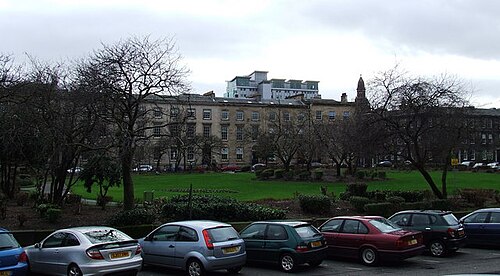
Blythswood Square is a Georgian garden square in Glasgow, Scotland. The square forms part of the Blythswood Hill area and represents a notable example of planned urban development from the early nineteenth century.
Cathkin Braes Country Park
Cathkin Braes is an elevated country park on Glasgow’s southern edge. The Scots word “braes” refers to sloping hillsides, fitting the site’s open, undulating terrain.
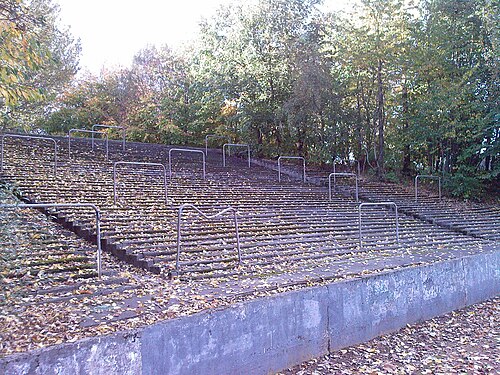
Cathkin Park is a public park located in Glasgow, Scotland. The site occupies land that was formerly home to a football stadium, which served as the ground for Third Lanark A.C., a historic Scottish football club.
Dawsholm Park Local Nature Reserve
Dawsholm Park Local Nature Reserve is a public green space in Glasgow, Scotland. It forms part of the city's network of parks and natural areas, providing accessible countryside experience within an urban setting.
Drumpellier Country Park
Drumpellier Country Park is a public green space located in the Glasgow area of Scotland. The park forms part of the broader landscape around Coatbridge in North Lanarkshire, near Glasgow's eastern boundary.
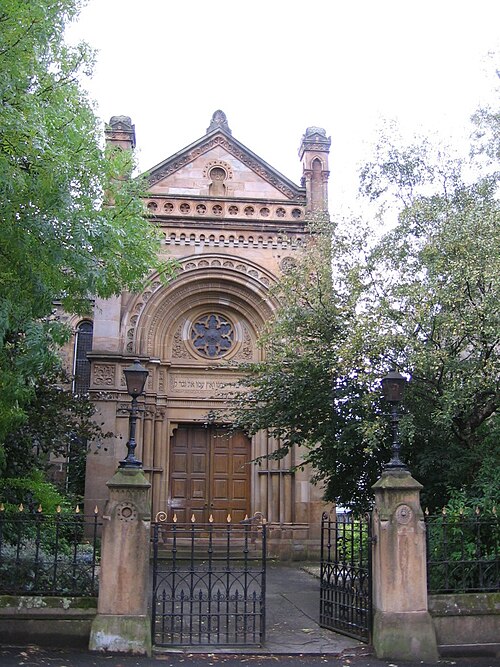
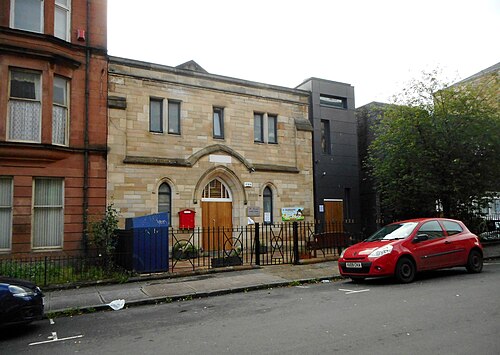
Garnethill Synagogue is a historic Jewish place of worship in Glasgow’s Garnethill district, close to the city centre. It is recognised as the oldest surviving synagogue in Scotland and remains connected with the city’s Jewish community.
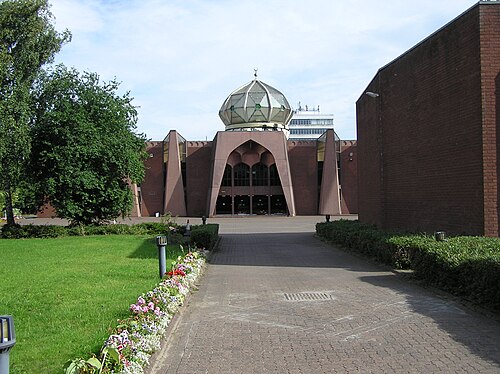
Glasgow Central Mosque is a major Islamic place of worship and community centre in the Gorbals, south of the River Clyde. It serves Glasgow’s Muslim community through daily prayer, Friday congregational worship, Islamic education and wider social activity.
Alston Bar & Beef
Glasgow Central Station Museum is a heritage attraction located within Glasgow Central Station, one of Scotland's principal railway terminals. The museum occupies space within this historic Victorian station, which opened in 1879 and was designed by architect Sir Robert Smillie.
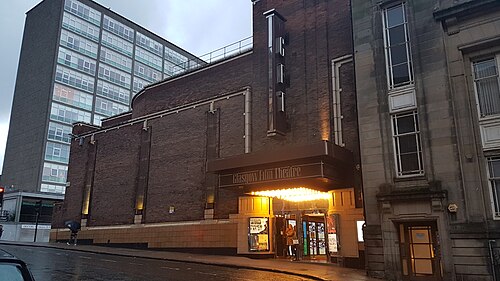
Glasgow Film Theatre is a city-centre cinema dedicated to distinctive film programming. Its schedule includes independent cinema, foreign-language films, documentaries and classics, alongside selected mainstream releases.
Govan Old Parish Church is a historic church in Govan, on the south bank of the River Clyde in Glasgow. It stands on one of western Scotland’s oldest Christian sites and remains an important landmark in the district.
Greenbank Gardens
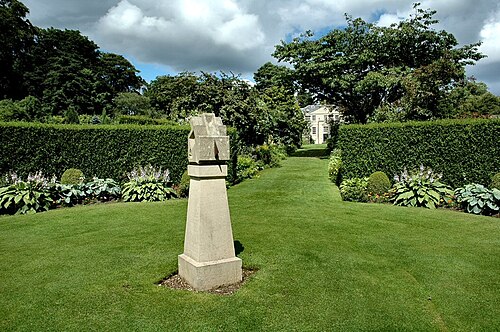
Greenbank Garden is a cultivated garden attraction in Glasgow, offering a quieter horticultural setting within the city.
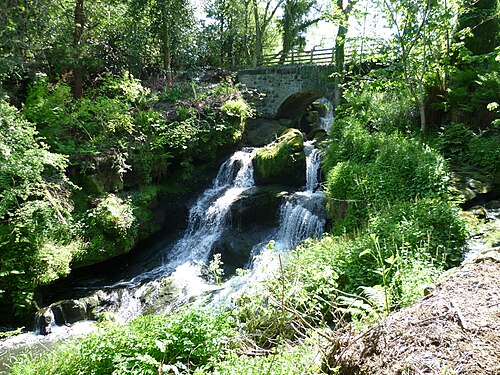
Linn Park is a large public green space in southern Glasgow, shaped by woodland, open grassland and the White Cart Water. The river gives the park much of its character, with pools and small waterfalls among the waterside scenery.
National Museum of Rural Life presents Scotland's rural heritage through museum collections, historic buildings and a working agricultural landscape. The site is operated by National Museums Scotland and combines indoor interpretation with outdoor farmland.
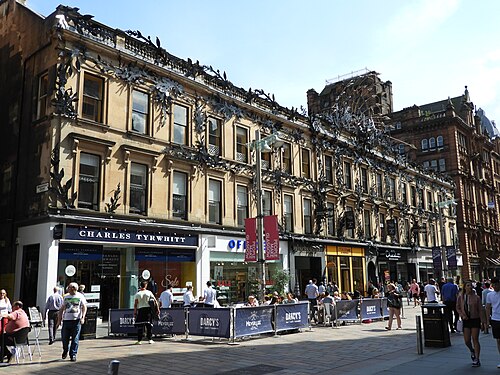
Princes Square is an indoor shopping centre on Buchanan Street in central Glasgow. Its name can suggest an open civic square, but the experience is an enclosed retail and dining destination built within historic Victorian structures.
Queen's Park
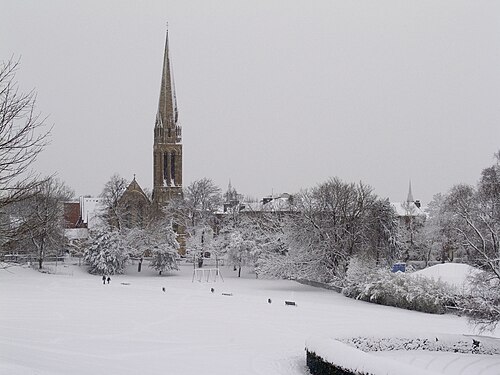
Queen’s Park is a large public park on Glasgow’s south side, set on elevated ground among the residential neighbourhoods south of the city centre.
Rouken Glen Park
Rouken Glen is a public park in Glasgow’s southern suburbs, combining landscaped grounds with the wooded landscape of a glen. The Auldhouse Burn runs through the ravine, giving the park a more natural character than a simple urban lawn.
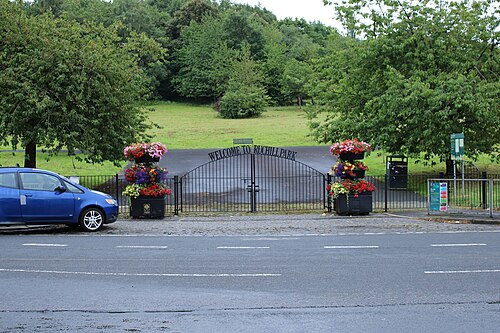
Ruchill Park is a public urban park in the Ruchill area of northwest Glasgow.
Springburn Park is a public park in Glasgow’s Springburn district, north of the city centre. The park gives visitors an urban green space shaped by Glasgow’s Victorian municipal park tradition.
St Mary's Episcopal Cathedral
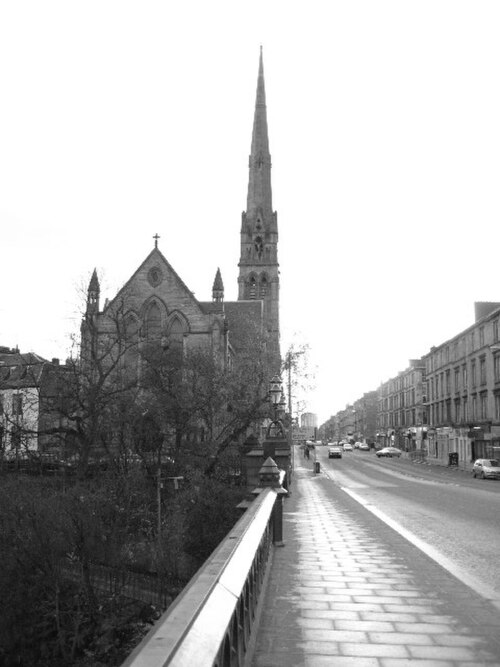
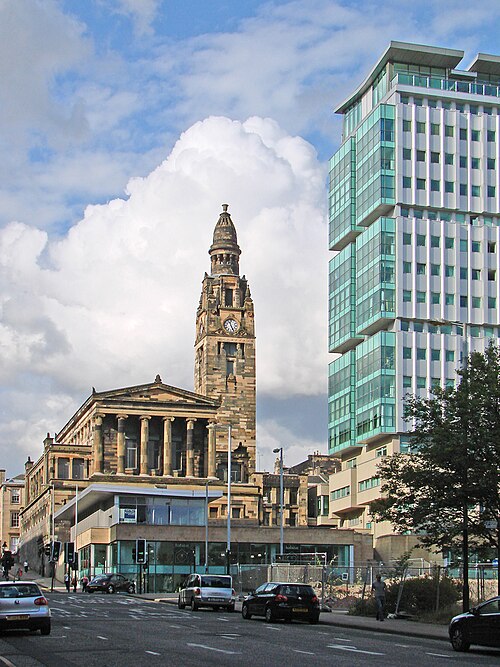
St Mary’s Cathedral is a Gothic Revival cathedral in Glasgow’s West End and the cathedral church of the Diocese of Glasgow and Galloway within the Scottish Episcopal Church.
The Hidden Gardens is a community-focused public garden in Glasgow near the Trongate area. The garden creates a green retreat within the city centre, giving visitors a place for quiet observation, short breaks and informal outdoor time among urban streets.
Tollcross Children’s Farm is an urban city farm in Glasgow designed around family contact with domestic animals.
Tollcross Park is a public green space in Glasgow’s east end, offering an outdoor break from the surrounding urban neighbourhood.
Victoria Park is a public park located in Glasgow, Scotland. Established in the late nineteenth century, it represents a typical example of Victorian municipal park design.
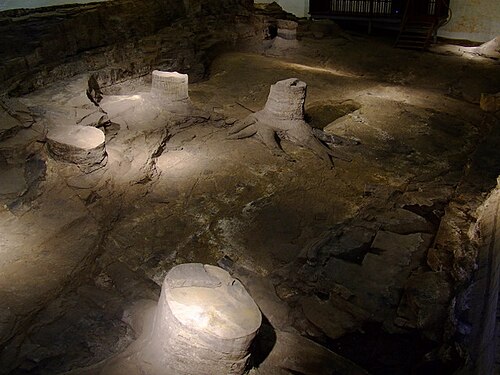
Victoria Park Fossil Grove preserves the remains of an ancient forest in Glasgow’s Victoria Park.
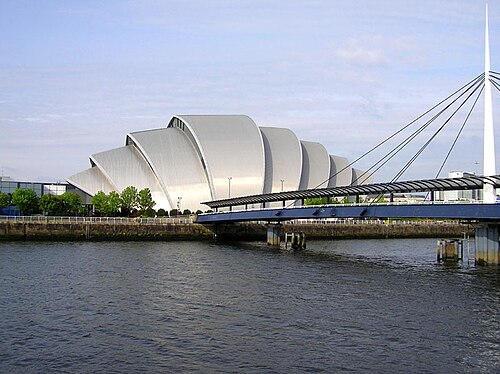
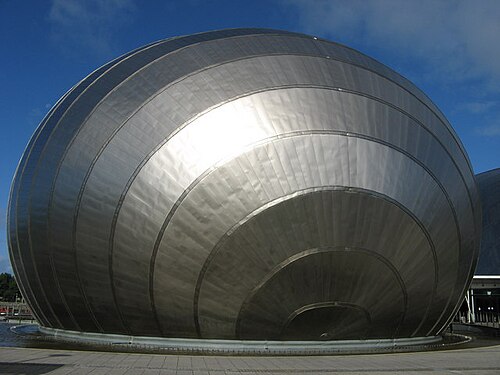
SEC Armadillo is a concert and performance venue on the north bank of the River Clyde in Glasgow. Its curved, shell-like exterior has become one of the city’s recognisable modern landmarks.
Al Furqan Mosque
Glasgow Al-Furqan Mosque is an active place of Islamic worship and a community centre serving local Muslim residents.
Glasgow City Free Church
St Vincent Street Church, locally known as Glasgow City Free Church, is a historic ecclesiastical building situated on St Vincent Street in Glasgow, Scotland.
St George's Tron Parish Church
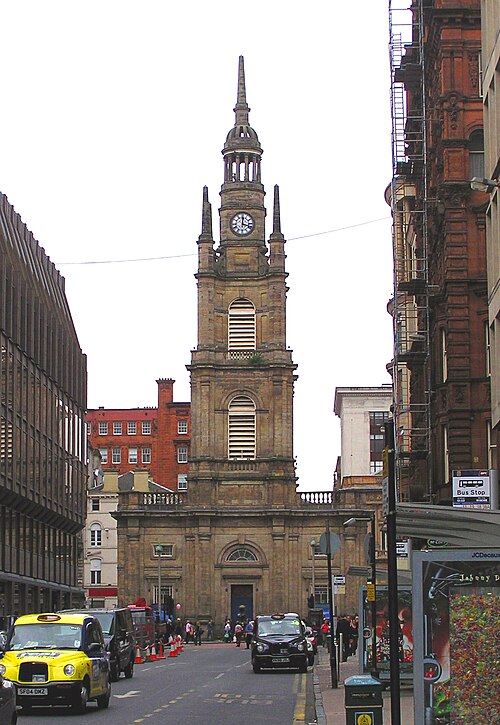
St George's-Tron Church, also known as St George's Tron Parish Church, stands at the junction of Buchanan Street and Nelson Mandela Place in central Glasgow.
The Mackintosh Church, Queen's Cross
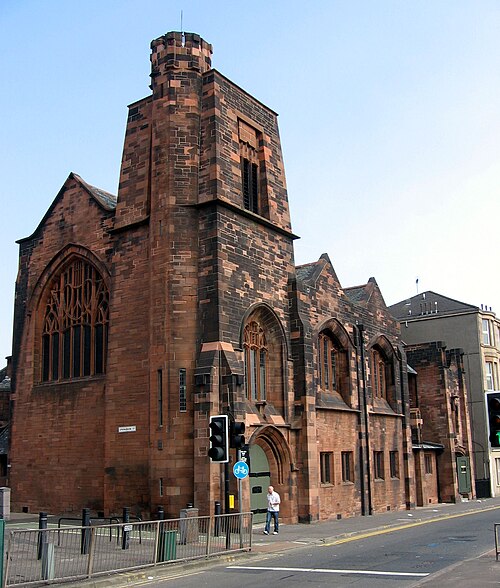
Queen's Cross Church, now widely known as The Mackintosh Church, is a former parish church in Glasgow designed by Charles Rennie Mackintosh.
The Museum of the Royal College of Physicians and Surgeons of Glasgow explores the history of medicine, surgery and pharmacy in the west of Scotland.
IMAX
Cineworld Cinema Glasgow IMAX @ GSC is a multiplex cinema at Pacific Quay on the south bank of the River Clyde.
The Grosvenor Cinema
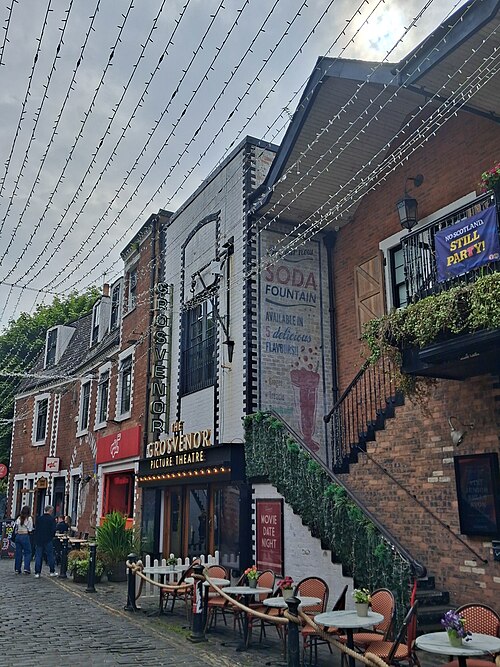
Grosvenor Cinema is a film venue in Glasgow, Scotland, where visitors can spend an evening watching a programme on a large screen in a dedicated cinema setting.
St Enoch Shopping Centre
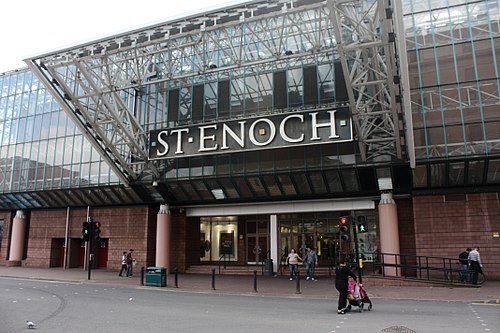
St. Enoch Centre is a shopping centre in central Glasgow, near St Enoch Square. It gives travellers a practical city-centre place for browsing shops, buying essentials, taking a break, or combining retail time with other urban attractions.
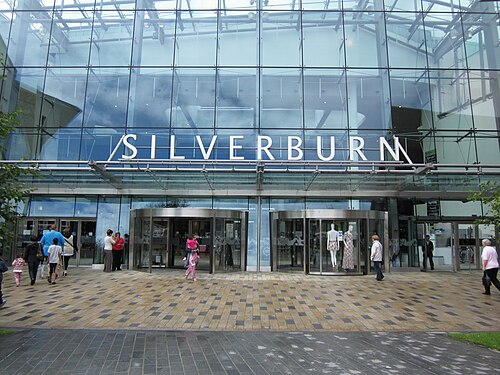
Silverburn Shopping Centre is a large retail and leisure destination in Glasgow’s southwest. It suits travellers who want substantial shopping time, a meal break, or an indoor activity away from the historic city centre.
Source: OpenStreetMap contributors, Wikidata ·
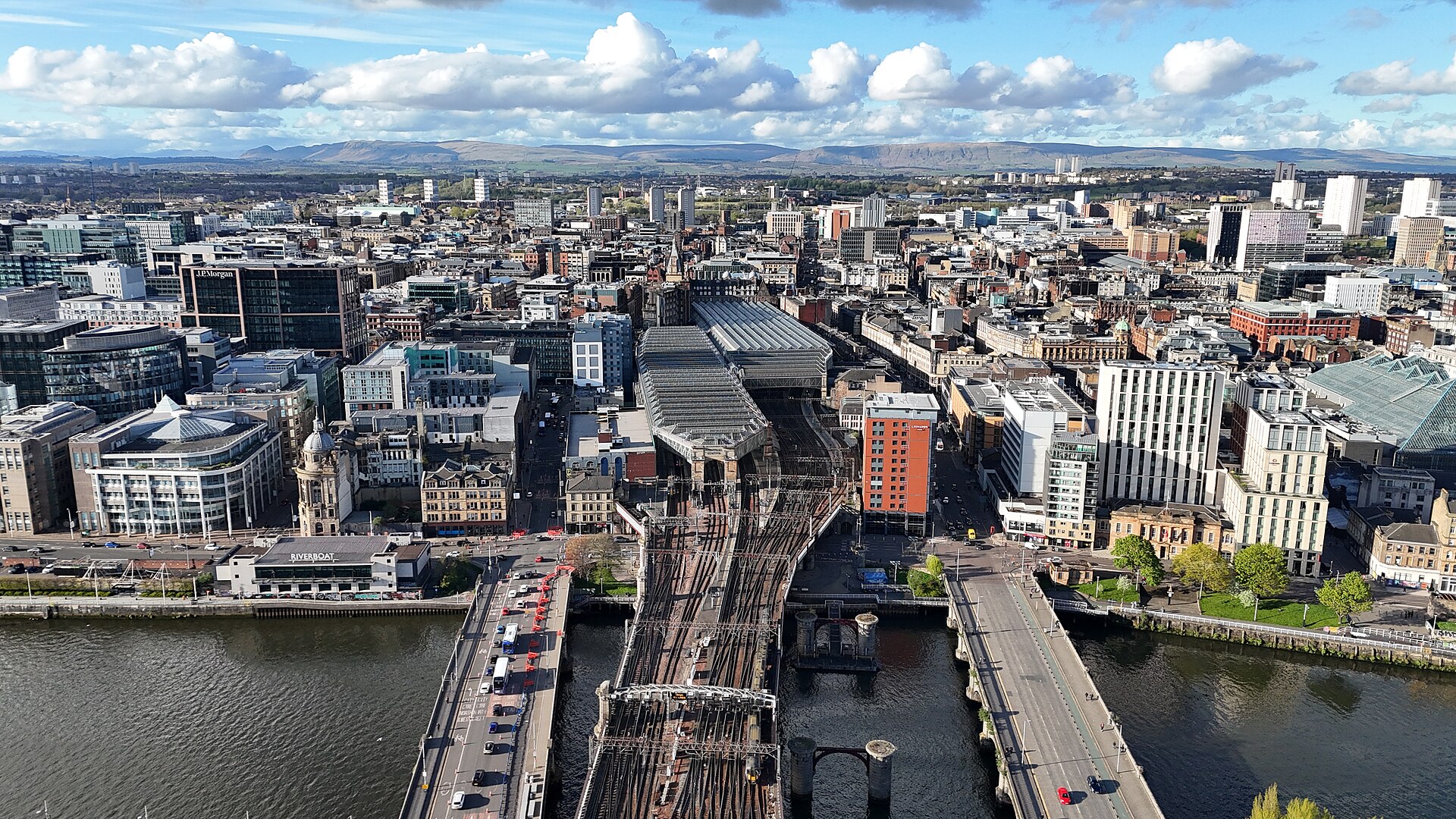
The city centre is a regular street grid between Glasgow Central and Queen Street stations, with Merchant City immediately east. The River Clyde forms the southern edge of the core and leads west toward the SEC and Riverside Museum. The West End clusters around the University of Glasgow, Kelvingrove and Byres Road. South of the river, Pollok Country Park and the Burrell Collection form another distinct outing. The compact Subway loop links the centre, West End and parts of the Southside.
Checked 2026-08-26
Walk through the city centre and Merchant City, then use the Subway, suburban trains or buses for the West End and Southside. Visit Glasgow identifies the Subway as a simple link among the centre, West End and south of the river, while rail reaches a much wider Greater Glasgow area. Central and Queen Street stations are separate but close enough to connect on foot. Check the operator journey planner before combining rail and Subway legs.
Checked 2026-08-26
Two to three days cover the principal districts. Use one day for the city centre and Merchant City, another for the West End, and add a third for the Southside or Clyde waterfront.
May through September provides longer daylight for architecture, parks and river routes. Rain is possible in every season, so museums work well as flexible anchors rather than fixed weather bets.
The city centre and Merchant City are easy to walk. The West End, Southside and farther Clyde attractions are better linked by Subway, train or bus.
The circular Subway links the city centre with the West End and parts of the Southside. It is useful for district-to-district travel but does not replace suburban rail or buses for every attraction.
Glasgow Central mainly serves routes south and west, while Queen Street mainly serves routes north and east. They are separate stations, so confirm the departure point before planning a connection.