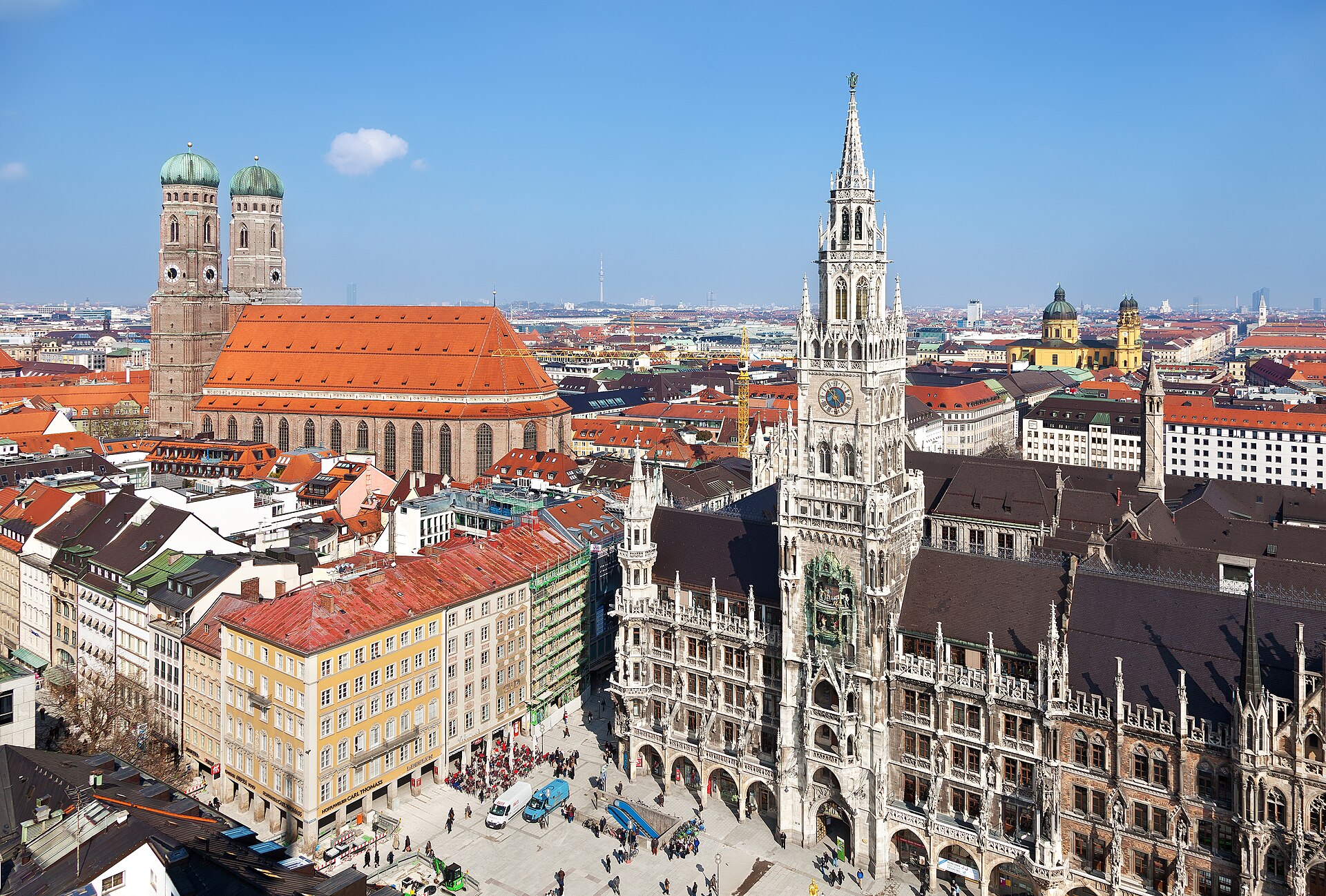
A photograph of Germany

Country guide

Germany

Germany runs from the Baltic and North Sea coasts in the north down to the Alps in the south, and its 16 states have kept enough separateness that the country r...

Photograph · Llez · CC BY-SA 3.0

21,822 Places
2Cities

Reviewed by Elena Voss · Roavina Travel Editor

Germany runs from the Baltic and North Sea coasts in the north down to the Alps in the south, and its 16 states have kept enough separateness that the country reads as a set of destinations rather than one. Over 83 million people live in them, more than any other European Union member. Berlin is the capital and the largest single city, Frankfurt is the financial centre, and the largest urban area is neither - it is the Ruhr, a belt of western towns that have grown into each other. Choosing between the Bavarian south, the Rhine, the Hanseatic north and the eastern cities is the actual planning decision; the distances are short and the places are not variations on one another.

Checked 2026-08-25

Cities

Every city catalogued in this country so far, ranked by how much there is to see.

Practical information

Language spoken
German
National practical orientation; regional and minority languages may also be used
Dialling code
+49
International calling code; local area and mobile prefixes still apply
Currency
Euro (EUR)
Use the official local currency; card acceptance varies by place
Emergency number
112 medical/fire · 110 police
Use only for an emergency; tourist assistance may use a separate number
Plug type
Type C and F · 230 V
Check that chargers support the recorded voltage before using an adapter
Tap water
Safe from the mains
Public drinking water is regulated under national drinking-water rules

Top things to see

Ranked by importance — sitelinks, pageviews and heritage status, not editor preference.

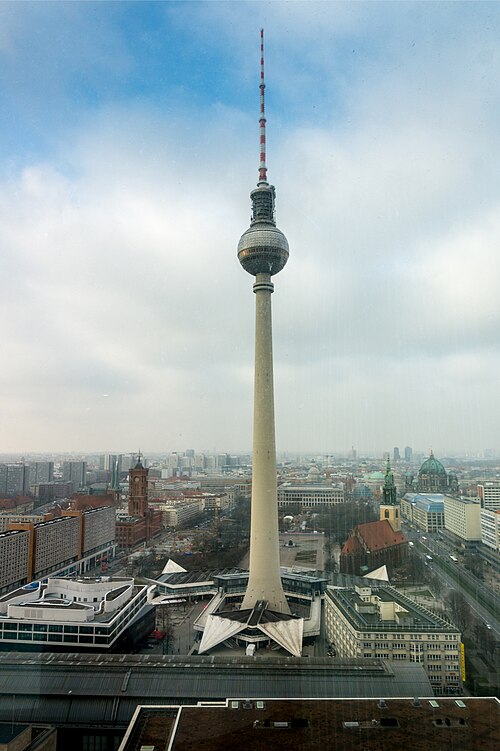
  1. Fernsehturm Berlin Fernsehturm Berlin
    02 1 hour

    Fernsehturm Berlin

    Berliner Fernsehturm

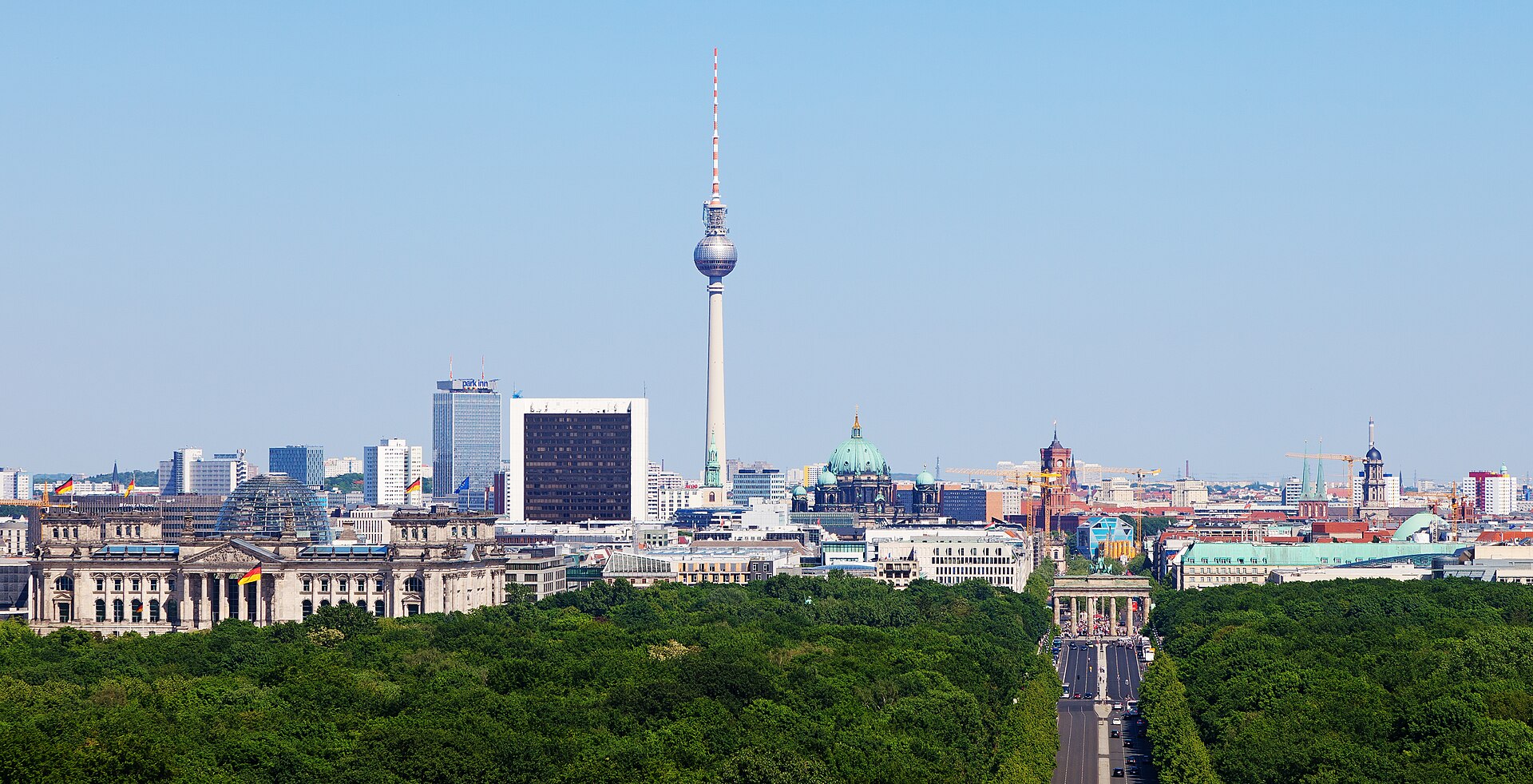
    Fernsehturm Berlin is the 368-metre television tower at Alexanderplatz, built in the German Democratic Republic and now used as a city observation attraction. High-speed lifts carry admitted visitors to the observation deck and rotating Sphere restaurant.

    • Must see
    • Historic site
    • Berlin
  2. Museum Island Museum Island
    03 4 hours

    Museum Island

    Museumsinsel

    Museum Island is Berlin’s UNESCO-listed ensemble of State Museums between the Spree and Lustgarten. It includes Altes Museum, Neues Museum, Alte Nationalgalerie, Bode-Museum, Pergamonmuseum and the James-Simon-Galerie entrance and service building.

    • Must see
    • Historic site
    • Berlin
  3. Brandenburg Gate Brandenburg Gate
    04 45 min

    Brandenburg Gate

    Brandenburger Tor

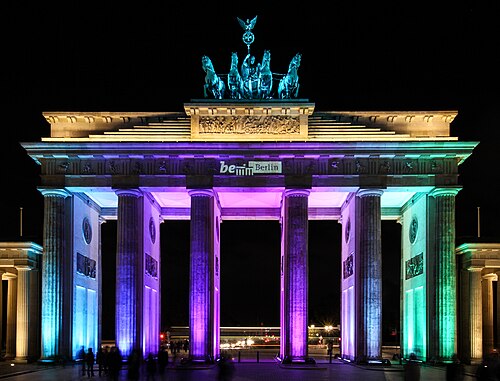
    The Brandenburg Gate is an 18th-century neoclassical monument in Berlin, Germany. Commissioned by King Frederick William II of Prussia, it was completed in 1791 based on designs by Carl Gotthard Langhans.

    • Must see
    • Historic site
    • Berlin
  4. Pergamon Museum Pergamon Museum
    05 1 hr 30 min

    Pergamon Museum

    Pergamonmuseum

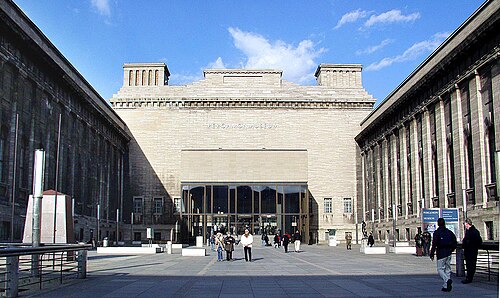
    Pergamon Museum, also known locally as Pergamonmuseum, is one of Berlin’s major archaeological museums on Museum Island. Its defining experience is the presentation of monumental ancient architecture reconstructed at an extraordinary scale inside the museum.

    • Must see
    • Museum
    • Berlin
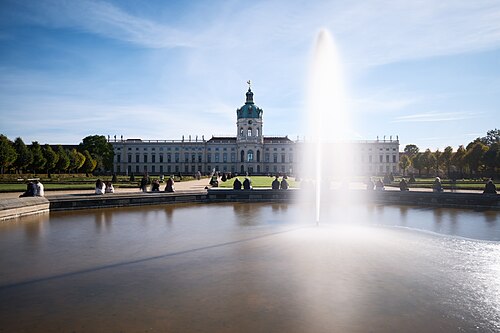
  5. Charlottenburg Palace Charlottenburg Palace
    06 45 min

    Charlottenburg Palace

    Schloss Charlottenburg

    Charlottenburg Palace, known locally as Schloss Charlottenburg, stands as the largest and most significant palace complex in Berlin.

    • Must see
    • Historic site
    • Berlin
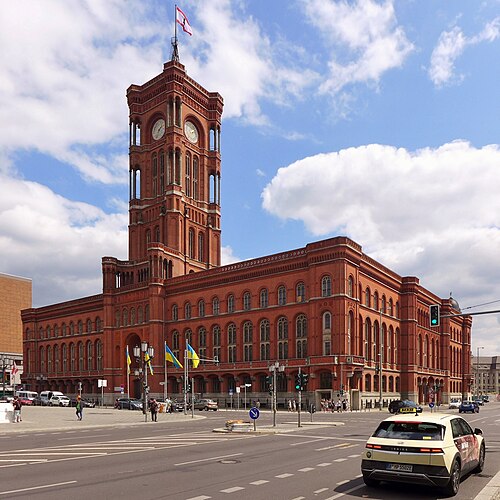
  6. Rotes Rathaus Rotes Rathaus
    07 45 min

    Rotes Rathaus

    The Rotes Rathaus is the historic city hall of Berlin, serving as the seat of the Governing Mayor and the Senate of Berlin.

    • Must see
    • Historic site
    • Berlin
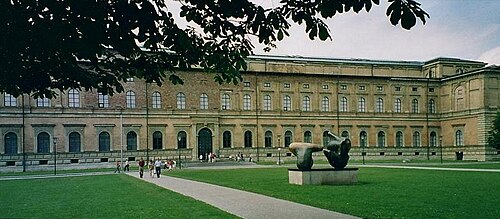
  7. Alte Pinakothek Alte Pinakothek
    08 2 hours

    Alte Pinakothek

    The Alte Pinakothek is Munich's museum for European Old Masters, with paintings that take a visitor across schools and centuries rather than a single artist.

    • Must see
    • Museum
    • Munich
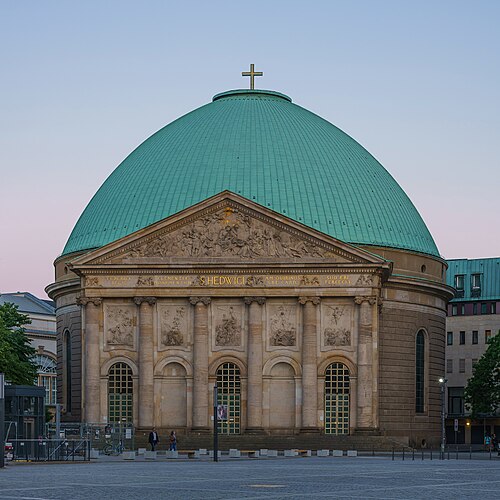
  8. St. Hedwig's Cathedral St. Hedwig's Cathedral
    09 45 min

    St. Hedwig's Cathedral

    St. Hedwigs-Kathedrale Berlin

    St. Hedwig’s Cathedral, locally known as St. Hedwigs-Kathedrale Berlin, is a Catholic cathedral near Bebelplatz in Berlin’s Mitte district.

    • Must see
    • Historic site
    • Berlin
  9. Englischer Garten Englischer Garten
    10 2 hours

    Englischer Garten

    The Englischer Garten is a public park five and a half kilometres long that runs north from the edge of Munich's old city into open countryside, and it is administered by the Bavarian Palace Administration rather than by the city.

    • Must see
    • Nature site
    • Munich
  10. Glyptothek Glyptothek
    11 1 hr 30 min

    Glyptothek

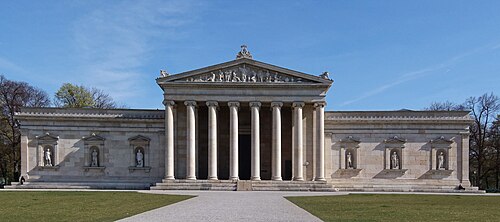
    The Glyptothek occupies the north side of Königsplatz and is Munich's oldest public museum; its operator describes it as the only museum in the world devoted exclusively to ancient sculpture.

    • Must see
    • Museum
    • Munich
  11. New Town Hall New Town Hall
    12 1 hour

    New Town Hall

    Neues Rathaus

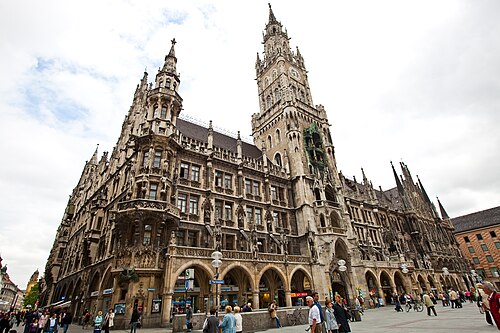
    The Neues Rathaus fills the whole north side of Marienplatz and is a working building rather than a monument: the mayor, the city council and part of Munich's administration sit here, and the city counts more than 600 staff across…

    • Must see
    • Historic site
    • Munich
  12. Munich Residence Munich Residence
    13 3 hours

    Munich Residence

    Residenz

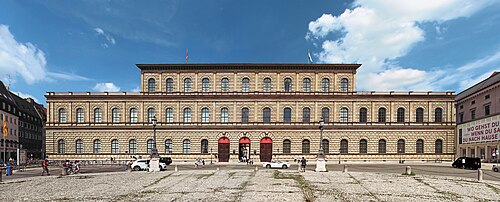
    The Munich Residence was the seat of government and the home of Bavaria's dukes, electors and kings from 1508 until the monarchy ended in 1918.

    • Must see
    • Historic site
    • Munich
  13. Oktoberfest Oktoberfest
    14 4 hours

    Oktoberfest

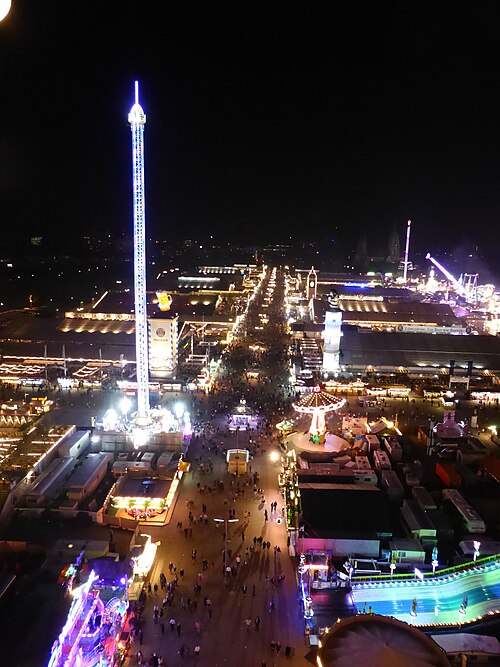
    Oktoberfest is Munich’s city festival on the Theresienwiese, a short walk from the old town in Ludwigsvorstadt-Isarvorstadt.

    • Must see
    • Historic site
    • Munich
  14. Theatine Church Theatine Church
    15 45 min

    Theatine Church

    Theatinerkirche St. Kajetan

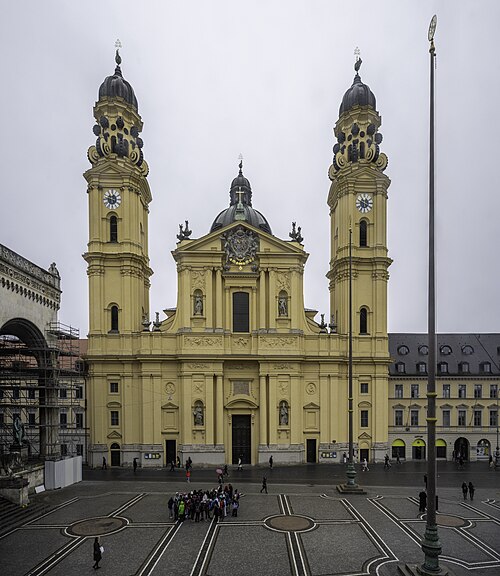
    Theatine Church of St. Cajetan is a prominent Catholic church beside Odeonsplatz in central Munich. Built in the Italian Baroque style during the seventeenth century, it is recognised by its pale yellow facade, monumental proportions, and ornate interior.

    • Must see
    • Historic site
    • Munich
  15. Siegessäule Siegessäule
    16 45 min

    Siegessäule

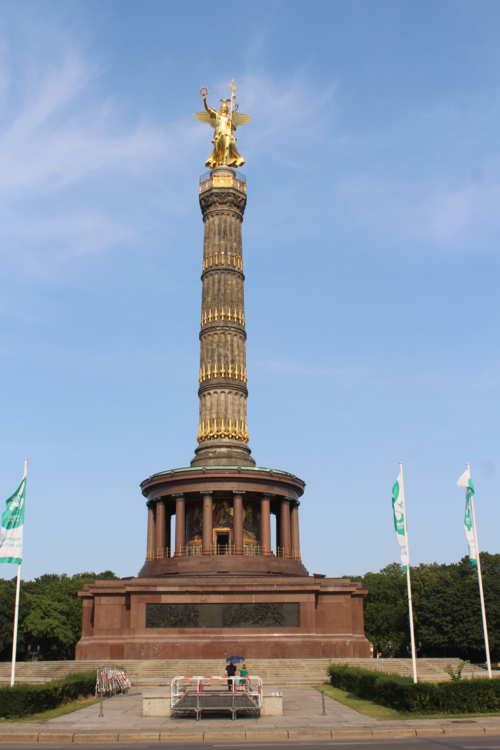
    The Siegessäule, or Victory Column, stands in Berlin's Tiergarten park. Erected in the 1870s to commemorate Prussian military victories, the monument features a gilded bronze statue of Victoria at its summit.

    • Must see
    • Historic site
    • Berlin
  16. Berlin-Tempelhof Airport Berlin-Tempelhof Airport
    17 45 min

    Berlin-Tempelhof Airport

    Ehemaliger Flughafen Berlin-Tempelhof

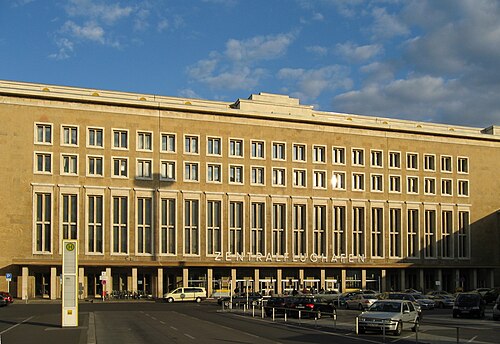
    Berlin-Tempelhof Airport is a former airport whose immense terminal and airfield now form a public park and event landscape. Flights ended in 2008, leaving behind a place where aviation history and everyday city life meet.

    • Must see
    • Historic site
    • Berlin
  17. Neues Museum Neues Museum
    18 1 hr 30 min

    Neues Museum

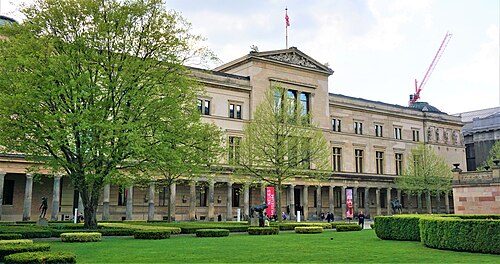
    The Neues Museum is a museum building on Museum Island in Berlin, Germany. It was constructed between 1843 and 1855 according to plans by Friedrich August Stüler.

    • Must see
    • Museum
    • Berlin
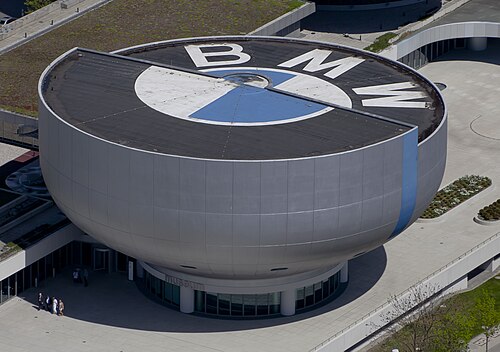
  18. BMW Museum BMW Museum
    19 1 hr 30 min

    BMW Museum

    The BMW Museum is a corporate museum dedicated to the history and heritage of Bayerische Motoren Werke AG, the Munich-based automobile and motorcycle manufacturer.

    • Must see
    • Museum
    • Munich
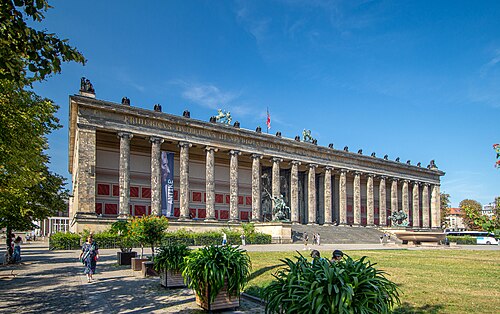
  19. Altes Museum Altes Museum
    20 1 hr 30 min

    Altes Museum

    Altes Museum is a neoclassical museum on Berlin’s Museum Island and one of the most important buildings in the city’s historic centre. Karl Friedrich Schinkel designed the building, which opened in 1830 for the Prussian royal collection of classical antiquities.

    • Must see
    • Museum
    • Berlin
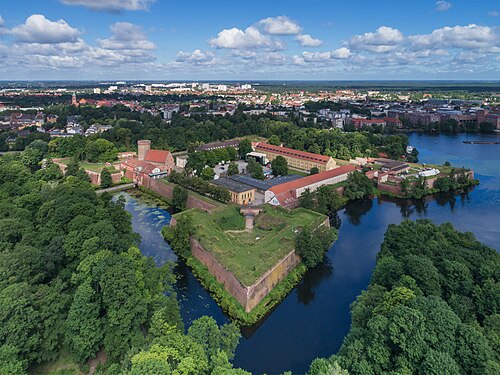
  20. Spandau Citadel Spandau Citadel
    21 45 min

    Spandau Citadel

    Zitadelle Spandau

    The Spandau Citadel, known locally as Zitadelle Spandau, is a fortress complex in Berlin's Spandau district. Constructed in the 16th century on the site of earlier medieval fortifications, it represents one of Europe's best-preserved Renaissance military structures.

    • Must see
    • Historic site
    • Berlin
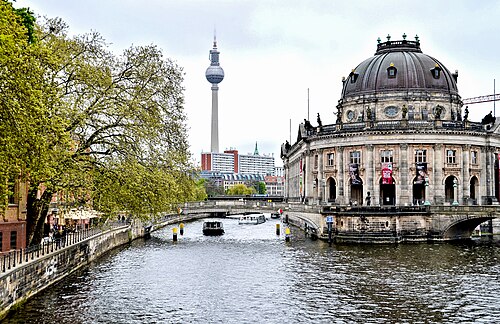
  21. Bode Museum Bode Museum
    22 1 hr 30 min

    Bode Museum

    Bode-Museum

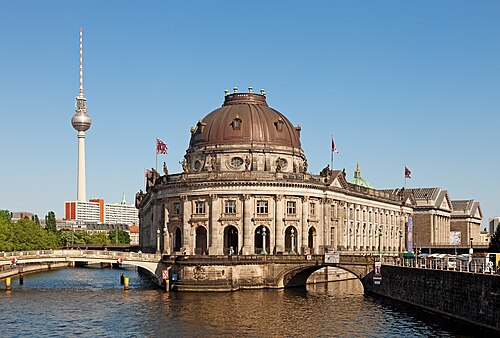
    The Bode-Museum stands on the northern tip of Museum Island in Berlin, its domed structure visible across the Spree river. Opened in 1904 and originally named the Kaiser-Friedrich-Museum, it was renamed in 1956 after its first director, Wilhelm von Bode.

    • Must see
    • Museum
    • Berlin
  22. Hofgarten (München) Hofgarten (München)
    23 45 min

    Hofgarten (München)

    Hofgarten

    Hofgarten is a formal garden in central Munich, located adjacent to the Residenz palace complex. The garden was originally laid out in the early 17th century as a Renaissance-style court garden for the Bavarian rulers.

    • Must see
    • Historic site
    • Munich
  23. Olympiaturm Olympiaturm
    24 20 min

    Olympiaturm

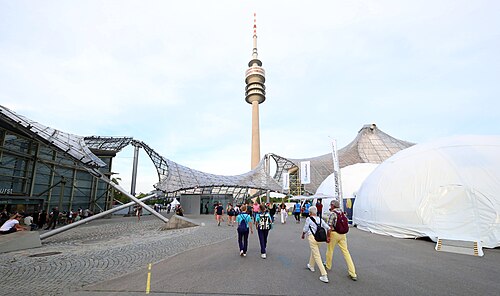
    The Olympic Tower is shut. Olympiapark München GmbH closed it on 1 June 2024 for renovation, and it had not reopened when this page was checked on 26 August 2026, so nothing described here can be entered today.

    • Must see
    • Historic site
    • Munich
  24. Alte Nationalgalerie Alte Nationalgalerie
    25 1 hr 30 min

    Alte Nationalgalerie

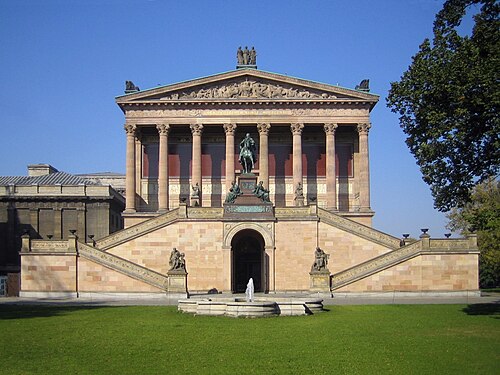
    The Alte Nationalgalerie is a prominent art museum on Berlin's Museum Island, a UNESCO World Heritage site. Its neoclassical temple design, completed in 1876, houses nineteenth-century paintings and sculptures.

    • Must see
    • Museum
    • Berlin

Source: OpenStreetMap contributors, Wikidata ·

Common questions

How long should a first trip to Germany be?

Seven to ten days works for Berlin plus one connected region, or for a focused Rhine, Bavaria or northern-city route. Germany’s rail network makes multi-city travel practical, but changing bases every night still reduces useful time.

What entry documents are needed for Germany?

Germany’s Federal Foreign Office is the official visa reference. Review its nationality-specific entry rules and the Schengen application guidance for the passport and route being used.

What is the best way to travel around Germany?

Intercity and high-speed trains connect Germany’s major cities, with regional services completing shorter journeys. Deutsche Bahn publishes the integrated timetable; airport choice should follow the route rather than defaulting to one national gateway.

When is a practical time to visit Germany?

May through September favours outdoor city and countryside travel, while December has a distinct seasonal-market pattern. Alpine, North Sea and urban conditions differ enough that the intended region should determine clothing and reservations.

What money and payment basics apply in Germany?

Germany uses the euro (EUR). Cash and card practices are not stated as a single national rule in the cited source, so travellers should carry a backup and check the payment method before ordering or boarding.

What practical safety details should I save for Germany?

For Germany, 112 reaches medical and fire services and 110 reaches police. Type C and F plugs use 230 V, and mains tap water is recorded as safe.