Sensō-ji Temple
金龍山 浅草寺
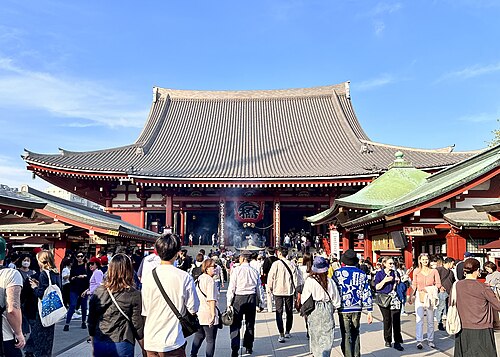
Sensō-ji is a historic Buddhist temple located in the Asakusa district of Tokyo. It is widely recognized as the city's oldest temple, with origins traditionally traced to the seventh century.
- Must see
- Place of worship
City guide · Japan
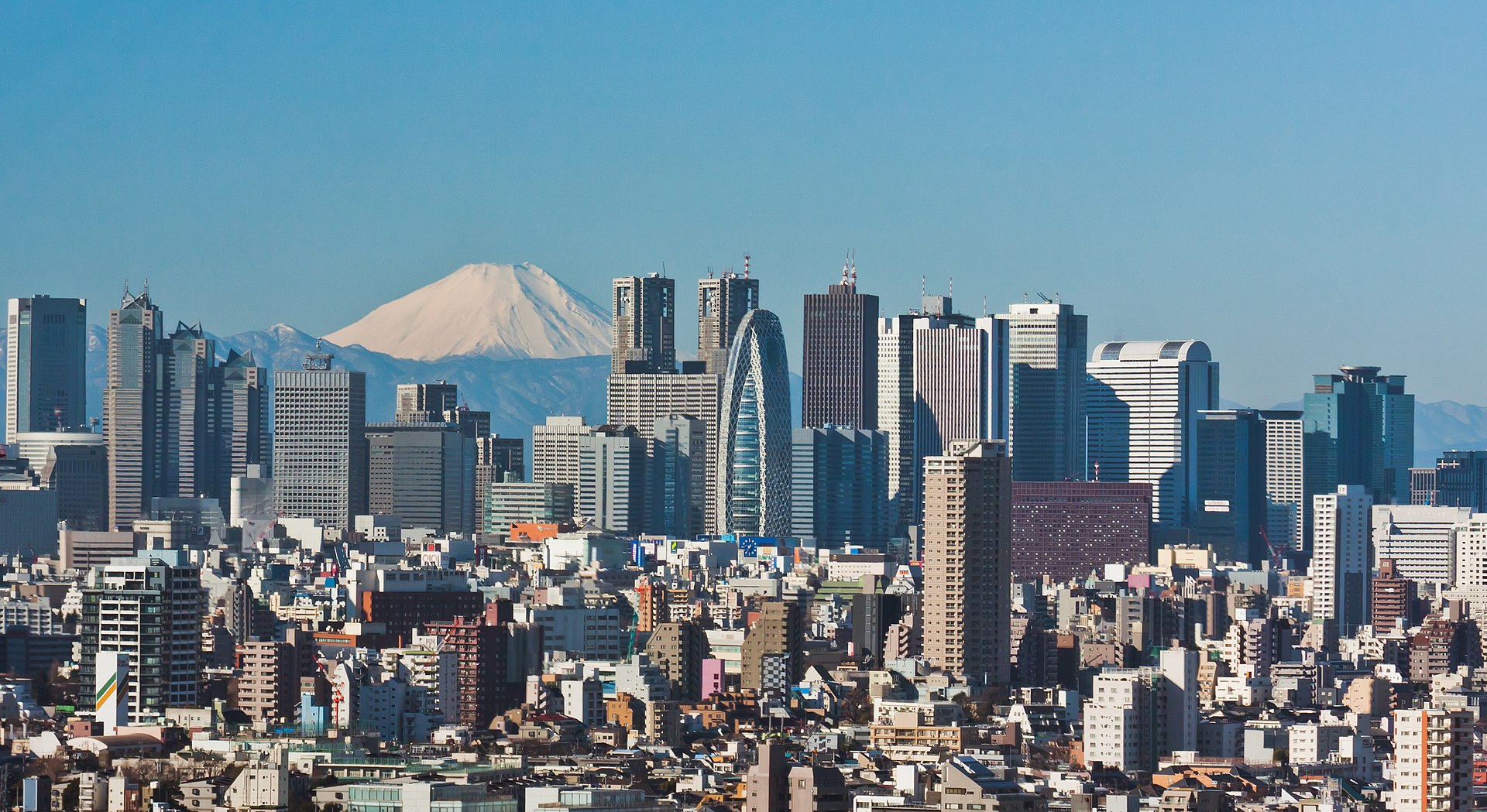
Tokyo is a network of major station districts rather than a single centre. Historic Asakusa and Ueno, commercial Ginza and Marunouchi, and the western hubs of S...
Photograph · Morio · CC BY-SA 3.0
Set your days, your pace and the hours you actually want to be out. The planner works around closing days and travel time, and leaves room to eat.
Editorial responsibility: Elena Voss · Roavina Travel Editor
Tokyo is a network of major station districts rather than a single centre. Historic Asakusa and Ueno, commercial Ginza and Marunouchi, and the western hubs of Shinjuku and Shibuya each work as separate sightseeing clusters. Rail makes movement reliable, but large stations and cross-city transfers consume time. A good itinerary stays on one side of the city for half a day and uses the Yamanote loop, subway lines and through-running rail services to connect clusters.
Checked 2026-08-26
November · November in Tokyo has mean high 16.7°C, mean low 8.8°C, rainfall 96.3 mm, 7.4 rain days. Comfortable daytime temperatures give Tokyo a strong walking and garden-sightseeing window. November visitors can plan longer days outside in Tokyo with relatively little weather friction.
Ranked by importance — sitelinks, pageviews and heritage status, not editor preference.
101 places match
Category
Typical visit duration
Good for
Interests
金龍山 浅草寺
Sensō-ji is a historic Buddhist temple located in the Asakusa district of Tokyo. It is widely recognized as the city's oldest temple, with origins traditionally traced to the seventh century.
明治神宮
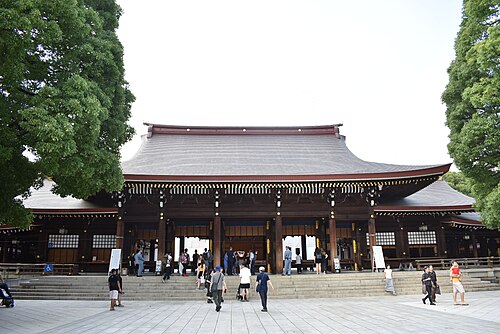
Meiji Jingū is a living Shinto shrine in Tokyo's Shibuya ward, dedicated to Emperor Meiji and Empress Shōken. It was completed in 1920, after trees were donated from across Japan to create a planned, self-renewing forest around the sacred buildings.
皇居
The Imperial Palace in Tokyo has served as the residential palace of successive Emperors since 1868.
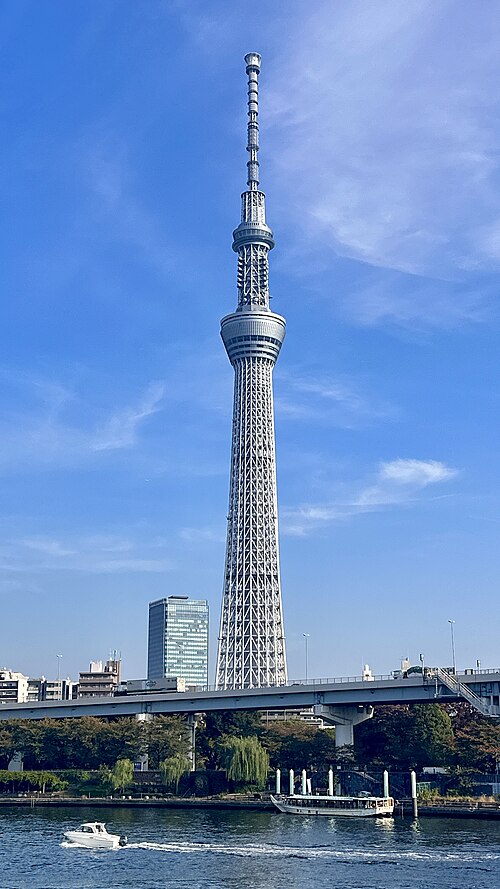
東京スカイツリー
Tokyo Skytree is a broadcasting and observation tower in Sumida, Tokyo. It serves as the primary structure for digital terrestrial television broadcasting in the Kantō region.
渋谷スクランブル交差点
Shibuya Scramble Crossing is a major pedestrian intersection located in front of Shibuya Station in Tokyo. It is widely recognized as one of the busiest crossings globally, with multiple large digital screens mounted on surrounding buildings.
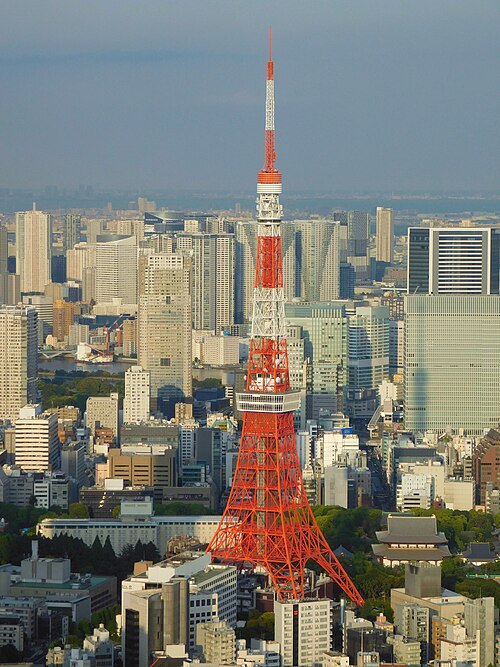
東京タワー
Tokyo Tower is a communications and observation tower located in the Minato ward of Tokyo. The structure serves as a broadcasting antenna for television and radio signals.
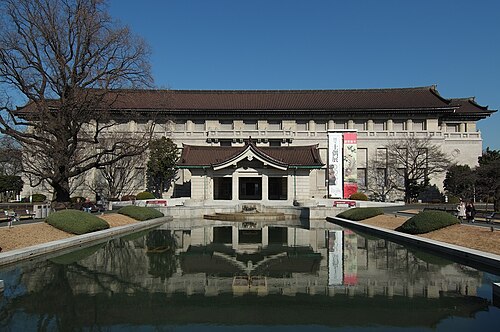
東京国立博物館
Tokyo National Museum stands as Japan's oldest and largest museum. Established in 1872, it occupies grounds within Ueno Park in the Taito ward.
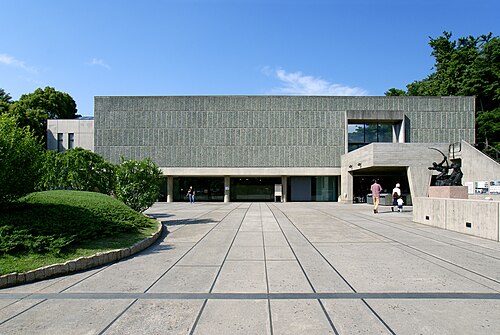
国立西洋美術館
The National Museum of Western Art, known in Japanese as 国立西洋美術館, is an art museum in Tokyo dedicated to Western art. It is located in Ueno Park, a cultural district in the northern part of central Tokyo.
上野公園
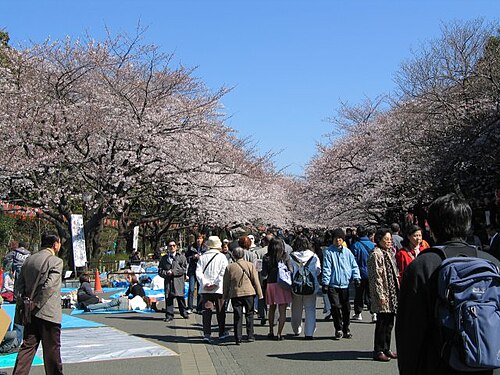
Ueno Park, known locally as Ueno Onshi Koen, is a major public park in Tokyo. It occupies a significant area in the Taito ward and serves as one of the city's most prominent green spaces.
新宿御苑
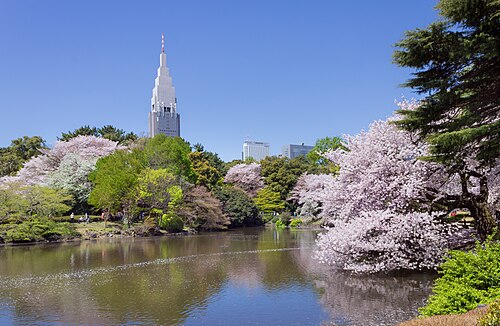
Shinjuku Gyoen National Garden is a large park and garden in Shinjuku, Tokyo. The local name is 新宿御苑. It occupies a significant area in one of Tokyo's busiest districts.
皇居東御苑
The Imperial Palace East Gardens are the freely accessible eastern grounds of Tokyo's Imperial Palace, laid out over parts of Edo Castle's former Honmaru, Ninomaru and Sannomaru areas.
築地場外市場
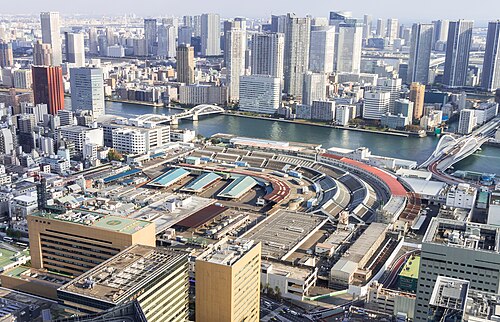
Tsukiji Outer Market is a public commercial district adjacent to the former site of the Tsukiji wholesale fish market.
浜離宮恩賜庭園
Hamarikyu Gardens is a public garden in central Tokyo, located at the mouth of the Sumida River where it meets Tokyo Bay.
仲見世商店街
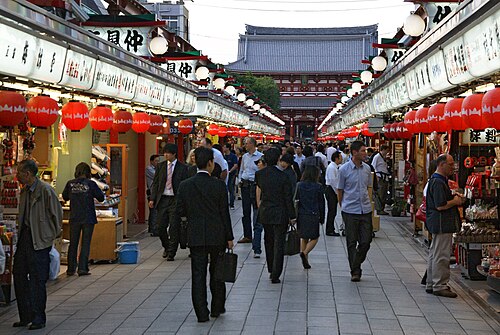
Nakamise is the merchant approach to Sensō-ji, running about 250 metres from Kaminarimon to Hōzōmon in Tokyo's Asakusa district. It is a shopping street on the way to a working temple, not a ticketed museum or the temple's main hall.
秋葉原
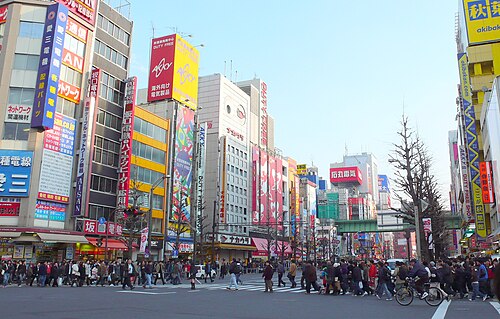
Akihabara is a district in central Tokyo known for electronics retail and otaku culture. The area developed from a post-war black market for radio parts into a major commercial hub.
銀座
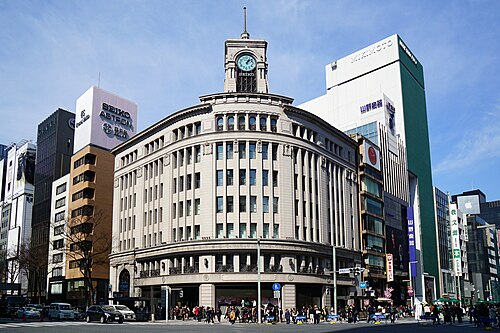
Ginza is a prominent upscale shopping and entertainment district in central Tokyo, Japan. Its local name is 銀座. The area developed significantly following the Meiji Restoration and became a symbol of Japanese modernization and Western influence.
原宿
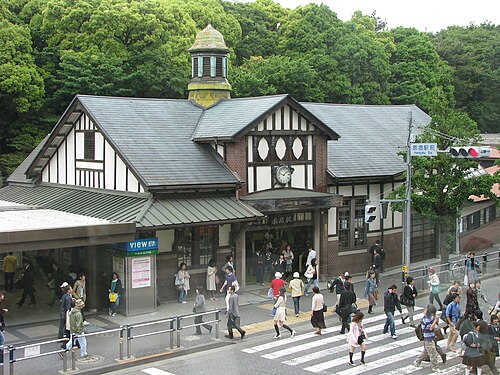
Harajuku is a district in Shibuya, Tokyo, internationally recognised for its youth culture, street fashion, and distinctive subcultural expressions.
Takeshita Street is a narrow pedestrian shopping street in Harajuku, running from the area beside Harajuku Station toward the northern end of Omotesando. The street is known for youth fashion, accessories, cosmetics, novelty goods, crepes and quick-service food.
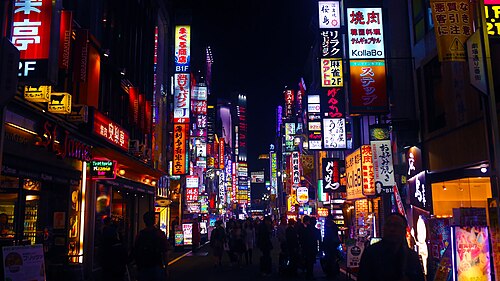
歌舞伎町
Kabukichō is Shinjuku’s dense entertainment district, occupying the area northeast of Shinjuku Station. The neighborhood combines restaurants, bars, karaoke, cinemas, pachinko halls, hotels and adult-oriented businesses in a compact grid of bright signs and narrow streets.
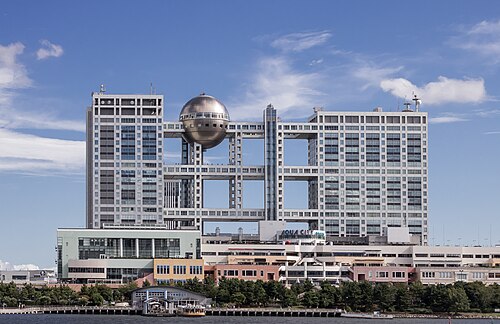
お台場
Odaiba is a large artificial island in Tokyo Bay, originally developed for defensive purposes in the 1850s and later transformed into a major commercial and leisure district during the late 20th century.
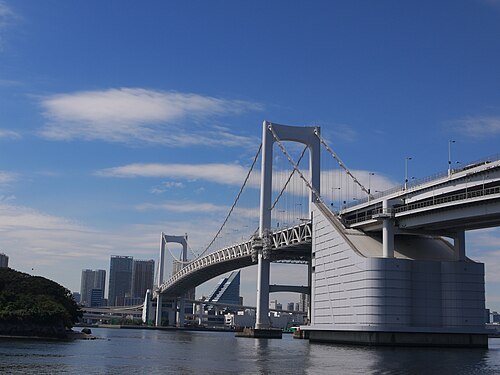
レインボーブリッジ
Rainbow Bridge is the suspension bridge linking Shibaura on the Tokyo mainland with Odaiba across Tokyo Bay. The structure carries road traffic, the Yurikamome automated transit line and pedestrian walkways, making it both working infrastructure and a major waterfront landmark.
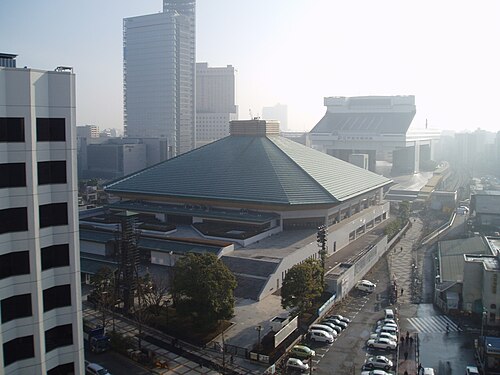
両国国技館
Ryōgoku Kokugikan is the principal indoor arena for professional sumo wrestling in Tokyo, located in the Ryōgoku district. The facility serves as headquarters for the Japan Sumo Association and hosts three of the six annual honbasho tournaments.
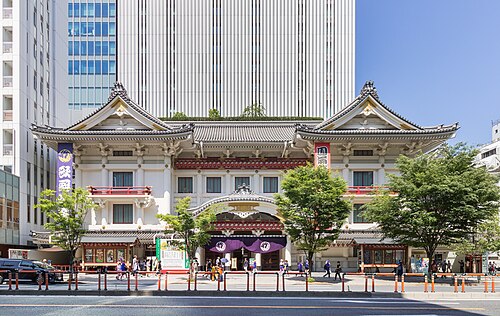
歌舞伎座
Kabuki-za is the principal kabuki theatre in Tokyo and the most important venue for this classical Japanese performing art form. Located in the Ginza district, it has served as the cultural heart of kabuki since its original construction in 1889.
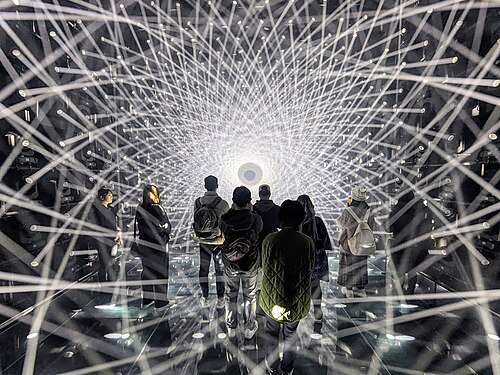
teamLab Borderless Museum
teamLab Borderless is a digital art museum in Tokyo created by the interdisciplinary art collective teamLab. The permanent installation occupies a substantial indoor space and presents immersive artworks that dissolve boundaries between visitor and art, and between individual works.
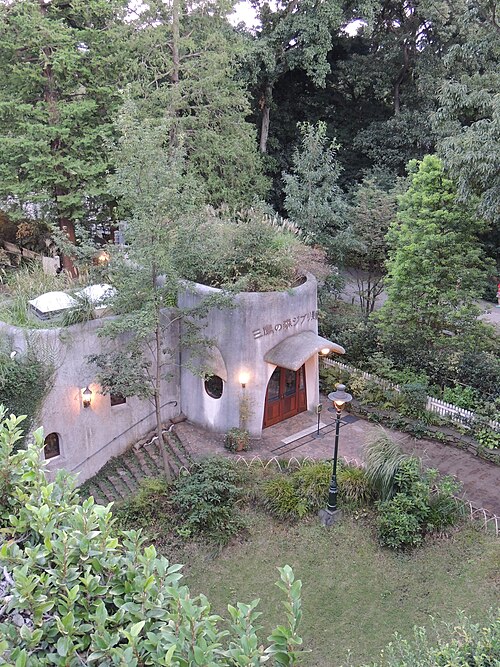
三鷹の森ジブリ美術館
The Ghibli Museum is a museum dedicated to the animated works of Studio Ghibli, the renowned Japanese animation studio founded by Hayao Miyazaki and Isao Takahata.
Central Tokyo is easiest to understand as an east-west sequence. Asakusa, Ueno and Yanaka carry much of the older city; Tokyo Station, Marunouchi, Nihonbashi and Ginza form the central business and shopping core; Shibuya, Harajuku and Shinjuku anchor the west. Roppongi and Akasaka sit between those spines, while Odaiba lies across the bay. The wider metropolis extends well beyond the central wards, so Mt Takao, western Tokyo and island destinations belong to separate day plans rather than a central-city route.
Checked 2026-08-26
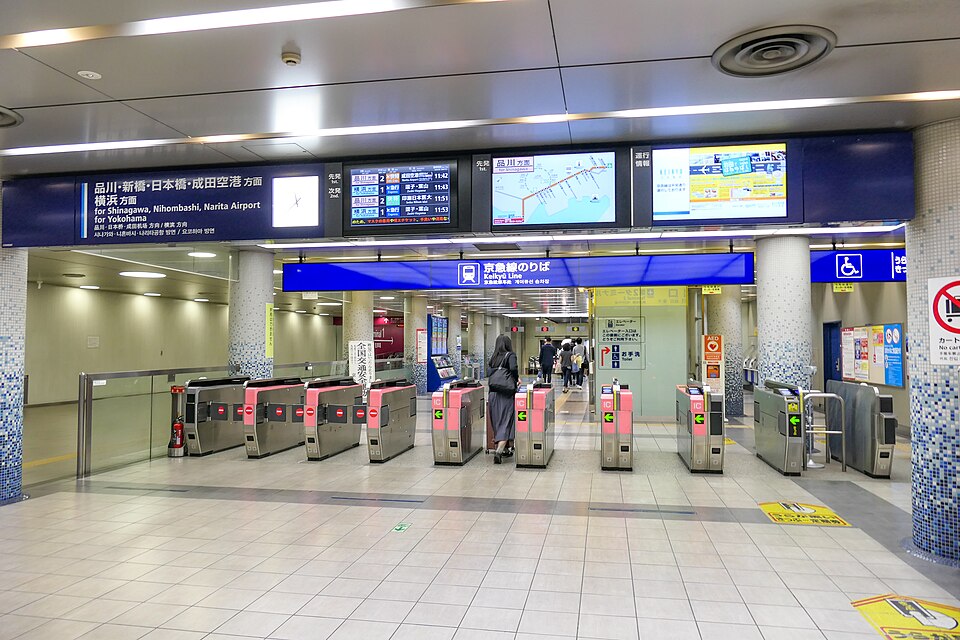
Use rail for nearly every cross-city journey. Tokyo Metro operates nine lines and Toei operates four subway lines, alongside JR and private railways; a rechargeable IC card removes most ticketing friction across operators. The subway alone covers more than 280 stations, but JR passes do not cover Tokyo Metro or Toei services. Trains generally stop around midnight, so late-night plans need a route check. Inside a district, walking is usually faster than making a one-stop transfer through a very large station.
Checked 2026-08-26
Suggested stay for a first visit: 5–6 days. Use five days for the main eastern, central and western Tokyo areas and chosen museums. A sixth day gives another Tokyo district more room; a trip outside the city needs separate time.
Spring and autumn usually give the most comfortable walking weather. Peak blossom and foliage periods can be crowded, so the broader March-May and October-November windows are more useful than targeting one forecasted week.
Usually not. A rechargeable IC card is simpler because Tokyo journeys may involve JR, Tokyo Metro, Toei and private railways. A JR pass does not cover the two subway operators.
No. The official Tokyo guide notes that last trains are commonly between about 23:30 and 00:30, with first services around 05:00. Check the final connection before a late evening across town.
Pair Asakusa with Ueno, Marunouchi with Ginza, and Shibuya with Harajuku. Shinjuku can fill its own half day. Grouping nearby station districts reduces transfers through large hubs.