
3 min walk
Takeshita Street
- High
- Historic monument
Language · 11 published
Activity · Tokyo
原宿
Reviewed by Elena Voss · Roavina Travel Editor
| Monday | 00:00 – 23:59 |
|---|---|
| Tuesday | 00:00 – 23:59 |
| Wednesday | 00:00 – 23:59 |
| Thursday | 00:00 – 23:59 |
| Friday | 00:00 – 23:59 |
| Saturday | 00:00 – 23:59 |
| Sunday | 00:00 – 23:59 |
Checked 2026-08-31 · Source
Read from the OpenStreetMap access tags; anything not listed has no tag recorded.
Set the group type to family in the planner and the day window contracts to about three quarters of a solo day.
Harajuku is a district in Shibuya, Tokyo, internationally recognised for its youth culture, street fashion, and distinctive subcultural expressions. The area encompasses Takeshita Street and adjacent neighbourhoods, serving as a commercial and cultural zone where independent boutiques, vintage shops, and food vendors concentrate. It functions as both a retail destination and a visible stage for fashion subcultures that have drawn global media attention. The district sits between Shibuya and Shinjuku, occupying a position within central Tokyo's urban fabric that has historically attracted younger demographics and creative industries.
Checked 2026-08-31 · Source
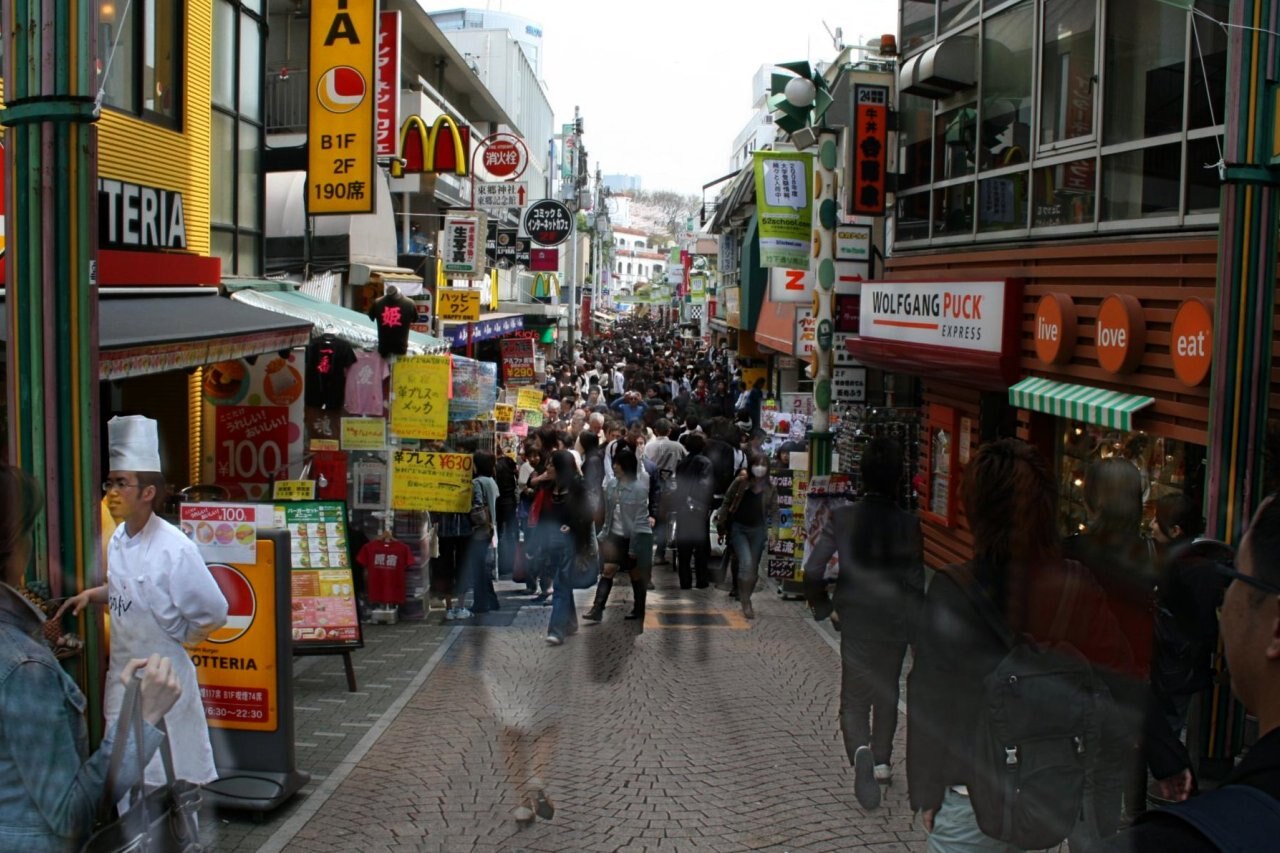
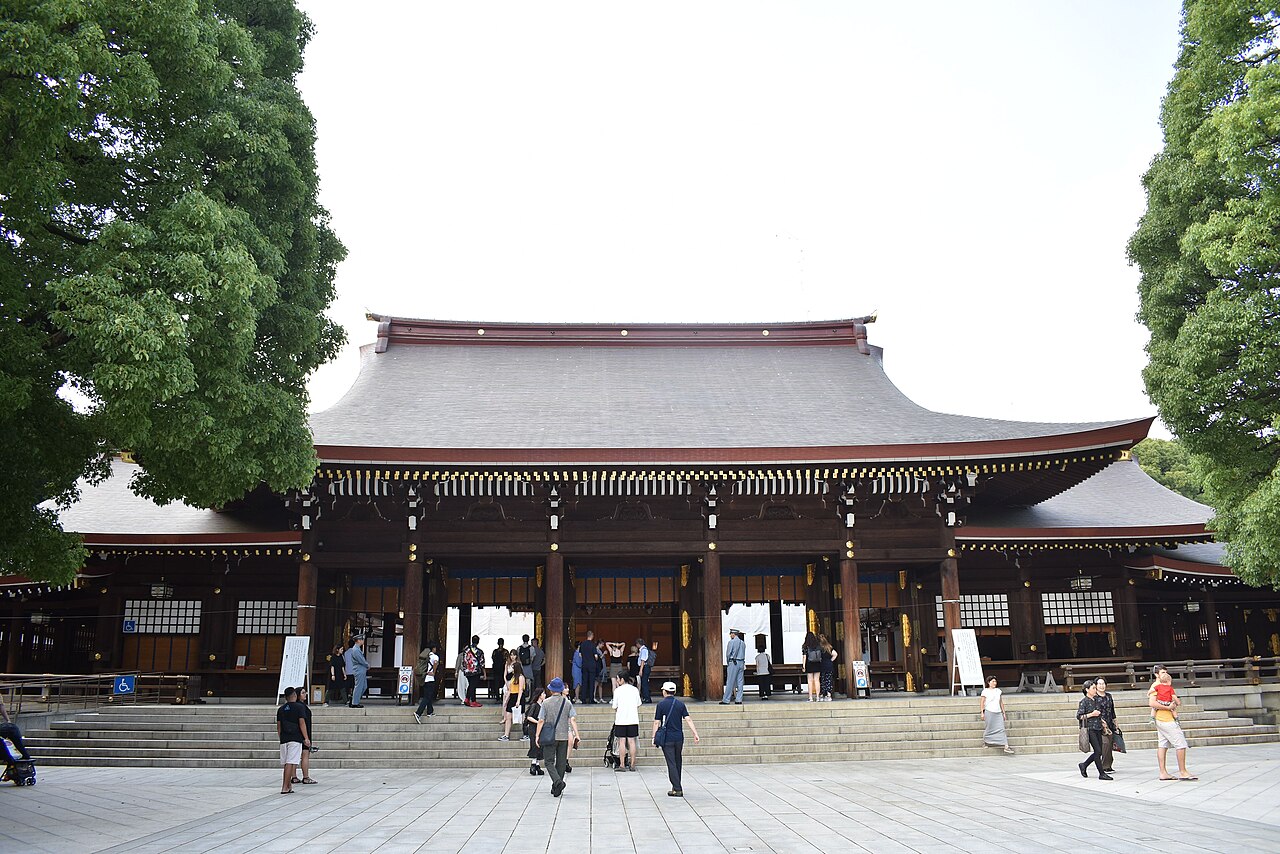
Takeshita Street forms the dense commercial core, lined with small shops selling clothing, accessories, and snacks. Omotesando, running parallel to the south, offers broader boulevards with flagship retail and architectural interest. Meiji Shrine and Yoyogi Park border the area to the west, providing green space and religious sites. Ura-Harajuku, the network of backstreets, contains smaller independent retailers and cafes. The district contains no single enclosed attraction; rather, its contents are distributed across these interconnected zones, with street activity itself constituting a primary feature of visitor experience.
Checked 2026-08-31 · Source
Visitor duration varies substantially based on purpose. Casual pedestrians traversing Takeshita Street may spend under one hour. Those exploring retail in Ura-Harajuku, browsing multiple shops, and consuming food typically allocate half a day. Combining Harajuku with adjacent Meiji Shrine or Yoyogi Park extends engagement to a full day. The district rewards repeated short visits over a single exhaustive session, given crowd density on weekends and the scattered nature of points of interest. No admission gates or closing times constrain scheduling, permitting flexible pacing.
Checked 2026-08-31 · Source
Takeshita-dori Street: open daily; individual shop and facility hours vary. Harajuku is a neighborhood rather than a gated attraction, so no single opening schedule applies throughout the area. The responsible public tourism body records no regular closure day for Takeshita-dori Street. Harajuku operates as an open commercial district without unified operating hours. Individual shops maintain independent schedules, typically opening late morning and closing evening. Weekend afternoons, particularly Sunday, concentrate both visitors and visible street fashion activity, resulting in peak crowding on Takeshita Street. Weekday mornings offer reduced density. Seasonal events at Meiji Shrine or Yoyogi Park may affect local foot traffic.
Checked 2026-08-31 · Source
Free general access. Tokyo's official accessible-tourism guide lists Takeshita-dori Street and Ura-Harajuku/Omotesando as free; purchases and separately operated attractions may have their own charges. No general admission applies to Harajuku district itself. Access to streets, parks, and public areas is unrestricted. Individual shops, cafes, and any specific attractions set their own pricing. Meiji Shrine, bordering the district, does not charge admission. Food purchases and retail transactions occur at point of sale. Visitors should carry sufficient cash, as not all smaller vendors accept card payments. Budgeting depends entirely on intended purchases rather than access costs.
Checked 2026-08-31 · Source
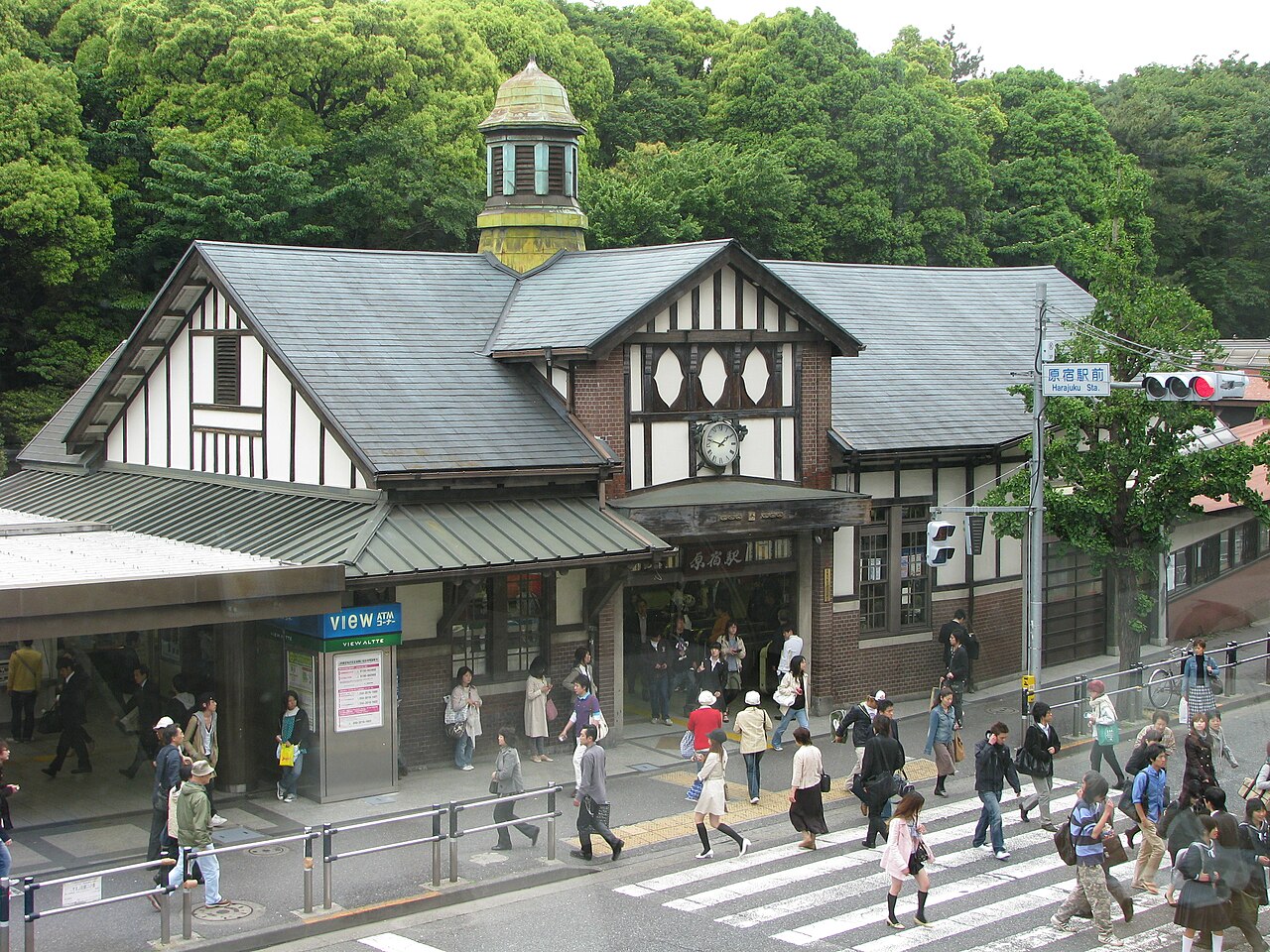
Harajuku Station on the JR Yamanote Line is the main arrival point; use the Takeshita Exit for Takeshita-dori Street directly opposite the station. Meiji-jingumae <Harajuku> Station provides an alternative via the Tokyo Metro Chiyoda and Fukutoshin lines. Official journey guidance gives about 4 minutes from Shinjuku and 26 minutes from Tokyo Station on the JR Yamanote Line. From Harajuku Station, allow about 10 minutes on foot to Omotesando or Aoyama and 20 minutes to Shibuya. This is the named approach for an independent visit. Harajuku Station on the JR Yamanote Line provides direct rail access, with Takeshita Street immediately adjacent. Meiji-Jingumae Station, served by Tokyo Metro Chiyoda and Fukutoshin lines, offers subway alternatives. Omotesando Station, slightly south, connects via Ginza, Hanzomon, and Chiyoda lines. The district is walkable from Shibuya to the south. No dedicated parking is recommended; the area is designed for pedestrian and transit access.
Checked 2026-08-31 · Source
Meiji-jingumae <Harajuku> Station provides at least one step-free route between street level, ticket gates and platforms on both the Chiyoda and Fukutoshin lines. For the Chiyoda Line, street-level elevator routes use Exit 2 or Exit 6; the Exit 6 elevator operates 06:00–24:00. For the Fukutoshin Line, elevators connect the platform, Jingumae Intersection Gate and street level. The Takeshita Exit side of Takeshita-dori has a steep slope; the official accessible route recommends entering from the Meiji-dori side. Parts of Ura-Harajuku have steep gradients, and some sections carry vehicle traffic on weekdays. The access description applies to the documented visitor route. Crowd density on Takeshita Street, especially weekends, creates slow movement and limited personal space. Narrow street width amplifies congestion. Photography of individuals without consent raises privacy concerns; street fashion subjects are not performers. Some smaller shops prohibit photography internally. Summer heat and humidity, combined with limited shade on Takeshita Street, may cause discomfort.
Checked 2026-08-31 · Source
Visual subjects include street fashion, architectural signage, shop displays, and the dense pedestrian environment of Takeshita Street. Early morning offers uncluttered street views before shop opening and crowd arrival. The contrast between narrow Takeshita Street and broader Omotesando provides compositional variety. Meiji Shrine's forested approach and torii gates present different aesthetic registers adjacent to commercial zones. Respect for individuals is essential; not all visible fashion is intended as public spectacle. Interior photography requires explicit permission per establishment. Tripods may obstruct narrow passages and are impractical during peak periods.
Checked 2026-08-31 · Source
Harajuku Station on the JR Yamanote Line is the main access point; Meiji-jingumae <Harajuku> Station on the Tokyo Metro Chiyoda and Fukutoshin lines is the principal alternative.
The 350-metre street begins across the road from JR Harajuku Station, beside the station's Takeshita Exit.
Yes. Meiji-jingumae <Harajuku> Station has a step-free street-to-gate-to-platform route on both the Chiyoda and Fukutoshin lines.
Use the Meiji-dori end of Takeshita-dori; the entrance near JR Harajuku Station's Takeshita Exit is on a steep slope.
Tokyo's official guide gives about 10 minutes from Harajuku Station to Omotesando or Aoyama and about 20 minutes to the Shibuya area.
The official Tokyo guide identifies Yoyogi Park, Meiji Jingu Shrine and Omotesando as the principal nearby destinations reached from Harajuku Station.
Loading the interactive map…
The interactive map could not be loaded.
Last updated:
Source: OpenStreetMap contributors, Wikidata ·