
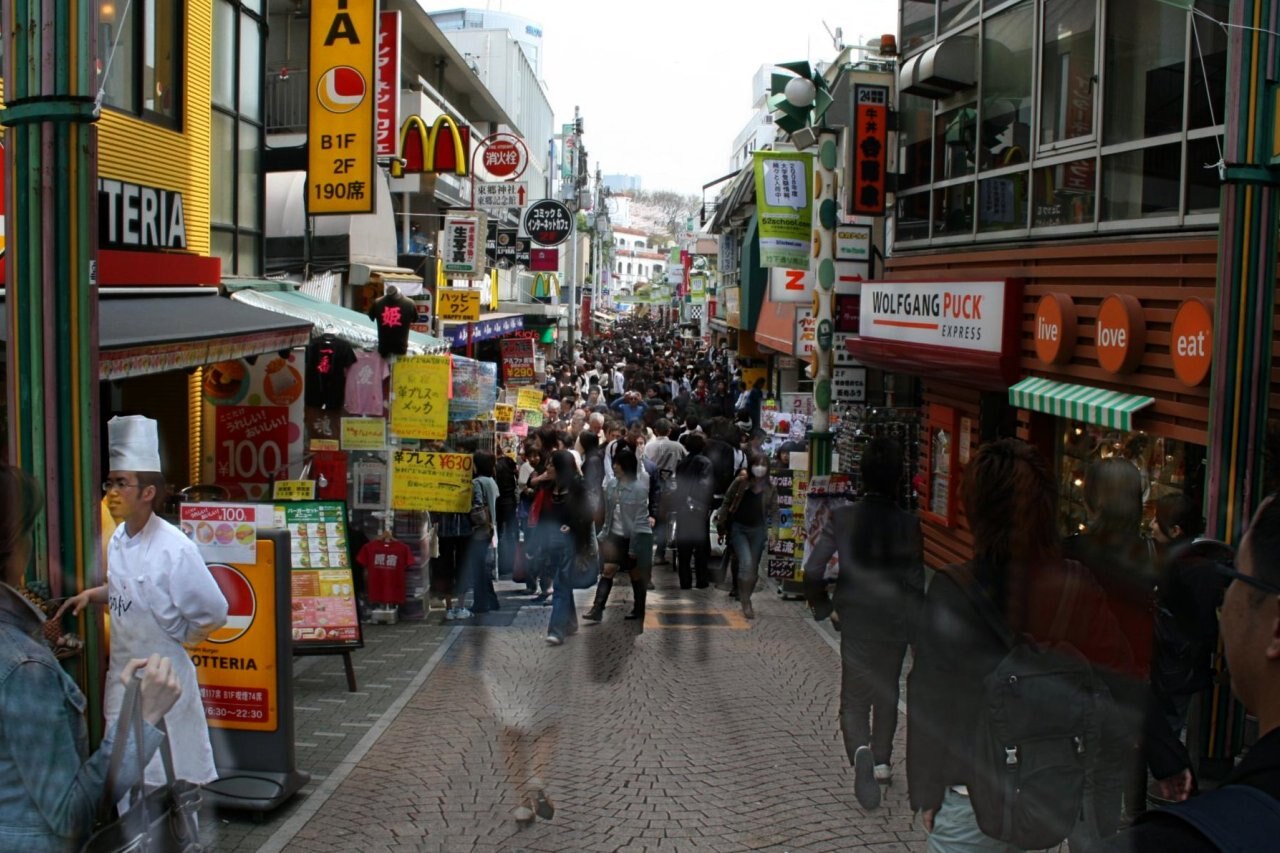
7 min walk
Takeshita Street
- High
- Historic monument
Language · 11 published
Place of worship · Tokyo
明治神宮
Reviewed by Elena Voss · Roavina Travel Editor
| Monday | 05:00 – 18:00 |
|---|---|
| Tuesday | 05:00 – 18:00 |
| Wednesday | 05:00 – 18:00 |
| Thursday | 05:00 – 18:00 |
| Friday | 05:00 – 18:00 |
| Saturday | 05:00 – 18:00 |
| Sunday | 05:00 – 18:00 |
Checked 2026-08-31 · Source
Read from the OpenStreetMap access tags; anything not listed has no tag recorded.
Set the group type to family in the planner and the day window contracts to about three quarters of a solo day.
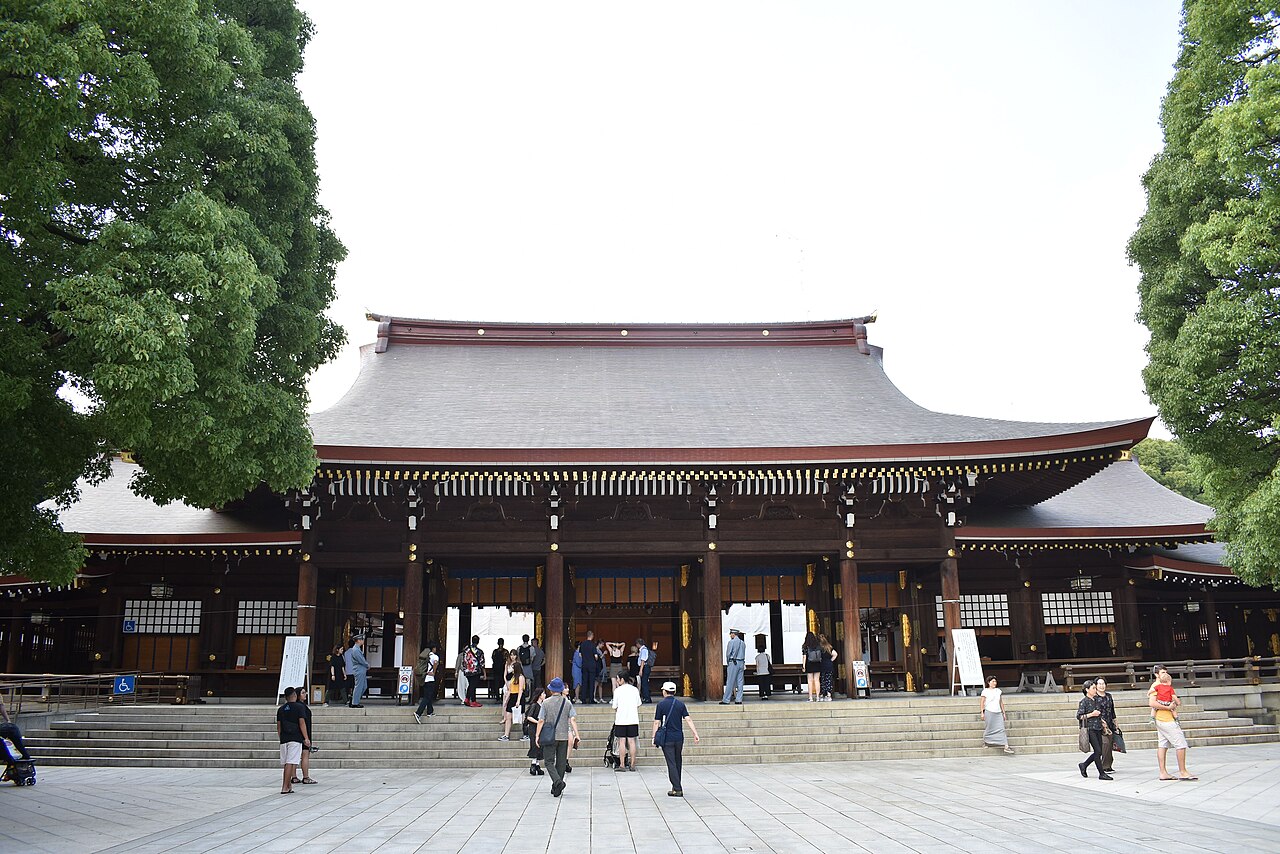
This place is a Place of worship. It was established in 1920. It was built in the nagare-zukuri style. It was designed by Itō Chūta. It carries the Important Cultural Property of Japan heritage designation.
Meiji Shrine is a Shinto shrine in Tokyo dedicated to the deified spirits of Emperor Meiji and his consort, Empress Shōken. The shrine occupies a large forested area in Shibuya, near Harajuku Station. It was established in 1920 following the emperor's death in 1912. The original structures were destroyed during World War II and rebuilt through public fundraising. The shrine remains one of Tokyo's most visited religious sites, drawing both worshippers and tourists seeking respite from urban density within its grounds.
Checked 2026-08-31 · Source
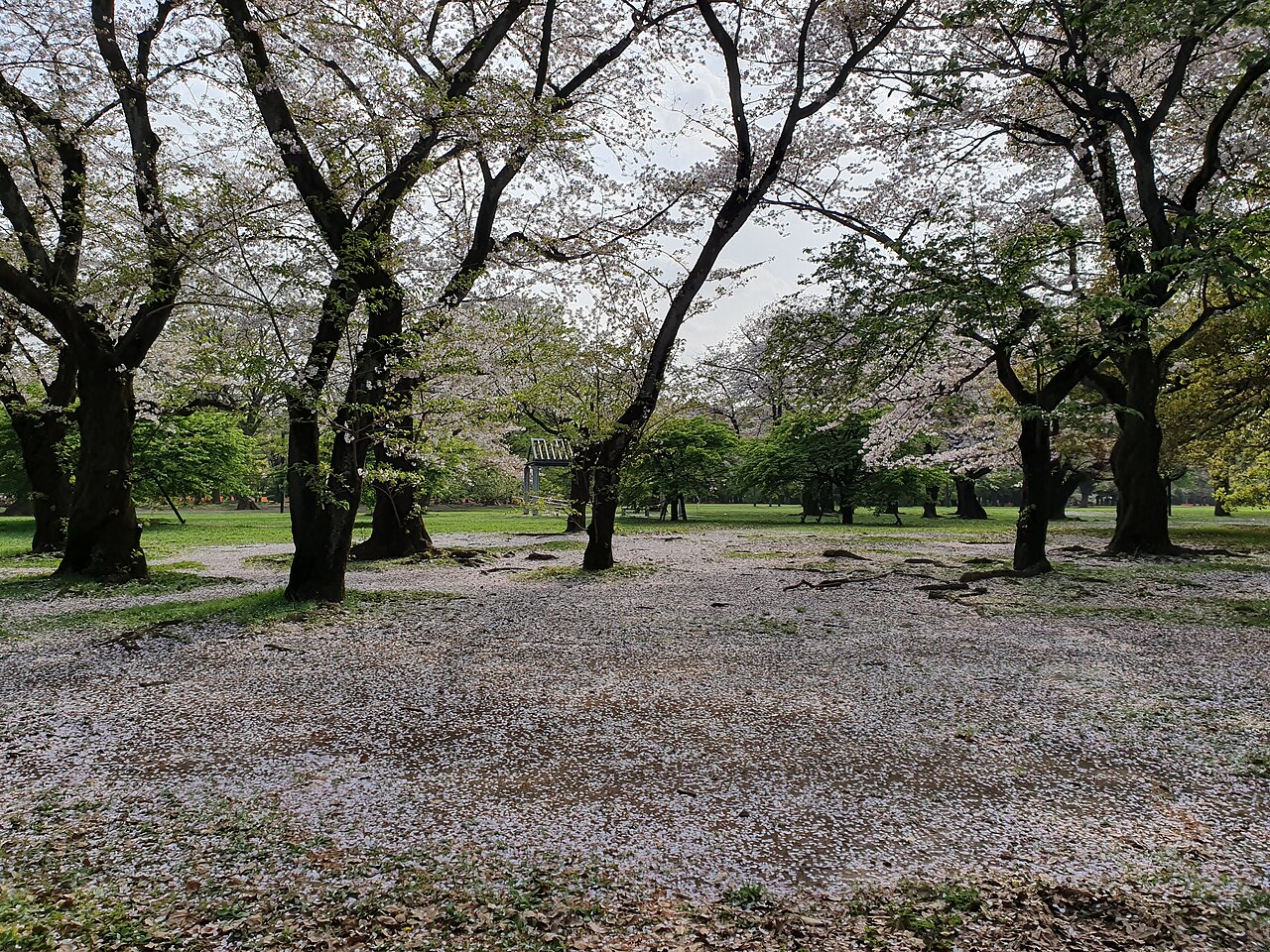
The shrine complex contains multiple structures set within an artificial forest of approximately 120,000 trees donated from across Japan. Key features include the large torii gate at the entrance, the main shrine building, and treasure museums. The Inner Garden requires a separate access arrangement. Visitors pass through multiple torii gates along gravel paths before reaching the main hall. The forest setting creates notable acoustic and atmospheric separation from surrounding Tokyo. Seasonal rituals and ceremonies occur throughout the year.
Checked 2026-08-31 · Source
Most visitors spend between one and two hours at Meiji Shrine, though individual pacing varies considerably. Those participating in shrine rituals, exploring the forest paths thoroughly, or visiting during festival periods may extend their stay. The walk from Harajuku Station through the forested approach to the main shrine takes approximately fifteen to twenty minutes each way. Visitors combining Meiji Shrine with adjacent Yoyogi Park or nearby Harajuku district should allocate additional time accordingly.
Checked 2026-08-31 · Source
January 06:40–16:20; February 06:20–16:50; March 05:40–17:20; April 05:10–17:50; May 05:00–18:10; June 05:00–18:30; July 05:00–18:20; August 05:00–18:00; September 05:20–17:20; October 05:40–16:40; November 06:10–16:10; December 06:40–16:00. Open every day throughout the year; there are no regular closure days. On 2026-08-31, the August schedule is 05:00–18:00. Some facilities within the precinct have shorter hours, mainly 09:00–16:00. Early morning visits typically offer quieter conditions before tour groups arrive. New Year period draws exceptionally large crowds for hatsumōde, the first shrine visit of the year. Golden Week and autumn foliage season also see elevated visitor numbers. Weekends generally busier than weekdays.
Checked 2026-08-31 · Source
General admission to Meiji Jingu is free. Separate fees apply to some facilities within the precinct, including the museum. Entry to the main shrine grounds is free of charge. No advance booking is typically necessary for general shrine access. Visitors should carry cash for offerings, omamori charms, or goshuin stamp books if desired. The shrine maintains traditional practices; voluntary donations support maintenance.
Checked 2026-08-31 · Source
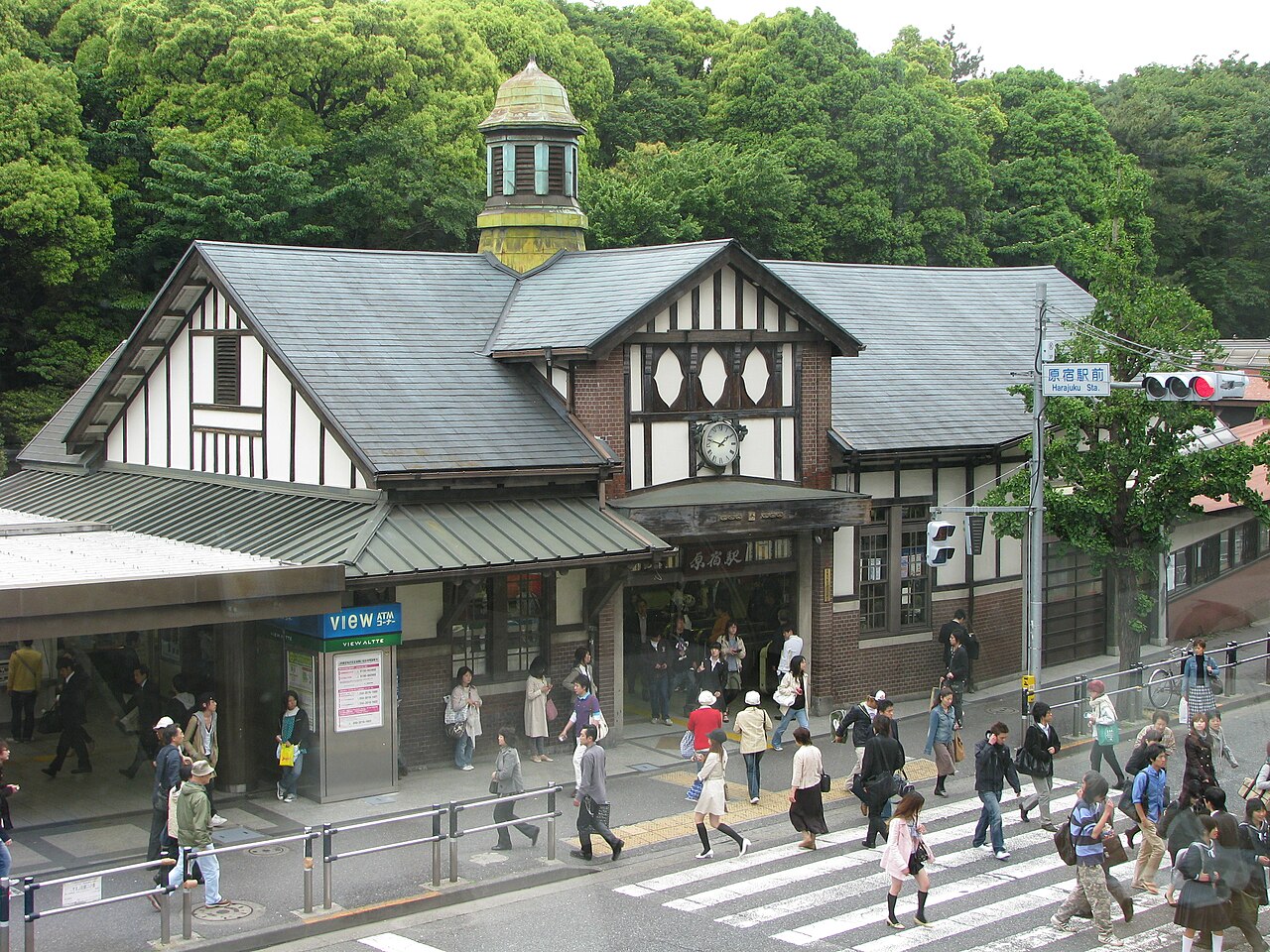
For the South Gate, use JR Harajuku Station or Tokyo Metro Meiji-jingumae〈Harajuku〉 Station. The West Gate is approached from Odakyu Sangubashi Station. For the North Gate, use JR/Toei Yoyogi Station or Tokyo Metro Kita-sando Station. Allow at least another 10 minutes on foot from any precinct entrance to the main shrine buildings. This is the named approach for an independent visit. Meiji Shrine is accessible via multiple transport options. Harajuku Station on the JR Yamanote Line serves the main entrance. Meiji-Jingumae Station on Tokyo Metro lines provides alternative access. Yoyogi Station offers additional proximity. The shrine sits within walking distance of Shibuya and Omotesando districts. Signage in Japanese and English directs visitors from stations. The forested setting means final approaches are on foot regardless of transport mode. Accessibility varies across gravel paths and stairs. A flexible visit lets travellers connect Meiji Shrine with the rest of the day without treating one room, viewpoint or photograph as the whole experience. The useful pace depends on personal interest and conditions on arrival.
Checked 2026-08-31 · Source
Wheelchair ramps, a wheelchair lift and an elevator are listed. Wheelchair-accessible parking is available. Facilities include a multi-purpose toilet and a toilet with handrails. Wheelchairs can be borrowed; the shrine also states that wheelchairs are available at the precinct entrances. A nursing room is available. The access description applies to the documented visitor route. Visitors should observe shrine etiquette: bow at torii gates, cleanse hands and mouth at temizuya water basins before approaching the main hall, and avoid walking in the center of paths reserved for deities. Photography restrictions apply in certain areas; observe posted signs. The gravel surfaces may challenge mobility devices. Crowds intensify during New Year and festivals. Weather protection is limited; carry umbrellas in rain. Active worshippers have priority at offering halls. Silence is generally expected in sacred areas.
Checked 2026-08-31 · Source
Photography is permitted in many exterior areas of Meiji Shrine, though specific buildings and ritual spaces prohibit it. Visitors must observe all posted restrictions, particularly at the main hall where worship occurs. The large torii gates, forest pathways, and architectural details offer primary subjects. Tripods may attract staff attention in crowded areas. Respectful distance from worshippers is essential. Lighting conditions vary significantly under forest canopy; morning and late afternoon provide softer illumination. Commercial photography requires advance permission from shrine administration.
Checked 2026-08-31 · Source
Allow about 1 hour for the shrine alone, or about 2 hours when also visiting the Inner Garden and Meiji Jingu Museum.
No. There is no suitcase-storage facility inside the Meiji Jingu grounds.
Yes. The goshuin counter is near the main shrine building, and goshuincho books are also offered.
Eating and drinking are permitted only in designated areas of the grounds.
Restaurants and the gift shop accept credit cards; the amulet office, Kaguraden and goshuin counter do not.
Photography is generally allowed, but it is prohibited in front of the main shrine where visitors pray and at the amulet office.
Loading the interactive map…
The interactive map could not be loaded.
Last updated:
Source: OpenStreetMap contributors, Wikidata ·