
8 min walk
Meiji Jingū
- Must see
- Place of worship
Language · 11 published
Nature site · Tokyo
代々木公園
Reviewed by Elena Voss · Roavina Travel Editor
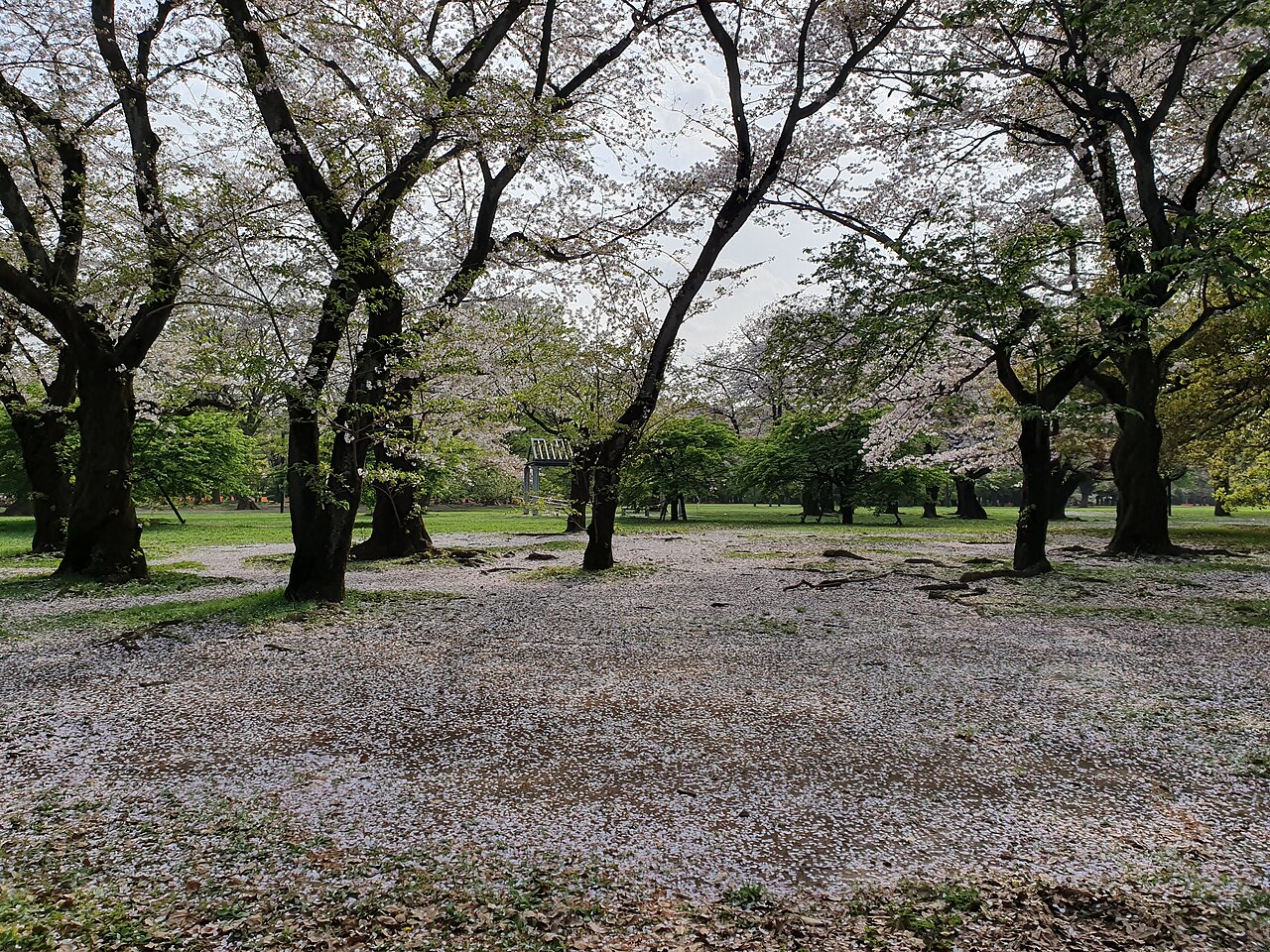
This place is a Park. It opened in 1967. It is run by Tokyo Metropolitan Park Association.
Yoyogi Park is a large public park in Tokyo’s Shibuya ward, close to Harajuku and Meiji Shrine. Known locally as 代々木公園, it combines broad lawns, wooded areas, walking routes, cycling paths, and water features in a major urban green space. The park also carries twentieth-century history: its grounds served as the Olympic Village for the 1964 Tokyo Olympics before becoming public parkland. For travelers, Yoyogi Park offers a change of pace from dense streets, with room for strolling, seasonal scenery, picnics, recreation, and observation of everyday Tokyo life. General entry to Yoyogi Park is typically without charge as a public park.
Checked 2026-08-26 · Source
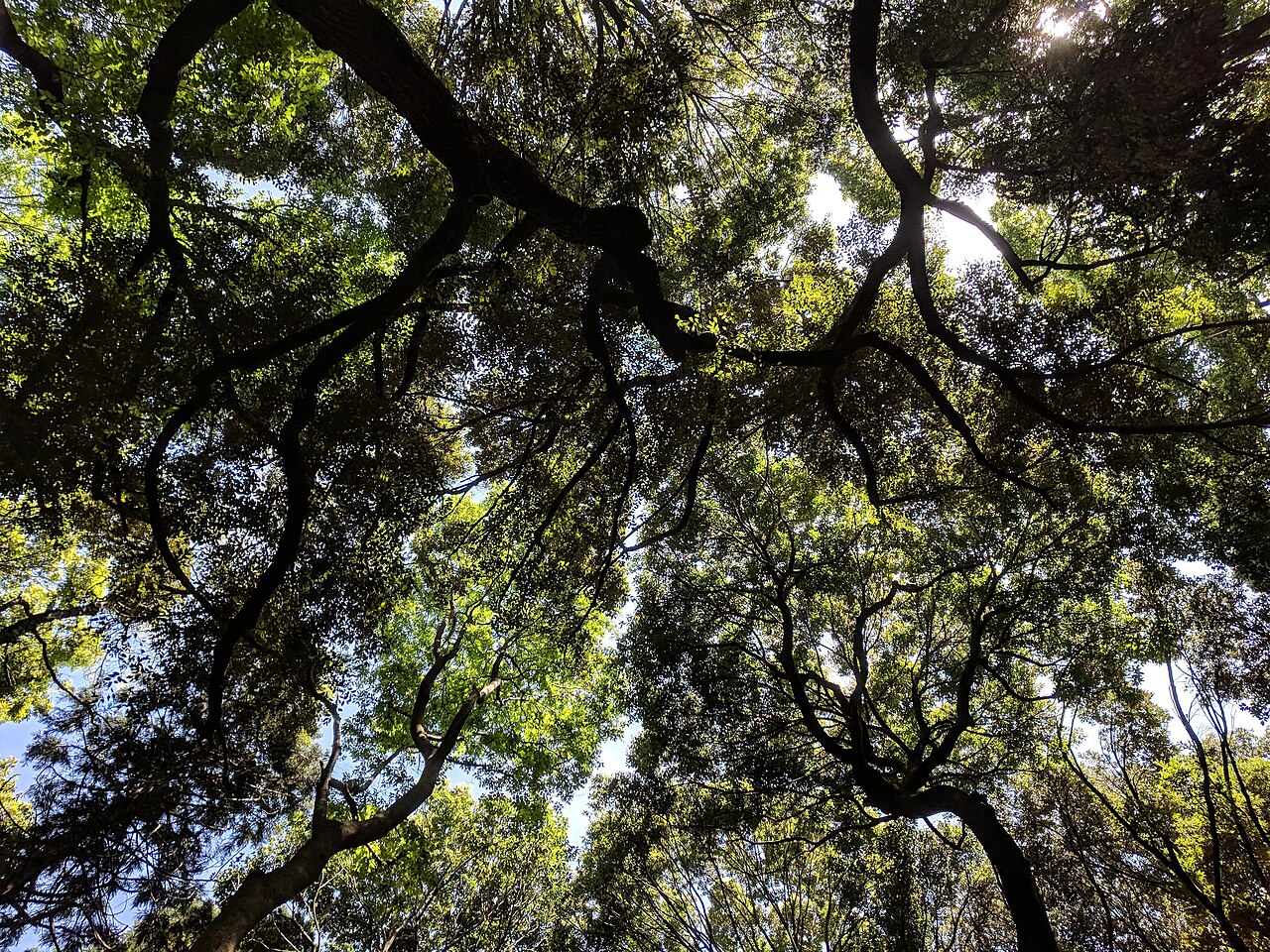
The park’s landscape shifts between open lawns, wooded groves, and a pond area. Walking and cycling paths cross the grounds, while the broad spaces support picnics, informal gatherings, and recreation. Cherry blossoms bring spring interest, and tree-covered areas take on autumn color later in the year. The scale allows visitors to choose their own rhythm: a short walk, a quiet pause beneath trees, or a longer exploration of the paths. Yoyogi Park is valuable because it makes several kinds of outdoor experience possible within central Tokyo, from active movement to an unhurried retreat.
Checked 2026-08-26 · Source
Set aside about thirty minutes for a simple walk through part of Yoyogi Park. A longer visit can fill several hours if you picnic, use the recreational spaces, follow more paths, or combine the park with Meiji Shrine and Harajuku. The park’s size makes a half-day realistic for travelers who want outdoor time rather than a quick landmark photograph. Choose the duration according to the role you want the park to play: a breathing space between city attractions, a seasonal viewing stop, or a substantial green-space visit.
Checked 2026-08-26 · Source
Yoyogi Park works throughout the year, but each season changes its mood. Spring brings cherry blossom interest, autumn brings foliage, summer offers full greenery, and winter creates quieter views through the wooded areas. Warm weather can make the open lawns feel exposed, while pleasant weekends draw more people into the park. Weekdays and cooler parts of the day offer a calmer walk. Choose a dry, comfortable period for picnicking and longer routes, or visit in winter when the park’s spaciousness is easier to experience without the same seasonal crowds.
Checked 2026-08-26 · Source
General entry to Yoyogi Park is free, making it an easy addition to a Tokyo itinerary. The park’s lawns, paths, wooded spaces, and pond area provide the main experience without the structure of a ticketed attraction. Special events, organized activities, or services within the wider park setting can be separate from ordinary park access. Travelers can therefore use Yoyogi Park as a no-admission outdoor stop, while keeping any spending for food, transport, or nearby Harajuku and Shibuya activities. Its free entry also makes a brief visit practical between other destinations.
Checked 2026-08-26 · Source
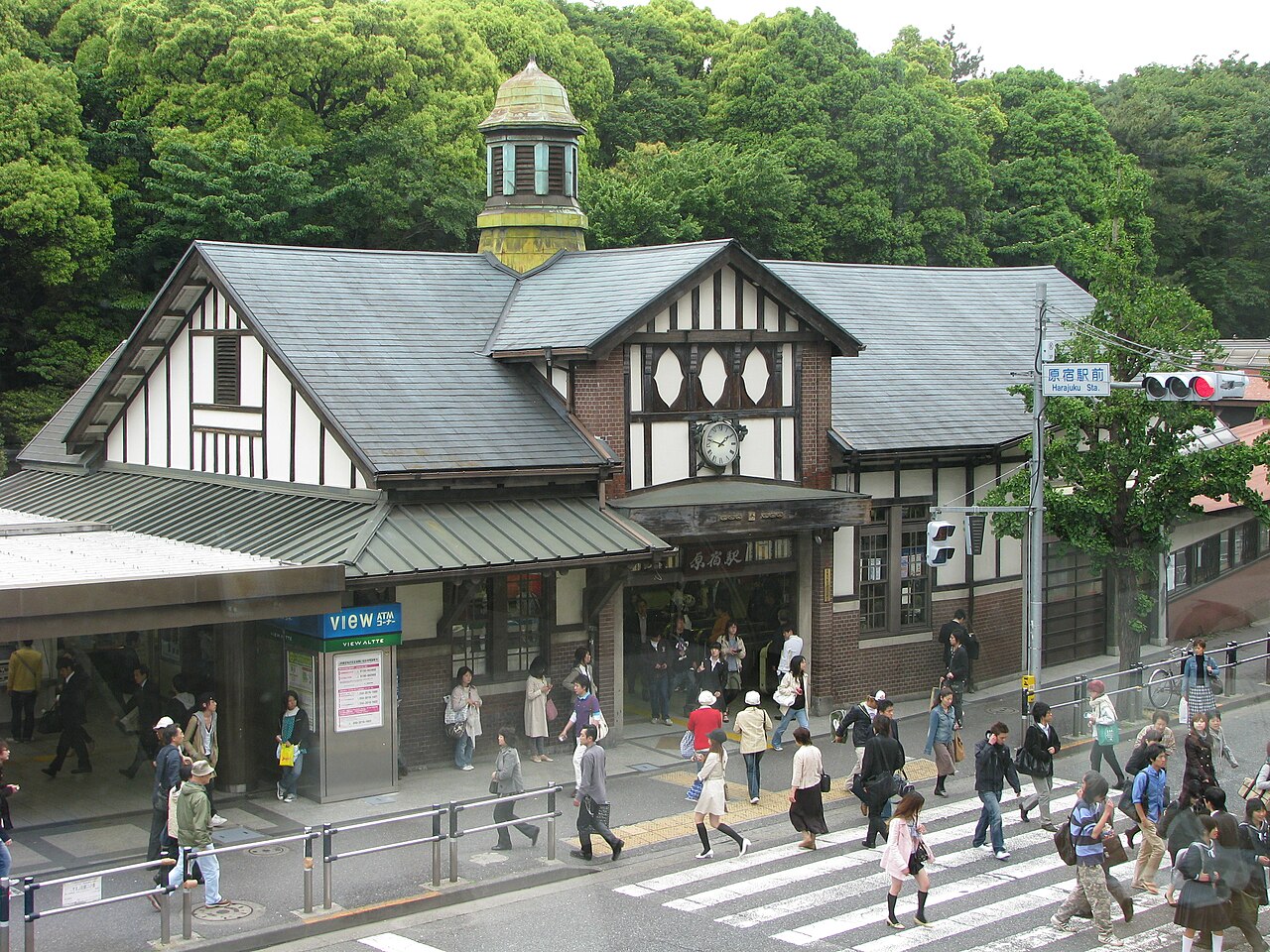
Yoyogi Park is easy to place in a central Tokyo route. Harajuku Station on the JR Yamanote Line, Yoyogi-Koen Station on the Tokyo Metro Chiyoda Line, and Meiji-Jingumae Station all provide nearby approaches. From these stations, continue on foot toward the park entrances and choose the side that best matches your itinerary. Harajuku is convenient when combining the park with Meiji Shrine or the surrounding shopping streets. The central location also makes the park accessible from many accommodation areas by rail and subway.
Checked 2026-08-26 · Source
Yoyogi Park is spacious, but open lawns provide limited protection from strong sun, heat, and rain. Carry water and use sun protection in warm weather. Weekends, holidays, and seasonal events can make busy areas crowded. Pedestrians and cyclists share parts of the park environment, so keep aware while crossing or walking near paths. After dark, visibility is lower in wooded sections and the grounds can feel quieter. Keep personal belongings close, do not feed wildlife, and leave picnicking areas clean so the park remains pleasant for residents and visitors.
Checked 2026-08-26 · Source
Yoyogi Park gives photographers several distinct subjects within one walk. Use the lawns for broad urban-green compositions, wooded groves for layered foliage, and the pond area for water and reflections. Spring blossoms and autumn colors change the balance of the scene, while summer greenery creates dense texture. Crowd levels influence candid photographs and open views, so early morning and late afternoon can be rewarding. Keep tripods and equipment from blocking paths, respect people’s privacy, and let the park’s ordinary recreational life remain part of the story.
Checked 2026-08-26 · Source
Yes. General entry to Yoyogi Park is free, while special events or organized services can be separate from ordinary park access.
Nearby approaches include Harajuku Station, Yoyogi-Koen Station, and Meiji-Jingumae Station.
Spring is known for cherry blossoms and autumn for foliage; summer brings dense greenery and winter offers a quieter atmosphere.
A short walk can take about thirty minutes, while picnics, recreation, and longer path exploration can make it a several-hour visit.
You can stroll, picnic, cycle, spend time on the lawns, explore wooded areas, and enjoy seasonal blossoms or foliage.
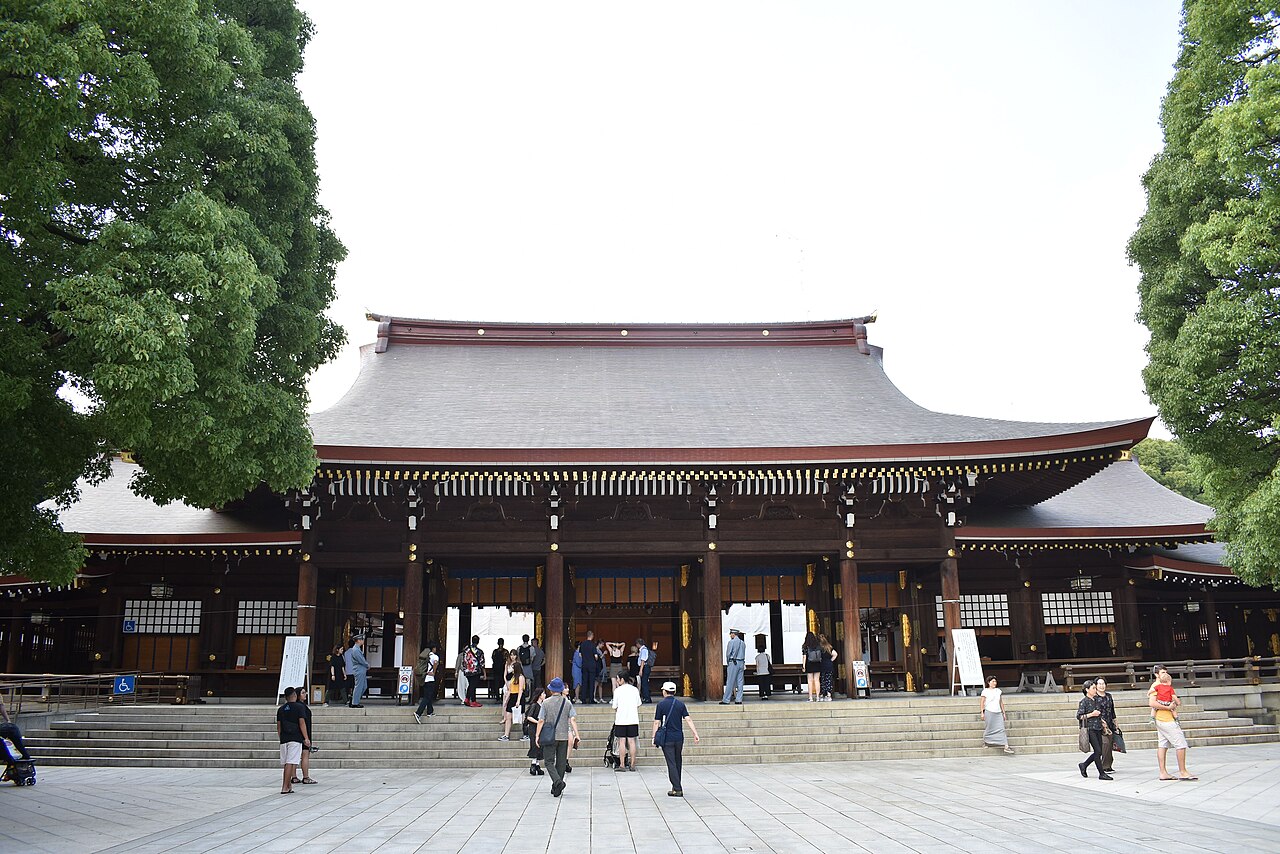
Yoyogi Park is near Harajuku and Meiji Shrine, making them natural companions for a central Tokyo itinerary.
Loading the interactive map…
The interactive map could not be loaded.
Last updated:
Source: OpenStreetMap contributors, Wikidata ·