
2 min walk
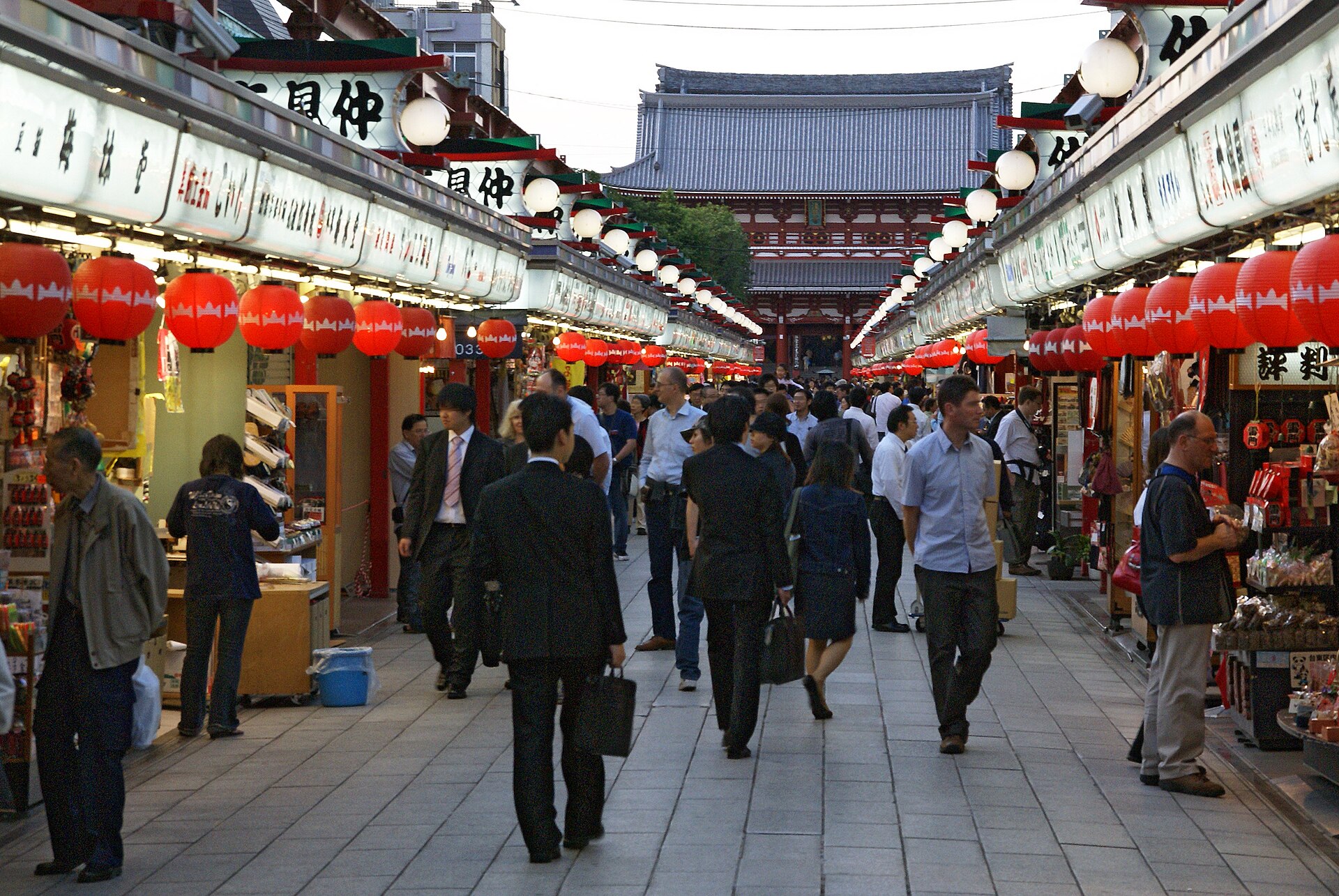
Nakamise Street
- High
- Historic monument
Language · 11 published
Place of worship · Tokyo
金龍山 浅草寺
Reviewed by Elena Voss · Roavina Travel Editor
| Monday | 06:00 – 17:00 |
|---|---|
| Tuesday | 06:00 – 17:00 |
| Wednesday | 06:00 – 17:00 |
| Thursday | 06:00 – 17:00 |
| Friday | 06:00 – 17:00 |
| Saturday | 06:00 – 17:00 |
| Sunday | 06:00 – 17:00 |
Checked 2026-08-31 · Source
Read from the OpenStreetMap access tags; anything not listed has no tag recorded.
Set the group type to family in the planner and the day window contracts to about three quarters of a solo day.
This place is a Attraction. It was established in 645.
Sensō-ji is a historic Buddhist temple located in the Asakusa district of Tokyo. It is widely recognized as the city's oldest temple, with origins traditionally traced to the seventh century. The temple is dedicated to Kannon, the bodhisattva of compassion. Its iconic Kaminarimon, or Thunder Gate, with a massive red lantern, serves as a celebrated symbol of Asakusa and of Tokyo itself. The temple grounds and surrounding Nakamise shopping street attract substantial numbers of visitors throughout the year, functioning as both a religious site and a major cultural destination within the capital.
Checked 2026-08-31 · Source
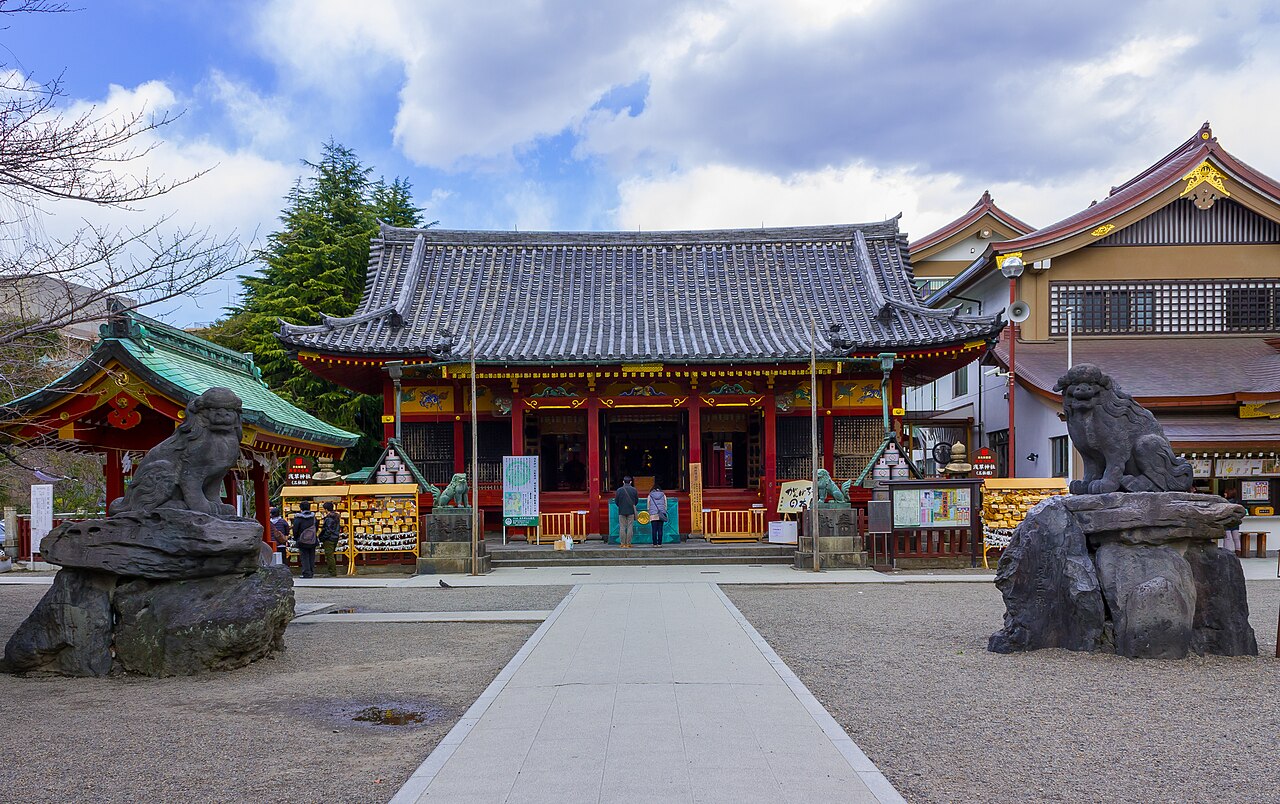
The temple complex encompasses several notable structures and spaces beyond the main hall. The Kaminarimon gate leads along Nakamise-dōri, a pedestrian approach lined with stalls selling traditional snacks and souvenirs. The Hōzōmon gate stands as a secondary entrance closer to the main hall itself. The main hall contains the primary object of veneration. Adjacent to the main precinct, the Asakusa shrine maintains a distinct Shinto identity. The temple grounds include gardens and spaces for contemplation, while the surrounding Asakusa district preserves an atmosphere of traditional urbanism distinct from modern Tokyo.
Checked 2026-08-31 · Source
Visitor duration at Sensō-ji varies considerably depending on individual interests and crowd conditions. A brief visit encompassing the gates, main hall, and a walk along Nakamise-dōri might be completed within thirty to forty-five minutes. Those wishing to explore the grounds more thoroughly, observe religious practices, or browse the shopping street at leisure may extend their stay to one and a half or two hours. The surrounding Asakusa district merits additional time for visitors interested in exploring the broader neighborhood's traditional architecture, dining options, and riverside location along the Sumida River.
Checked 2026-08-31 · Source
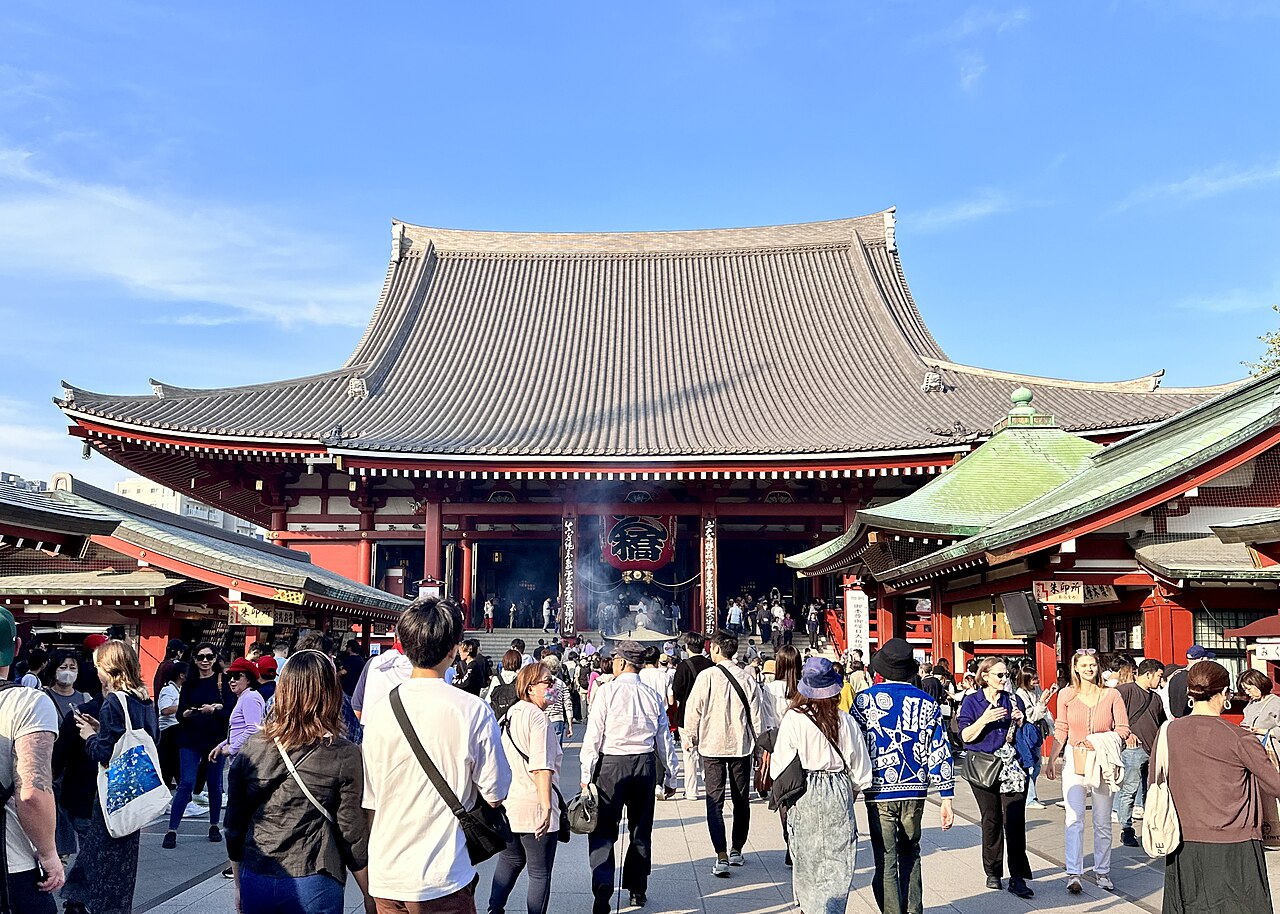
Main Hall: daily 06:00–17:00 from April through September; daily 06:30–17:00 from October through March. Open 365 days with no regular closure day. These are the Main Hall hours; other halls have separate schedules. Sensō-ji receives visitors throughout the year, with seasonal variations in atmosphere and crowd density. Spring brings cherry blossom season to the surrounding area, while summer features festivals including the Sanja Matsuri, one of Tokyo's most significant Shinto celebrations. Autumn offers mild conditions, and winter presents a quieter experience though temperatures can be cold. The temple is notably popular during the New Year period for hatsumōde, the first shrine or temple visit of the year.
Checked 2026-08-31 · Source
General admission is free. Sensō-ji temple grounds are traditionally accessible without admission charge, reflecting its character as an active religious site open to the public. Certain specific activities or interior spaces may involve separate arrangements. The Nakamise shopping street operates as commercial space independent of temple administration. Visitors should anticipate spending on offerings, omamori charms, or other religious items according to personal choice. Any prices for such items are established by individual vendors and temple offices. Visitors should carry cash, as many traditional establishments in the Asakusa area may not accept card payments.
Checked 2026-08-31 · Source
Walk about 5 minutes from Asakusa Station on the Tokyo Metro Ginza Line, Toei Asakusa Line, Tobu Skytree Line or Tsukuba Express; use Exit A4 when arriving on the Toei Asakusa Line. By bus, Nitenmon stop is about a 2-minute walk and is served by Toei Bus, Keisei Town Bus and the Kita-Megurin community bus. For a step-free Tokyo Metro arrival, Ginza Line Exit 1 has an elevator on the Sensō-ji/Kaminarimon side. This is the named approach for an independent visit. Asakusa is served by multiple rail lines, facilitating access from various parts of Tokyo. The Tokyo Metro Ginza Line, Toei Asakusa Line, and Tobu Skytree Line all connect to Asakusa Station, from which the temple is a short walk. The Tsukuba Express also serves the area. The station exits are well-signposted for temple visitors.
Checked 2026-08-31 · Source
Wide precinct pathways allow wheelchair circulation. An elevator to the left of the Main Hall provides step-free access. A wheelchair ramp and multipurpose toilet are available. The access description applies to the documented visitor route. The Nakamise shopping street and temple approaches attract dense crowds, particularly on weekends and during festival periods. Visitors should remain attentive to personal belongings in congested areas. The temple remains an active religious site; appropriate decorum near worshippers and within interior spaces is expected. Incense burning at the large cauldron before the main hall produces smoke that may irritate sensitive individuals. Traditional footwear is advisable given extensive walking on paved and gravel surfaces. Weather protection is recommended as much of the experience occurs outdoors. The area's popularity means that restaurants and shops may also experience queues during peak visitation periods.
Checked 2026-08-31 · Source
The architectural features of Sensō-ji, including the Kaminarimon gate, Hōzōmon gate, and main hall, present significant photographic interest. The large red lantern of the Kaminarimon is among Tokyo's most photographed subjects. Early morning and evening periods offer different lighting conditions and generally reduced crowd density. The five-story pagoda, when visible, contributes to the skyline of the complex. Interior spaces of the main hall may have restrictions on photography that visitors should observe. The contrast between traditional temple architecture and the distant Tokyo Skytree provides a notable composition. Respect for worshippers and ongoing ceremonies should govern all photographic activity.
Checked 2026-08-31 · Source
Yes. Sensō-ji traces its origin to 628 and is identified by the temple as Tokyo’s oldest temple.
No. The principal image has remained concealed since 645; even Sensō-ji’s chief priests do not view it.
No. The earlier Main Hall was destroyed in the air raid of 10 March 1945, and the present building was completed in 1958.
Sensō-ji’s goshuin are issued at Yogodo Hall.
The Hozuki Market accompanies Shiman-rokusen-nichi on 9–10 July, when prayers are traditionally considered equivalent to 46,000 ordinary visits.
The Hagoita Market is held from 17–19 December during the temple’s final festival period of the year.
Loading the interactive map…
The interactive map could not be loaded.
Last updated:
Source: OpenStreetMap contributors, Wikidata ·