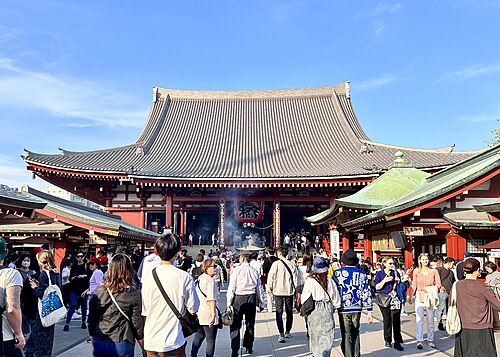
Sensō-ji Temple
金龍山 浅草寺
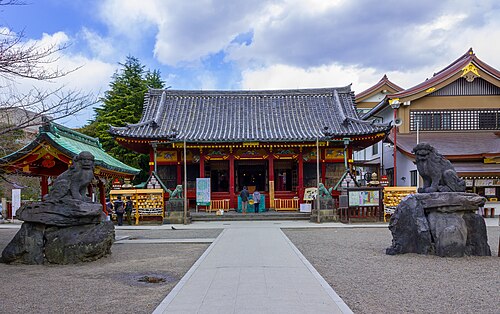
Sensō-ji is a historic Buddhist temple located in the Asakusa district of Tokyo. It is widely recognized as the city's oldest temple, with origins traditionally traced to the seventh century.
- Must see
- Place of worship
Language · 11 published
City guide · Japan
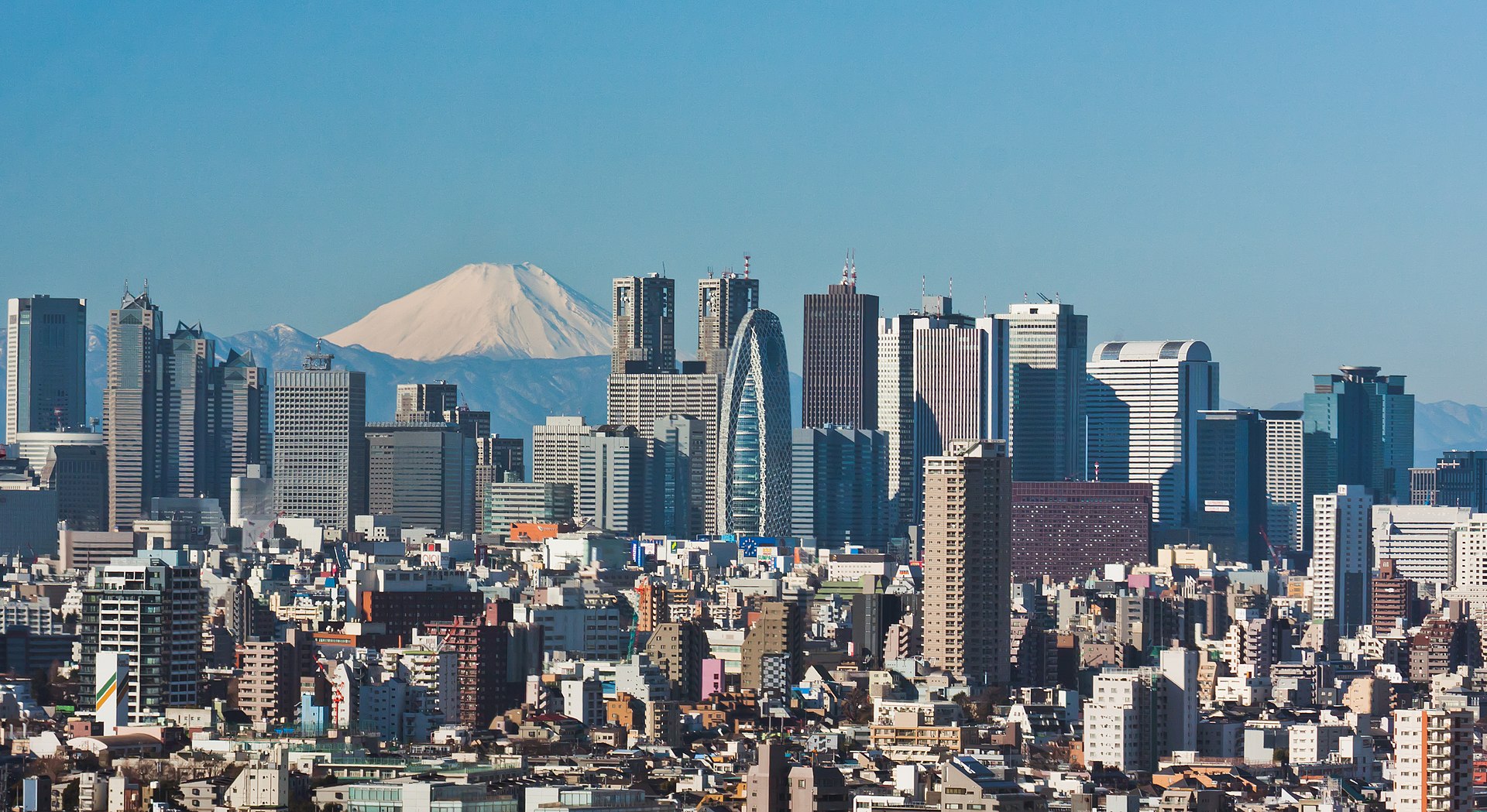
Tokyo is a network of major station districts rather than a single centre. Historic Asakusa and Ueno, commercial Ginza and Marunouchi, and the western hubs of Shinjuku and Shibuya each work as separate sightseeing clusters. Rail makes movement reliable, but large stations and cross-city transfers consume time. A good itinerary stays on one side of the city for half a day and uses the Yamanote loop, subway lines and through-running rail services to connect clusters.
Reviewed by Elena Voss · Roavina Travel Editor
Set your days, your pace and the hours you actually want to be out. The planner works around closing days and travel time, and leaves room to eat.
Ranked by importance — sitelinks, pageviews and heritage status, not editor preference.
12 places match
Category
Typical visit duration
Interests
金龍山 浅草寺
Sensō-ji is a historic Buddhist temple located in the Asakusa district of Tokyo. It is widely recognized as the city's oldest temple, with origins traditionally traced to the seventh century.
明治神宮
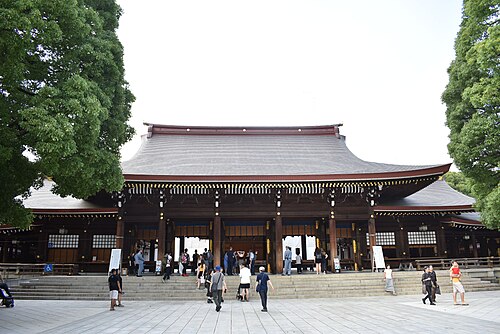
Meiji Shrine is a Shinto shrine in Tokyo dedicated to the deified spirits of Emperor Meiji and his consort, Empress Shōken. The shrine occupies a large forested area in Shibuya, near Harajuku Station.
増上寺
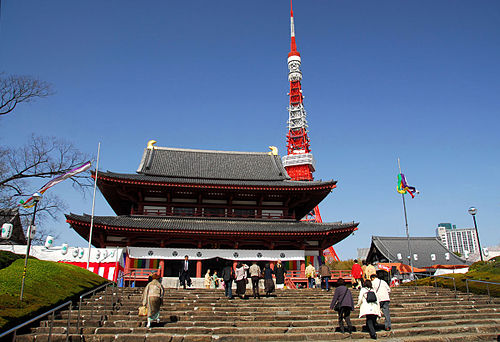
Zojoji Temple is a Jodo-shu Buddhist temple in Minato, Tokyo. It serves as the main temple of the Jodo-shu Chinzei school of Pure Land Buddhism in the Kanto region.
神田明神
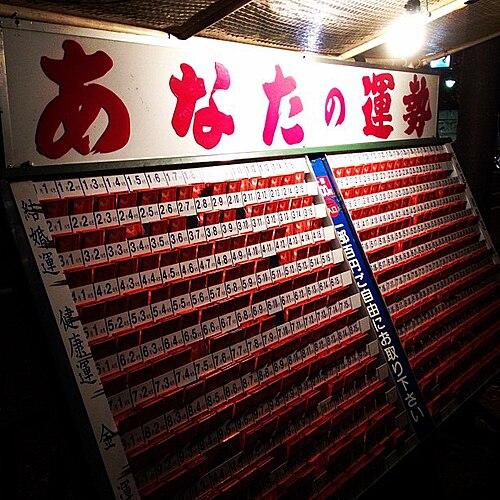
Kanda Shrine, also called Kanda Myojin, is an active Shinto shrine in Tokyo. The shrine has served as an important religious site for generations and is associated with protecting Edo, the former name for Tokyo.
根津神社
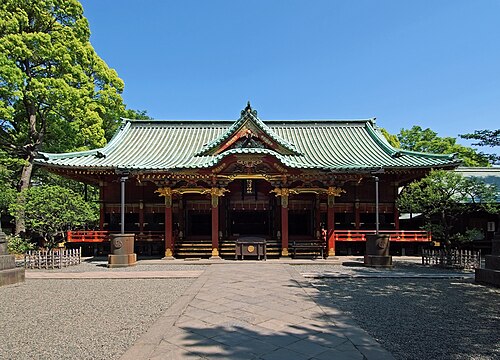
Nezu Shrine is a historic Shinto shrine in Tokyo’s Bunkyo ward and one of the city’s oldest surviving places of worship. The shrine is especially known for its azalea plantings, traditional architecture, ponds, stone lanterns and vermilion torii gates.
靖国神社
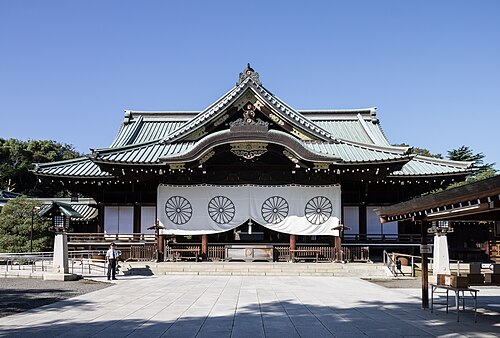
Yasukuni Shrine is a Shinto shrine in Tokyo, Japan. Its local name is 靖国神社. The shrine holds complex significance in Japanese history and contemporary society.
浅草神社
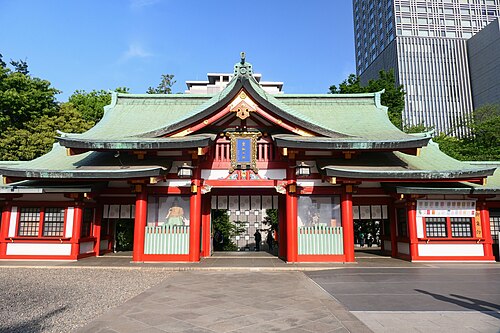
Asakusa Shrine is a Shinto shrine located in the Asakusa district of Tokyo, Japan. Its local name is 浅草神社. The shrine stands near the famous Senso-ji Temple, forming part of a significant religious and cultural complex in this historic area.
築地本願寺
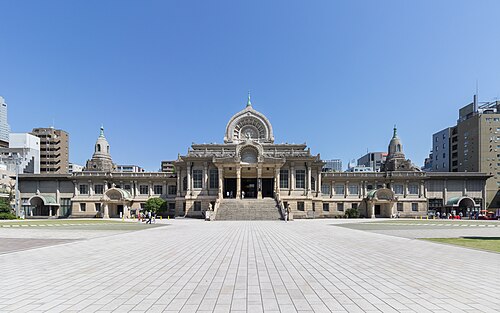
Tsukiji Hongwanji is a Jodo Shinshu Buddhist temple in Tokyo’s Tsukiji district, close to the former Tsukiji Fish Market site. It serves as the Tokyo headquarters of the Jodo Shinshu Hongwanji-ha denomination.
豪徳寺
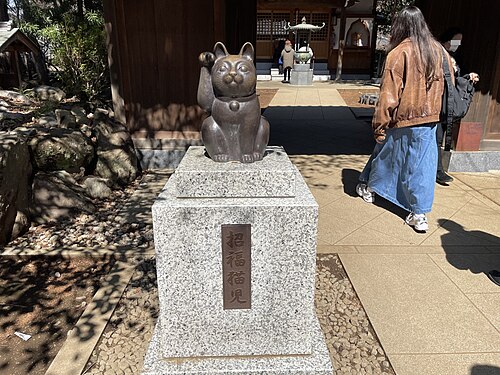
Gotokuji Temple is a Buddhist temple in Tokyo’s Setagaya ward, known in Japanese as 豪徳寺. It is strongly associated with maneki-neko, the beckoning cat figurines linked with good fortune.
富岡八幡宮
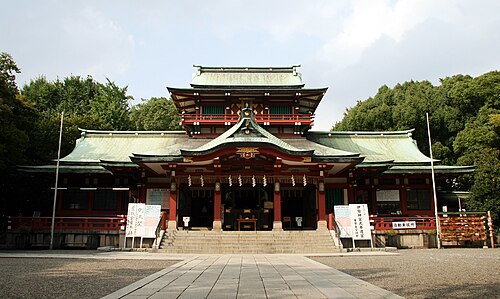
Tomioka Hachimangu is a Shinto shrine located in the Fukagawa district of Koto Ward, Tokyo. Founded in 1627, it is one of the most significant Hachiman shrines in the city.
愛宕神社
Atago Shrine is a Shinto shrine located in the Minato ward of Tokyo, Japan. The shrine sits atop Atago Hill, which rises approximately 26 meters above sea level, making it one of the highest natural points in central Tokyo.
日枝神社
Hie Shrine is a Shinto shrine located in the Nagatacho district of central Tokyo, near the National Diet Building.
Source: OpenStreetMap contributors, Wikidata ·
Central Tokyo is easiest to understand as an east-west sequence. Asakusa, Ueno and Yanaka carry much of the older city; Tokyo Station, Marunouchi, Nihonbashi and Ginza form the central business and shopping core; Shibuya, Harajuku and Shinjuku anchor the west. Roppongi and Akasaka sit between those spines, while Odaiba lies across the bay. The wider metropolis extends well beyond the central wards, so Mt Takao, western Tokyo and island destinations belong to separate day plans rather than a central-city route.
Checked 2026-08-26
Use rail for nearly every cross-city journey. Tokyo Metro operates nine lines and Toei operates four subway lines, alongside JR and private railways; a rechargeable IC card removes most ticketing friction across operators. The subway alone covers more than 280 stations, but JR passes do not cover Tokyo Metro or Toei services. Trains generally stop around midnight, so late-night plans need a route check. Inside a district, walking is usually faster than making a one-stop transfer through a very large station.
Checked 2026-08-26
Five to six days suit a first visit. Four days can cover the main eastern, central and western clusters, while extra days allow slower neighbourhood exploration or a separate trip to western Tokyo.
Spring and autumn usually give the most comfortable walking weather. Peak blossom and foliage periods can be crowded, so the broader March-May and October-November windows are more useful than targeting one forecasted week.
Usually not. A rechargeable IC card is simpler because Tokyo journeys may involve JR, Tokyo Metro, Toei and private railways. A JR pass does not cover the two subway operators.
No. The official Tokyo guide notes that last trains are commonly between about 23:30 and 00:30, with first services around 05:00. Check the final connection before a late evening across town.
Pair Asakusa with Ueno, Marunouchi with Ginza, and Shibuya with Harajuku. Shinjuku can fill its own half day. Grouping nearby station districts reduces transfers through large hubs.