
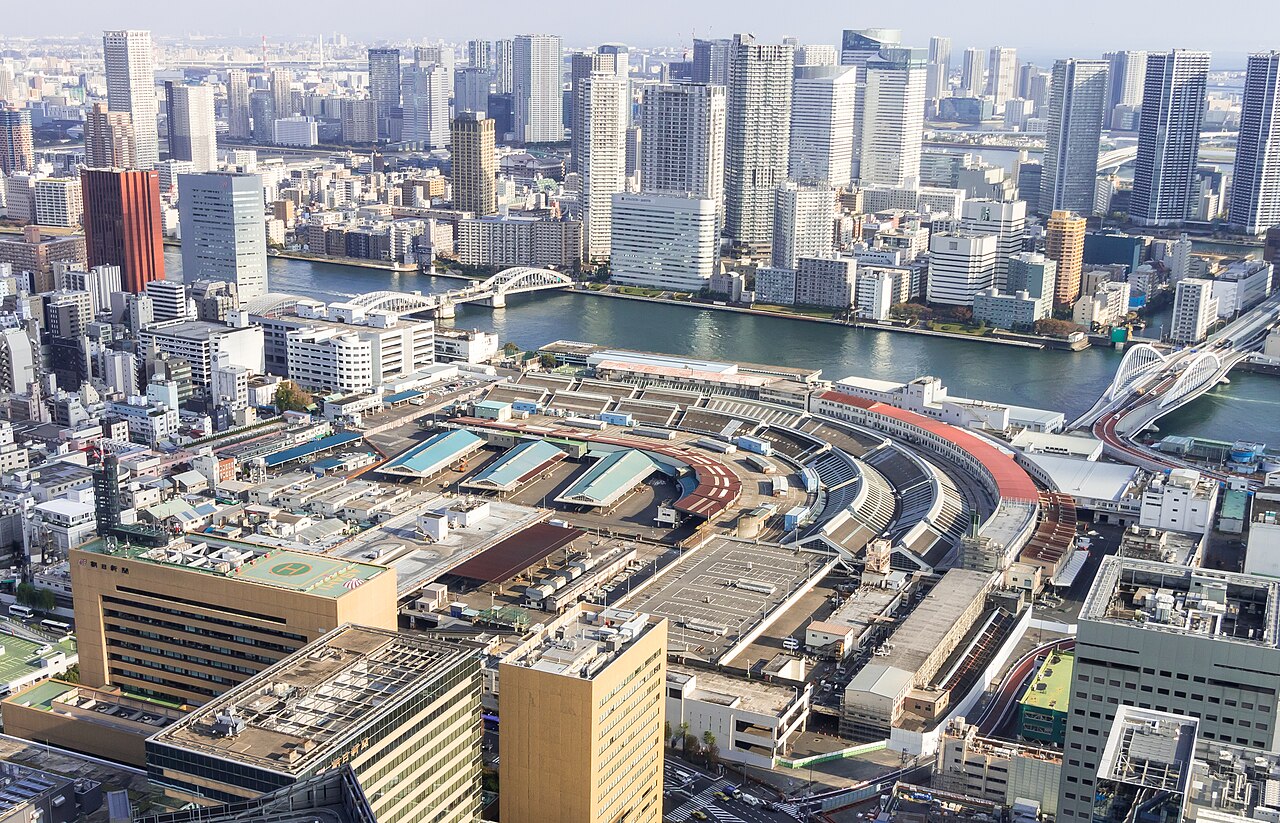
3 min walk
Tsukiji fish market
- Must see
- Market
Place of worship · Tokyo
築地本願寺
| Monday | 09:00 – 21:00 |
|---|---|
| Tuesday | 09:00 – 21:00 |
| Wednesday | 09:00 – 21:00 |
| Thursday | 09:00 – 21:00 |
| Friday | 09:00 – 21:00 |
| Saturday | 09:00 – 21:00 |
| Sunday | 09:00 – 21:00 |
Parsed from OpenStreetMap opening hours on 2026-09-09.
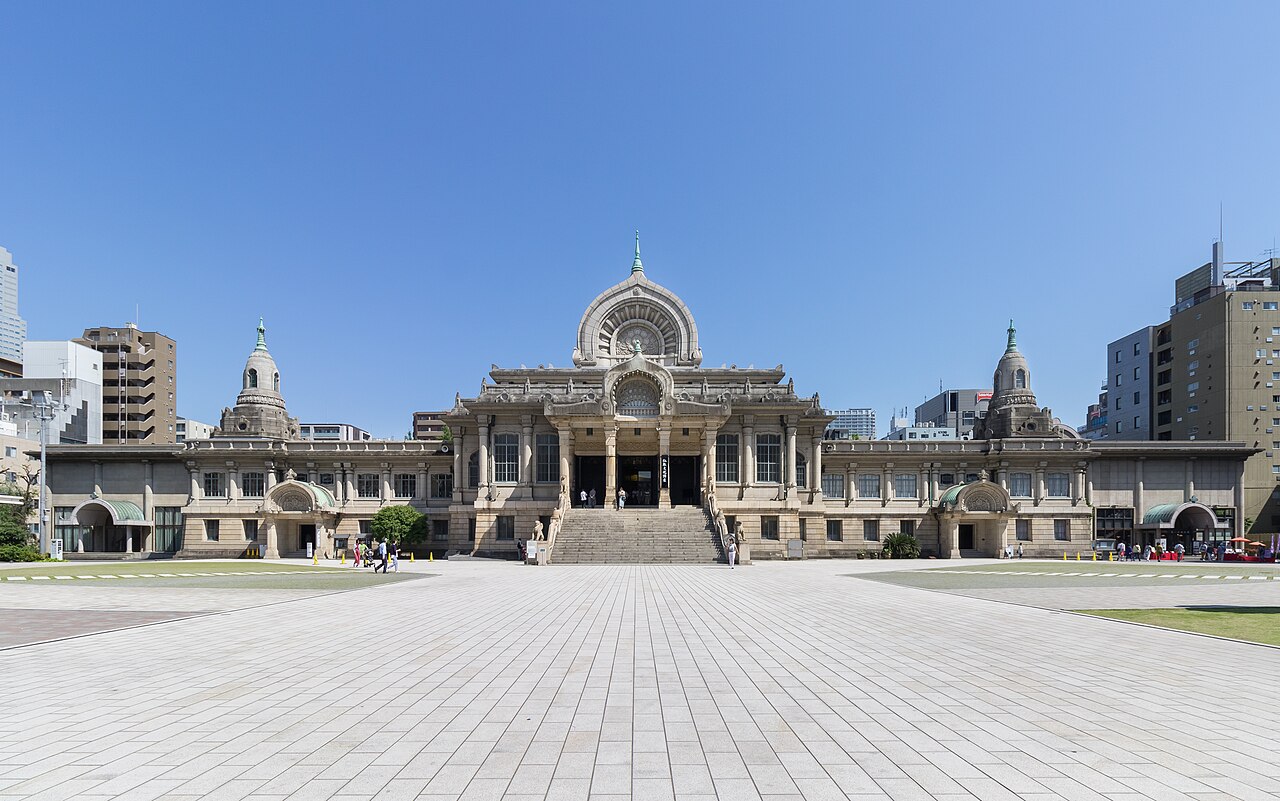
Tsukiji Hongwanji is a Jodo Shinshu Buddhist temple in Tokyo’s Tsukiji district, close to the former Tsukiji Fish Market site. It serves as the Tokyo headquarters of the Jodo Shinshu Hongwanji-ha denomination. The building stands out immediately from the wooden temple designs many visitors associate with Japan: its stone exterior, Indian Buddhist architectural influence, ornate carvings, and prominent entrance create a striking urban landmark. The temple remains an active religious institution, so the visit combines architectural interest with the atmosphere of a working place of worship. Its position among seafood shops, restaurants, offices, and busy city streets makes it an easy cultural stop while exploring Tsukiji and nearby Ginza.
Checked 2026-08-26 · Source
The main hall is the heart of Tsukiji Hongwanji and contains the temple’s principal objects of worship. It accommodates congregations during religious services and includes a large pipe organ used for ceremonies and musical performances. Stained glass and decorative details reinforce the building’s Indian-influenced design, while the stone construction gives the interior and exterior a character distinct from many traditional Japanese temples. Administrative and community facilities support the denomination’s Tokyo operations. Visitors should focus on the main hall, the architectural details, and the relationship between the temple’s religious purpose and its highly commercial surroundings. Auxiliary buildings form part of the working complex rather than a conventional museum display.
Checked 2026-08-26 · Source
Allow around thirty to sixty minutes for a calm visit focused on the exterior, the main hall, and the temple’s architectural details. Visitors who attend a religious service, ceremony, concert, or other programmed activity will need more time. The temple works particularly well as part of a Tsukiji walking route: pair it with the Tsukiji Outer Market and nearby streets rather than treating it as an isolated destination. A short visit can cover the main visual highlights, while a slower visit gives more time for quiet observation and respectful contemplation inside the worship space. Morning market activity can make the surrounding district much busier than the temple itself.
Checked 2026-08-26 · Source
Tsukiji Hongwanji can be included in a Tokyo visit throughout the year because its main appeal is architectural and cultural rather than seasonal scenery. Spring and autumn offer comfortable conditions for walking between the temple, the market district, and Ginza. Rainy-season showers and typhoon-period weather can make the surrounding streets less comfortable, so allow flexibility when planning an outdoor walking route. Religious services and special ceremonies may change the atmosphere or restrict parts of the active worship space. The best timing depends on whether you want a quiet architectural visit or a livelier Tsukiji experience; market streets are especially active during morning hours.
Checked 2026-08-26 · Source
Tsukiji Hongwanji is a functioning Buddhist temple rather than a ticketed museum. General temple grounds access is commonly associated with religious-site visits, while voluntary contributions may be welcomed through donation boxes. Concerts, exhibitions, and special programs connected with the pipe organ or temple calendar can follow different arrangements from an ordinary visit. Keep the distinction clear when planning: seeing the temple’s exterior and visiting the main worship space is a different experience from attending a scheduled event. The surrounding Tsukiji market, shops, and restaurants operate independently, with their own prices and policies. The temple’s religious function should remain the priority during any visit.
Checked 2026-08-26 · Source
The most straightforward rail access is Tsukiji Station on the Tokyo Metro Hibiya Line, with Tsukijishijo Station on the Toei Oedo Line providing another nearby option. Both stations are within walking distance of the temple grounds. The location also fits naturally into a longer walk from Ginza or the Tsukiji Outer Market. Tokyo’s dense public-transport network makes rail more practical than driving for most visitors, particularly when the surrounding market streets are busy. Taxis provide an alternative for travelers carrying luggage or moving between distant districts, while walking is the most rewarding way to connect the temple with nearby food and shopping streets.
Checked 2026-08-26 · Source
Tsukiji Hongwanji is an active place of worship, not simply an architectural backdrop. Keep voices low, follow posted directions, and give priority to people attending services or ceremonies. Respect any boundaries around the main hall and remove footwear wherever signs or staff indicate that this is required. The Tsukiji district can become crowded, especially during morning market activity, so allow extra space when entering or leaving the temple. Children should stay close near busy streets and entrances. Visitors with mobility needs should pay attention to the actual route between the station, market streets, and temple spaces, since crowding can make a short walk feel slower.
Checked 2026-08-26 · Source
The stone façade, Indian-inspired forms, carved details, and relationship with the dense Tsukiji streets provide strong subjects for architectural photography. Exterior views from public streets can show how unusual the temple looks beside commercial Tokyo. Inside the main hall, photography should follow posted signs and staff directions, with particular care during worship, ceremonies, or musical events. Avoid flash, tripods that obstruct movement, and photographs that intrude on congregants’ privacy. The pipe organ and stained glass are natural details to notice, but they should be photographed only when the interior rules permit it. A respectful, compact camera setup suits the temple better than a prolonged commercial shoot.
Checked 2026-08-26 · Source
Tsukiji Hongwanji is a separate Jodo Shinshu Buddhist temple located in the Tsukiji district near the former fish-market site. Its religious role and administration are independent of the market.
The temple uses Indian Buddhist architectural influences, stone construction, ornate carvings, stained glass, and a prominent pipe organ, giving it a very different character from many wooden Japanese temples.
The main hall contains the principal objects of worship and a large pipe organ used for ceremonies and musical performances. The interior also includes stained glass and decorative motifs linked to the building’s architectural style.
Around thirty to sixty minutes covers the exterior, main hall, and principal architectural details. Add time if you attend a service, ceremony, concert, or other scheduled activity.
Tsukiji Station on the Tokyo Metro Hibiya Line and Tsukijishijo Station on the Toei Oedo Line are the nearest rail options, both within walking distance of the temple.
Tsukiji Hongwanji remains an active place of worship. Keep quiet, follow posted directions, respect services and ceremonies, and observe any instructions about footwear or photography in the main hall.
Loading the interactive map…
The interactive map could not be loaded.
Last updated:
Source: OpenStreetMap contributors, Wikidata ·