
10 min walk
Yasuda Auditorium
- Must see · Heritage site
- Historic monument
Language · 11 published
Place of worship · Tokyo
根津神社
Reviewed by Elena Voss · Roavina Travel Editor
| Monday | 06:00 – 17:00 |
|---|---|
| Tuesday | 06:00 – 17:00 |
| Wednesday | 06:00 – 17:00 |
| Thursday | 06:00 – 17:00 |
| Friday | 06:00 – 17:00 |
| Saturday | 06:00 – 17:00 |
| Sunday | 06:00 – 17:00 |
Parsed from OpenStreetMap opening hours on 2026-09-09.
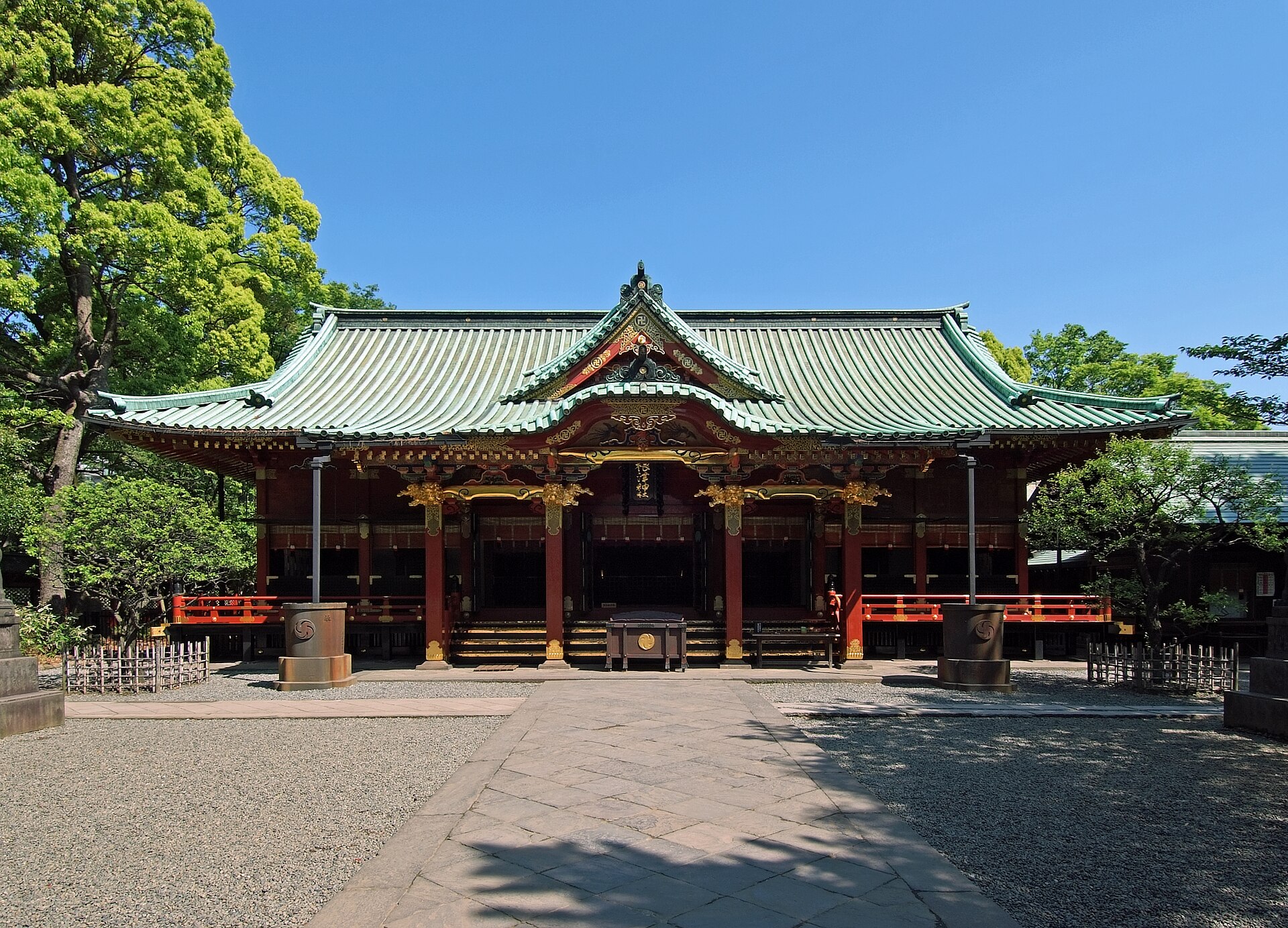
This place is a Place of worship. It was established in 1705. It was built in the Ishi-no-ma-zukuri style. It carries the Important Cultural Property of Japan heritage designation.
Nezu Shrine is a historic Shinto shrine in Tokyo’s Bunkyo ward and one of the city’s oldest surviving places of worship. The shrine is especially known for its azalea plantings, traditional architecture, ponds, stone lanterns and vermilion torii gates. Tree cover gives the precinct a sheltered, garden-like character, creating a marked contrast with the surrounding neighborhoods. Nezu Shrine suits travelers who want a compact cultural walk with architecture, plants and ritual spaces in one setting. The site remains a place of worship, so visitors share the grounds with people attending for religious reasons. Nezu Shrine is a historic Shinto shrine in Tokyo's Bunkyo ward, among the city's oldest surviving places of worship. Nezu Shrine is recognized among Tokyo's oldest surviving shrines, with historical continuity that distinguishes it from many reconstructed or more recent religious sites in the capital.
Checked 2026-08-26 · Source
The precinct brings together a main sanctuary, auxiliary shrine buildings, vermilion torii, stone and bronze lanterns, mature trees, azalea bushes and ponds. The small torii form a tunnel-like passage that is one of the shrine’s most recognizable visual features. Paths connect architectural and garden views without requiring a long walk. Water and planting soften the hard lines of the gates and buildings, while lanterns add detail at eye level. Walk slowly through the grounds to see how the shrine combines a formal sacred layout with a carefully arranged landscape.
Checked 2026-08-26 · Source
Allow thirty minutes to one hour for Nezu Shrine. A shorter visit covers the principal buildings, torii passage, ponds and garden paths. Stay closer to an hour if azaleas are flowering or if you want to photograph lanterns, architecture and planting from several angles. The grounds are compact, but crowded paths can slow the walk during seasonal peaks. The visit is self-paced and works well as part of a Bunkyo neighborhood itinerary, especially when you leave enough time to pause rather than rushing between viewpoints.
Checked 2026-08-26 · Source
Nezu Shrine can be enjoyed in every season, but the azalea flowering period is the strongest reason to plan around a particular time of year. Spring color brings more visitors and slower movement along the paths. Early morning and late afternoon offer calmer conditions and softer light for the gates and garden. Tree cover provides shade in summer, while winter reveals more of the architectural structure through the branches. Rain can make traditional paths slippery, so footwear with a secure sole improves the walk in wet weather.
Checked 2026-08-26 · Source
Nezu Shrine is a religious precinct rather than a ticketed museum, so the main experience is walking through the grounds, viewing the buildings and garden, and taking part in ordinary shrine customs. Visitors may wish to carry yen for offerings or shrine items. Treat any purchase as separate from the cultural walk. The torii passage, ponds, lanterns and azalea landscape provide the principal experience without a scheduled exhibition. A quieter visit is often more valuable than adding extra paid activities to a compact shrine stop.
Checked 2026-08-26 · Source
Nezu Shrine is in Bunkyo ward and is reached through Tokyo’s rail and subway network, followed by a walk through residential streets. The approach includes some gradient, and traditional shrine paths may contain steps or uneven surfaces. Public transport is the practical choice for this urban site; taxis can bring visitors closer to the neighborhood entrance. English wayfinding can be limited, so keep the shrine name available in Japanese as well as English. Once inside, allow extra care on garden paths, especially after rain.
Checked 2026-08-26 · Source
Nezu Shrine combines sacred buildings with garden paths, steps and natural surfaces. Wear stable shoes, watch for damp ground and take care near tree roots. The compact precinct becomes crowded during azalea flowering, so keep moving space clear and be patient at the torii passage. Use respectful behavior at the purification area and sanctuary. Do not disturb lanterns, plants or devotional spaces. Tree cover reduces some sun exposure but does not replace rain protection. The grounds are peaceful, yet they are not a fully level urban walkway.
Checked 2026-08-26 · Source
Nezu Shrine gives photographers a strong set of subjects: vermilion torii, traditional buildings, ponds, lanterns, tree cover and azaleas. The torii tunnel works well for a centered composition, while the garden offers softer, layered views. Morning and late afternoon light can bring out color without the hardest shadows. Crowds increase during azalea season, so move through narrow passages without stopping for long. Keep tripods and large equipment from obstructing paths, and lower the camera when worshippers or ceremonies require privacy.
Checked 2026-08-26 · Source
Nezu Shrine is best known for its historic Shinto setting, extensive azalea plantings, ponds, lanterns and tunnel-like rows of vermilion torii.
Allow thirty minutes to one hour, with extra time for azalea viewing, garden walking and photography during busy seasonal periods.
The azaleas are a major highlight during their spring flowering period, when the shrine attracts more visitors and the paths become busier.
The grounds include a main sanctuary, auxiliary buildings, vermilion torii gates, stone and bronze lanterns, ponds, trees and azalea plantings.
Yes. The torii tunnel, lanterns, architecture, ponds and seasonal azaleas offer varied subjects, while narrow paths require considerate camera use.
Wear stable footwear because the grounds include steps, uneven paths, natural surfaces and areas that can become slippery after rain.
Loading the interactive map…
The interactive map could not be loaded.
Last updated:
Source: OpenStreetMap contributors, Wikidata ·