Sydney Opera House
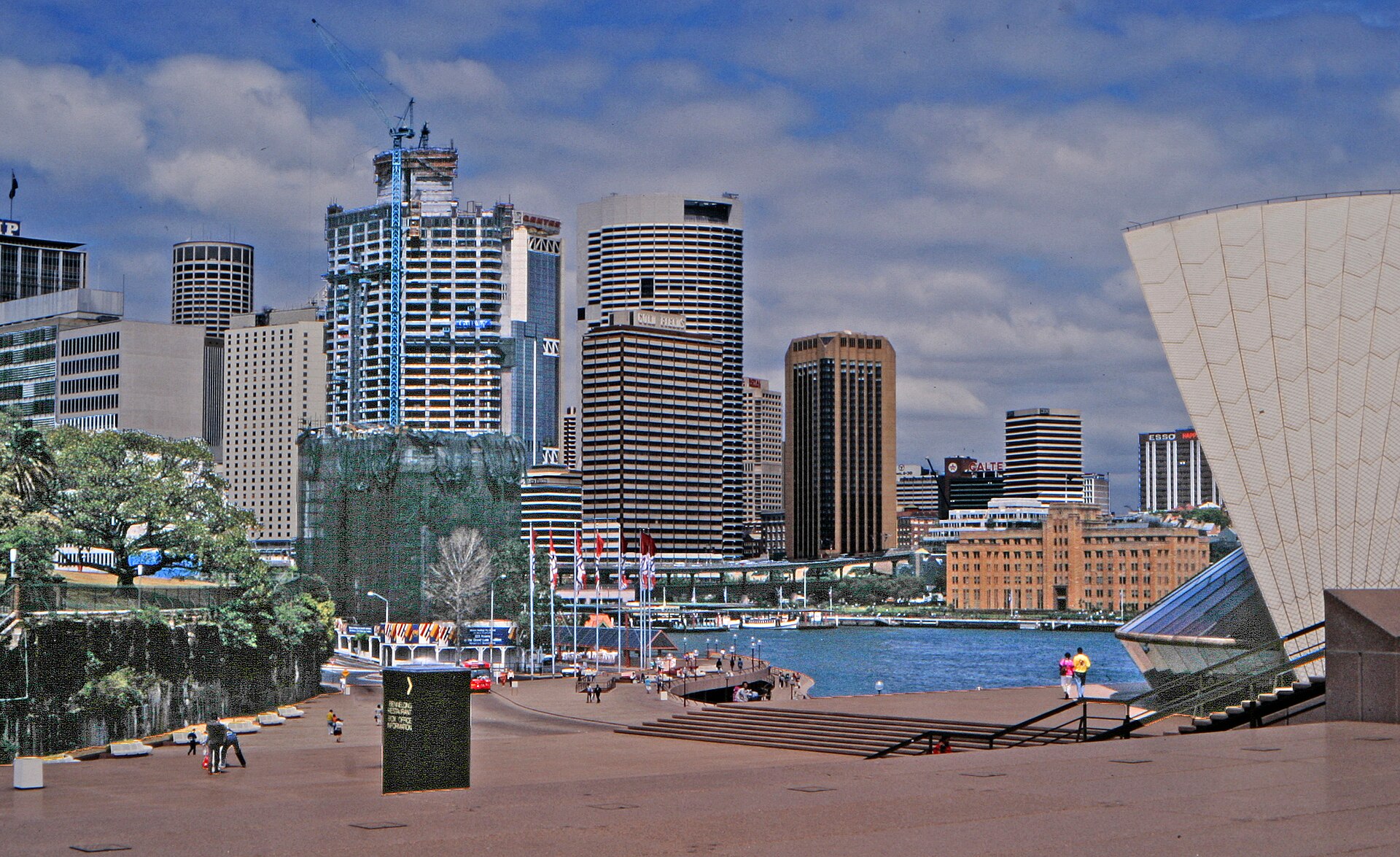
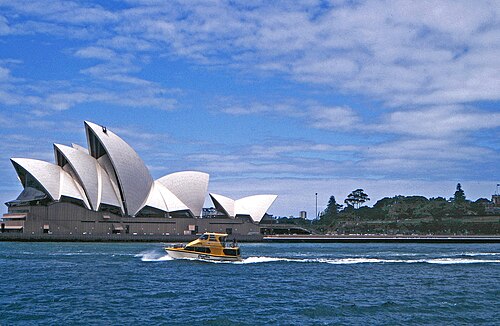
Sydney Opera House is a performing-arts complex at Bennelong Point, where its white sail-like roof shells project into Sydney Harbour beside Circular Quay.
- Must see
- Historic site
City guide · Australia
Sydney is divided by a drowned harbour, steep headlands and long coastal corridors. Circular Quay anchors the Opera House, The Rocks and harbour crossings, whil...
Photograph · W. Bulach · CC BY-SA 4.0
Set your days, your pace and the hours you actually want to be out. The planner works around closing days and travel time, and leaves room to eat.
Editorial responsibility: Elena Voss · Roavina Travel Editor
Sydney is divided by a drowned harbour, steep headlands and long coastal corridors. Circular Quay anchors the Opera House, The Rocks and harbour crossings, while the central business district runs south toward Town Hall and Darling Harbour. Bondi and the eastern beaches occupy a different corridor; Manly begins with a harbour crossing. The city's geography makes transport choices part of the sightseeing plan.
Checked 2026-08-26
November · November in Sydney has mean high 23.8°C, mean low 16.3°C, rainfall 104.0 mm, 12.6 rain days. Mild southern-hemisphere shoulder-season temperatures support long outdoor days. November visitors can plan longer days outside in Sydney with relatively little weather friction.
Ranked by importance — sitelinks, pageviews and heritage status, not editor preference.
76 places match
Category
Typical visit duration
Good for
Interests
Sydney Opera House is a performing-arts complex at Bennelong Point, where its white sail-like roof shells project into Sydney Harbour beside Circular Quay.
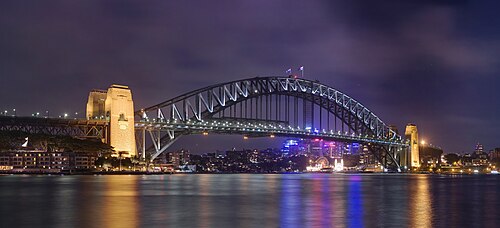
The Sydney Harbour Bridge is a steel through arch bridge spanning Sydney Harbour, connecting the Sydney central business district with the North Shore. Opened in 1932, it carries rail, vehicular, bicycle and pedestrian traffic.
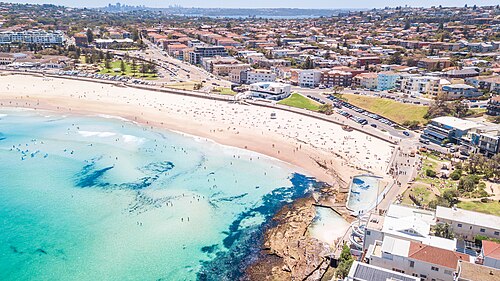
Bondi Beach is Sydney’s broad, crescent-shaped Pacific shoreline, where a long sweep of sand meets surf, sandstone headlands and the busy Bondi promenade.
The Rocks is a historic precinct on the western fringe of Sydney Cove, forming the birthplace of European settlement in Australia. Its sandstone warehouses, laneways, and terraces survive from convict-era foundations through maritime commercial periods to contemporary adaptive reuse.
Royal Botanic Garden
The Royal Botanic Garden Sydney is a major botanical garden occupying a prominent harbourside position in the Sydney central business district.
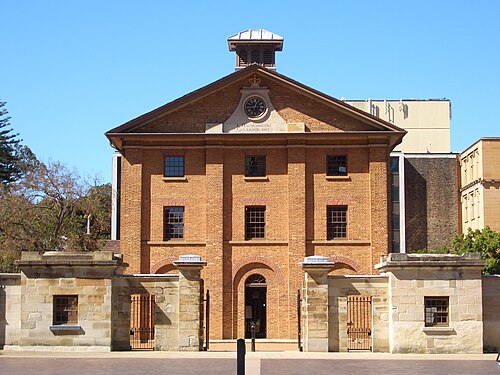
Hyde Park Barracks is a historic Georgian building on Macquarie Street beside Hyde Park in central Sydney. Built in the early nineteenth century, it first housed transported convicts and later served as an immigration depot and government offices.
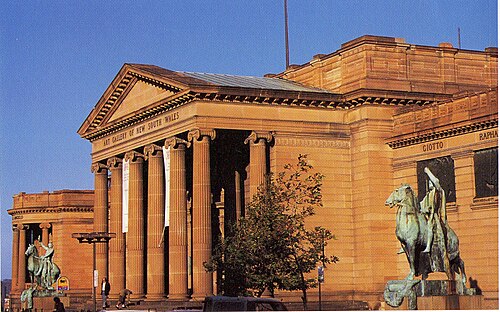
Art Gallery of New South Wales is a major public art museum beside the Domain, combining historic collections with contemporary exhibition spaces.
Taronga Zoo Sydney is a major zoological garden located on the shores of Sydney Harbour in the suburb of Mosman. Established in 1916, it occupies a prominent harbourside position offering views toward the Sydney Opera House and Sydney Harbour Bridge.
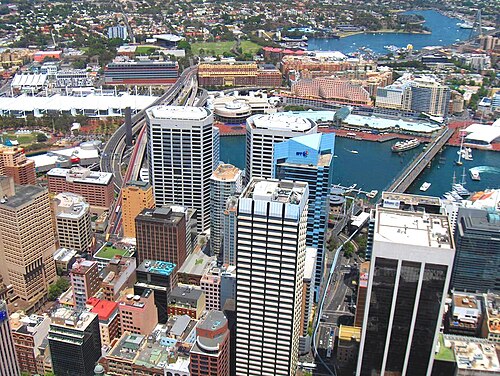
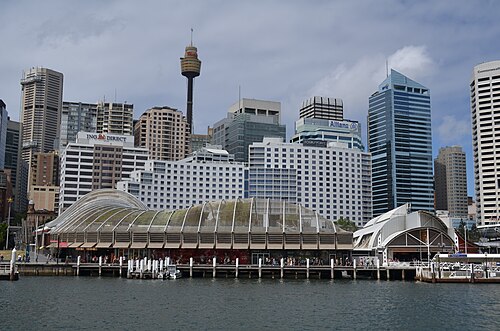
Darling Harbour is Sydney’s waterfront public precinct around Cockle Bay, where a broad promenade connects working harbour views with pedestrian bridges, Tumbalong Park, Darling Quarter, museums and event venues.
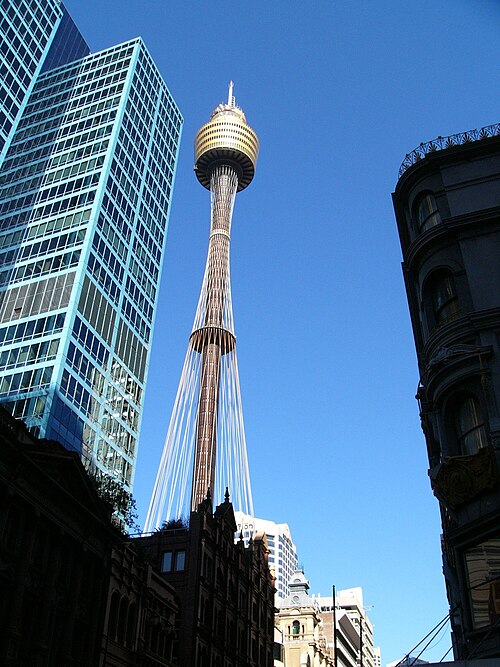
Sydney Tower Eye is Sydney’s elevated observation attraction, reached through Westfield Sydney in the central business district.
Circular Quay is a harbourfront precinct and major transport interchange in Sydney, New South Wales. It serves as the primary ferry terminal for Sydney Harbour, connecting passengers to locations including Manly, Taronga Zoo, and Parramatta.
Museum of Contemporary Art
Museum of Contemporary Art Australia occupies the former Maritime Services Board building on Circular Quay West, beside Sydney Harbour. Its galleries bring contemporary art into direct conversation with the waterfront, ferry movement and the Opera House across the quay.
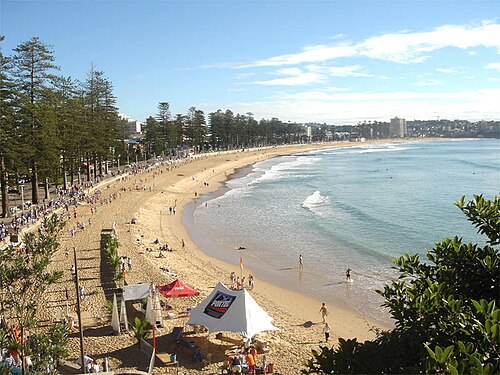
Manly Beach is a broad ocean beach reached through the Manly peninsula, combining surf frontage with a harbour-to-ocean visitor route.
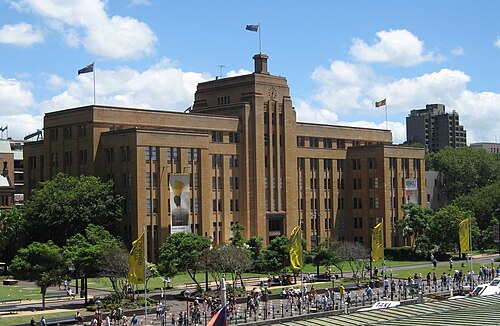
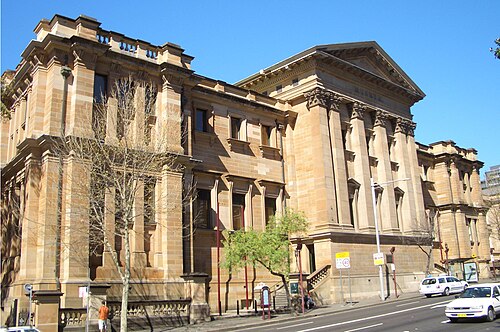
The Australian Museum is Sydney’s natural-history and cultural museum on William Street, opposite Hyde Park and St Mary’s Cathedral. Its collections and exhibitions connect Australian wildlife, geology and biodiversity with First Nations cultural material.
The Queen Victoria Building is a heritage-listed late nineteenth-century building in the Sydney central business district. Designed by architect George McRae and completed in 1898, it occupies an entire city block.
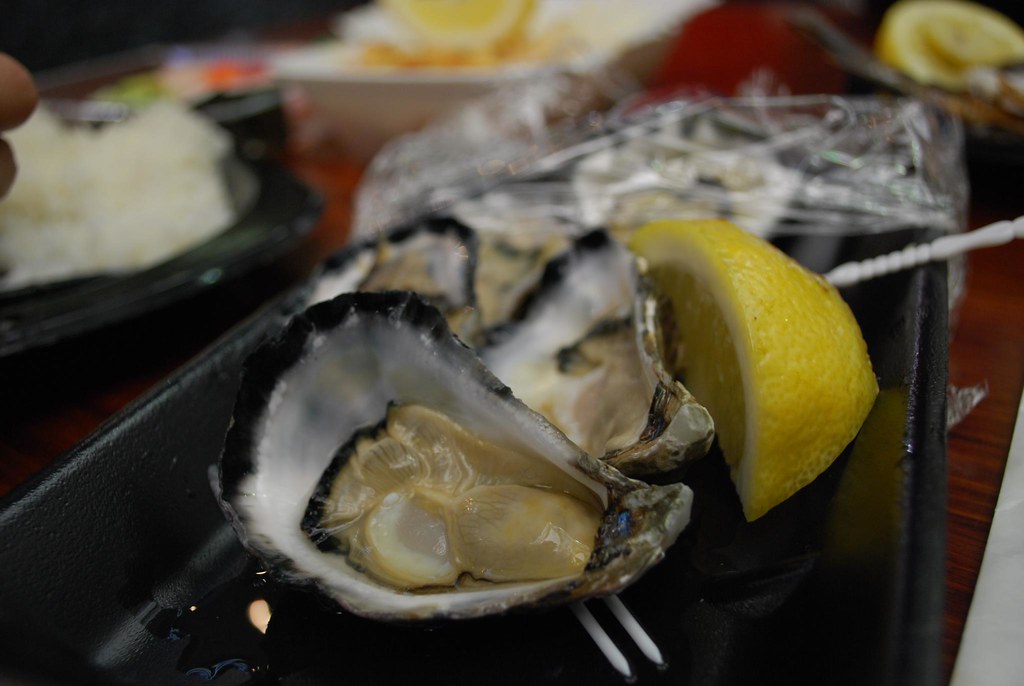
Sydney Fish Market is a working seafood market and visitor destination near Blackwattle Bay in Sydney. Fishmongers, retailers and food vendors serve local shoppers and travellers looking for fresh seafood or prepared meals.
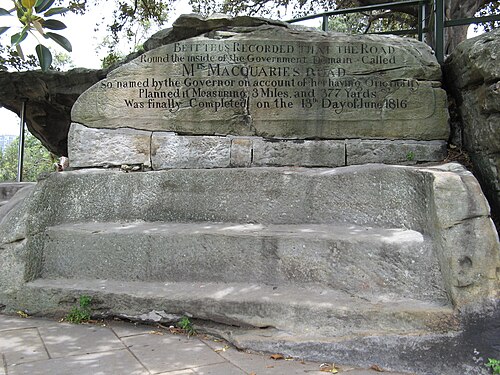
Mrs Macquarie's Chair is a historic carved sandstone bench located on a peninsula in Sydney Harbour. It was hand-carved by convicts in 1810 for Elizabeth Macquarie, the wife of Governor Lachlan Macquarie, who enjoyed sitting and viewing the harbour.
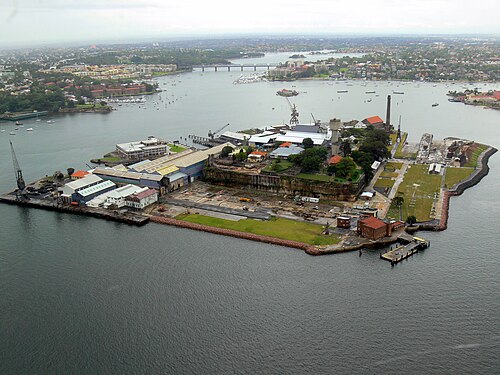
Cockatoo Island is the largest island in Sydney Harbour, positioned where the Parramatta and Lane Cove rivers meet. It forms part of the Australian Convict Sites UNESCO World Heritage property.
Old Government House stands in Parramatta Park, Parramatta, in western Sydney, and is run as a house museum by the National Trust (NSW).
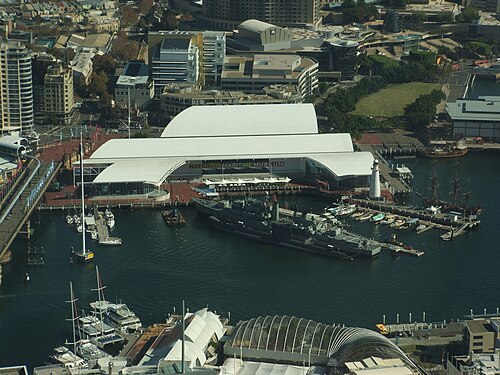
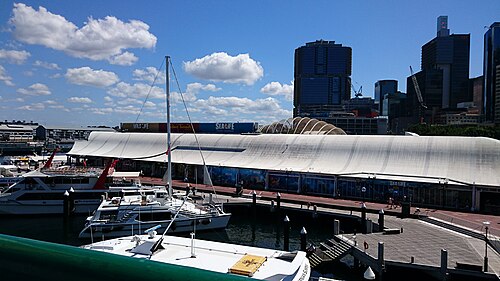
The Australian National Maritime Museum is a major cultural institution located in Sydney's Darling Harbour. It preserves and presents Australia's maritime heritage through exhibitions, vessels, and programs.
SEA LIFE Sydney Aquarium
SEA LIFE Sydney Aquarium is a large public aquarium situated in Darling Harbour, a waterfront entertainment precinct in central Sydney.
WILD LIFE Sydney Zoo
WILD LIFE Sydney Zoo is a wildlife attraction located in the Darling Harbour precinct of Sydney. The facility presents Australian native animals in themed habitat zones designed for visitor engagement and education.
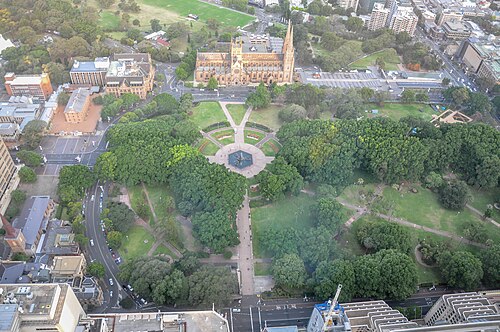
Hyde Park is a 16-hectare public park in the centre of Sydney, stretching between the city’s museum and civic precincts. Governor Macquarie proclaimed and named it in 1810, and the City of Sydney identifies it as Australia’s oldest park.
Begin at Circular Quay for the Opera House, The Rocks and the harbour edge, then continue south through the city only if the day's museums fit. Darling Harbour forms a western loop from the central grid. Give Bondi and the eastern beaches their own route, and make Manly a ferry-led outing. The Blue Mountains are a regional rail day, not an addition to a central afternoon.
Checked 2026-08-26
Transport for NSW coordinates metro, trains, buses, ferries and light rail, but each mode answers a different piece of Sydney's geography. Ferries serve harbour destinations, rail handles long urban and regional corridors, and light rail or buses connect areas away from heavy rail. Walk within The Rocks, the central grid or one beach district. Check live service information before relying on a harbour or outer-suburban return.
Checked 2026-08-26
Suggested stay for a first visit: 3–5 days. Cover Circular Quay, The Rocks and the central city first, then budget separate time for an eastern-beaches route, Manly or a regional excursion.
Group the Opera House and The Rocks around Circular Quay. Continue through the central grid to Darling Harbour on another loop, and avoid combining Bondi with Manly merely because both are coastal names.
Choose among metro, train, bus, ferry and light rail according to the corridor. Transport for NSW publishes the current journey and disruption information; harbour crossings should be checked like any other scheduled service.
Circular Quay, The Rocks and much of the central grid connect well on foot. Harbour water, steep approaches and the distance to the beaches prevent the wider destination from becoming one continuous walk.
Manly depends on a harbour crossing, the eastern beaches use a different urban corridor, and the Blue Mountains require a regional journey. Check the final workable return for whichever outward trip is chosen.