Roavina

City guide · Australia

Sydney

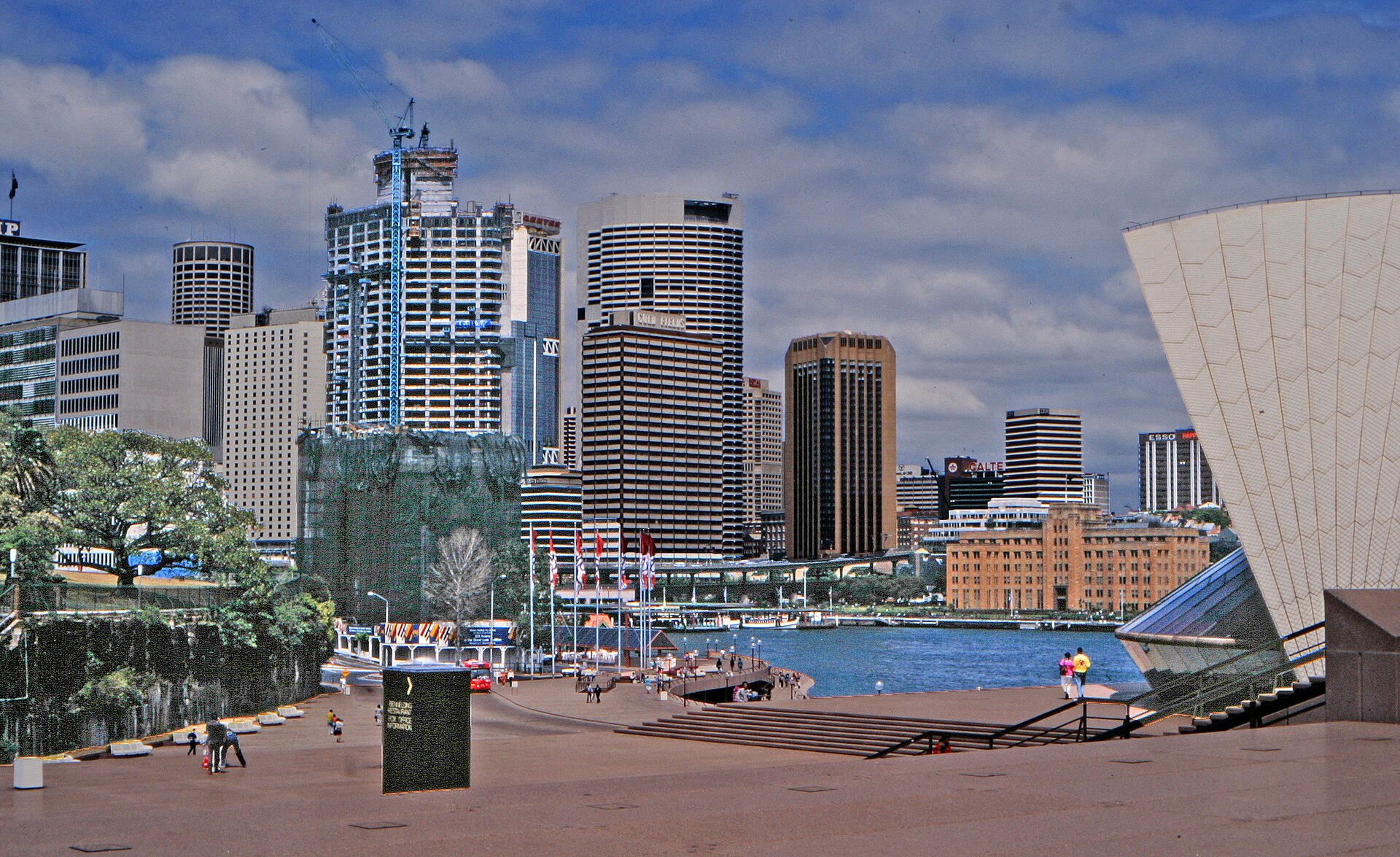
A photograph of Sydney
Photograph · W. Bulach · CC BY-SA 4.0

Sydney is divided by a drowned harbour, steep headlands and long coastal corridors. Circular Quay anchors the Opera House, The Rocks and harbour crossings, while the central business district runs south toward Town Hall and Darling Harbour. Bondi and the eastern beaches occupy a different corridor; Manly begins with a harbour crossing. The city's geography makes transport choices part of the sightseeing plan.

Reviewed by Elena Voss · Roavina Travel Editor

Practical information

Language spoken
English is the principal language; no federal official language
National practical orientation; regional and minority languages may also be used
Dialling code
+61
International calling code; local area and mobile prefixes still apply
Currency
Australian dollar (AUD)
Use the official local currency; card acceptance varies by place
Emergency number
000
Use only for an emergency; tourist assistance may use a separate number
Plug type
Type I · 230 V
Check that chargers support the recorded voltage before using an adapter
Tap water
Safe from treated public supplies
Follow local notices in remote communities and after disruptions

Turn this list into a plan

Set your days, your pace and the hours you actually want to be out. The planner works around closing days and travel time, and leaves room to eat.

Plan Sydney

Planning a visit

Suggested stay
Not recorded
Getting around
Walking, metro, train, bus, ferry and light rail
  1. January: good time to visit
  2. February: good time to visit
  3. March: best time to visit
  4. April: best time to visit
  5. May: good time to visit
  6. June: good time to visit
  7. July: viable with meaningful trade-offs
  8. August: good time to visit
  9. September: best time to visit — current month
  10. October: best time to visit
  11. November: best time to visit
  12. December: good time to visit
  • Best time
  • Good time
  • Viable with trade-offs
  • Difficult conditions

Sources

Top things to see

Ranked by importance — sitelinks, pageviews and heritage status, not editor preference.

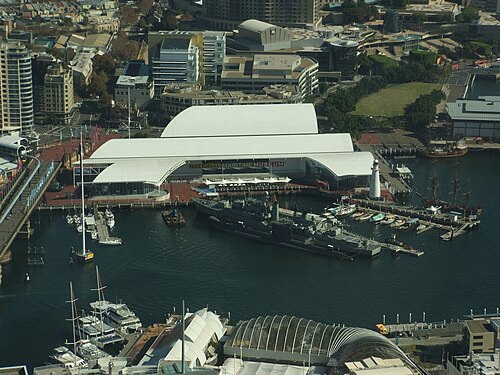
  1. Australian National Maritime Museum Australian National Maritime Museum
    02 1 hr 30 min

    Australian National Maritime Museum

    The Australian National Maritime Museum is a major cultural institution located in Sydney's Darling Harbour. It preserves and presents Australia's maritime heritage through exhibitions, vessels, and programs.

    • Must see
    • Museum
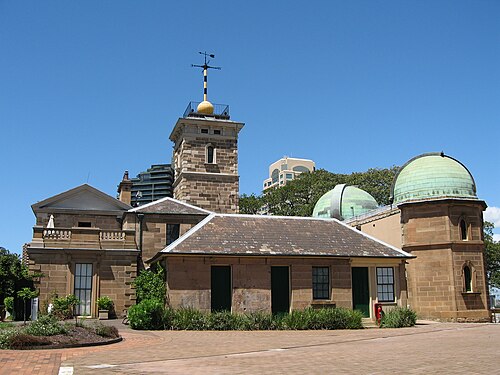
  2. Sydney Observatory Sydney Observatory
    03 1 hr 30 min

    Sydney Observatory

    Sydney Observatory is a heritage astronomical observatory and museum located in The Rocks area of Sydney. Established in 1858, it occupies a prominent position on Observatory Hill near the harbour.

    • Must see
    • Museum
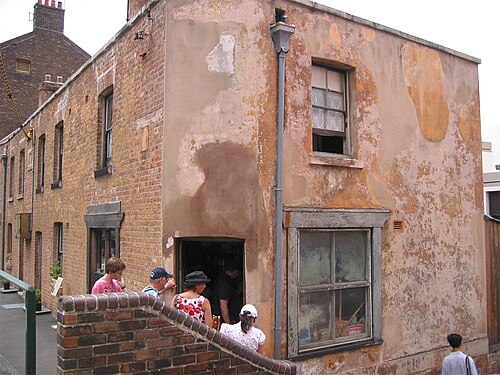
  3. Susannah Place Museum Susannah Place Museum
    04 1 hr 30 min

    Susannah Place Museum

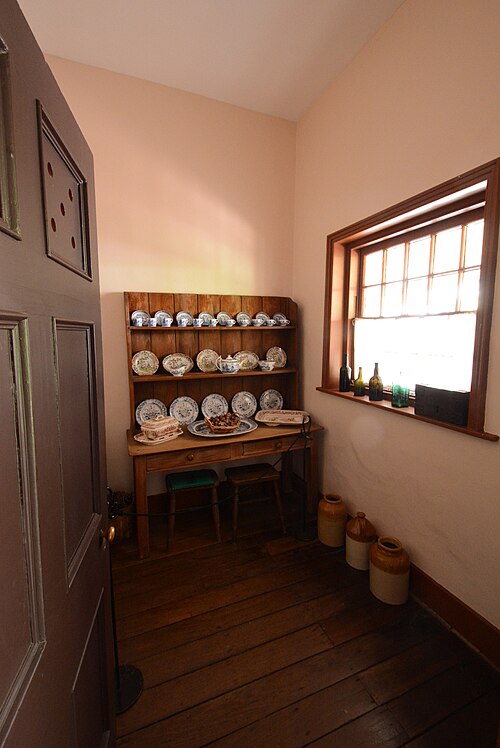
    Susannah Place Museum preserves a terrace of four houses built in 1844 in Sydney’s The Rocks. The site presents working-class domestic life across more than 150 years, showing how successive families lived within a compact urban terrace.

    • Must see
    • Museum
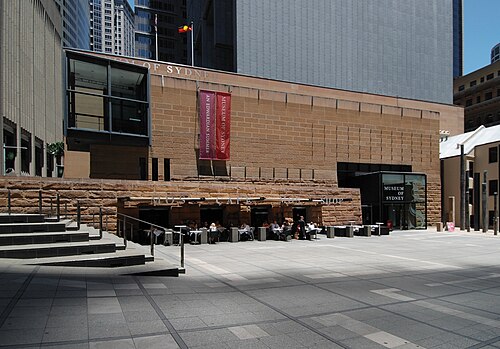
  4. Museum of Sydney Museum of Sydney
    05 1 hr 30 min

    Museum of Sydney

    The Museum of Sydney is a history museum near Circular Quay on the site of Australia’s first Government House, built in 1788. It explores Sydney’s colonial foundations, Indigenous history and continuing urban development through archaeology, objects, art and multimedia.

    • Must see
    • Museum
  5. Hyde Park Barracks Hyde Park Barracks
    06 1 hr 30 min

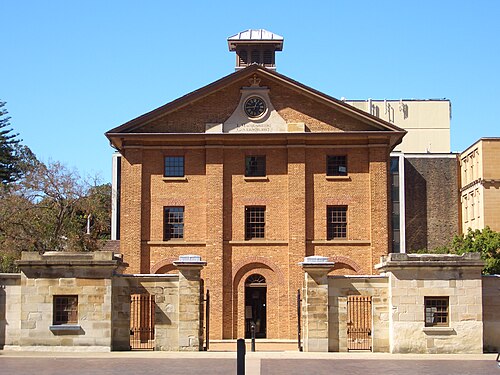
    Hyde Park Barracks

    Hyde Park Barracks is a historic Georgian building on Macquarie Street beside Hyde Park in central Sydney. Built in the early nineteenth century, it first housed transported convicts and later served as an immigration depot and government offices.

    • Must see
    • Museum
  6. Sydney Mint Sydney Mint
    07 1 hr 30 min

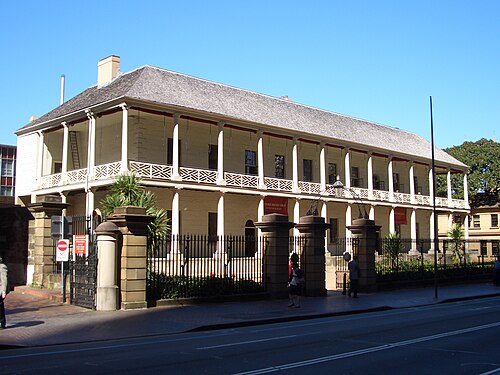
    Sydney Mint

    The Mint

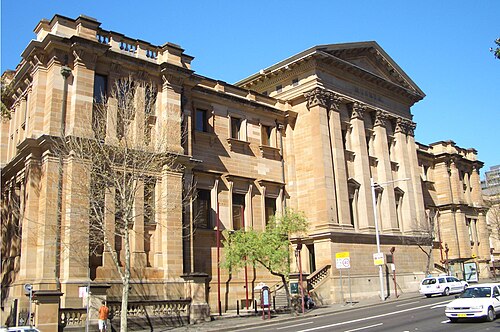
    The Mint is a heritage building in Sydney associated with Australia’s colonial period and the early development of the city. Its sandstone construction reflects the architectural character of historic Sydney.

    • Must see
    • Museum
  7. Elizabeth Bay House Elizabeth Bay House
    08 1 hr 30 min

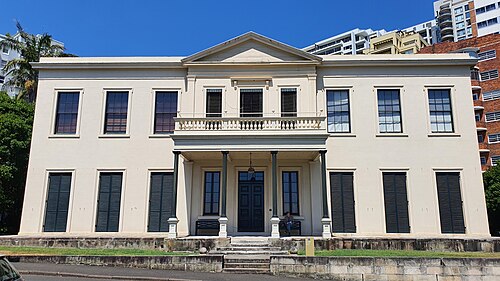
    Elizabeth Bay House

    Elizabeth Bay House is an 1830s colonial residence built for Alexander Macleay, the colony’s colonial secretary, in Sydney’s inner east.

    • Must see
    • Museum
  8. Cockatoo Island Cockatoo Island
    09 1 hr 30 min

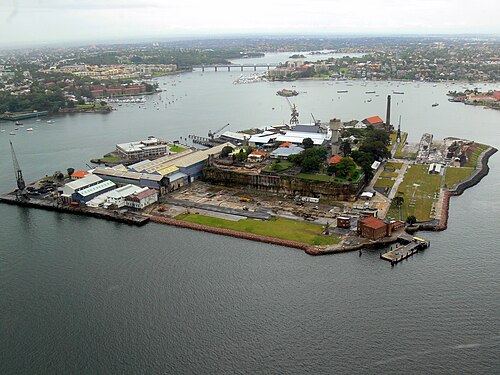
    Cockatoo Island

    Cockatoo Island is the largest island in Sydney Harbour, positioned where the Parramatta and Lane Cove rivers meet. It forms part of the Australian Convict Sites UNESCO World Heritage property.

    • Must see
    • Museum
  9. Elizabeth Farm Elizabeth Farm
    10 1 hr 30 min

    Elizabeth Farm

    Elizabeth Farm is a historic house museum in Sydney's Parramatta area and one of Australia's oldest surviving European buildings. John and Elizabeth Macarthur's house was constructed in 1793 and is closely connected with the beginnings of Australia's wool industry.

    • Must see
    • Museum
  10. Experiment Farm Cottage Experiment Farm Cottage
    11 1 hr 30 min

    Experiment Farm Cottage

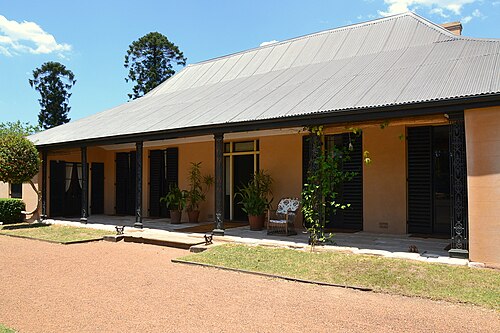
    Experiment Farm Cottage is a heritage property in Parramatta, western Sydney, connected with Australia’s early colonial agricultural history. The cottage represents the period when European settlers experimented with farming and food production around the developing colony.

    • Must see
    • Museum

Source: OpenStreetMap contributors, Wikidata ·

How the city is laid out

Begin at Circular Quay for the Opera House, The Rocks and the harbour edge, then continue south through the city only if the day's museums fit. Darling Harbour forms a western loop from the central grid. Give Bondi and the eastern beaches their own route, and make Manly a ferry-led outing. The Blue Mountains are a regional rail day, not an addition to a central afternoon.

Checked 2026-08-26

Getting around

Transport for NSW coordinates metro, trains, buses, ferries and light rail, but each mode answers a different piece of Sydney's geography. Ferries serve harbour destinations, rail handles long urban and regional corridors, and light rail or buses connect areas away from heavy rail. Walk within The Rocks, the central grid or one beach district. Check live service information before relying on a harbour or outer-suburban return.

Checked 2026-08-26

Common questions

How many days should I spend in Sydney?

Sydney has no single officially recorded stay length. Cover Circular Quay, The Rocks and the central city first, then budget separate time for an eastern-beaches route, Manly or a regional excursion.

How should I organise sightseeing in Sydney?

Group the Opera House and The Rocks around Circular Quay. Continue through the central grid to Darling Harbour on another loop, and avoid combining Bondi with Manly merely because both are coastal names.

How do I get around Sydney?

Choose among metro, train, bus, ferry and light rail according to the corridor. Transport for NSW publishes the current journey and disruption information; harbour crossings should be checked like any other scheduled service.

Can I explore Sydney mainly on foot?

Circular Quay, The Rocks and much of the central grid connect well on foot. Harbour water, steep approaches and the distance to the beaches prevent the wider destination from becoming one continuous walk.

Which Sydney trips need separate planning?

Manly depends on a harbour crossing, the eastern beaches use a different urban corridor, and the Blue Mountains require a regional journey. Check the final workable return for whichever outward trip is chosen.