
4 min walk
Circular Quay
- Must see
- Activity
Museum · Sydney
| Monday | 10:00 – 17:00 |
|---|---|
| Tuesday | 10:00 – 17:00 |
| Wednesday | 10:00 – 17:00 |
| Thursday | 10:00 – 17:00 |
| Friday | 10:00 – 17:00 |
| Saturday | 10:00 – 17:00 |
| Sunday | 10:00 – 17:00 |
Parsed from OpenStreetMap opening hours on 2026-09-09.
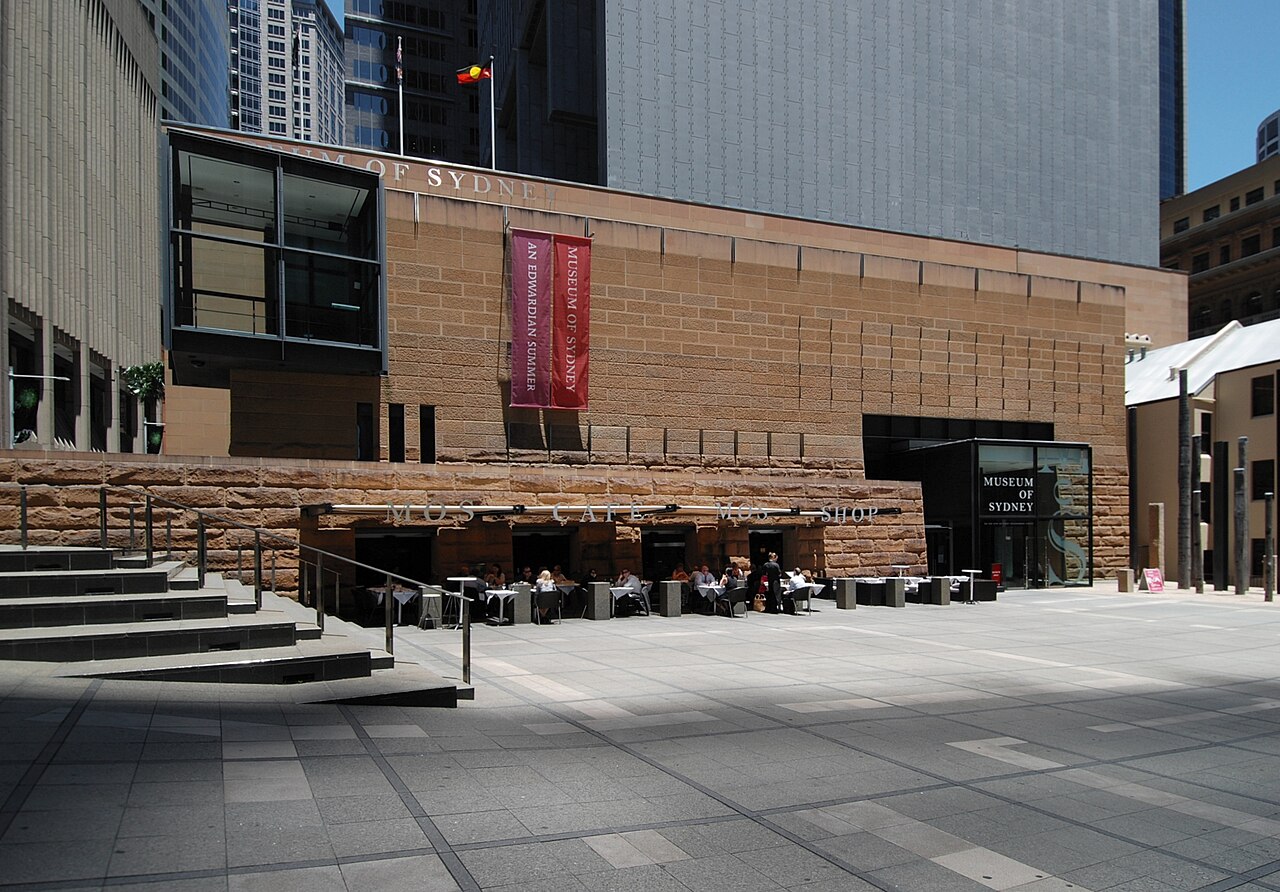
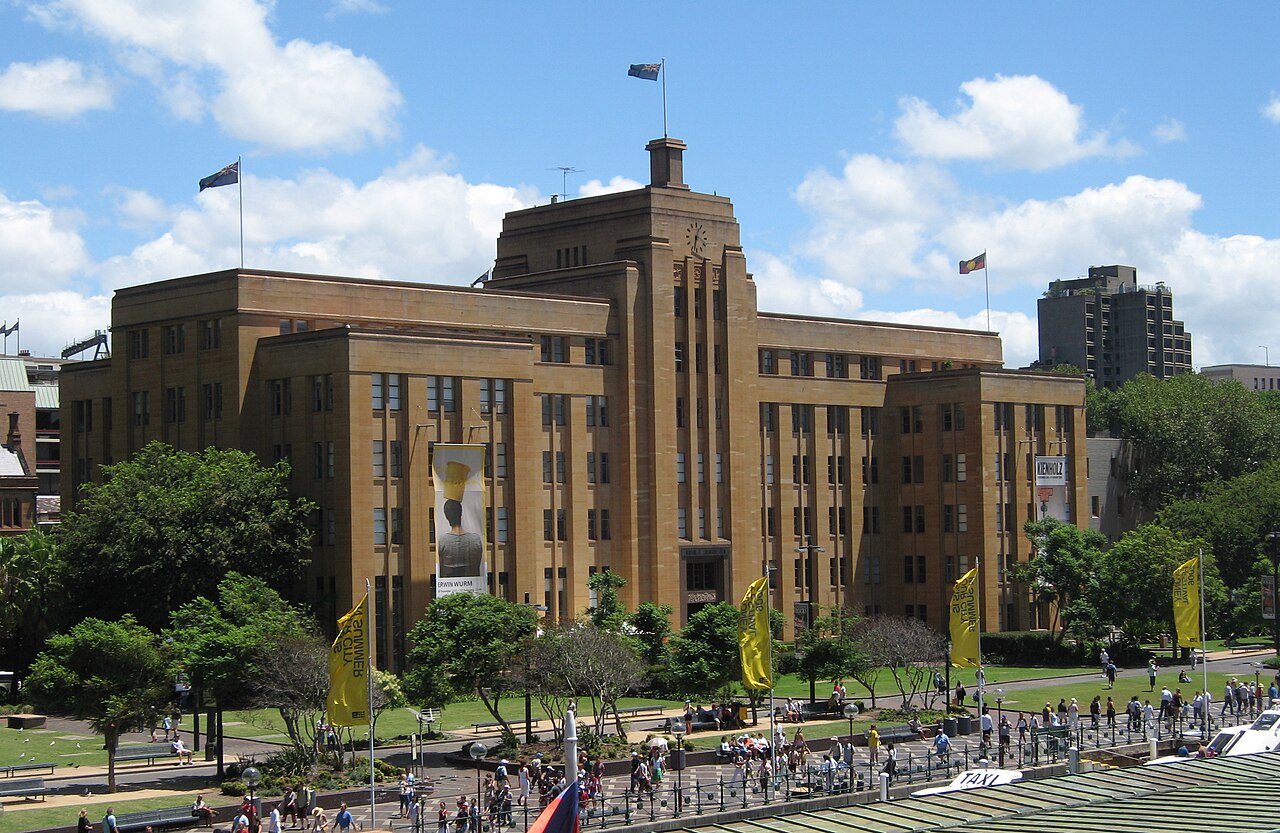
The Museum of Sydney is a history museum near Circular Quay on the site of Australia’s first Government House, built in 1788. It explores Sydney’s colonial foundations, Indigenous history and continuing urban development through archaeology, objects, art and multimedia. The location gives the museum unusual historical depth: the building stands directly above the remains of an early centre of colonial administration and settlement. The Museum of Sydney is a history museum located in Sydney, New South Wales. It occupies the site of Australia's first Government House, built in 1788. The museum explores colonial and contemporary Sydney through archaeological remains, collections, and multimedia presentations. It serves as a key institution for understanding the city's origins and development, positioned near Circular Quay in the central business district. The site itself carries significant historical weight as the foundation point of British settlement in Australia. The museum presents historical content through archaeological remains and multimedia, which may engage school-age children with adult guidance. Younger children might find interpretive depth challenging.
Checked 2026-08-26 · Source
Glass flooring and display structures reveal archaeological remains from the original Government House foundations. Galleries place those remains alongside historical artefacts, documents, artworks, multimedia installations and interpretive panels. Exhibitions address Indigenous history, colonial administration and the transformation of Sydney’s urban landscape. Temporary exhibitions add changing subjects to the museum’s core historical setting. The result is a layered visit in which physical ruins and modern interpretation sit together. The museum presents archaeological fragments of the original Government House foundations, visible through glass flooring and display structures. Exhibitions address Indigenous history, colonial administration, and urban transformation. Multimedia installations and interpretive panels provide narrative context. The collection includes historical artifacts, documents, and artworks relating to Sydney's past. Temporary exhibitions rotate through dedicated gallery spaces. The integration of physical ruins with modern museum infrastructure creates a distinctive visitor experience centered on layered historical interpretation.
Checked 2026-08-26 · Source
Allow one to two hours for the main museum experience. This provides time to examine the archaeological remains, read the interpretation and engage with multimedia displays. Visitors with a strong interest in colonial history, archaeology or Sydney’s urban development may stay longer, particularly when a temporary exhibition adds material to the route. The compact location also makes the museum practical as one stop within a larger Circular Quay walking day. Visitors typically allocate between one and two hours for a comprehensive visit to the Museum of Sydney. This duration allows adequate time to examine the archaeological remains, read interpretive materials, and engage with multimedia displays.
Checked 2026-08-26 · Source
Morning is a good choice when you want more space for reading and viewing the archaeological displays. Weekends and school holidays can bring heavier visitor numbers, especially in the busy Circular Quay precinct. March to May and September to November offer comfortable conditions for combining the museum with nearby outdoor attractions. From December to February, plan around warmer weather and greater tourism activity. The museum also provides a useful indoor anchor when rain disrupts harbour sightseeing.
Checked 2026-08-26 · Source
Plan the visit around its historical galleries, archaeological remains and changing exhibitions rather than a particular fare. Its central location makes it easy to combine with the Royal Botanic Garden, Sydney Opera House or Circular Quay waterfront. A longer visit is worthwhile for travellers who read the detailed interpretation and compare the physical site with the city outside.
Checked 2026-08-26 · Source
The museum is near Circular Quay station, about a five-minute walk from the train platform. Ferry terminals serve the same interchange, and buses run through the surrounding central streets. It is straightforward to walk from the Sydney Opera House or Royal Botanic Garden, making the museum a natural part of a harbour route. Because the precinct is heavily visited, allow a little extra time for pedestrian movement around Circular Quay.
Checked 2026-08-26 · Source
The archaeological remains are viewed through glass flooring and display structures, so watch your footing and move carefully near viewing points. Crowds may gather around the foundations, especially during busy periods. Temporary exhibitions can change the balance of the museum experience, and urban noise or construction may be noticeable outside. Follow guidance around sensitive objects and displays. The museum rewards attentive reading, so a rushed circuit can leave much of its historical detail unseen.
Checked 2026-08-26 · Source
The museum’s archaeological foundations, glass flooring and layered galleries offer distinctive subjects for personal photographs. Avoid flash, tripods or filming practices that obstruct circulation or disturb other visitors. The strongest images often connect the visible remains with the modern museum structure, showing how Sydney’s present city stands above its early colonial site.
Checked 2026-08-26 · Source
It stands on the site of Australia’s first Government House, built in 1788, with archaeological remains presented inside.
The museum presents Government House foundations, historical artefacts, documents, artworks, multimedia displays and temporary exhibitions.
Plan about one to two hours, with extra time for detailed interpretation or temporary exhibitions.
It is near Circular Quay in central Sydney, within walking distance of the Sydney Opera House and Royal Botanic Garden.
Yes. Its exhibitions address Indigenous history alongside colonial administration and the transformation of Sydney.
Circular Quay train services, ferries and buses provide access, and the museum is also easy to reach on foot from nearby harbour landmarks.
Loading the interactive map…
The interactive map could not be loaded.
Last updated:
Source: OpenStreetMap contributors, Wikidata ·