3 min walk
Museum of Contemporary Art Australia
- Must see
- Art and culture venue
Language · 11 published
Activity · Sydney
Reviewed by Elena Voss · Roavina Travel Editor
Read from the OpenStreetMap access tags; anything not listed has no tag recorded.
Set the group type to family in the planner and the day window contracts to about three quarters of a solo day.
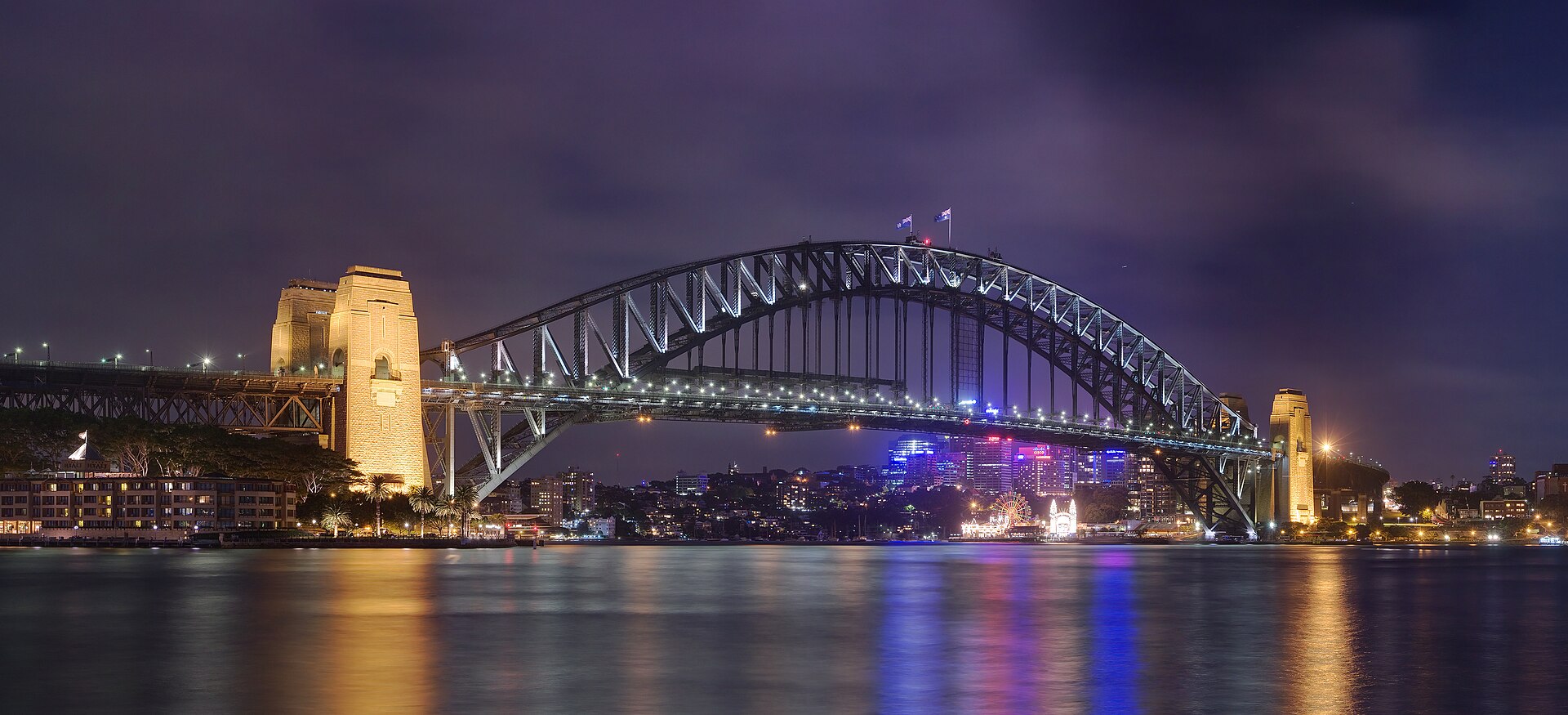
Circular Quay is a harbourfront precinct and major transport interchange in Sydney, New South Wales. It serves as the primary ferry terminal for Sydney Harbour, connecting passengers to locations including Manly, Taronga Zoo, and Parramatta. The site occupies a semicircular indentation in the shoreline between the Sydney Harbour Bridge and the Sydney Opera House. Historically, it functioned as the original shipping port for the colony of New South Wales. Today it remains a central gathering point for commuters, tourists, and harbour cruise operators, with pedestrian plazas linking to the Royal Botanic Garden and The Rocks district.
Checked 2026-08-31 · Source
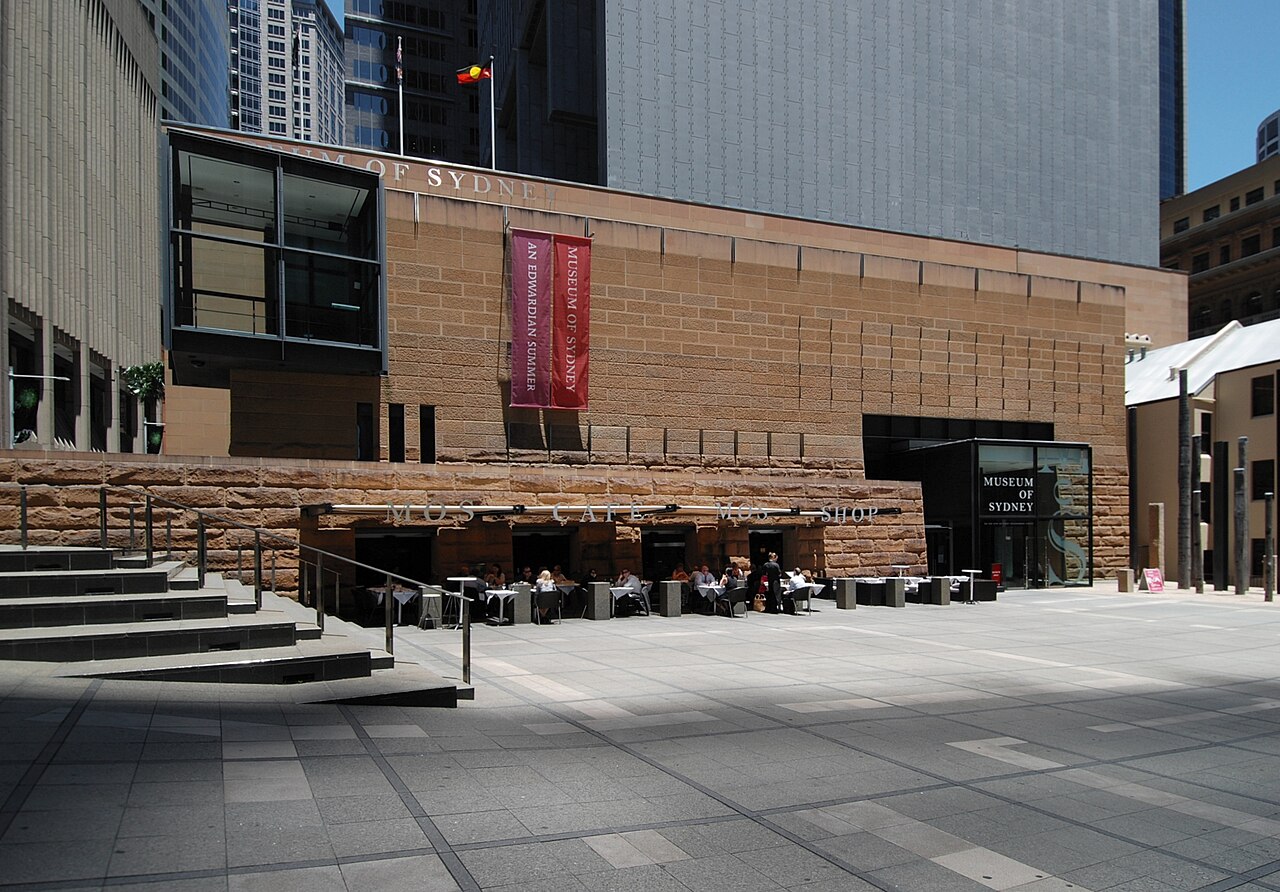
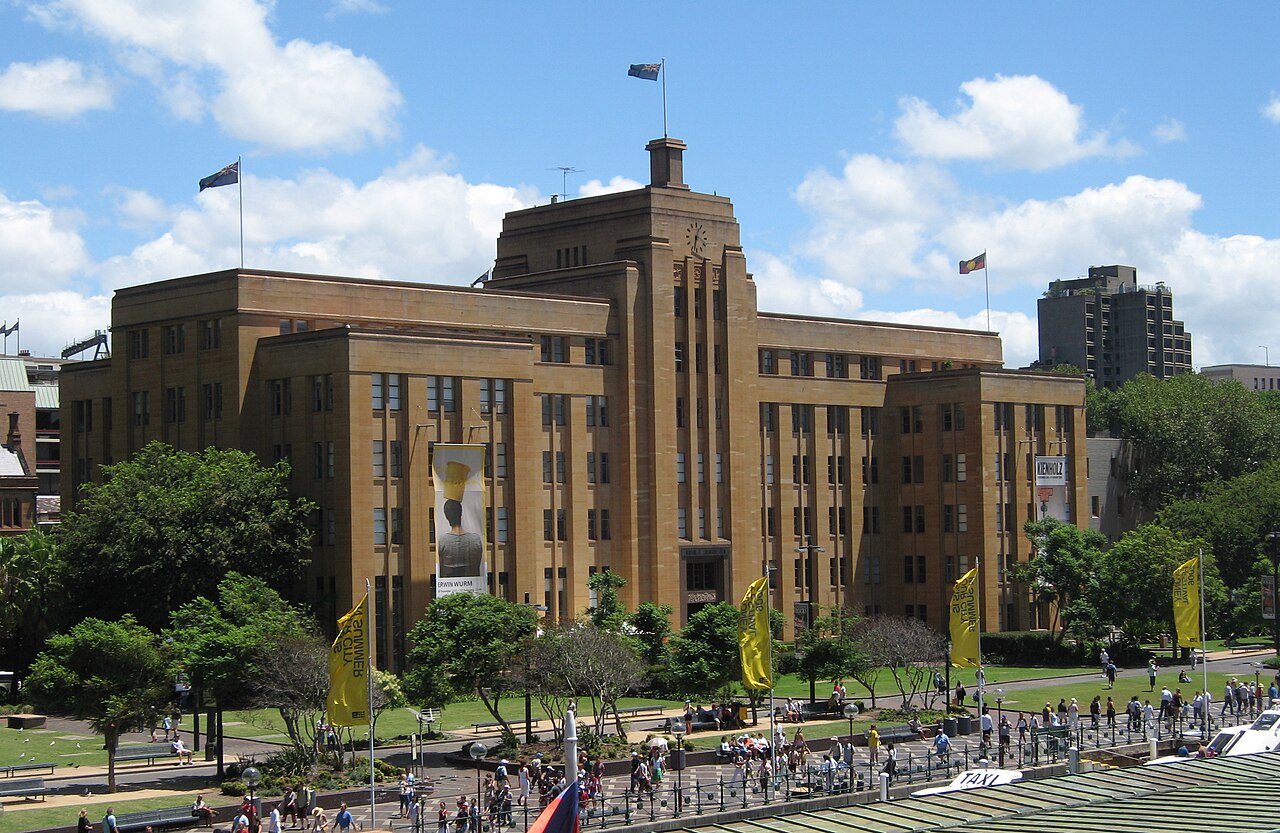
The precinct contains multiple ferry wharves numbered sequentially, rail platforms at Circular Quay railway station, and bus interchanges. Street-level areas feature pedestrian promenades with views across the harbour. Commercial tenancies include restaurants, cafes, and souvenir retailers concentrated along the western and eastern approaches. The Museum of Contemporary Art Australia stands at the western edge. Public seating and viewing areas face the water. The Sydney Opera House is accessible via the eastern walkway. No enclosed visitor attraction with controlled entry operates within the quay itself; it functions as open public space with transport infrastructure.
Checked 2026-08-31 · Source
Visitors typically allocate between thirty minutes and two hours for Circular Quay depending on purpose. Transit passengers may pass through in under fifteen minutes when making ferry or rail connections. Those combining harbour viewing with a meal or awaiting a scheduled cruise often remain longer. The surrounding area warrants additional time if visiting the Museum of Contemporary Art Australia or walking to the Sydney Opera House. No timed entry or structured itinerary applies to the public spaces. Individual ferry journeys originate here but constitute separate activities with their own durations.
Checked 2026-08-31 · Source
The waterfront promenades are public realm with no precinct opening timetable or weekly closure day. Circular Quay railway station closes daily from 01:30 to 04:00; ferries, light rail, businesses and attractions follow separate operating times. Temporary events, capacity controls or transport disruptions may restrict particular areas without closing the entire precinct. Circular Quay operates continuously as a transport hub, with ferry and rail services running throughout the day. Peak commuter periods occur weekday mornings and evenings. Daytime and evening hours draw elevated tourist presence, particularly when cruise ships berth nearby. Seasonal weather patterns affect outdoor comfort; summer months bring higher temperatures and ultraviolet exposure, while winter delivers cooler conditions with reduced rainfall compared to summer.
Checked 2026-08-31 · Source
Free. Place Management NSW classifies the Circular Quay promenades as public realm; its policy states that passive city-centre and foreshore open spaces are generally accessible without cost. Public transport, cruises and nearby attractions charge separately. Ferry and train services require valid Opal card or contactless payment; specific fare structures depend on journey destination and mode interchange. No general admission fee applies to the public promenade areas. Harbour cruises and commercial experiences operating from the wharves set independent pricing. The precinct contains no single ticketing authority for all activities; payment obligations vary by service provider and are not consolidated at point of entry.
Checked 2026-08-31 · Source
Arrive at Circular Quay railway station on the T2, T3, T4 or T8 lines; at the Circular Quay light-rail terminus on the L2 Randwick or L3 Kingsford line; by Sydney Ferries at wharves 2–5; or by buses stopping around Alfred Street. The public-transport interchange is beside the southern promenade, between walking routes to The Rocks and the Sydney Opera House. This is the named approach for an independent visit. Circular Quay railway station sits on the City Circle line with services from Central, Town Hall, and Wynyard stations. Multiple bus routes terminate at adjacent street stops. Ferry services from other harbour locations arrive at dedicated wharves. Walking access connects to the Sydney Opera House eastward and The Rocks northwestward via First Fleet Park and the Overseas Passenger Terminal.
Checked 2026-08-31 · Source
Circular Quay railway station is designated for independent access and has a lift, escalators, platform-edge tactile paving and wheelchair-ramp boarding assistance. The station provides toilets, a wheelchair-accessible toilet and a baby-change table. Circular Quay ferry wharves 2, 3, 4 and 5 have level or ramped wheelchair access. Ferry gangway gradients change with the tide at Circular Quay, so assisted boarding may be required at low tide. The access description applies to the documented visitor route. Pedestrian congestion intensifies during morning and evening commuter peaks, cruise ship arrival days, and major public events. Cyclists share some forecourt areas; collision risk exists in high-density zones. Sun exposure is pronounced on open wharves; shade is limited. Seagulls congregate near food outlets.
Checked 2026-08-31 · Source
The quay offers established sightlines toward the Sydney Opera House, Sydney Harbour Bridge, and harbour traffic including ferries and sailing vessels. Early morning and late afternoon provide angled sunlight across the water. Midday exposure produces harsh shadows and elevated contrast. Night photography captures illuminated architecture and vessel navigation lighting. Tripod use in high-traffic areas may obstruct pedestrian flow and attract security attention. No permit requirement for personal photography is publicly indicated. Commercial or organised photography may require separate authorisation from Transport for NSW or relevant land management. Weather conditions including harbour fog and storm systems create variable atmospheric effects.
Checked 2026-08-31 · Source
Yes. The promenades are passive public-realm space and have no general admission charge; transport journeys, cruises and nearby attractions are separate.
No weekly closure day applies to the public promenades. Circular Quay railway station, however, closes from 01:30 to 04:00 every day.
Wharves 2, 3, 4 and 5 have level or ramped access for wheelchairs and walking aids, although the gangway gradient can require assistance at low tide.
Yes. Transport for NSW designates the station for independent access and lists a lift, wheelchair-ramp boarding assistance and platform-edge tactile paving.
The L2 Randwick line and L3 Kingsford line both terminate at Circular Quay and operate daily between approximately 05:00 and 01:00.
Facilities include standard and wheelchair-accessible toilets, a baby-change table, taxi rank, bicycle racks, emergency help point, service displays and Opal ticket or top-up machines.
Loading the interactive map…
The interactive map could not be loaded.
Last updated:
Source: OpenStreetMap contributors ·