
2 min walk
The Rocks
- Must see
- Historic monument
Language · 11 published
Museum · Sydney
Reviewed by Elena Voss · Roavina Travel Editor
| Monday | Closed |
|---|---|
| Tuesday | Closed |
| Wednesday | Closed |
| Thursday | 10:00 – 17:00 |
| Friday | 10:00 – 17:00 |
| Saturday | 10:00 – 17:00 |
| Sunday | Closed |
Parsed from OpenStreetMap opening hours on 2026-09-09.
This place is a Museum. It was established in 1990. It carries the Heritage Act — State Heritage Register heritage designation. It is run by Museums of History NSW.
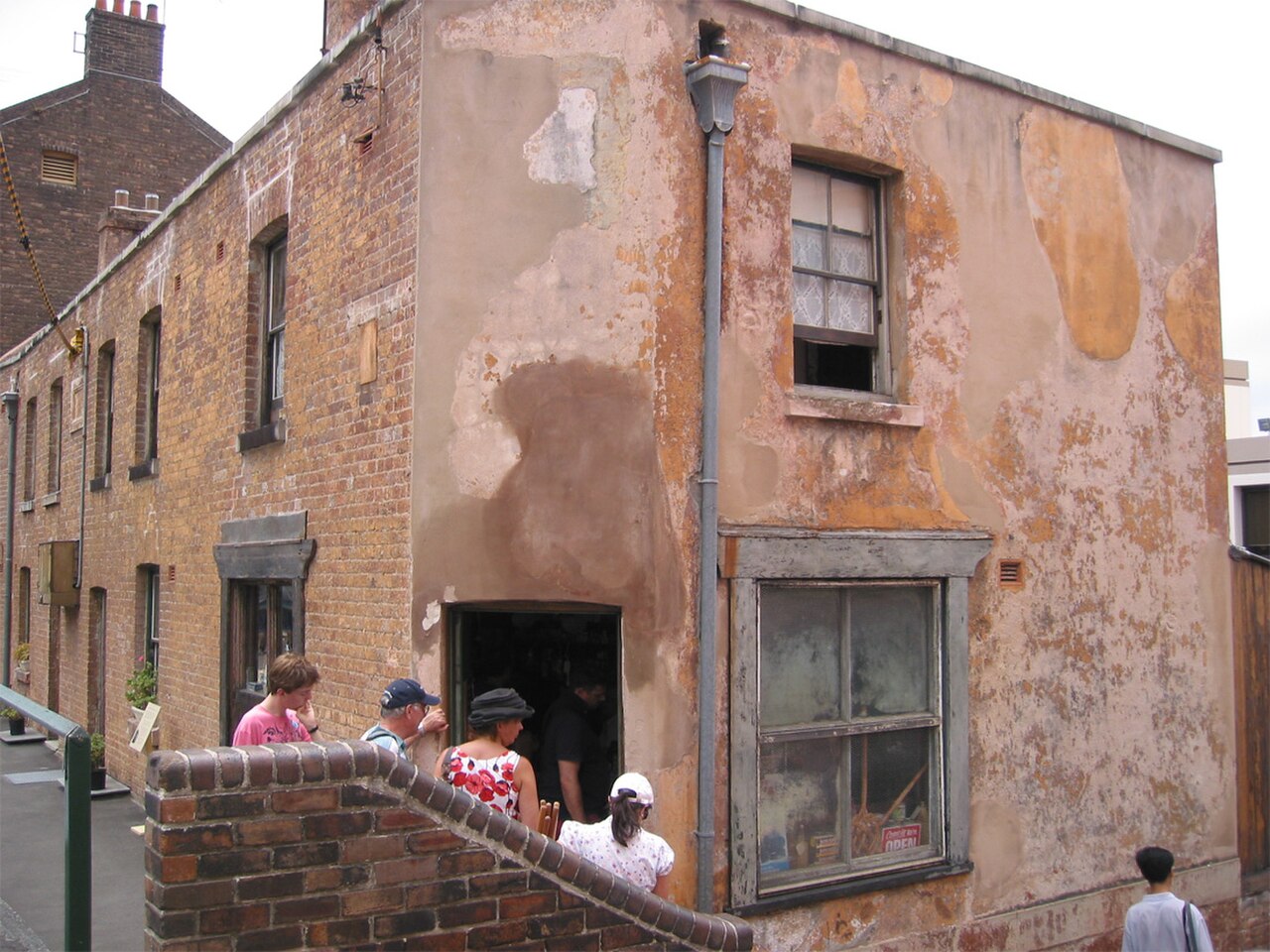
Susannah Place Museum preserves a terrace of four houses built in 1844 in Sydney’s The Rocks. The site presents working-class domestic life across more than 150 years, showing how successive families lived within a compact urban terrace. Its importance lies in the survival of ordinary homes rather than grand civic architecture. The museum gives a close, intimate view of social history within one of Sydney’s oldest neighbourhoods. Susannah Place Museum is a heritage house museum located in Sydney. It preserves a terrace of four houses built in 1844, offering visitors insight into urban working-class life across more than 150 years. The site stands as a meaningful Sydney visitor destination retained within the documented city scope. The museum represents domestic architecture and social history, reflecting the lives of successive generations of families who resided in The Rocks area. Its survival amid urban development makes it a notable heritage conservation example. The museum offers educational value for children interested in how past generations lived, though steep stairs and fragile interiors require close supervision.
Checked 2026-08-26 · Source
The museum contains four terrace houses with preserved and recreated interiors. Period rooms, fireplaces, staircases, kitchens, bedrooms and living spaces show how domestic arrangements changed over time. Household objects and interpretive displays help connect the architecture with the families who occupied it. The narrow terrace layout is itself part of the experience: rooms are closely linked, circulation is intimate and the building reveals the practical limits of nineteenth-century working-class housing. The museum comprises four terrace houses containing preserved and recreated interiors. Visitors can examine period rooms, original architectural features, and household items that illustrate changing living standards. The interiors demonstrate how working families adapted spaces over decades. Kitchens, bedrooms, and living areas retain authentic details including fireplaces, staircases, and built-in elements. Some areas may feature interpretive displays or reconstructed settings based on historical evidence. The narrow terrace format itself constitutes a significant architectural document of nineteenth-century speculative housing construction in colonial Sydney.
Checked 2026-08-26 · Source
Plan forty-five to ninety minutes for a considered visit. That gives enough time to move through the terrace houses, examine architectural details and read the interpretation. Social-history enthusiasts may stay longer, while visitors making a wider Rocks itinerary can complete a shorter circuit. The compact scale rewards slow observation: small rooms, domestic objects and surviving building elements communicate more when you pause rather than hurry from room to room.
Checked 2026-08-26 · Source
Weekdays can provide a calmer setting for reading and moving through the narrow interiors, while weekends bring more activity to The Rocks. The museum is an indoor destination, so it remains a useful choice when rain interrupts an outdoor harbour walk. Warmer months from December to February suit a combined visit with the surrounding precinct, while the cooler period from June to August is comfortable for walking between nearby heritage sites.
Checked 2026-08-26 · Source
The attraction is best understood as a focused heritage museum rather than an open public house that can be explored casually from the street. Include it in a The Rocks history route and allow the visit time needed for the four-house terrace layout. Any special arrangement for groups or programmes belongs to the particular experience offered on the day.
Checked 2026-08-26 · Source
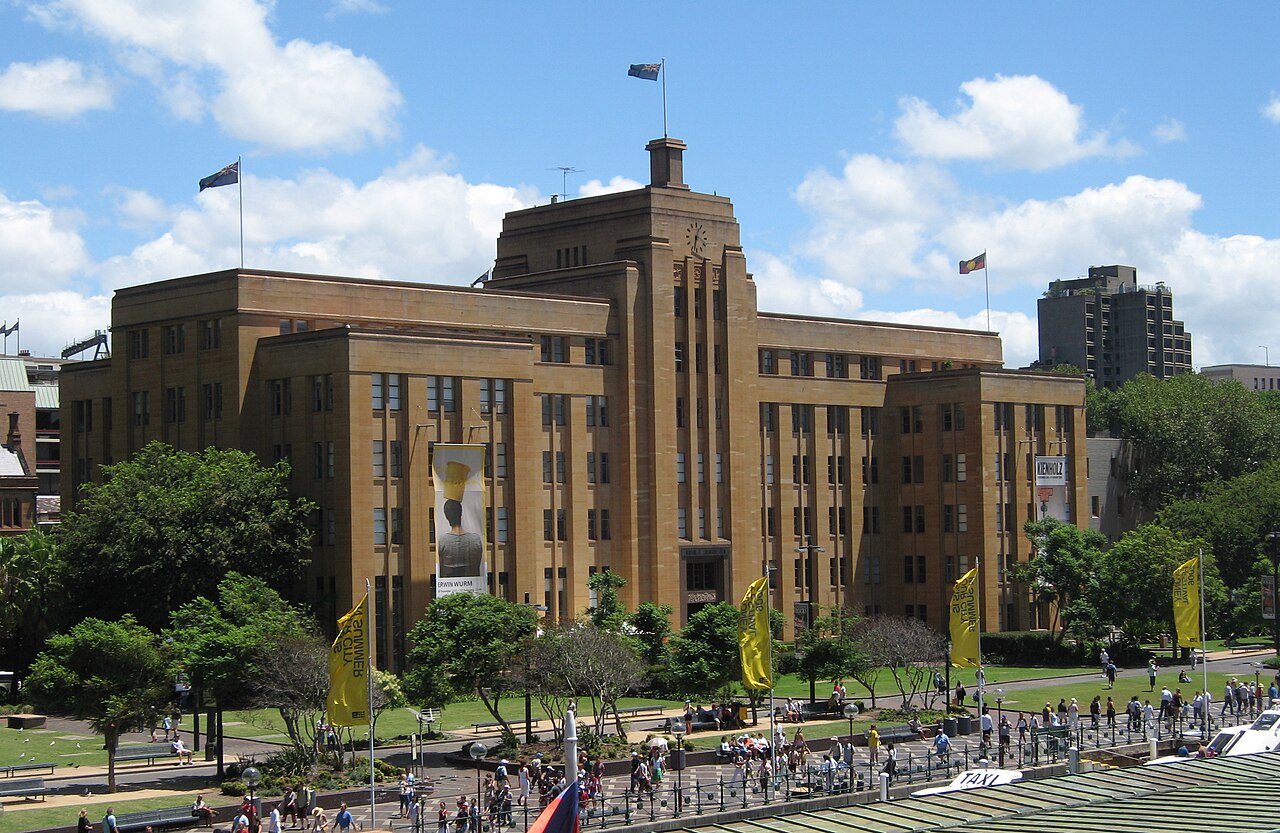
Susannah Place Museum is in The Rocks near Sydney Cove. Circular Quay railway station and ferry interchange are about a ten-minute walk away, and buses operate along George Street and nearby corridors. Walking from Sydney’s central business district takes roughly fifteen minutes. The precinct includes historic lanes, cobblestones and stepped paths. The museum also pairs naturally with Cadmans Cottage, the Sydney Harbour Bridge and the Museum of Contemporary Art.
Checked 2026-08-26 · Source
Susannah Place retains nineteenth-century features such as steep stairs, narrow doorways and uneven floors. These details are valuable parts of the historic setting but can make movement difficult for visitors using wheelchairs or with limited mobility. Rooms are confined and natural light can be limited. Keep children close around stairs and fragile interiors. The museum favours the character of the original terrace over the spacious circulation and smooth surfaces of a modern gallery.
Checked 2026-08-26 · Source
Inside the terrace, follow signs and staff directions and keep the intimate domestic rooms comfortable for other visitors. The historic interiors contain fragile fabric and objects, so avoid flash or equipment that obstructs the narrow circulation. The building’s compact rooms, fireplaces and staircases provide strong visual subjects when photographed respectfully and without turning the visit into a staged production.
Checked 2026-08-26 · Source
It preserves four terrace houses built in 1844 and interprets working-class domestic life across more than 150 years.
Allow about forty-five to ninety minutes to explore the four houses and read the historical interpretation.
You can see period rooms, kitchens, bedrooms, living spaces, fireplaces, staircases, household objects and preserved architectural details.
It offers an accessible story about how families lived, but steep stairs and fragile interiors require close supervision.
It is in The Rocks, near Sydney Cove and about a ten-minute walk from Circular Quay.
It focuses on working-class domestic life in a compact terrace rather than the lifestyle of wealthy residents in a large mansion.
Loading the interactive map…
The interactive map could not be loaded.

Last updated:
Source: OpenStreetMap contributors, Wikidata ·