
3 min walk
Hyde Park
- Must see · Heritage site
- Nature site
Language · 11 published
Museum · Sydney
Reviewed by Elena Voss · Roavina Travel Editor
| Monday | 10:00 – 17:00 |
|---|---|
| Tuesday | 10:00 – 17:00 |
| Wednesday | 10:00 – 17:00 |
| Thursday | 10:00 – 17:00 |
| Friday | 10:00 – 17:00 |
| Saturday | 10:00 – 17:00 |
| Sunday | 10:00 – 17:00 |
Checked 2026-08-31 · Source
Read from the OpenStreetMap access tags; anything not listed has no tag recorded.
Set the group type to family in the planner and the day window contracts to about three quarters of a solo day.
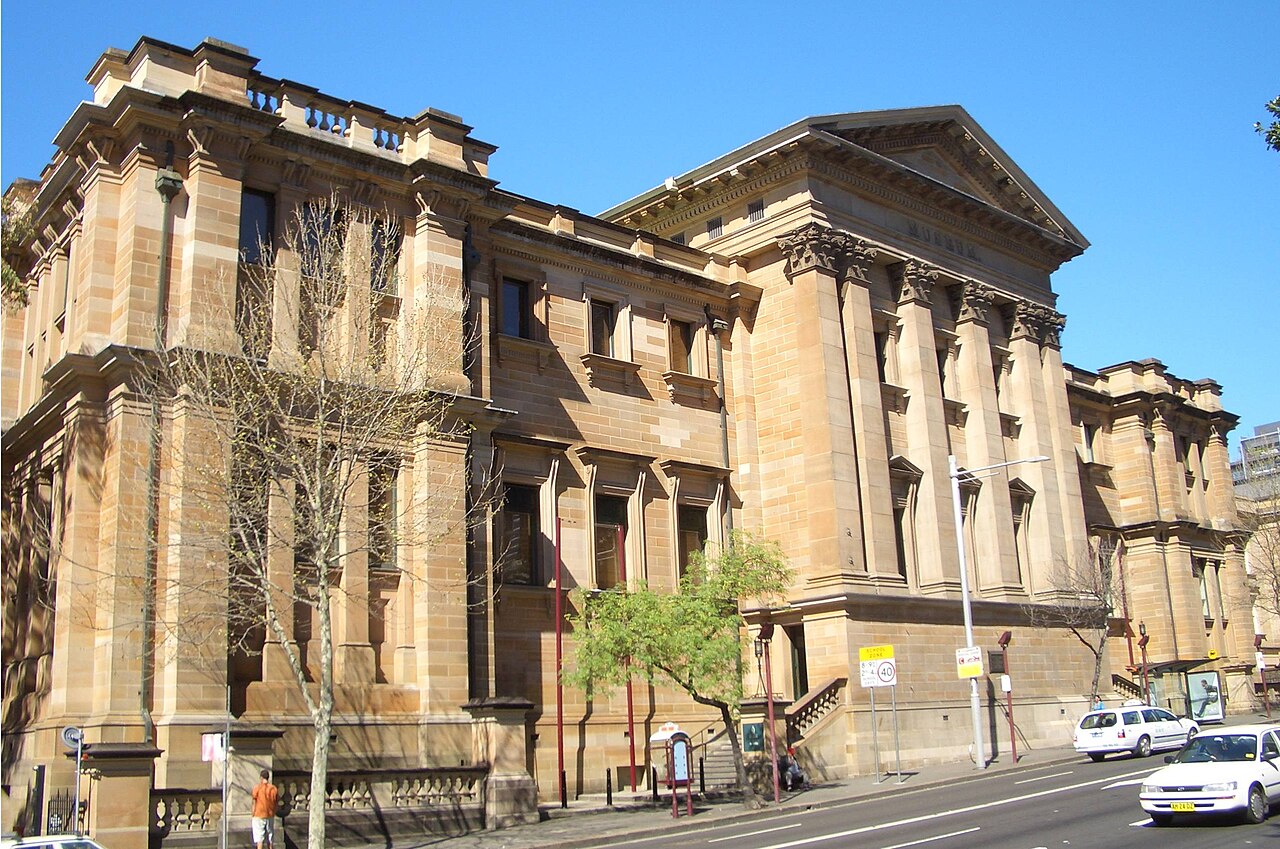
This place is a Museum. It was established in 1845. It was built in the Neoclassical architecture style. It carries the Heritage Act — State Heritage Register heritage designation.
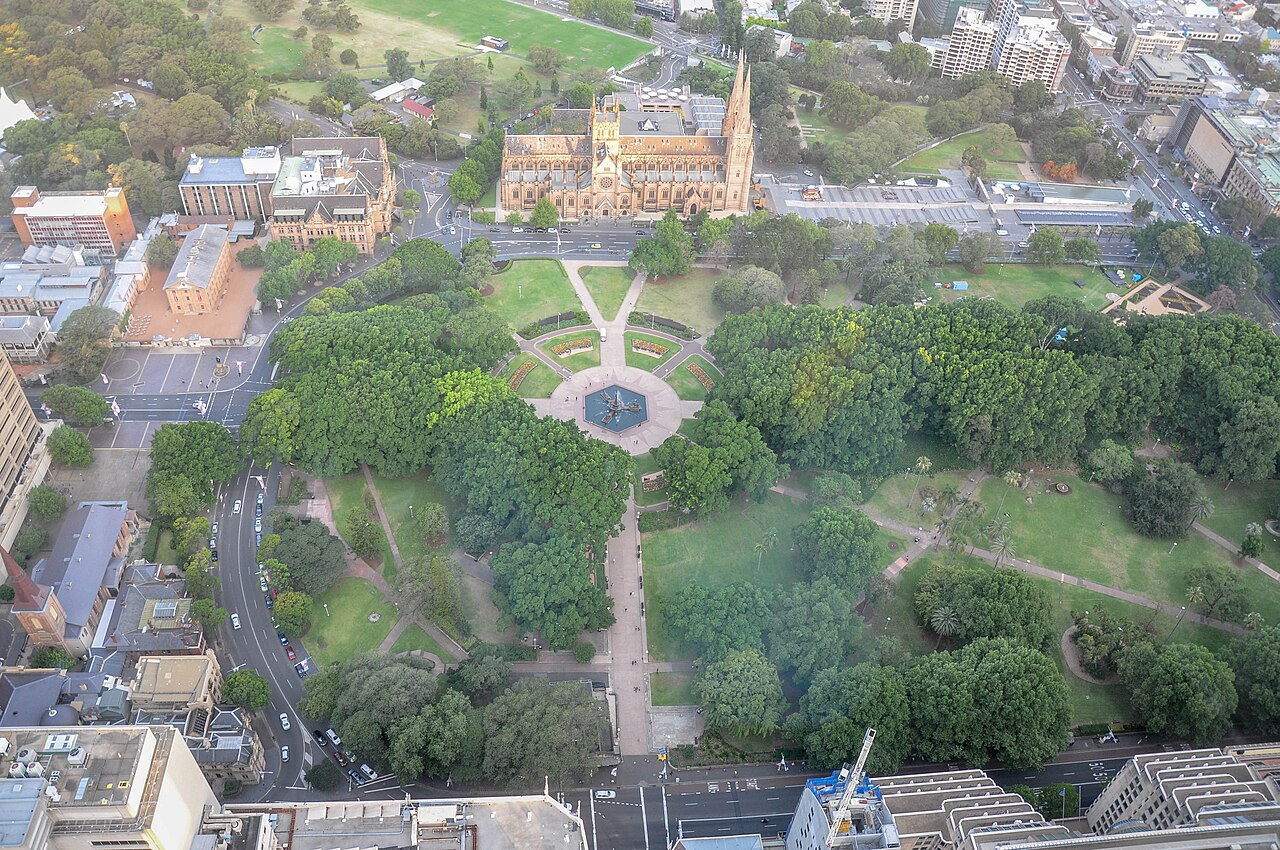
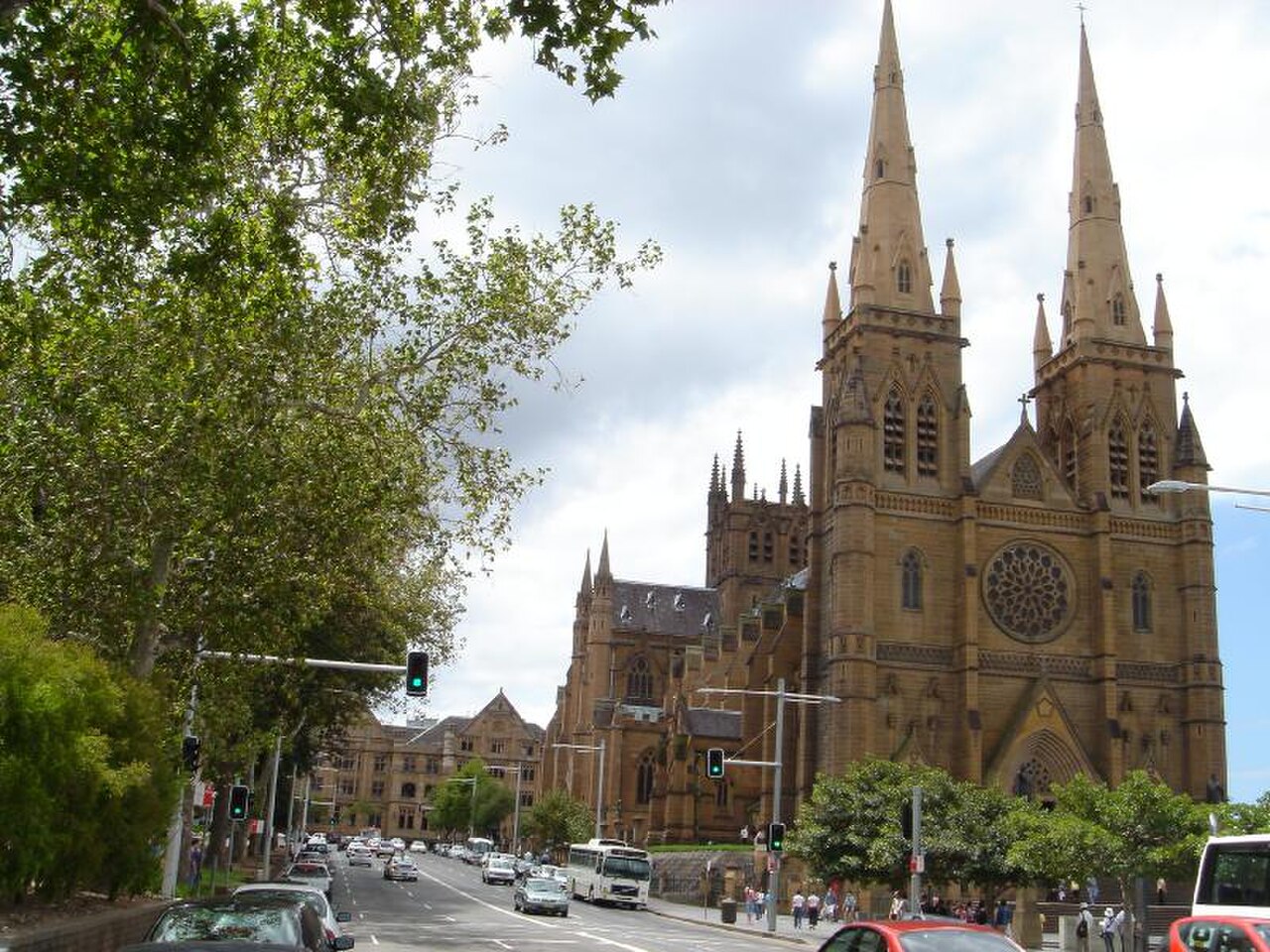
The Australian Museum is Sydney’s natural-history and cultural museum on William Street, opposite Hyde Park and St Mary’s Cathedral. Its collections and exhibitions connect Australian wildlife, geology and biodiversity with First Nations cultural material. The setting is distinctly central-city rather than waterfront: this is a useful stop for understanding the continent’s natural and cultural stories in an established museum building. Its identity is tied to the institution’s collection-led galleries, not to the nearby park, cathedral or other Sydney attractions. The museum suits visitors who want a substantial indoor cultural stop with a specifically Australian focus.
Checked 2026-09-02 · Source
Plan the visit as a progression through permanent exhibitions and any temporary display or programme you have chosen in advance. Natural-history galleries can reward a slower look at specimens, environments and explanatory interpretation, while First Nations galleries require respectful attention to cultural context and any visitor guidance. The museum’s collection-led format suits families, curious adults and rainy-day itineraries, but its breadth makes selection helpful. Start with one gallery that matches your interest, then add other rooms while your attention is fresh instead of trying to cover every display equally. Read labels carefully, because the museum’s value lies in the connections between objects, environments, histories and living cultures rather than in a quick sequence of isolated exhibits.
Checked 2026-09-02 · Source
Allow 2–4 hours for a meaningful visit. About two hours works for a highlights route through selected permanent galleries; three to four hours gives more time for detailed labels, broader collection coverage, pauses and family pacing. Add time for entry, finding the right gallery, cloakroom arrangements and the transition to your next stop. A special exhibition, event, school-holiday programme or particularly absorbing collection can extend the visit, so avoid placing a fixed-time booking immediately afterwards unless you have left a clear buffer. Visitors interested in both natural history and cultural collections should plan for the longer end of the range, since changing themes takes time.
Checked 2026-09-02 · Source
For a comfortable museum day, arrive near opening if you want a quieter start and enough time for several galleries; a later arrival suits a shorter highlights visit. The indoor programme is a practical option when Sydney weather is wet or intensely sunny. The recorded schedule does not include an extra closure row, so plan from the supplied daily hours and verify any event-specific or holiday variation directly with the museum before travel. Weekends and school holidays may feel busier, especially for family-oriented activities, so an early start gives more control over gallery order and pauses.
Checked 2026-09-02 · Source
General admission to the Australian Museum is free, including access to its permanent exhibitions, so no paid general-entry ticket is recorded for this visit. Free entry does not guarantee a place in a timed activity. Keep the visit flexible if a particular event or temporary exhibition is the main reason for going. The recorded admission row is per person and free in AUD; no additional general-entry price should be added to the itinerary.
Checked 2026-09-02 · Source
The museum is at 1 William Street, on the corner of College and William streets opposite Hyde Park and St Mary’s Cathedral. Museum, Town Hall and St James train stations are each about a seven-minute walk through Hyde Park; Gadigal Metro station is about five minutes away east along Park Street. Buses stop near Hyde Park and Town Hall, followed by a 7–10 minute walk east along Park Street. Wheelchair and pram routes should avoid stairs at College and Park streets: use the St Mary’s Cathedral crossing from St James or the College and Liverpool streets corner from Museum Station. A short-stay accessible drop-off is available at the William Street Bus Bay outside. These approaches make the museum easy to combine with central Sydney walking routes, although the final crossing and pavement conditions still deserve attention.
Checked 2026-09-02 · Source
Step-free access is available through the main entrance on College Street, with ramps, two lifts, automatic doors and wheelchair access across the documented museum route. Accessible toilets are provided on every public gallery floor. A Changing Places facility with a full-sized change table and hoist is on Level 2, with access requested from museum staff, security or the admission desk. A wheelchair may be available from the admission desk and can be reserved ahead. Assistance animals are welcome, and the AM Theatre has a hearing loop. Children under 12 must be actively supervised by an adult. Suitcases are prohibited; bags larger than A3 paper size may need cloaking.
Checked 2026-09-02 · Source
Personal photography is allowed in most areas, but use no flash, tripod or selfie stick. First Nations galleries and objects covered by Indigenous Cultural and Intellectual Property conditions may carry additional restrictions, so read gallery notices and follow staff directions. Photograph from public visitor areas without blocking circulation, doorways or other guests. A useful record of this museum is usually a balanced set of exterior context, gallery atmosphere where permitted and a few collection details, rather than unrestricted documentation of every object. Respect displays that prohibit images, and remember that a photograph of cultural material does not remove the need to follow the museum’s interpretation, conditions or staff instructions.
Checked 2026-09-02 · Source
No ticket is required for free general admission to the permanent exhibitions. Special exhibitions, programs and events may require a paid ticket.
Allow about 2–4 hours. Around two hours suits selected highlights, while three to four hours allows a broader, more detailed visit with pauses.
Personal photography is allowed in most areas without flash, tripods or selfie sticks. Special restrictions apply in First Nations galleries and to objects protected by Indigenous Cultural and Intellectual Property conditions.
Suitcases and luggage of any size are prohibited. Staff may require bags larger than A3 paper size and other bulky items to be cloaked, while oversized items that cannot be stored safely may be refused.
Children under 12 must be accompanied and actively supervised by an adult at all times.
Food and drink may be consumed only in designated eating areas, including the restaurant, café, Members Lounge and designated event spaces.
Loading the interactive map…
The interactive map could not be loaded.
Last updated:
Source: OpenStreetMap contributors, Wikidata ·