
2 min walk
Sydney Mint
- Must see · Heritage site
- Museum
Language · 11 published
Museum · Sydney
Reviewed by Elena Voss · Roavina Travel Editor
| Monday | 10:00 – 18:00 |
|---|---|
| Tuesday | 10:00 – 18:00 |
| Wednesday | 10:00 – 18:00 |
| Thursday | 10:00 – 18:00 |
| Friday | 10:00 – 18:00 |
| Saturday | 10:00 – 18:00 |
| Sunday | 10:00 – 18:00 |
Parsed from OpenStreetMap opening hours on 2026-09-09.
This place is a Museum. It was built in the Neoclassical architecture style. It carries the listed on the Australian National Heritage List heritage designation. It is run by Museums of History NSW.
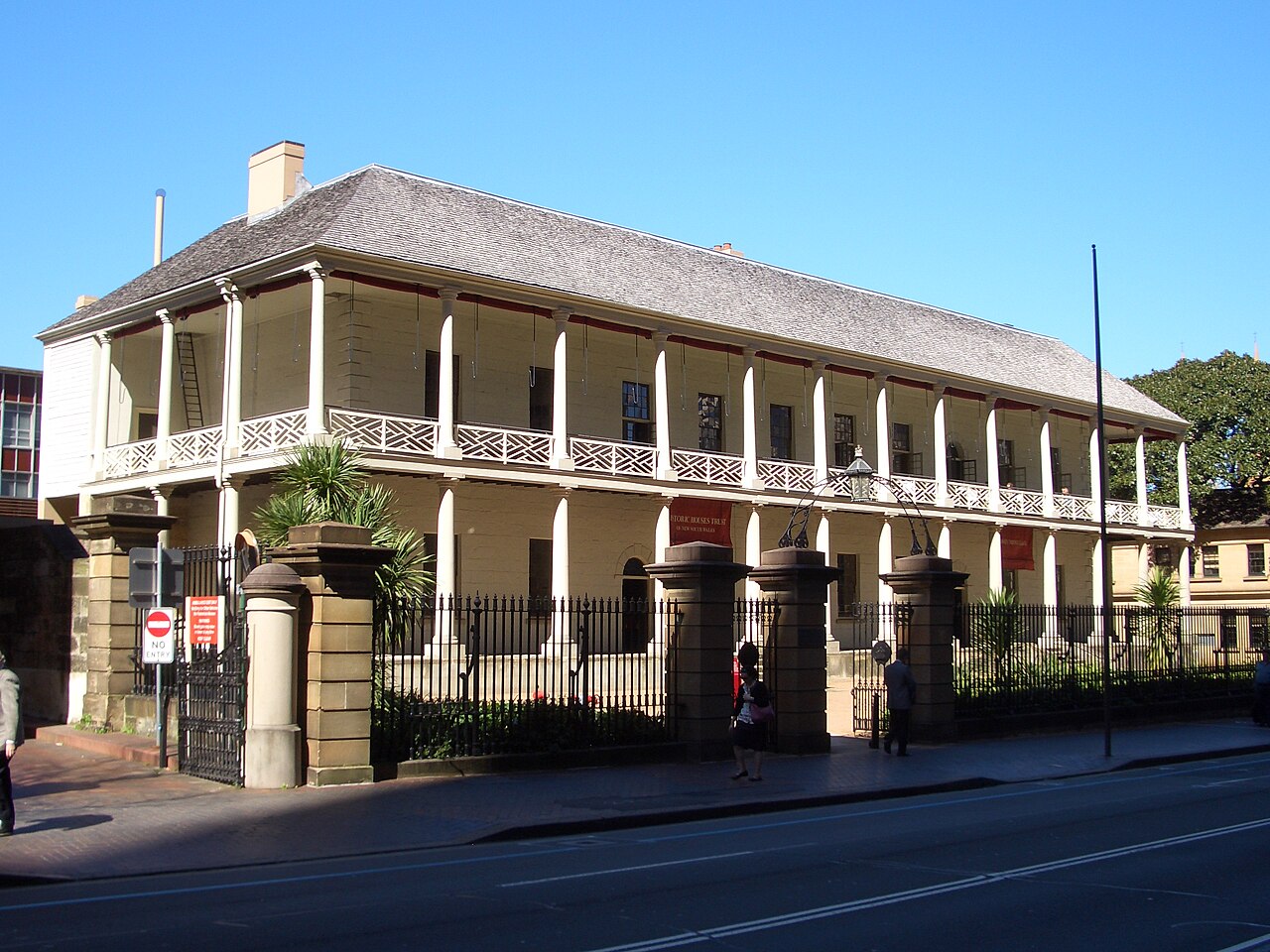
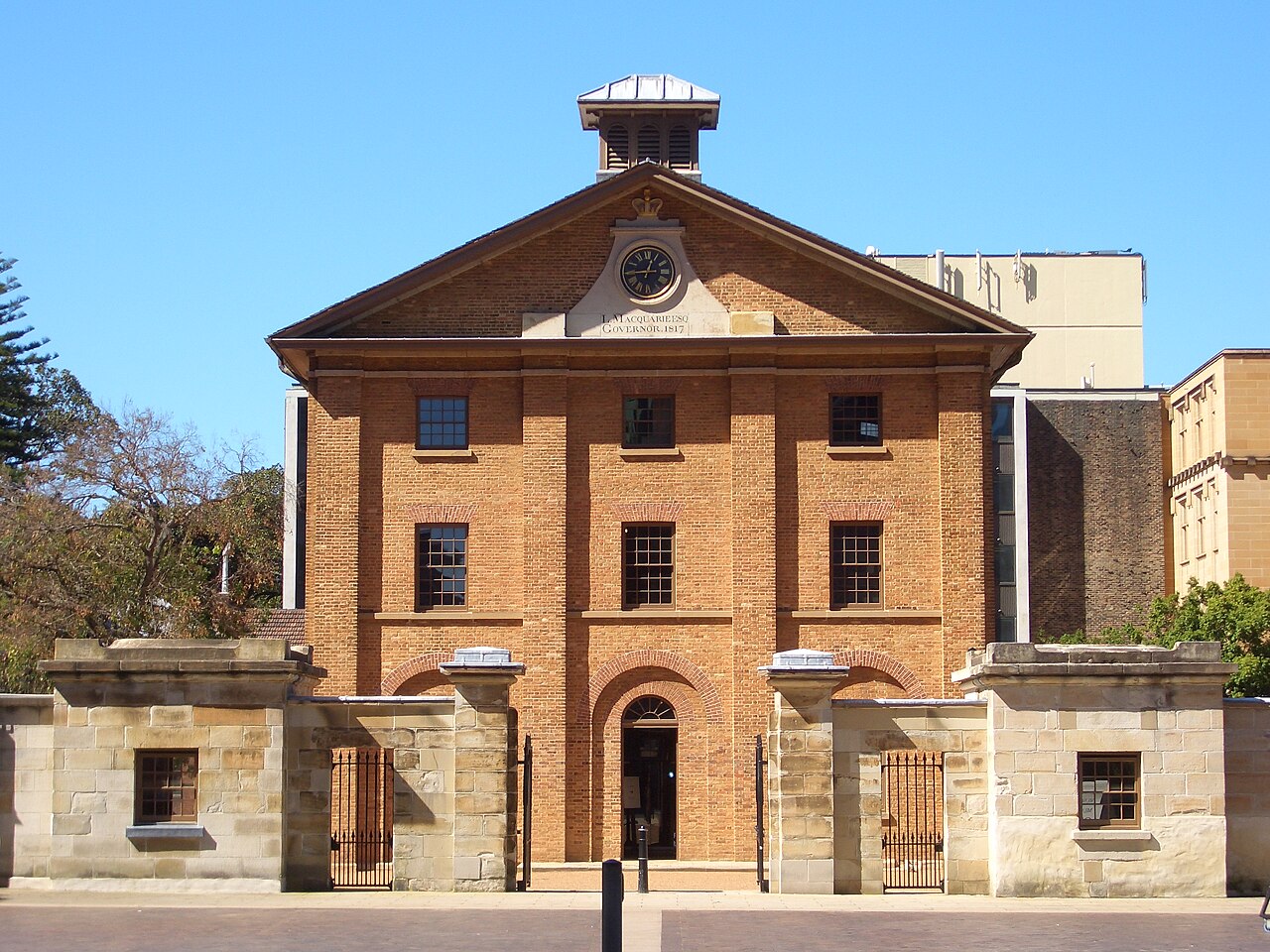
Hyde Park Barracks is a historic Georgian building on Macquarie Street beside Hyde Park in central Sydney. Built in the early nineteenth century, it first housed transported convicts and later served as an immigration depot and government offices. Today it forms part of the Australian Convict Sites World Heritage property. Its importance lies in the way one surviving building connects penal transportation, migration and the changing institutions of colonial New South Wales. Begin your visit by looking at the building from Hyde Park, where its formal façade and urban setting make the scale of the site easy to understand.
Checked 2026-08-26 · Source
Inside, exhibitions interpret the building's changing roles and the lives connected with them. Convict accommodation, immigration processes and institutional living conditions provide the main themes. Surviving timber beams, brickwork and fixed architectural elements help connect the displays with the original structure. Archaeological material from the site adds another layer of evidence. Dormitory-style rooms and service areas retain the character of a barracks rather than a conventional gallery. Allow time to read the interpretation, because the building itself is part of the collection and the rooms explain how people were housed, controlled and processed here.
Checked 2026-08-26 · Source
A focused visit takes about an hour, while a fuller visit usually fits comfortably into ninety minutes. Use the shorter option for a quick introduction to Sydney's convict history and the longer one when you want to study the exhibitions, architectural details and archaeological material. The site is compact, so time is spent moving through rooms and considering the interpretation rather than walking long distances. It works well as a morning museum stop before continuing toward Hyde Park, the Royal Botanic Garden or Circular Quay. Visitors interested in architecture or migration history may want additional reading time.
Checked 2026-08-26 · Source
Hyde Park Barracks is an indoor heritage visit that can fit into any season in Sydney. Spring and autumn are comfortable for combining the museum with walks through Hyde Park and along Macquarie Street. Summer can be warm and humid, while winter is generally mild but may bring rain; the interior gives you a useful break from either condition. Weekday mornings are a practical choice when you want more space for the displays. The surrounding central-city streets are busiest during business hours, so pair the visit with nearby attractions according to the pace you prefer.
Checked 2026-08-26 · Source
Admission arrangements belong to the museum rather than to Hyde Park itself, and any visit should be planned as a cultural attraction stop. The building is part of the Australian Convict Sites World Heritage property, so it is especially valuable for travelers interested in the wider history of penal transportation in Australia. Spend time with the interpretation before moving on, since the value of the visit comes from the combination of original fabric, objects and personal histories. The central location also makes it easy to combine the museum with free outdoor sightseeing around Hyde Park and Macquarie Street.
Checked 2026-08-26 · Source
The barracks stand on Macquarie Street immediately beside Hyde Park, making walking the simplest way to include them in a central Sydney day. St James and Martin Place railway stations provide nearby City Circle access, and buses travel through the surrounding Elizabeth Street and Park Street corridors. Circular Quay and the Sydney Opera House precinct are within walking distance for visitors building a longer route through the city centre. There is no dedicated parking identified at the heritage building; drivers should use nearby commercial facilities and expect a short walk after leaving the car.
Checked 2026-08-26 · Source
The building preserves historic conditions, so the route may include uneven floors, changes in level, staircases, low doorways and reduced ceiling heights. Original timber surfaces require steady footing, particularly when visitors arrive from wet streets. Exhibition lighting may be subdued, and older rooms do not feel like a modern climate-controlled gallery. The compact interior can feel crowded when several groups arrive together. Keep bags close and follow any collection-protection instructions. If stairs or uneven surfaces affect your visit, plan extra time and ask staff about the route available inside the building.
Checked 2026-08-26 · Source
The Georgian façade, dormitory spaces, timber details and brickwork provide strong subjects for architectural photography. Inside, work slowly and keep the camera ready for rooms where the building's structure carries as much meaning as the exhibits. Use only the photography permitted by signs and staff, and avoid flash around historic objects, photographs and other light-sensitive material. Confined rooms can make tripods and selfie sticks intrusive, so handheld images are more practical. Respect areas where personal or sensitive histories are presented, and keep other visitors clear of your frame whenever possible.
Checked 2026-08-26 · Source
It is a surviving Georgian convict site that later served as an immigration depot and government offices, and it belongs to the Australian Convict Sites World Heritage property.
Visitors can explore exhibitions about convicts, immigration and institutional life, alongside surviving timber, brickwork, dormitory-style spaces and archaeological material.
Plan about sixty to ninety minutes for the exhibitions, original building fabric and archaeological interpretation.
It is on Macquarie Street beside Hyde Park in central Sydney, within walking distance of St James, Martin Place, Circular Quay and the Sydney Opera House precinct.
Expect a preserved heritage building with uneven surfaces, level changes, stairs, low doorways, subdued lighting and compact rooms.
Photograph the Georgian façade, timber details, brickwork and interior rooms without flash, while following signs and staff directions around sensitive collections.
Loading the interactive map…
The interactive map could not be loaded.
Last updated:
Source: OpenStreetMap contributors, Wikidata ·