Cadmans_Cottage-1.jpg)
2 min walk
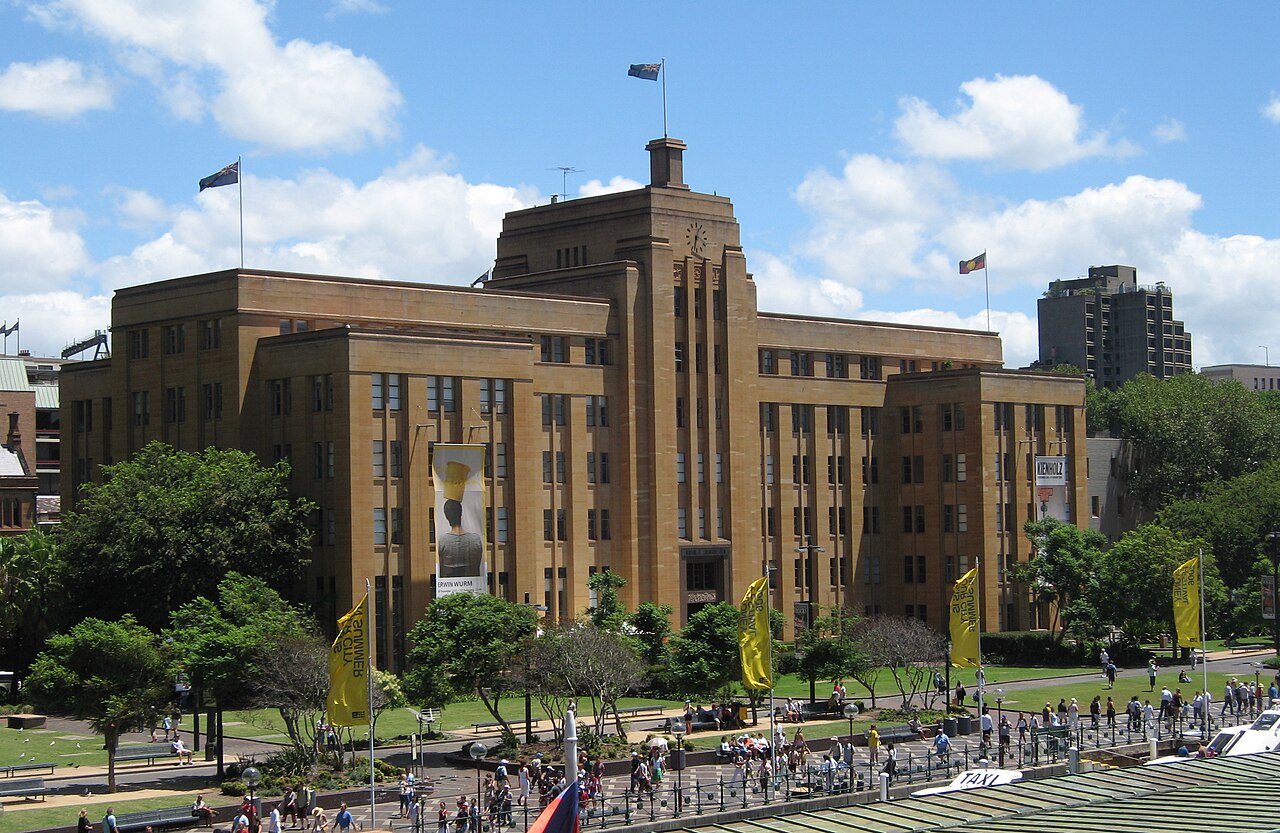
Museum of Contemporary Art Australia
- Must see
- Art and culture venue
Language · 11 published
Historic monument · Sydney
Cadman's Cottage
Reviewed by Elena Voss · Roavina Travel Editor
This place is a Attraction. It was established in 1816. It was designed by Francis Greenway. It carries the Heritage Act — State Heritage Register heritage designation.
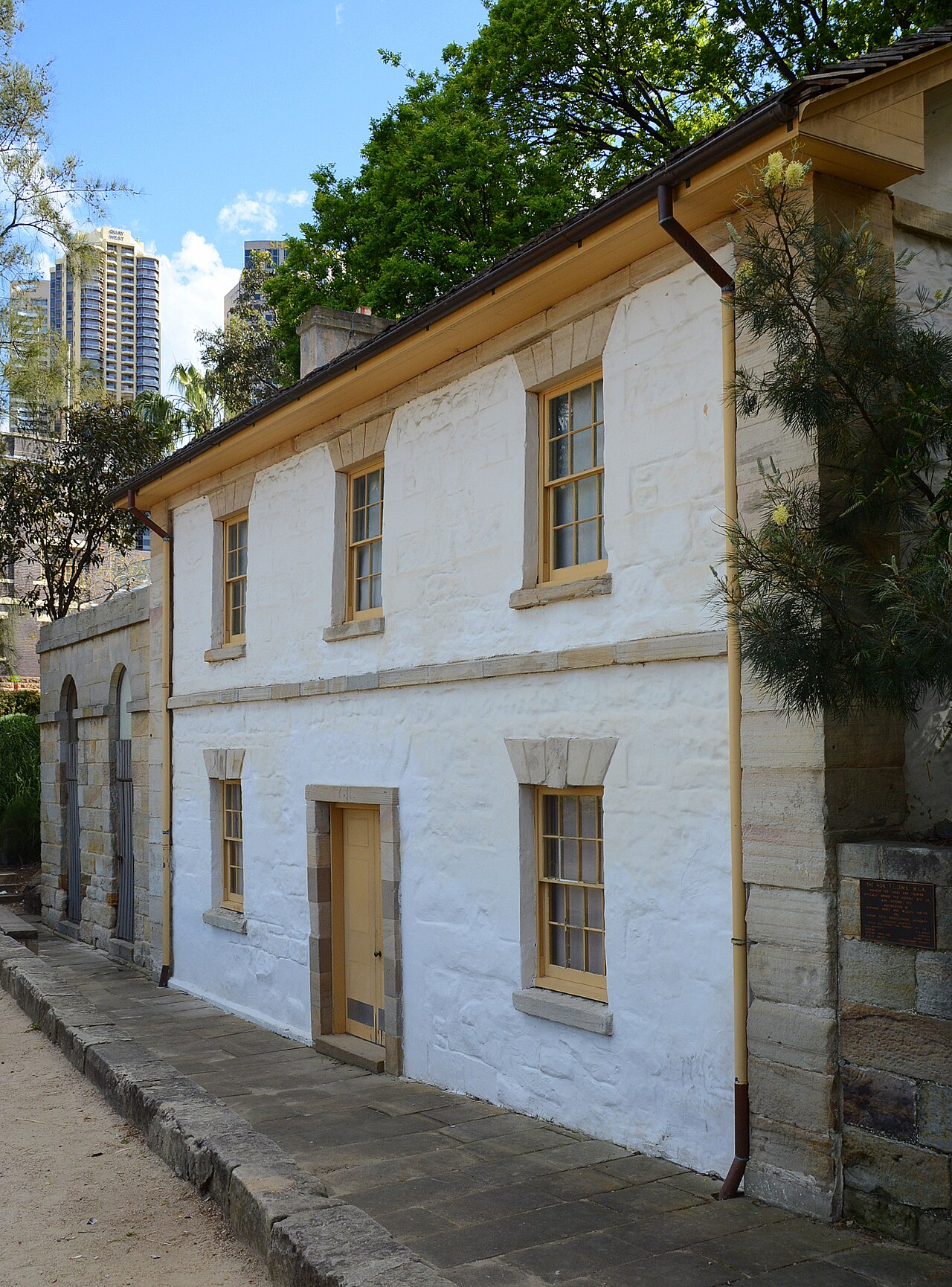
Cadmans Cottage is a historic sandstone building in The Rocks, beside Sydney Cove. Built during Sydney’s early colonial period, it is one of the city’s oldest surviving residential buildings. The cottage connects the modern harbour precinct with Sydney’s maritime and convict past. Its modest scale and waterfront setting make it a focused heritage stop, especially when combined with a walk through The Rocks and nearby Circular Quay. Cadmans Cottage is a heritage building located in The Rocks area of Sydney, New South Wales. It stands as one of the oldest surviving residential buildings in the city, constructed during the early colonial period. The cottage represents an important physical remnant of Sydney's maritime and convict history, situated near the former waterfront that was central to the colony's development. Its sandstone construction and location make it a significant heritage site within the broader historical landscape of Sydney Cove. Visitors should verify current access arrangements before visiting.
Checked 2026-08-26 · Source
The building’s sandstone walls, simple domestic arrangement and surviving architectural fabric convey how an early colonial residence functioned. Cadmans Cottage originally served the government coxswain and later maritime officials, linking the house to the working life of Sydney’s harbour. The historic structure is the main attraction: visitors come to read its materials, understand its former uses and place it within the wider waterfront landscape rather than to see a large museum collection. The interior features of Cadmans Cottage reflect its historical function and period of construction. The building originally served as a residence for the government coxswain and later for other maritime officials. Internal spaces would have been configured to suit domestic and operational needs of the era. Original fabric and later modifications together illustrate changing uses over time. Visitors can observe architectural details typical of early colonial construction, including sandstone walls and simple spatial arrangements that demonstrate building practices and living conditions of nineteenth-century Sydney.
Checked 2026-08-26 · Source
Allow fifteen to thirty minutes for a compact visit focused on the cottage and its exterior. Travellers interested in colonial architecture, maritime history or Sydney’s early settlement may spend longer studying the building and its surroundings. The Rocks offers an easy way to extend the stop with nearby historic streets and harbour landmarks, so the cottage fits naturally into a walking route rather than requiring a separate full-day excursion. A visit to Cadmans Cottage typically requires modest time commitment, appropriate to a compact heritage building of this nature. Most visitors would spend between fifteen and thirty minutes exploring the exterior and any accessible interior spaces.
Checked 2026-08-26 · Source
The exterior can be appreciated during a walk through The Rocks, while interior access depends on the arrangements available when you arrive. Morning and late-afternoon light can bring out the texture of the sandstone and make the surrounding precinct more comfortable for walking. Summer days can be warm and busy around Sydney Cove. Quieter conditions are more achievable outside the busiest weekend periods and major harbour arrivals.
Checked 2026-08-26 · Source
Cadmans Cottage is a heritage building with an exterior that forms part of the public streetscape in The Rocks. Build the visit around the building’s historical setting and nearby public precinct, and treat any interior experience as dependent on the access arrangement operating on the day of your visit.
Checked 2026-08-26 · Source
Cadmans Cottage stands in The Rocks, immediately west of Sydney Cove and close to Circular Quay. Circular Quay railway station and ferry wharves are within walking distance, and buses serve the surrounding streets. From Sydney’s central business district, a walk of about ten to fifteen minutes reaches the precinct. Pairing the cottage with the Sydney Harbour Bridge, the Museum of Contemporary Art or the harbourfront creates an efficient central Sydney route.
Checked 2026-08-26 · Source
The Rocks contains historic lanes, cobblestones and uneven surfaces, so comfortable footwear is useful. Crowds can build around Circular Quay and the waterfront, particularly on weekends and during cruise-ship visits. The exposed harbour position can bring strong wind, while summer sun can be intense. Respect barriers and conservation signage around the cottage: the building is an authentic historic structure whose fabric is part of what visitors come to see.
Checked 2026-08-26 · Source
The cottage’s exterior can be photographed from the public surroundings, with sandstone texture and the historic Rocks setting providing the strongest visual context. Morning or late-afternoon light can add definition to the facade. A careful position helps separate the small historic building from the larger modern surroundings.
Checked 2026-08-26 · Source
It is one of Sydney’s oldest surviving residential buildings and reflects the city’s early colonial maritime and convict history.
It is in The Rocks, immediately west of Sydney Cove and close to Circular Quay.
Most visitors need about fifteen to thirty minutes, with more time useful for detailed interest in the building and its history.
Travel to Circular Quay by train or ferry, then walk into The Rocks; buses also serve the surrounding area.
The cottage is a sandstone building, and its masonry is one of the clearest features of its early colonial construction.
Combine it with a walk through The Rocks, Circular Quay, the Sydney Harbour Bridge or the Museum of Contemporary Art.
Loading the interactive map…
The interactive map could not be loaded.
Last updated:
Source: OpenStreetMap contributors, Wikidata ·