
Elizabeth_Farm_courtyard.jpg)
Elizabeth_Farm-1.jpg)
Elizabeth_Farm-2.jpg)
Elizabeth_Farm-3.jpg)
Elizabeth_Farm-4.jpg)

7 min walk
Experiment Farm Cottage
- Must see · Heritage site
- Museum
Language · 11 published
Museum · Sydney
Reviewed by Elena Voss · Roavina Travel Editor
| Monday | Closed |
|---|---|
| Tuesday | Closed |
| Wednesday | Closed |
| Thursday | Closed |
| Friday | 10:00 – 16:00 |
| Saturday | 10:00 – 16:00 |
| Sunday | Closed |
Parsed from OpenStreetMap opening hours on 2026-09-09.
This place is a Museum. It was established in 1793. It carries the Heritage Act — State Heritage Register heritage designation. It is run by Museums of History NSW.
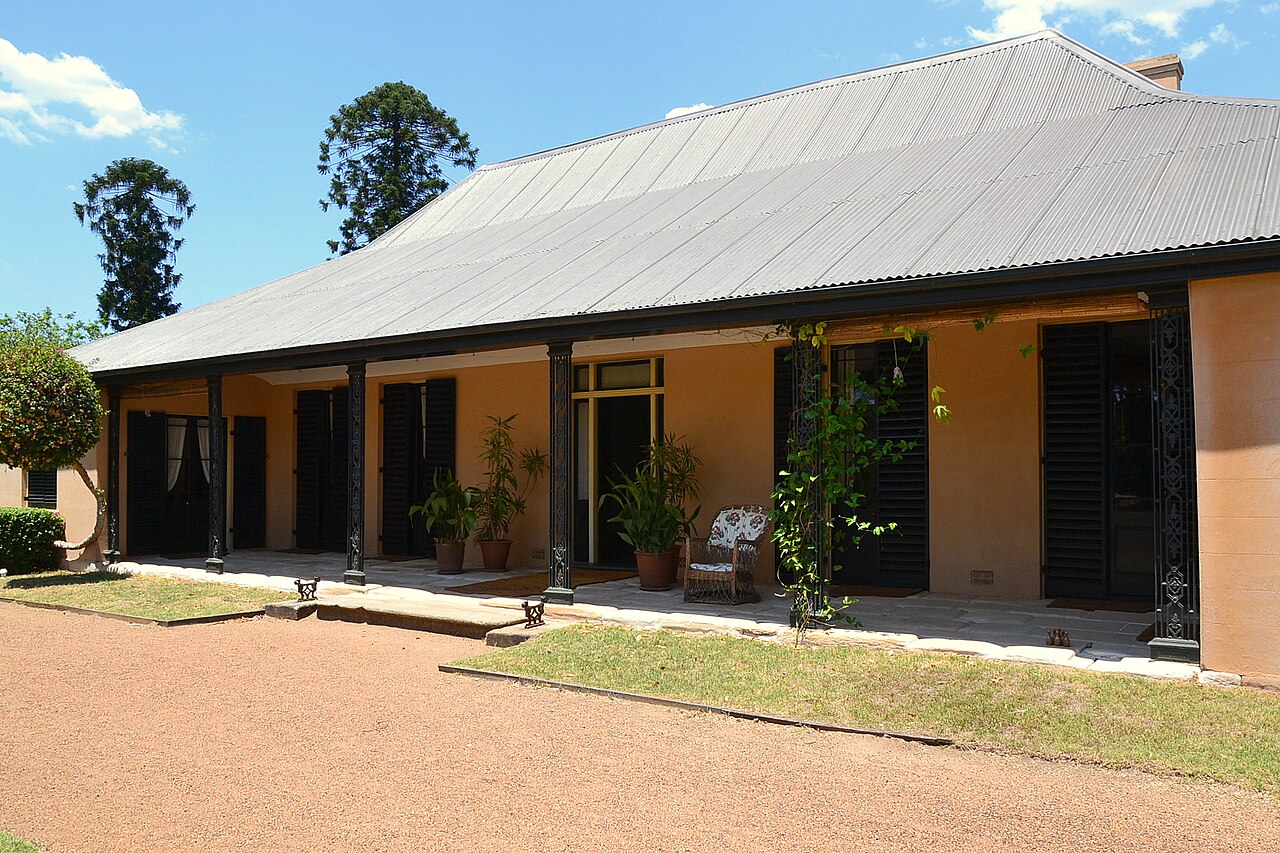
Elizabeth Farm is a historic house museum in Sydney's Parramatta area and one of Australia's oldest surviving European buildings. John and Elizabeth Macarthur's house was constructed in 1793 and is closely connected with the beginnings of Australia's wool industry. The property introduces the domestic, agricultural and architectural history of the early colonial period. Its importance lies in the surviving building, its changing layers and the surrounding grounds, which together provide a focused heritage visit outside central Sydney. Elizabeth Farm is a historic house museum in Sydney, recognised as one of Australia's oldest surviving European buildings. Constructed in 1793 for John and Elizabeth Macarthur, it represents early colonial architecture and the beginnings of Australia's wool industry. The property holds significant heritage value, illustrating the domestic and agricultural life of the early colonial period. Its survival through extensive modifications and restorations makes it an important documentary site for understanding Sydney's foundational European settlement history and the Macarthur family's influential role. It is among the oldest surviving European buildings in Australia, constructed in 1793, though definitive chronological ranking depends upon definitional criteria including structural continuity and restoration extent.
Checked 2026-08-26 · Source
Inside Elizabeth Farm, furnished rooms and reconstructed interiors illustrate different periods of occupation. Visitors can study lath-and-plaster construction, later Victorian additions, surviving structural elements and interpretive material about the Macarthur family, convict labour and the property's long use. The gardens and grounds help explain the original estate setting. The house is valuable for close observation: the building's fabric, room arrangement and later alterations show how one colonial property changed across more than two centuries. The interiors feature reconstructed and restored rooms reflecting various periods of occupation, with some spaces returned to approximate early nineteenth-century appearances. Visitors encounter furnished rooms, architectural fabric including lath and plaster construction, and later Victorian additions.
Checked 2026-08-26 · Source
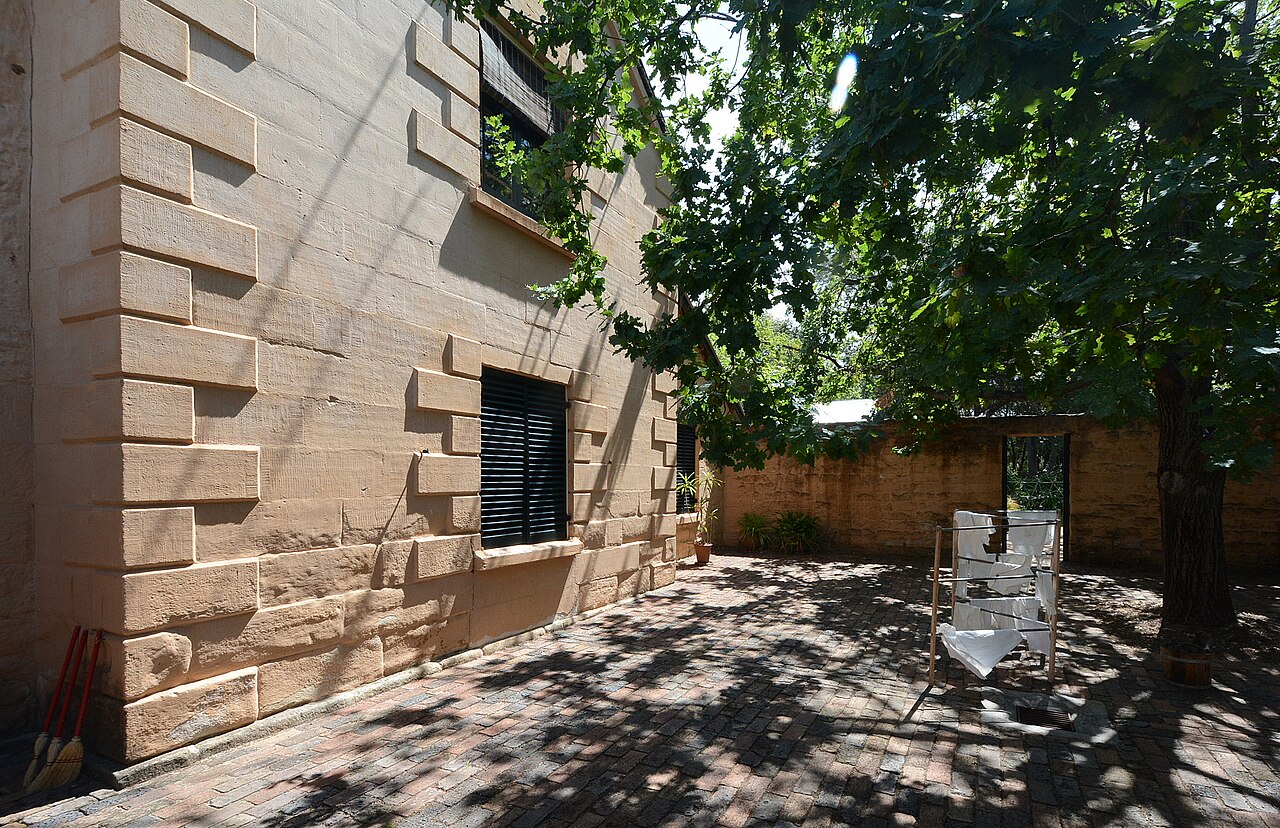
Allow about sixty to ninety minutes for the house, gardens and interpretive material. A slower visit suits travellers interested in colonial architecture, construction techniques or the Macarthur family's role in Australian history. The compact building allows a focused visit, but the historical layers reward careful attention rather than a quick pass through the rooms. Elizabeth Farm can also form part of a half-day Parramatta heritage itinerary when combined with nearby historic destinations.
Checked 2026-08-26 · Source
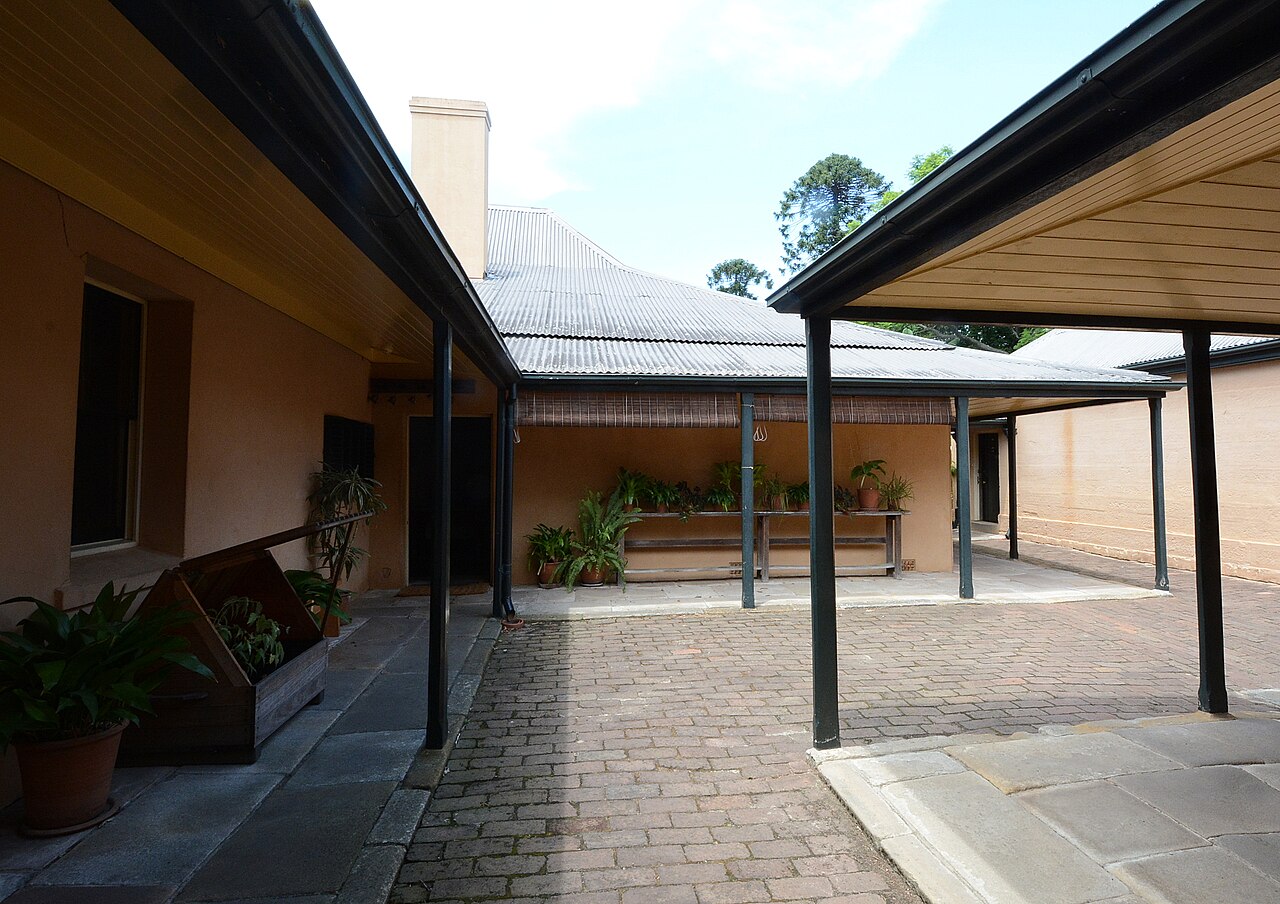
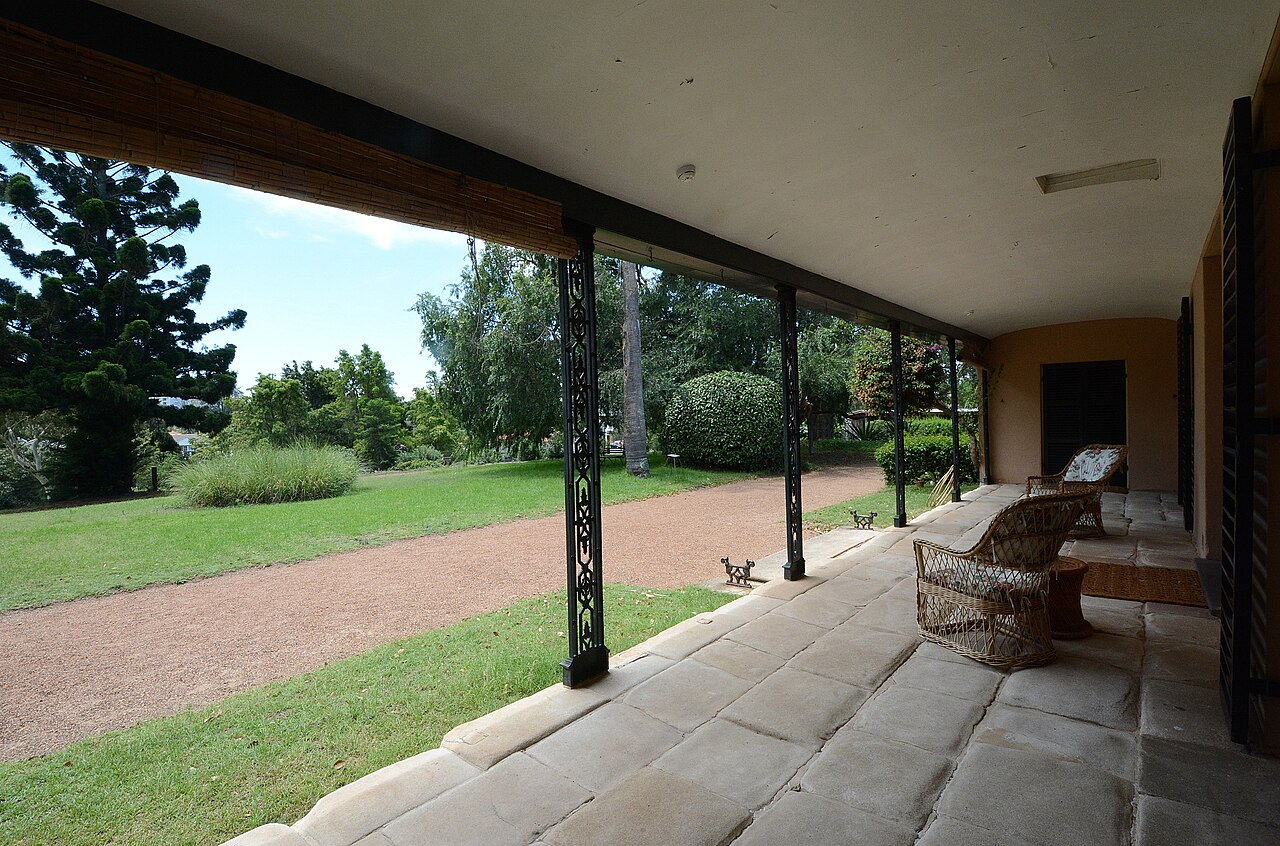
Elizabeth Farm suits year-round heritage visits, with Sydney's weather mainly affecting time spent in the gardens and grounds. Warm summer days can make outdoor exploration tiring, while winter rain may reduce comfort between the house and garden areas. Weekdays generally provide a quieter setting for studying interiors, while school holidays can bring more families. Pairing the farm with other Parramatta heritage sites works well when you want a dedicated historical day rather than a brief central-city stop.
Checked 2026-08-26 · Source
Elizabeth Farm is a heritage house museum with admission arrangements distinct from simply walking through a public park. The supplied guide does not provide a confirmed price or ticket category. The visit centres on the historic house, interpretation and grounds, so allow time for the complete property rather than planning only an exterior photograph. Group visits and special displays may follow different arrangements from an ordinary individual visit.
Checked 2026-08-26 · Source
Elizabeth Farm is in the Parramatta district of greater Sydney, reached through the suburban rail and bus network with a final walking connection. The site lies well west of the central business district and harbour attractions, so it deserves dedicated travel time. Road access follows the suburban street network, while cycling through western Sydney offers an active alternative. Combining Elizabeth Farm with other Parramatta heritage destinations can reduce repeated cross-city travel during the day.
Checked 2026-08-26 · Source
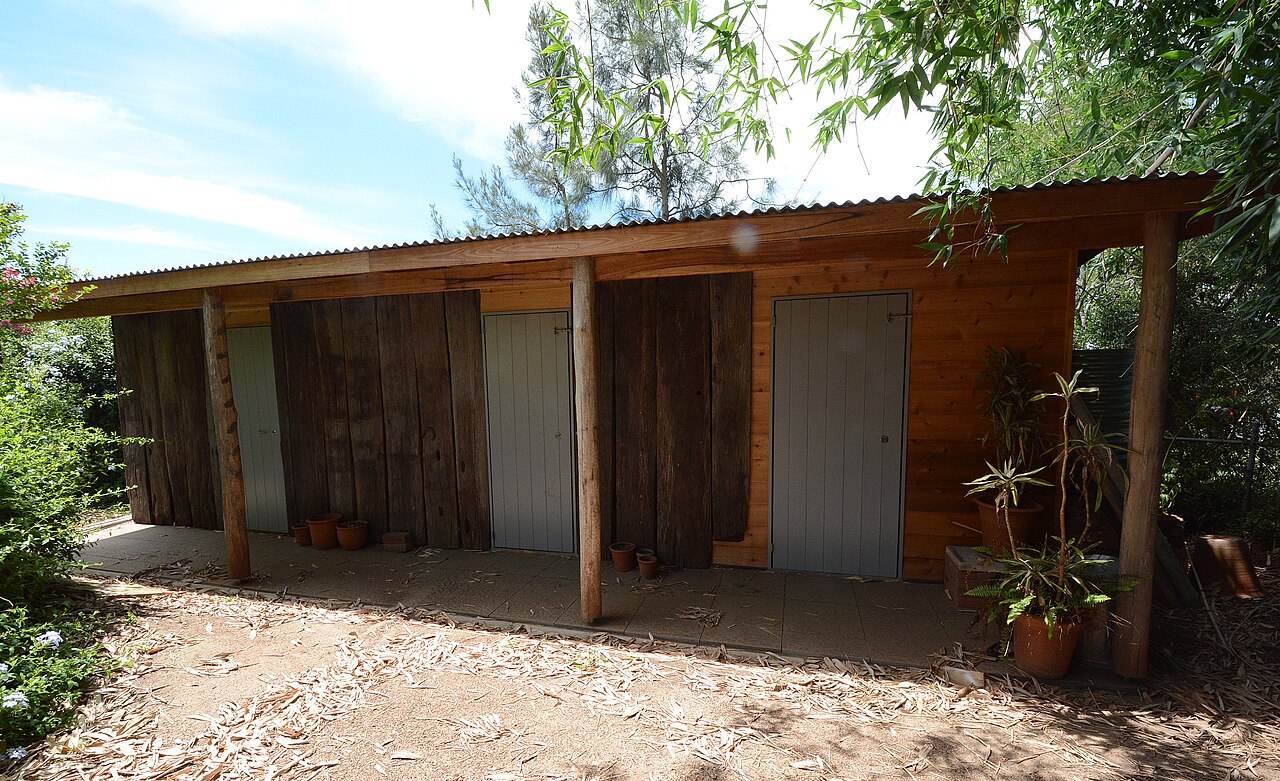
Elizabeth Farm occupies an old heritage building, so thresholds, uneven floors, narrow doorways and steps can affect movement. The historic fabric is fragile: keep to the visitor route and avoid touching furnishings or architectural surfaces. Children need supervision around irreplaceable materials. Interior conditions may differ from a modern climate-controlled museum. Light-sensitive finishes or objects can lead to restrictions on photography in some rooms, and the gardens add outdoor exposure to sun and weather.
Checked 2026-08-26 · Source
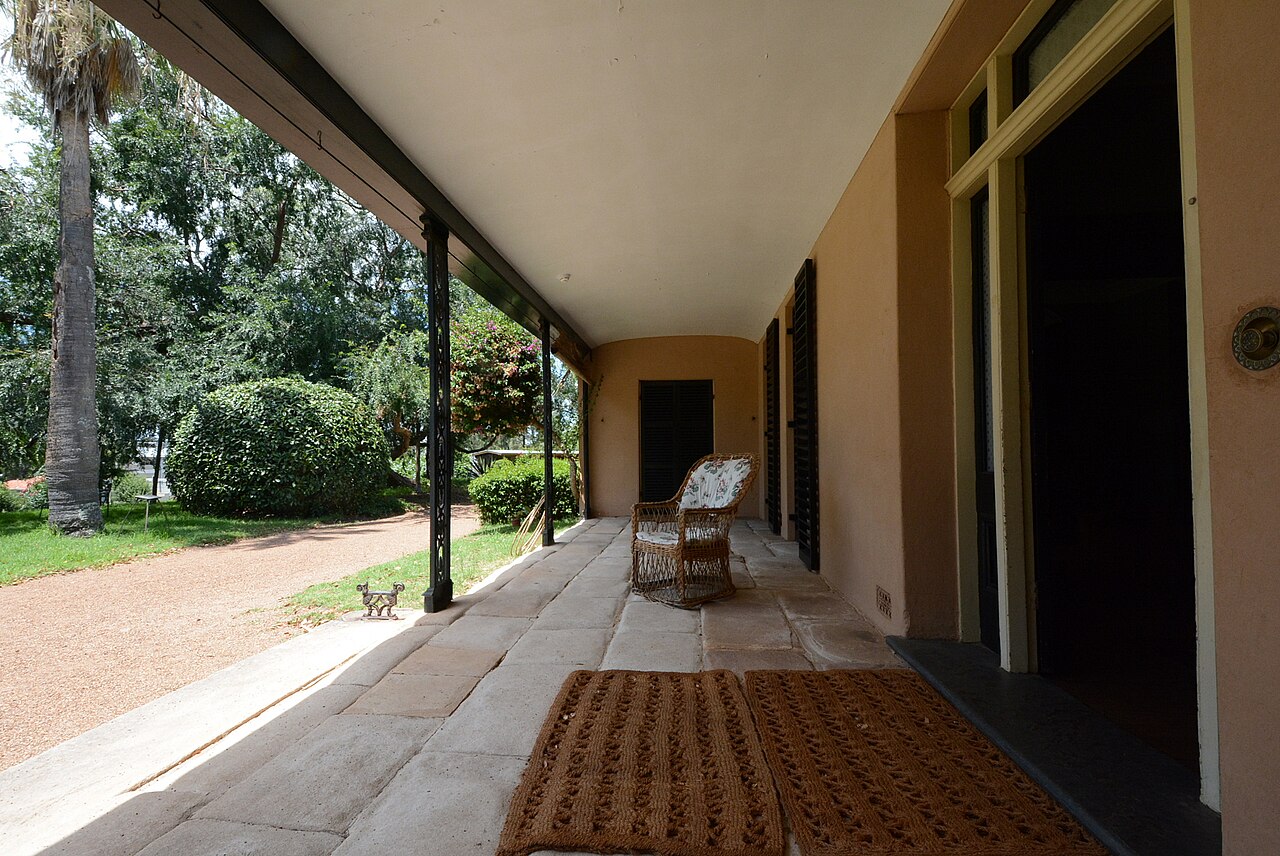
Elizabeth Farm offers photographs of colonial architecture, aged surfaces, furnished rooms and garden views. Exterior compositions can show the relationship between the house and its grounds, while interior light reveals construction details and later additions. Use only the permitted form of personal photography, keep equipment compact in narrow rooms and follow signs or staff directions around sensitive interiors. Tripods and commercial equipment may need separate permission, and drone use is governed by aviation rules.
Checked 2026-08-26 · Source
Elizabeth Farm was constructed in 1793 for John and Elizabeth Macarthur and is among Australia's oldest surviving European buildings.
The house contains furnished and reconstructed rooms, lath-and-plaster construction, later Victorian additions and interpretation about the Macarthur family and convict labour.
Allow about sixty to ninety minutes for the house, gardens and interpretive material, or longer for detailed architectural and historical study.
The property connects early colonial domestic life with the beginnings of Australia's wool industry and preserves architectural layers from more than two centuries of use.
Elizabeth Farm is in the Parramatta area, where visitors can combine the house museum with other heritage destinations for a broader historical day.
Expect heritage-building features such as thresholds, uneven floors, narrow doorways and fragile furnishings that should not be touched.
Loading the interactive map…
The interactive map could not be loaded.

Last updated:
Source: OpenStreetMap contributors, Wikidata ·