
duck_Parramatta_Park_267.jpg)
Governors_Bathhouse-1.jpg)
Governors_Bathhouse-2.jpg)
Governors_Bathhouse-3.jpg)
Hart_Memorial_Parramatta_Park.jpg)

25 min walk
Experiment Farm Cottage
- Must see · Heritage site
- Museum
Language · 11 published
Historic monument · Sydney
Reviewed by Elena Voss · Roavina Travel Editor
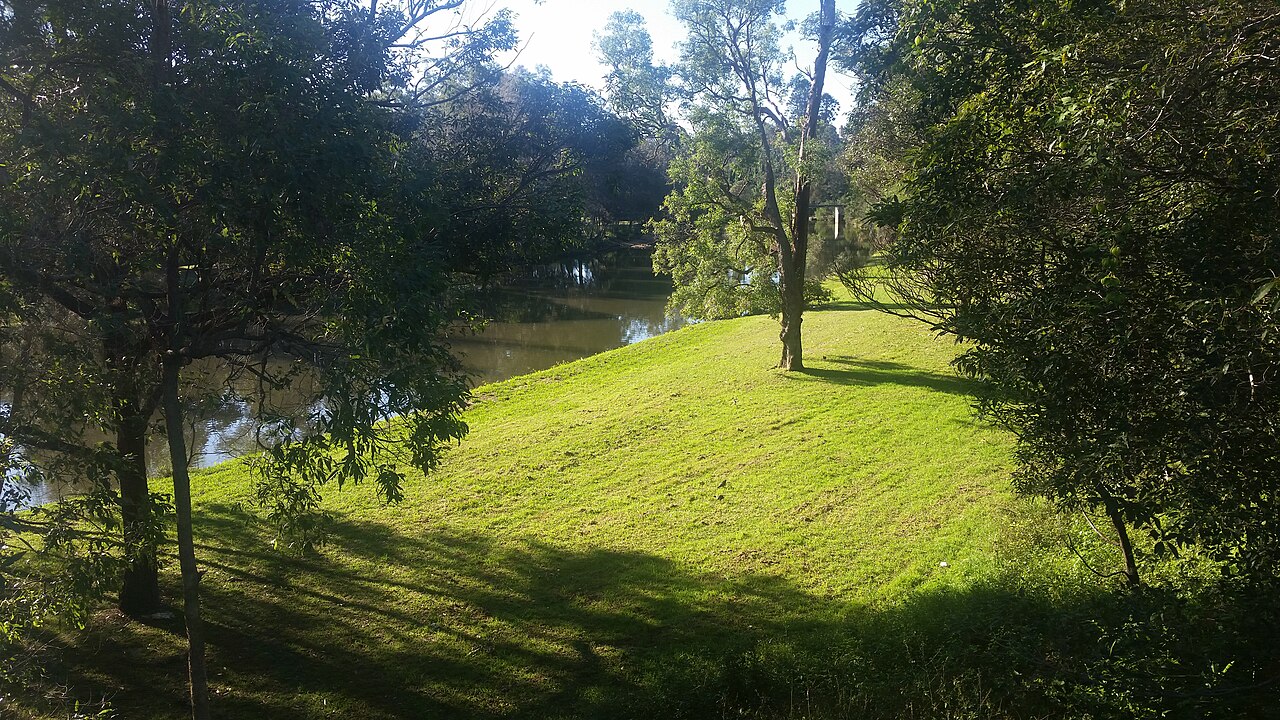
It was established in 1858. It carries the State Environmental Planning Policy heritage designation.
Parramatta Park is a large public park in Parramatta, western Sydney, beside the Parramatta River. It combines open lawns, mature trees, garden areas, walking paths and colonial heritage associations. The park is a useful choice when you want outdoor space and historical atmosphere in the same visit. Its broad grounds suit an unhurried walk, a rest between city sights, or an informal gathering. The setting also places you close to Parramatta’s wider collection of heritage places, streets and visitor services, making the park easy to include in a day focused on western Sydney.
Checked 2026-08-26 · Source
The main experience is the parkland itself. Open grassed areas provide room to sit, stroll and pause, while planted areas and trees give the grounds a varied landscape character. Paths cross the precinct for pedestrian movement, and heritage-related features connect the park with the early colonial history of Parramatta. There is no need to follow a fixed indoor route: visitors can shape the visit around walking, rest, landscape views and historical interest. The surrounding Parramatta area adds further places to explore before or after the park, so the visit works well as part of a broader local itinerary.
Checked 2026-08-26 · Source
Allow about one to three hours for Parramatta Park, depending on whether you want a short walk or a slower visit across the grounds. A brief stop can focus on the lawns, trees and paths. More time suits visitors who want to linger around the heritage setting, sit outdoors or connect the park with other Parramatta attractions. Because the park is open landscape rather than a timed exhibition, your pace can change during the visit. Morning and afternoon both work for a flexible outdoor stop, with extra time useful when combining several nearby places.
Checked 2026-08-26 · Source
Daylight is the natural time for exploring Parramatta Park, since the experience centres on lawns, trees, paths and outdoor heritage surroundings. Morning and afternoon offer comfortable conditions for walking, while shade and water become especially important during Sydney’s warmer summer weather. Mild winter conditions can also suit a longer stroll, although rain may affect comfort and ground conditions. A flexible schedule works well because the park can be added before or after other Parramatta sights. Choose the part of the day that best matches your walking plans and the weather on arrival.
Checked 2026-08-26 · Source
Parramatta Park is public open space, so the visit is centred on walking and enjoying the grounds rather than entering a ticketed exhibition. The park’s lawns, paths, trees and heritage setting make it suitable for a spontaneous stop within Parramatta. Visitors can plan the park as a low-cost outdoor element of a Sydney itinerary and reserve spending for food, transport or other attractions in the surrounding area. Special events or particular facilities may follow separate arrangements, but the ordinary park experience is based on access to the open grounds.
Checked 2026-08-26 · Source
Parramatta Park is in the Parramatta district and can be reached through the area’s public transport network. Parramatta Station is the principal rail connection for the district, followed by a walk through the surrounding streets toward the park. Bus services also serve Parramatta, with the final approach made on foot. Road access connects with the local street network, while cycling may suit visitors already travelling through western Sydney. The park’s position near Parramatta River and the district centre makes it practical to combine with nearby heritage and urban sights in one walking-focused outing.
Checked 2026-08-26 · Source
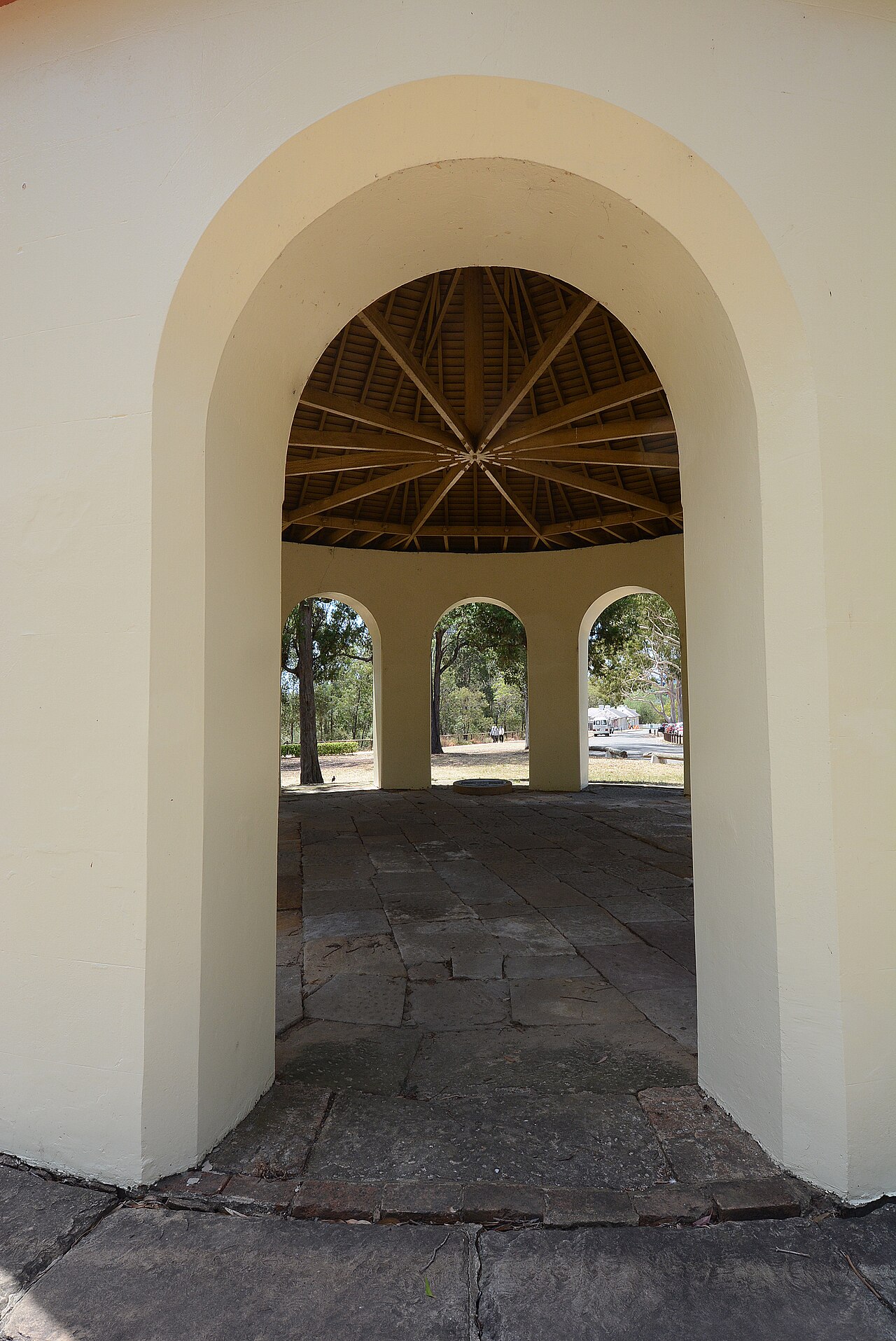
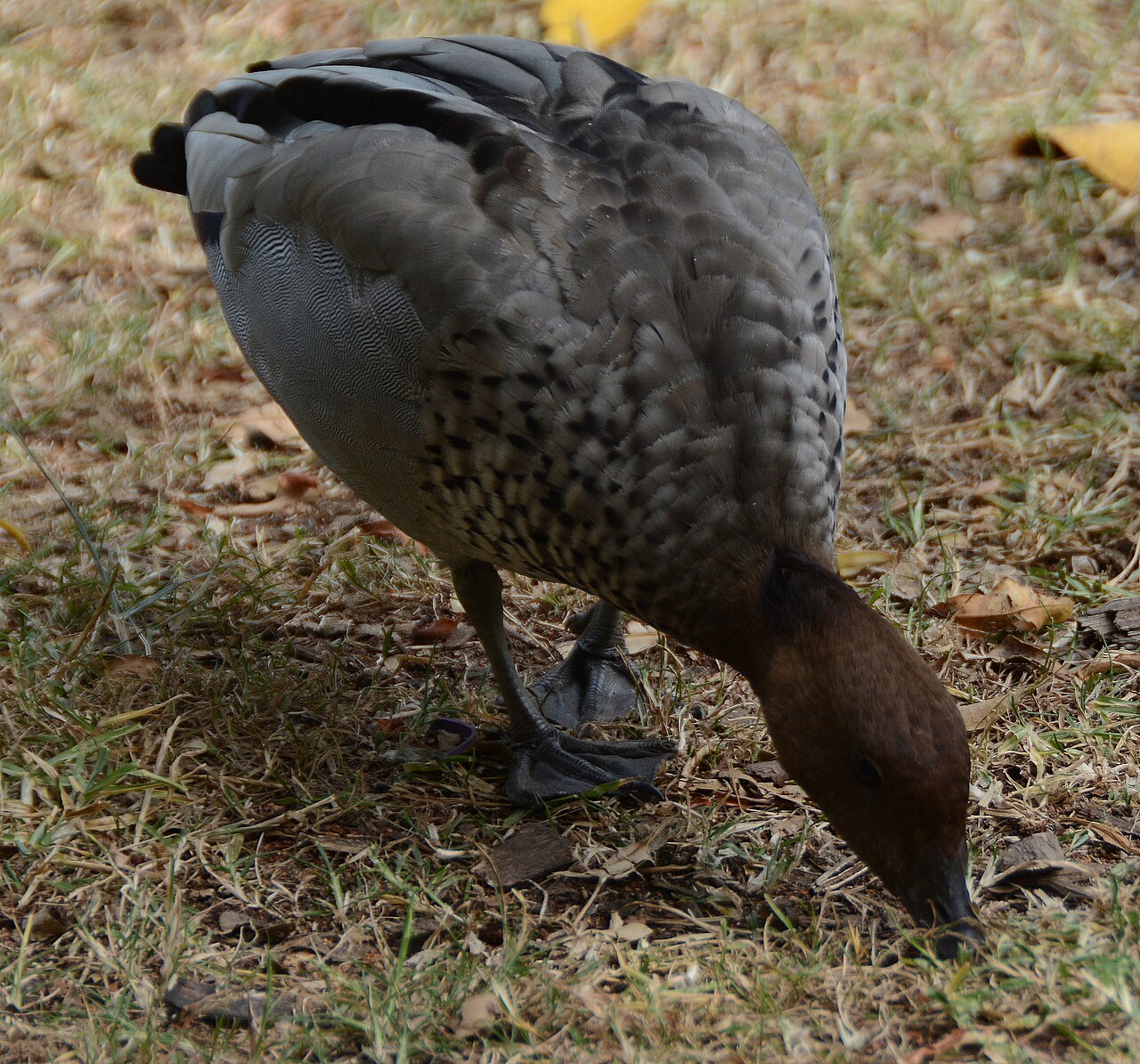
Treat Parramatta Park as an outdoor visit. Strong sun can make a hat, sunscreen and drinking water valuable, especially in summer. Paths and grass may become slippery or uneven after rain, so comfortable footwear helps. Keep children close around any water features and supervise them while they move between lawns and paths. Give wildlife space and do not feed it. During evening visits, stay aware of your surroundings. The open setting rewards a relaxed pace, but weather, footing and exposure should guide how far you walk and how long you remain outdoors.
Checked 2026-08-26 · Source
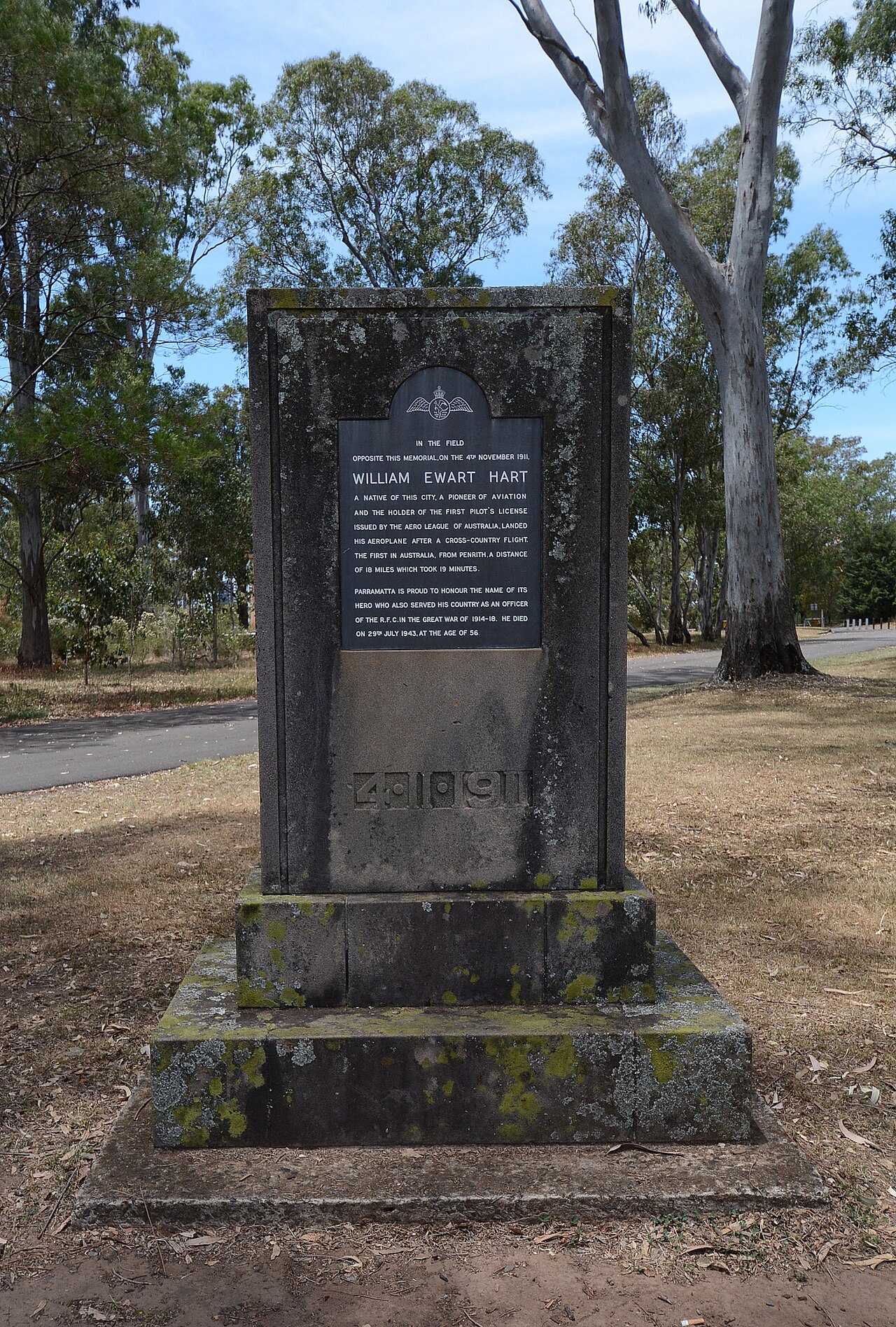
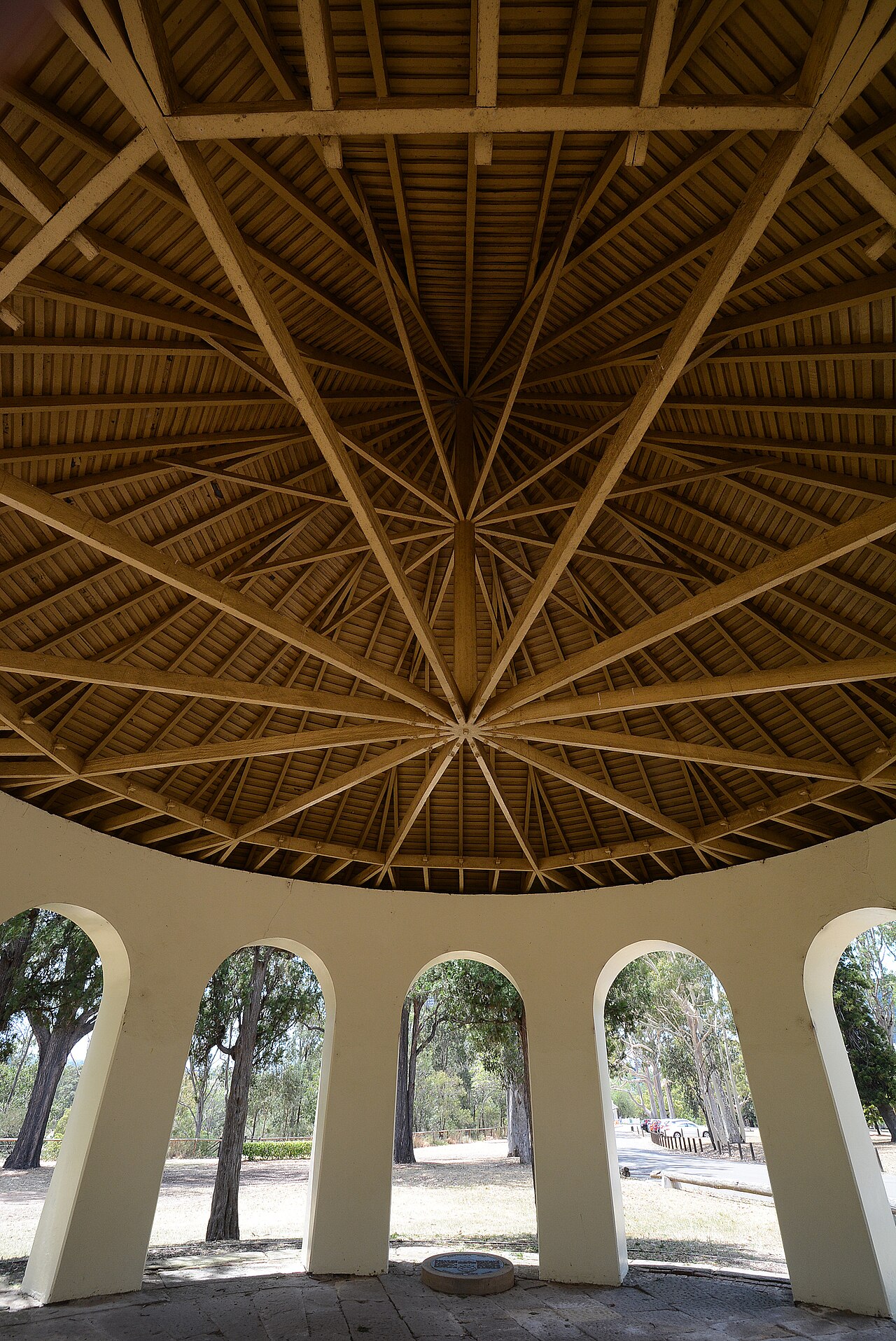
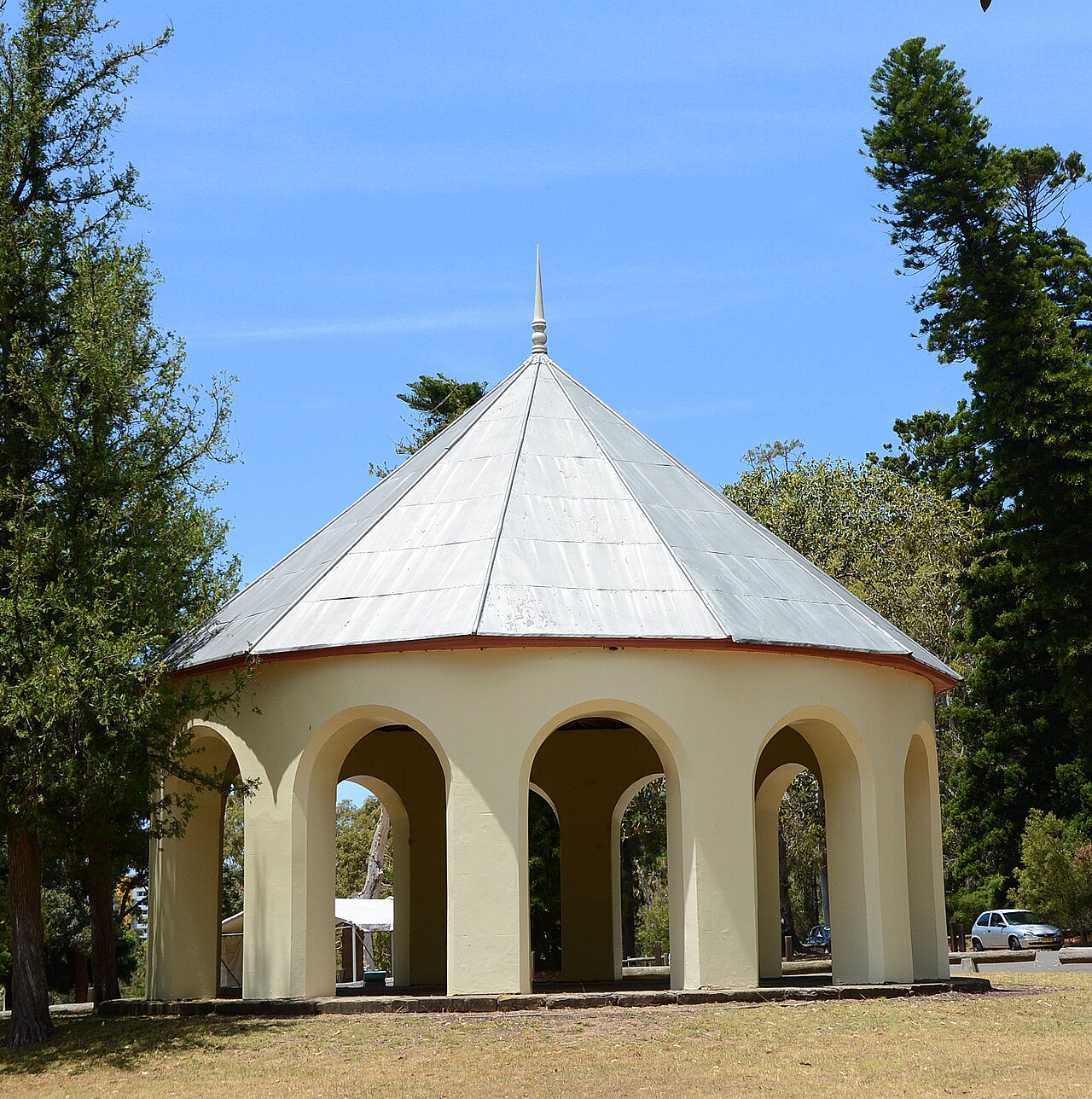
Parramatta Park offers photographs of open lawns, mature trees, planted areas and heritage-associated surroundings. A wide view can show the relationship between the parkland and Parramatta’s historic setting, while a closer composition can focus on paths, tree canopies or architectural details. Morning and late afternoon light can add texture to the landscape and create longer shadows. Keep equipment unobtrusive on shared paths, respect other park users and follow any local signs. The park is most rewarding photographically when you include both its spacious greenery and its connection with Parramatta’s colonial past.
Checked 2026-08-26 · Source
You can walk through open lawns and tree-lined grounds, enjoy garden areas, pause outdoors and explore the park’s colonial heritage setting beside the Parramatta River.
Plan roughly one to three hours, with shorter visits suited to a walk and longer visits suited to lingering outdoors or combining the park with other Parramatta attractions.
Travel to Parramatta Station by train and continue on foot through the district. Bus services also serve the surrounding Parramatta streets.
The open grassed areas provide a natural setting for informal outdoor gatherings and relaxation, making the park suitable for visitors who want to spend time on the lawns.
For a comfortable outdoor visit, bring water, sun protection and footwear suitable for paths and grass, particularly when warm weather or recent rain affects conditions.
The park combines spacious greenery with colonial heritage associations and a position beside the Parramatta River, offering a different side of Sydney from the central harbour precinct.
Loading the interactive map…
The interactive map could not be loaded.
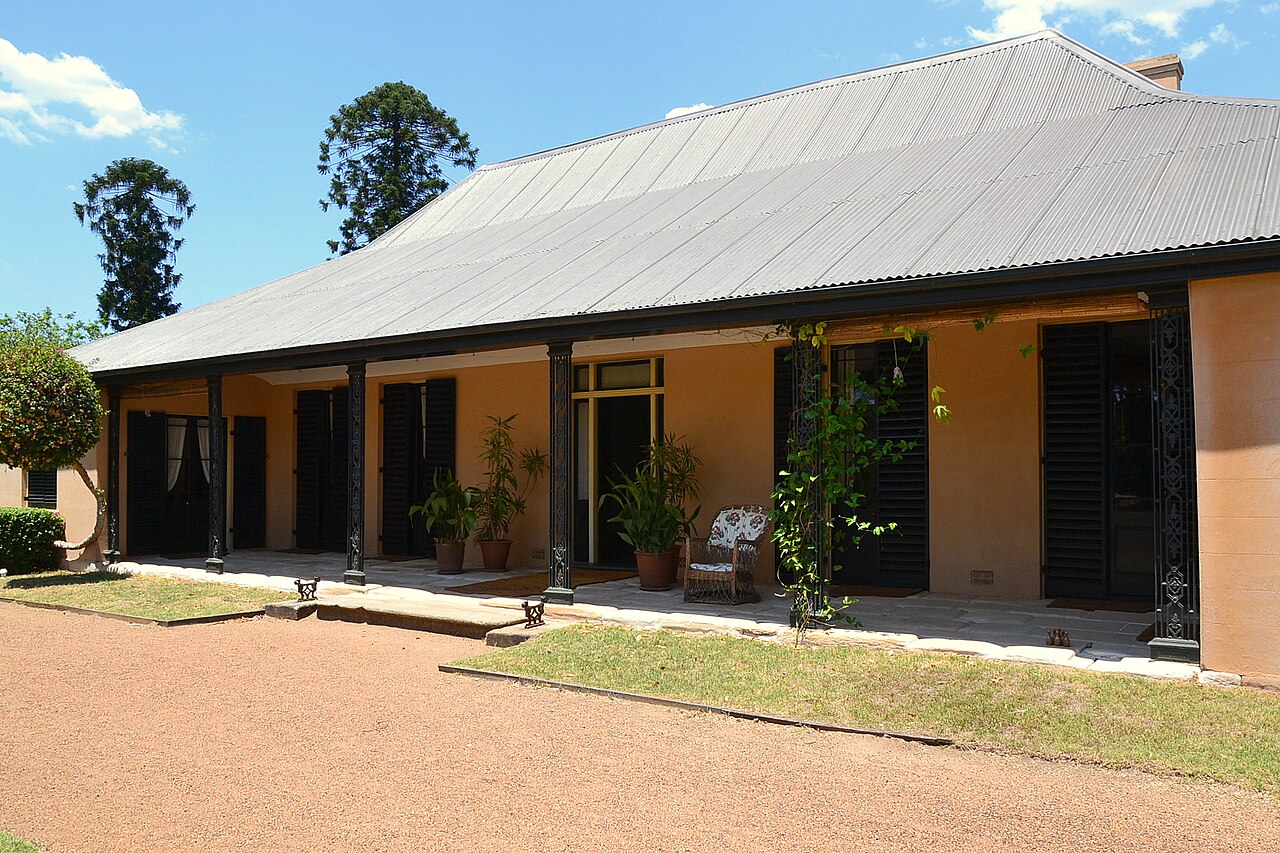
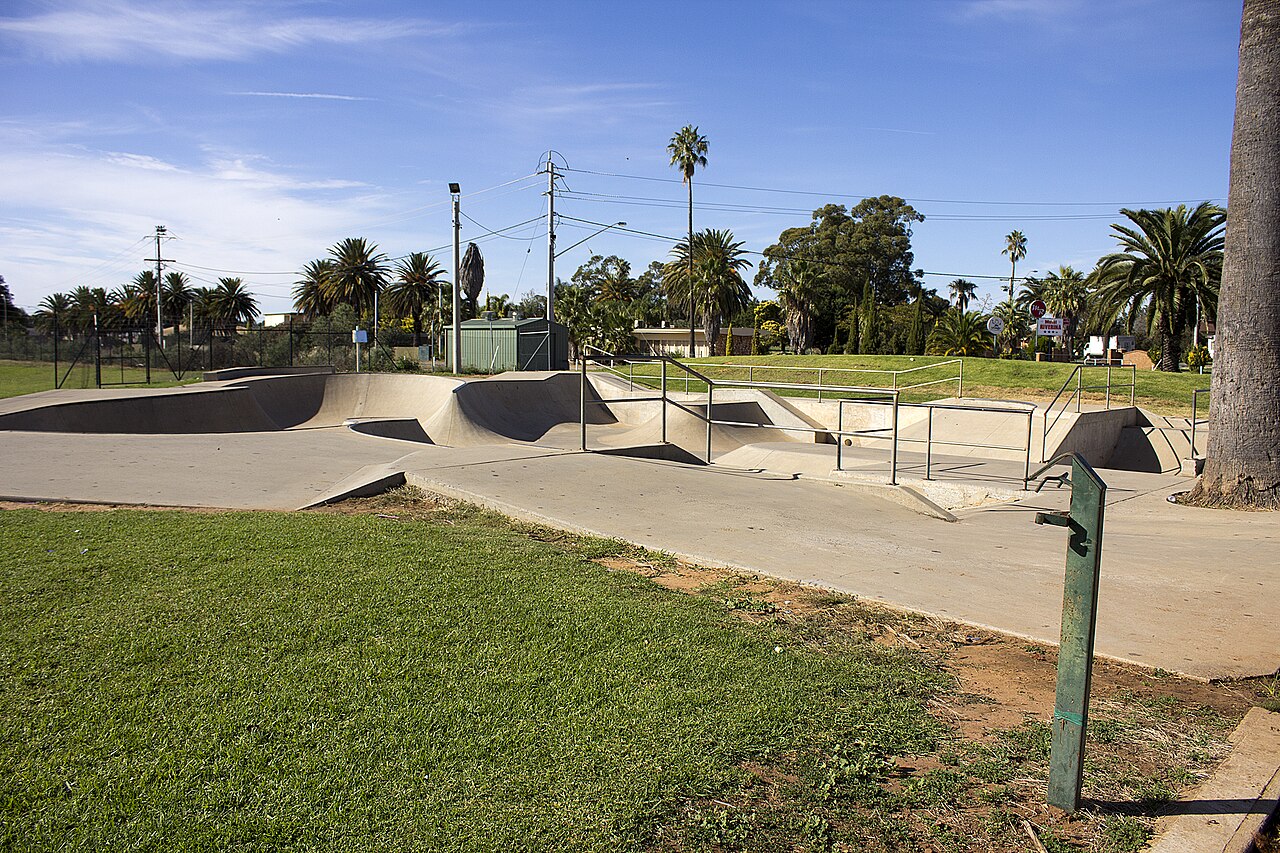
Last updated:
Source: OpenStreetMap contributors, Wikidata ·