
3 min walk
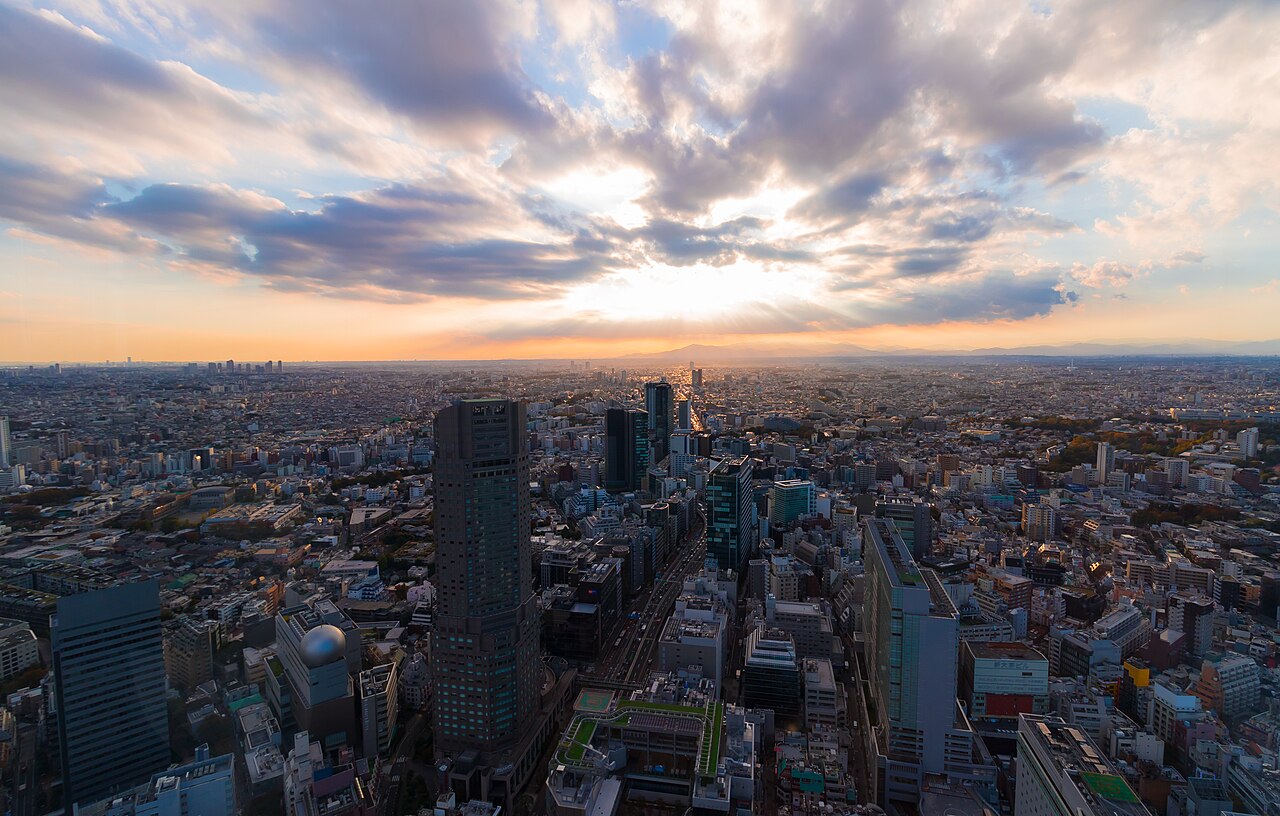
SHIBUYA SKY
- Must see
- Viewpoint
Language · 11 published
Activity · Tokyo
渋谷スクランブル交差点
Reviewed by Elena Voss · Roavina Travel Editor

| Monday | 00:00 – 23:59 |
|---|---|
| Tuesday | 00:00 – 23:59 |
| Wednesday | 00:00 – 23:59 |
| Thursday | 00:00 – 23:59 |
| Friday | 00:00 – 23:59 |
| Saturday | 00:00 – 23:59 |
| Sunday | 00:00 – 23:59 |
Checked 2026-08-31 · Source
Read from the OpenStreetMap access tags; anything not listed has no tag recorded.
Set the group type to family in the planner and the day window contracts to about three quarters of a solo day.
Shibuya Scramble Crossing is a major pedestrian intersection located in front of Shibuya Station in Tokyo. It is widely recognized as one of the busiest crossings globally, with multiple large digital screens mounted on surrounding buildings. The crossing allows pedestrians to move in all directions simultaneously when traffic signals halt vehicles. It has become an iconic symbol of Tokyo's urban density and modern energy, frequently appearing in international media and serving as a representative image of contemporary Japan for many visitors.
Checked 2026-08-31 · Source
The crossing itself contains no enclosed structure or interior space. The experience consists entirely of the open-air intersection and its immediate surroundings. Adjacent to the crossing, visitors will find the Shibuya Station complex, numerous retail establishments, dining venues, and entertainment facilities. The area includes the well-known Hachiko statue near the station entrance. The surrounding buildings feature prominent advertising displays that illuminate the area, particularly after dark. The physical components are the street surface, traffic infrastructure, and urban architecture. A flexible visit lets travellers connect Shibuya Scramble Crossing with the rest of the day without treating one room, viewpoint or photograph as the whole experience. The useful pace depends on personal interest and conditions on arrival.
Checked 2026-08-31 · Source
Most visitors spend approximately five to fifteen minutes at the crossing itself, typically crossing multiple times to experience the flow from different angles. Many combine this with extended exploration of the surrounding Shibuya district. The duration depends entirely on individual interest in observing or photographing the intersection patterns. There is no queue or admission process requiring time allocation. Visitors often integrate the crossing into broader itineraries covering the Shibuya and Harajuku areas, with total district visits commonly lasting several hours.
Checked 2026-08-31 · Source
Daily: continuous public access, with crossing permitted during the pedestrian green phase. The crossing has no attraction-style closure day. Pedestrians must follow the pedestrian signals; temporary police traffic controls may restrict access during exceptional crowd-management operations. The crossing operates continuously as a public thoroughfare, with pedestrian signals cycling throughout all hours. Peak congestion typically occurs during morning and evening commuter periods, weekend afternoons, and holiday seasons. Evening hours offer the most visually striking atmosphere due to illuminated signage. Visitors seeking less crowded conditions may find early morning hours comparatively quieter, though the crossing remains active. Weather conditions affect comfort but do not restrict access to this outdoor public space.
Checked 2026-08-31 · Source
Free; no ticket or admission charge. No admission fee or ticket is required to use Shibuya Scramble Crossing. It functions as a free public pedestrian facility. No booking system, reservation platform, or timed entry mechanism exists. Visitors should be aware that surrounding commercial establishments, including observation decks in nearby buildings that offer elevated views of the crossing, may charge separate fees. These ancillary services are independently operated and not part of the crossing itself.
Checked 2026-08-31 · Source
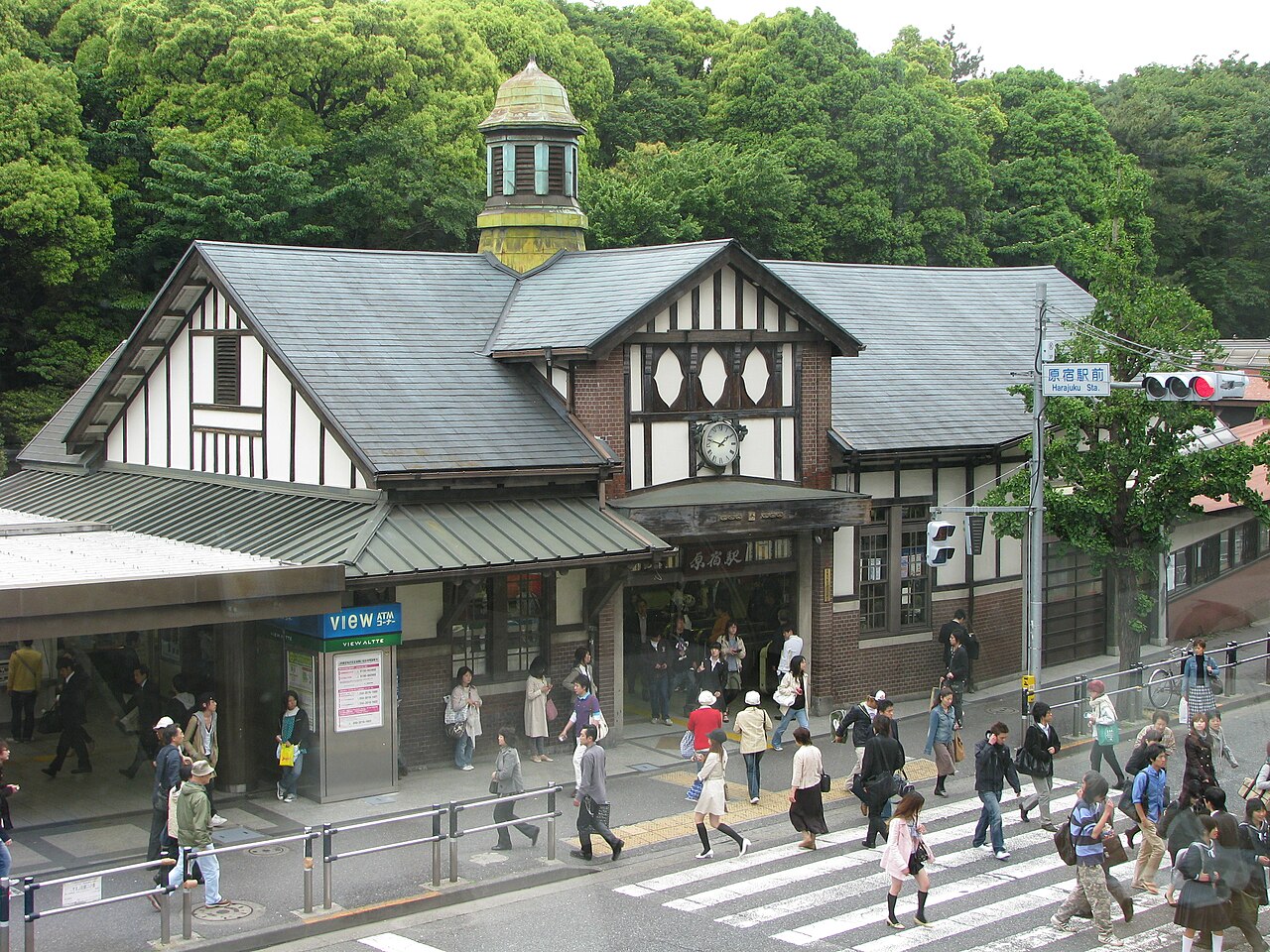
From JR Shibuya Station, use the South Gate and follow signs for Hachiko Square and Scramble Crossing. JR East places the crossing about 250 metres from the South Gate and recommends this route because Hachiko Gate is crowded. This is the named approach for an independent visit. Shibuya Scramble Crossing is immediately adjacent to Shibuya Station, a major transportation hub served by multiple railway and subway lines including JR East, Tokyo Metro, and private railway operators. The station handles extensive daily passenger volume. Exits from the station complex lead directly to the crossing vicinity. The Hachiko exit provides particularly direct access. Given Tokyo's extensive rail network, most central districts connect to Shibuya Station with reasonable efficiency. Walking from nearby districts including Harajuku is also feasible for able visitors.
Checked 2026-08-31 · Source
Tokyo Metro lists a complete step-free route between street, gate and platform for the Hanzomon and Fukutoshin lines at Shibuya Station. The Ginza Line does not have a complete step-free route; Tokyo Metro lists a surface elevator via Shibuya Mark City and stairlifts between Hachiko Front Intersection Gate and the platform. Wheelchair-accessible toilets are available inside the Dogenzaka Gate area for the Hanzomon Line and inside the Miyamasuzaka East Gate area for the Fukutoshin Line. The access description applies to the documented visitor route. The density of simultaneous pedestrian movement requires sustained awareness of surrounding individuals. Collision risk increases during peak periods. Visitors should secure personal belongings against potential petty theft in crowded conditions. Photography while crossing may impede flow and annoy other pedestrians. The surrounding area contains vehicle traffic with dedicated phases; visitors must obey signals. Weather exposure is complete with no shelter on the crossing itself. Intoxicated individuals may be present during evening and night hours given nearby nightlife establishments. Emergency services access must remain unobstructed.
Checked 2026-08-31 · Source
The crossing is among the most photographed locations in Tokyo. Ground-level shots capture the pedestrian flow and surrounding signage, though achieving clear compositions amid crowds presents challenge. Several nearby buildings offer elevated perspectives through windows, terraces, or dedicated observation spaces; access conditions and any associated policies vary by location. Tripod use on the crossing itself would obstruct pedestrian movement and is impractical. Night photography benefits from artificial illumination but requires attention to moving subjects. Drone operation would face regulatory restrictions and practical hazards in this dense urban environment.
Checked 2026-08-31 · Source
Yes. GO TOKYO, the official Tokyo travel guide, classifies the crossing as free.
The public intersection has continuous access, but pedestrians may enter the roadway only during the pedestrian green phase.
Yes. The Metropolitan Police Department defines the scramble system as stopping vehicles in every direction while pedestrians cross simultaneously, including diagonally.
Its official name is Shibuya Ekimae Kosaten, and the Shibuya City Tourism Association records that the scramble crossing was created in 1973.
A Shibuya City document reports approximately 23,000 crossings in one hour during the afternoon peak, based on a 2020 survey.
JR East recommends Shibuya Station's South Gate for Hachiko Square and Scramble Crossing because Hachiko Gate is crowded; the South Gate route is about 250 metres.
Loading the interactive map…
The interactive map could not be loaded.
Last updated:
Source: OpenStreetMap contributors, Wikidata ·