
6 min walk
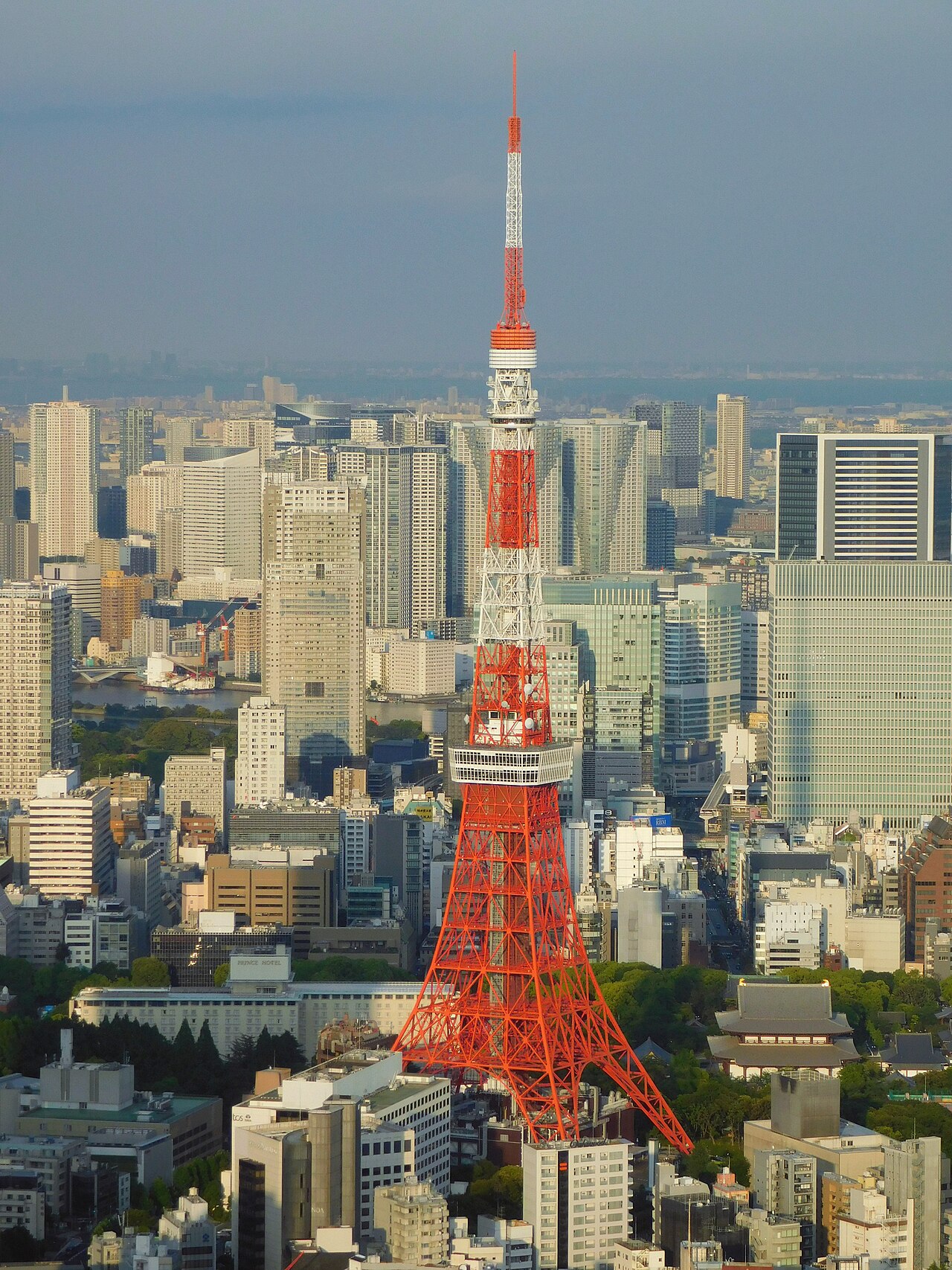
Tokyo Tower
- Must see · Heritage site
- Historic monument
Language · 11 published
Museum · Tokyo
teamLab Borderless Museum
Reviewed by Elena Voss · Roavina Travel Editor
Read from the OpenStreetMap access tags; anything not listed has no tag recorded.
Set the group type to family in the planner and the day window contracts to about three quarters of a solo day.
This place is a Museum. It opened in 2024. It is run by teamLab.
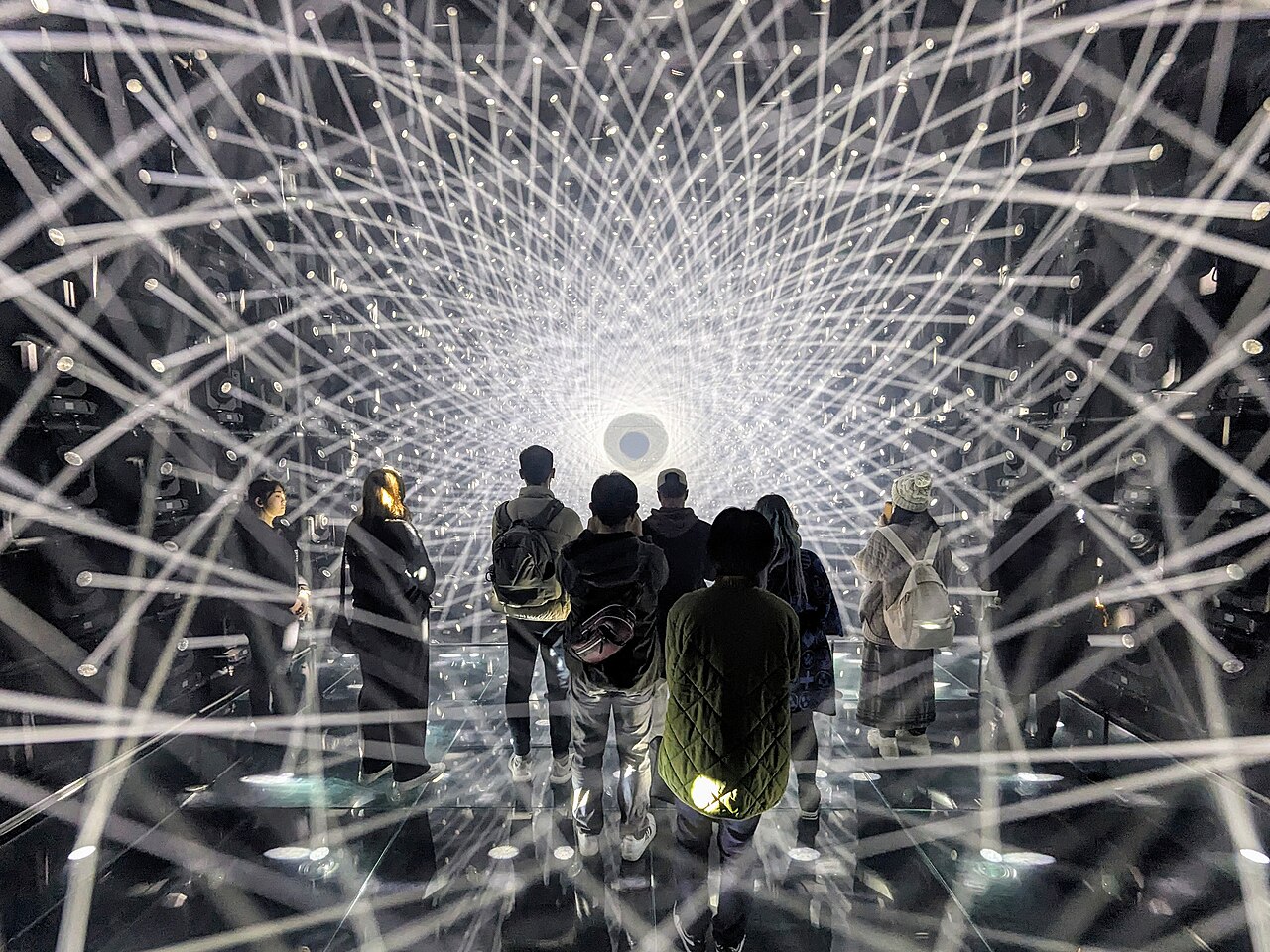
teamLab Borderless is a digital art museum in Tokyo created by the interdisciplinary art collective teamLab. The permanent installation occupies a substantial indoor space and presents immersive artworks that dissolve boundaries between visitor and art, and between individual works. Installations respond to human presence and movement, creating perpetually shifting visual environments. The museum exemplifies teamLab's philosophy of borderless art that moves between rooms, communicates with other works, and transforms through visitor interaction.
Checked 2026-08-31 · Source
The museum comprises multiple themed zones featuring projection-mapped environments, light installations, and interactive digital canvases. Notable spaces include a lamp room with responsive illuminated spheres, a kinetic digital waterfall, and rooms where visitors can draw creatures that appear animated on walls. The artworks employ sensors, projectors, and computer rendering to generate real-time visuals. Some installations incorporate tactile elements and physical structures within digital projections. The collective's works frequently depict natural motifs including flowers, butterflies, and water rendered in luminous digital form.
Checked 2026-08-31 · Source
Visitor reports suggest allowing substantial time for full exploration, though individual pacing varies considerably. The museum's expansive layout and numerous rooms reward unhurried progression. Many visitors choose to revisit certain installations multiple times to observe how responsive artworks evolve with different participant interactions. The experience accommodates both brief visits focused on highlight spaces and extended stays permitting comprehensive engagement. Crowd density significantly affects movement speed and accessibility of interactive elements during peak visitation periods. A flexible visit lets travellers connect teamLab Borderless with the rest of the day without treating one room, viewpoint or photograph as the whole experience. The useful pace depends on personal interest and conditions on arrival.
Checked 2026-08-31 · Source
08:30–21:00 on open dates. Extended hours are 08:30–22:00 on October 1–2, 5–9, 12–16, 19, 21–23, and 26–30, 2026. Last entry is one hour before closing. Announced upcoming full-day closures are Tuesday, September 8 and Tuesday, October 20, 2026. The entrance is on B1 of Garden Plaza B at Azabudai Hills. From Kamiyacho Station on the Tokyo Metro Hibiya Line, use Exit 5 and walk about 2 minutes. From Roppongi-itchome Station on the Tokyo Metro Namboku Line, use Exit 4 and walk about 6 minutes. Both stations connect to the museum through underground passages, so the route can be followed without going up to street level. Drivers should use Azabudai Hills P6 and take elevator D to B1; the museum entrance is immediately to the left. Tokyo's tourist seasons influence crowd levels at major attractions, with spring cherry blossom period and autumn foliage season typically drawing elevated domestic and international visitation. Weekday mornings generally offer reduced congestion compared to weekends and Japanese public holidays. Advance reservation systems may apply, requiring pre-purchased timed entry for admission regardless of seasonal demand fluctuations.
Checked 2026-08-31 · Source
The adult Entrance Pass for visitors aged 18 or older uses dynamic pricing: JPY 3,600–5,600 depending on the designated date and entry time. Prices include tax. The displayed base price is JPY 3,600. teamLab Borderless historically employed advance reservation systems with timed entry slots, though specific pricing tiers, discount categories, and availability structures require direct verification. Visitors should purchase exclusively through official museum channels or verified authorized sellers to avoid fraudulent tickets. Combination arrangements with other Tokyo attractions may exist through certain tourism passes or package offerings. Capacity limitations can result in sold-out dates, particularly during peak travel periods, making early booking advisable for preferred visitation dates.
Checked 2026-08-31 · Source
The entrance is on B1 of Garden Plaza B at Azabudai Hills. From Kamiyacho Station on the Tokyo Metro Hibiya Line, use Exit 5 and walk about 2 minutes. From Roppongi-itchome Station on the Tokyo Metro Namboku Line, use Exit 4 and walk about 6 minutes. Both stations connect to the museum through underground passages, so the route can be followed without going up to street level. Drivers should use Azabudai Hills P6 and take elevator D to B1; the museum entrance is immediately to the left. This is the named approach for an independent visit. The museum occupies a location within Tokyo's urban fabric accessible through the city's extensive public transportation network. Multiple rail and subway lines serve the general district, with walking connections from nearby stations. Taxis and ride services provide alternative access.
Checked 2026-08-31 · Source
Wheelchair and stretcher users enter by elevator; its entrance is 1,000 mm wide and its interior measures 1,600 × 1,350 mm. Some artworks cannot accommodate wheelchairs or stretchers, and the number admitted at one time is limited. Senior carts with handlebars and electric wheelchairs that cannot be limited to 2 km/h require transfer to a museum wheelchair. Canes are permitted; visitors who need mobility assistance are asked to attend with a companion. Assistance dogs are permitted. Two rest areas and free lockers are available. Strollers must be left in the luggage room; the museum has no nursing room, but Azabudai Hills has nursing facilities. The access description applies to the documented visitor route. The immersive environment presents sensory intensity through darkness, bright projections, mirror surfaces, and reflective floors that may disorient sensitive visitors.
Checked 2026-08-31 · Source
The visually spectacular installations strongly invite photographic documentation, though visitors should remain attentive to surroundings while capturing images. Dark environments challenge camera performance; low-light capability affects result quality. Flash photography is typically prohibited as it disrupts projected artworks and other visitors' experience. Tripods, monopods, and selfie sticks are generally restricted for safety and flow management. Specific installations may impose additional capture limitations. Sharing on social media is commonplace, though commercial or promotional photography requires advance authorization from teamLab. Respect for other visitors' experience should guide all photographic behavior.
Checked 2026-08-31 · Source
No. Once a visitor leaves the museum, re-entry is not permitted.
No. The operator sets no limit on visit duration after entry, although entry itself is tied to the ticket conditions.
No. teamLab Borderless is designed as a “museum without a map,” so no visitor map is provided.
Yes. Personal photography, video recording, and social-media posting are allowed, but flash, commercial filming without consent, and monopods, tripods, selfie sticks, or similar aids measuring 30 cm or longer are prohibited.
Tickets generally cannot be cancelled. Tickets bought directly through the official ticket website may have their date or time changed up to three times, subject to availability and the operator’s deadlines.
Food, alcohol, and luggage longer than 50 cm are prohibited. Drinks are allowed only in designated places and must have caps; free lockers are available.
Loading the interactive map…
The interactive map could not be loaded.
Last updated:
Source: OpenStreetMap contributors, Wikidata ·