
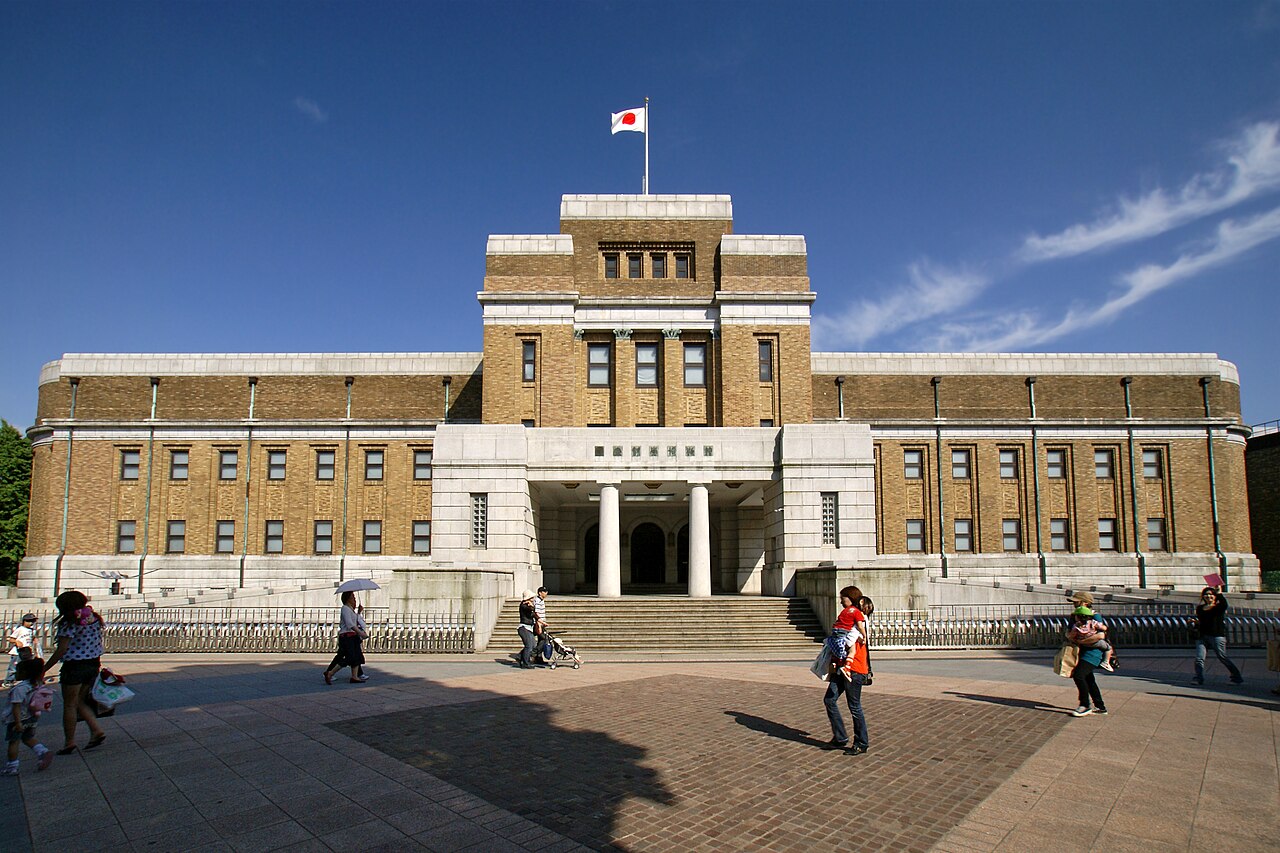
2 min walk
National Museum of Nature and Science
- Must see · Heritage site
- Museum

Museum · Tokyo
国立西洋美術館
Closed today, Monday. Next open Tuesday at 09:30 — the planner will not place a stop here on a Monday.
Plan around it| Monday | Closed |
|---|---|
| Tuesday | 09:30 – 17:30 |
| Wednesday | 09:30 – 17:30 |
| Thursday | 09:30 – 17:30 |
| Friday | 09:30 – 20:00 |
| Saturday | 09:30 – 20:00 |
| Sunday | 09:30 – 17:30 |
Checked 2026-08-31 · Source
| Per person | ¥500 |
|---|
Checked 2026-08-31 · Source
Read from the OpenStreetMap access tags; anything not listed has no tag recorded.
Set the group type to family in the planner and the day window contracts to about three quarters of a solo day.
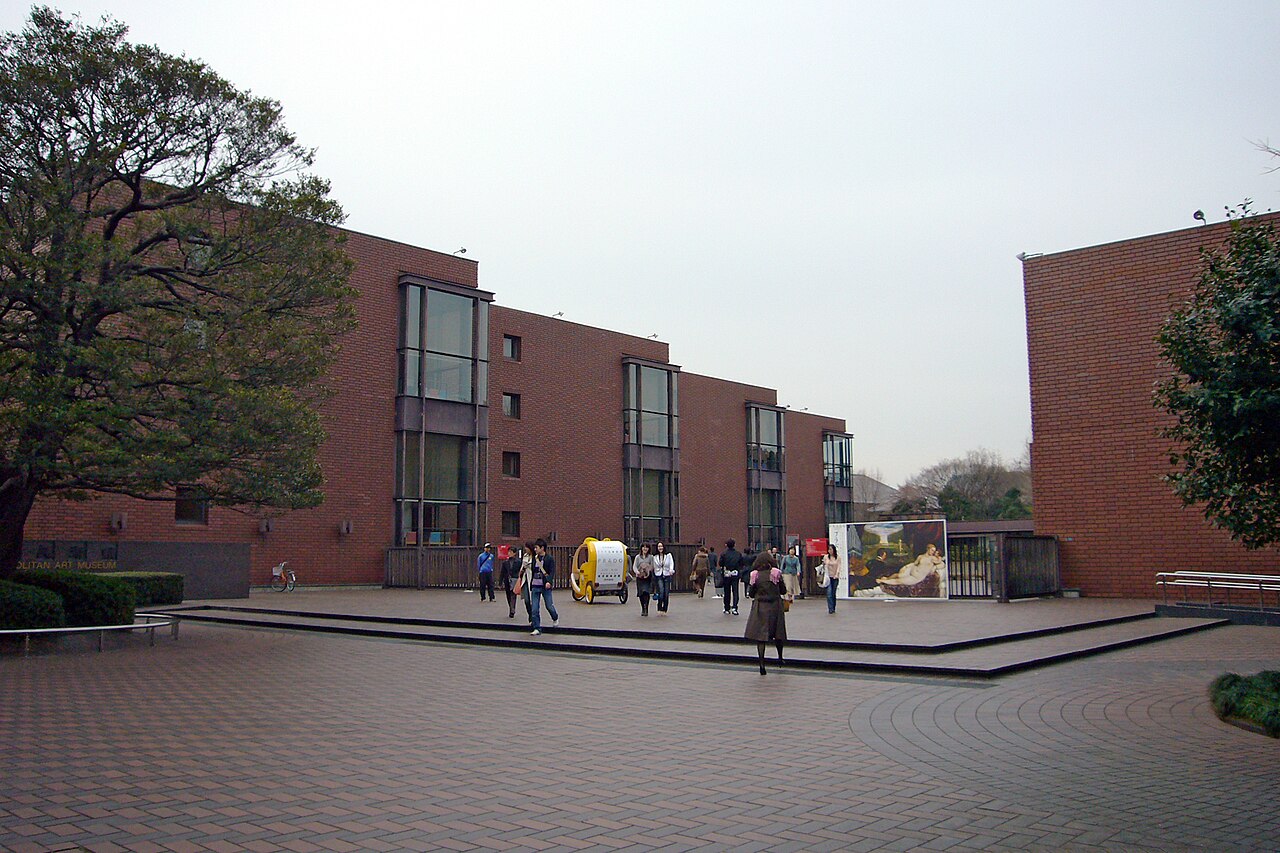
The National Museum of Western Art, known in Japanese as 国立西洋美術館, is an art museum in Tokyo dedicated to Western art. It is located in Ueno Park, a cultural district in the northern part of central Tokyo. The museum building was designed by the Swiss-French architect Le Corbusier and is recognized as a significant example of modernist architecture. The structure was completed in 1959 and has been designated as a UNESCO World Heritage Site as part of Le Corbusier's architectural works. The museum's core collection originated from the industrialist Matsukata Kojiro.
Checked 2026-08-31 · Source
The museum houses a substantial collection of Western art spanning from the Renaissance through the early twentieth century. The Matsukata Collection forms the nucleus of the holdings, featuring paintings and sculptures. Visitors can encounter works by major European artists including Rodin, whose sculptures are prominently displayed in the museum's garden and interior spaces. The collection encompasses various movements and periods of Western artistic tradition. Temporary exhibitions are also mounted periodically, supplementing the permanent galleries. The architectural interior itself constitutes part of the visitor experience, with Le Corbusier's spatial design and use of natural light creating distinctive viewing conditions.
Checked 2026-08-31 · Source
A thorough visit to the National Museum of Western Art typically requires between ninety minutes and two and a half hours, depending on individual engagement levels. Visitors with strong interest in art history or architecture may wish to allocate additional time for careful examination of individual works and the building's design features. The sculpture garden warrants separate consideration, particularly for those wishing to study the Rodin bronzes in outdoor settings. Casual visitors can expect a meaningful experience within a shorter timeframe. Combining this museum with other Ueno Park cultural institutions would necessitate compressed scheduling for each individual venue.
Checked 2026-08-31 · Source
Tuesday–Thursday and Sunday 09:30–17:30; Friday–Saturday 09:30–20:00. Admission ends 30 minutes before closing. The official calendar marks Monday, 31 August 2026 as closed. Regular closures are Mondays and 28 December–1 January. When a national holiday falls on Monday, the museum opens that day and closes the following day instead. Additional special closures may occur. Visitors should consult the museum's official communications or contact the institution directly before planning their arrival. Seasonal considerations for Ueno Park may influence timing preferences, as the district experiences notable visitor fluctuations during cherry blossom periods and other seasonal events. Weekday mornings generally offer more tranquil conditions for art viewing than weekend afternoons. Weather conditions affect the sculpture garden experience, making covered interior spaces preferable during precipitation.
Checked 2026-08-31 · Source
Permanent Collection: ¥500 per adult; ¥400 per person for groups of 20 or more. Special exhibitions have separate prices. Permanent Collection admission is free for visitors under 18, high-school students and younger, visitors aged 65 or older, visitors with disabilities, and one accompanying person per disabled visitor. The Permanent Collection is also free on the second Sunday of each month, 18 May, and 3 November. The museum may operate differentiated pricing structures for permanent collection access versus special exhibitions. Concession categories commonly applied at Japanese national museums typically include university students, high school students, and senior citizens, though specific eligibility and discount rates require direct confirmation. Group rates may be available for organized parties.
Checked 2026-08-31 · Source
From JR Ueno Station, use the Park Exit; the museum is about a 1-minute walk and this route is wheelchair accessible. It is also about 7 minutes on foot from Keisei Ueno Station on the Keisei Line, or 8 minutes from Ueno Station on the Tokyo Metro Ginza or Hibiya Line. The museum has no visitor parking and recommends public transport. This is the named approach for an independent visit. The museum is situated within Ueno Park in the Taito ward of Tokyo. The most convenient rail access is via Ueno Station, which is served by multiple JR East lines including the Yamanote Line, as well as the Tokyo Metro Ginza and Hibiya lines.
Checked 2026-08-31 · Source
The route from JR Ueno Station’s Park Exit to the museum is wheelchair accessible. Slopes and elevators provide wheelchair access through the Main Building, New Wing, and Special Exhibition Galleries. Wheelchairs are available from the Information Desk in limited numbers. Accessible toilets are on the Main Building’s first floor and the Special Exhibition Wing’s second basement floor; the Main Building also has a multipurpose toilet with ostomate facilities. Service dogs are permitted. The museum has no parking; nearby parking facilities are some distance away, so the museum recommends that disabled visitors arriving by car have a companion. The access description applies to the documented visitor route.
Checked 2026-08-31 · Source
Japanese museums frequently prohibit flash photography and tripod usage regardless of general camera permissions. Special exhibitions typically impose stricter image-capture restrictions than permanent galleries. The exterior architecture and sculpture garden may present fewer limitations for personal photography, though commercial or promotional usage would require formal authorization. Visitors should respect any signage indicating prohibited zones or activities. When photography is permitted, consideration for fellow viewers and artwork protection should guide behavior. Social media sharing of permitted images remains subject to potential copyright considerations for reproduced artworks.
Checked 2026-08-31 · Source
The museum gives an average viewing time of 1 to 1.5 hours.
Photography is allowed for permitted collection works, but flash, tripods, and detailed copying are prohibited. Loaned works cannot be photographed, and all photography or video may be stopped when galleries are crowded.
Le Corbusier designed the Main Building, which opened in 1959. The New Wing, completed in 1979, and the underground Special Exhibition Galleries, completed in 1997, were designed by the office of his student Kunio Maekawa.
Strollers are allowed, and loan strollers are available from the Information Desk in limited numbers. Their use may be restricted when the museum is crowded.
Yes. Wheelchairs are available in limited numbers from the Information Desk.
No. The museum recommends public transport because nearby parking is limited and off-site.
Loading the interactive map…
The interactive map could not be loaded.
Last updated:
Source: OpenStreetMap contributors, Wikidata ·