
3 min walk
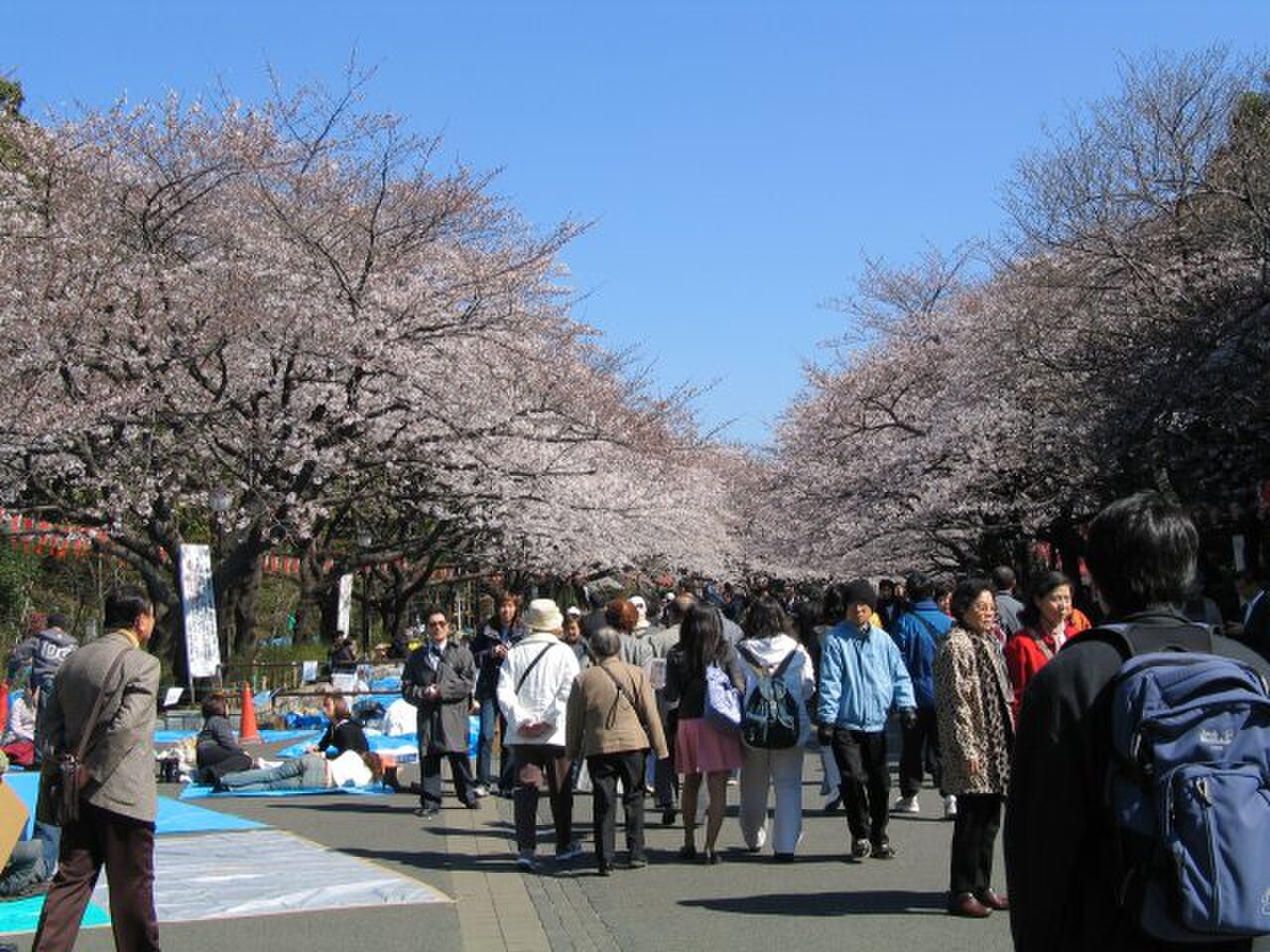
Ueno Imperial Grant Park
- Must see
- Nature site
Museum · Tokyo
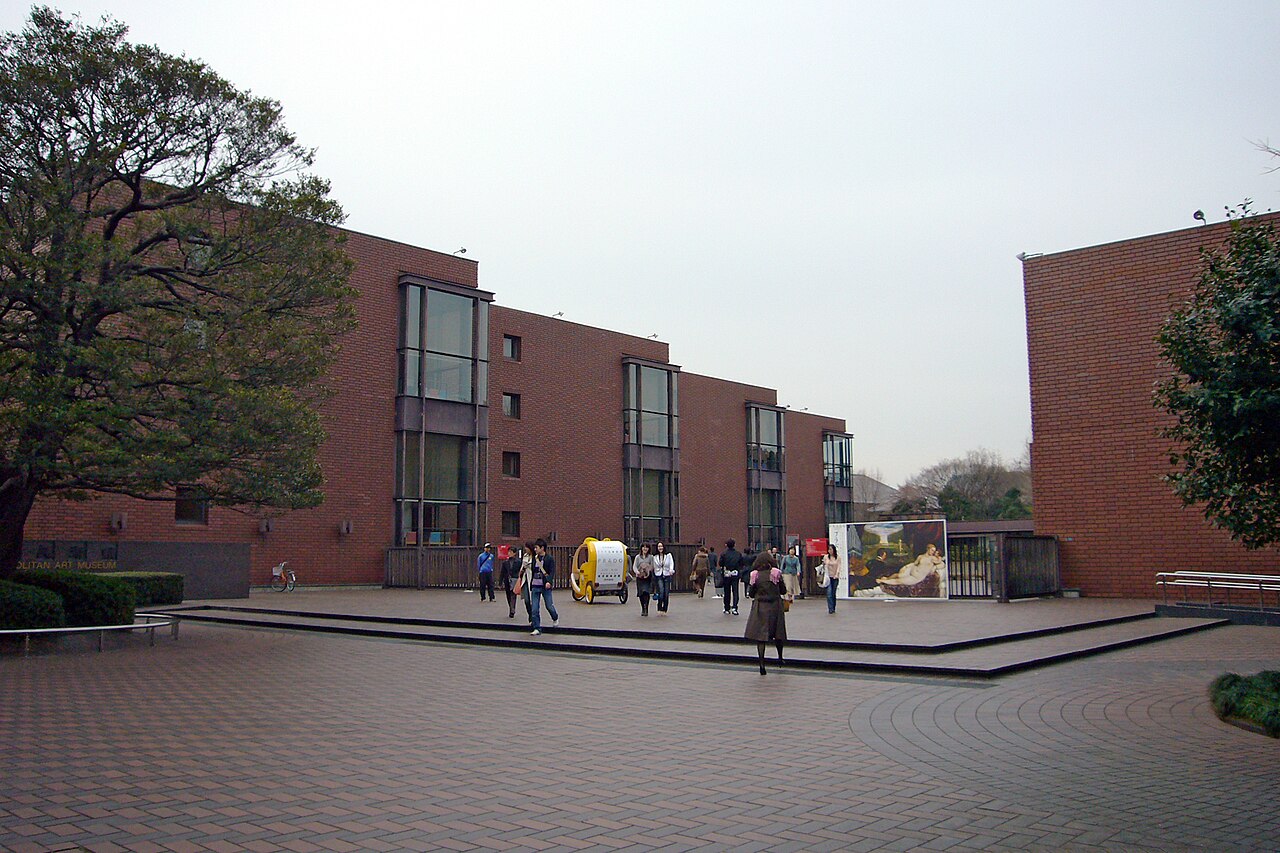
東京都美術館
| Monday | 09:30 – 17:30 |
|---|---|
| Tuesday | 09:30 – 17:30 |
| Wednesday | 09:30 – 17:30 |
| Thursday | 09:30 – 17:30 |
| Friday | 09:30 – 17:30 |
| Saturday | 09:30 – 17:30 |
| Sunday | 09:30 – 17:30 |
Parsed from OpenStreetMap opening hours on 2026-09-09.
Tokyo Metropolitan Art Museum is a public exhibition museum in Ueno Park, Tokyo’s established cultural district. Rather than presenting one fixed permanent collection, it provides gallery space for travelling exhibitions, special shows, and related events. Its multiple halls allow different presentations to operate within the same building. Visit when you want to focus on a particular exhibition and then continue through Ueno Park, where several other cultural institutions and outdoor sights are close together. The Tokyo Metropolitan Art Museum is a public art museum operated by the Tokyo Metropolitan Government. Located in Ueno Park, it serves as a venue for diverse art exhibitions rather than maintaining a permanent collection. The museum hosts travelling exhibitions, special shows, and events covering various periods and styles. Its position within Ueno Park places it among several cultural institutions in one of Tokyo's most established museum districts. The building provides multiple gallery spaces for concurrent presentations. No. The Tokyo Metropolitan Art Museum primarily functions as a venue for temporary exhibitions rather than maintaining a permanent collection.
Checked 2026-08-26 · Source
Inside, several exhibition halls of different sizes accommodate Japanese and international art across varied periods and styles. The experience depends on the shows running during your visit: a large temporary exhibition may occupy much of the building, while smaller presentations create a more varied route. Gallery spaces may be accompanied by educational programming or museum-shop areas. Plan around the exhibition that interests you most, then use the remaining time for another Ueno Park attraction or a walk outdoors. The museum contains several exhibition halls of varying sizes that accommodate different types of shows.
Checked 2026-08-26 · Source
Allow roughly sixty to ninety minutes for one substantial exhibition, and about two to three hours when several concurrent shows deserve attention. Art specialists may spend longer with individual works, while a general visitor can choose a focused route through the most appealing galleries. Because the content changes, the museum works well for repeat visits: the building remains familiar, but the visual experience can be different each time. Leave time for Ueno Park if weather permits.
Checked 2026-08-26 · Source
The best time depends on the exhibition you want to see and the atmosphere you want around it. Spring brings heavy interest to Ueno Park during cherry-blossom season, while autumn is comfortable for combining galleries with outdoor walking. Popular exhibitions can be busier, so an earlier arrival may make the visit easier. Weather matters mainly for the approach through the park. Build the day around the exhibition schedule and keep nearby cultural stops flexible.
Checked 2026-08-26 · Source
Admission depends on the exhibition or presentation you choose. Some shows may use different prices or entry arrangements, so the cost of a museum visit is tied to the program rather than one universal collection ticket. If you are comparing several Ueno institutions, treat each exhibition as a separate planning decision. The museum is most rewarding when you select a show that matches your interests, rather than arriving with the expectation of a single permanent display.
Checked 2026-08-26 · Source
Ueno Station is the main transport hub for the museum, with JR services and access to the Tokyo Metro Ginza and Hibiya lines. After reaching Ueno, continue through Ueno Park and follow signs for the specific museum building. The park contains several cultural venues, so allow time for the final walk and read directional signs carefully. A museum visit combines naturally with other Ueno attractions, but the park’s size makes a little route planning worthwhile.
Checked 2026-08-26 · Source
Exhibition popularity can change the amount of time spent in queues and crowded galleries. Read the photography rules at each exhibition because permissions can differ from one show to another. Food and drinks belong outside gallery spaces, and large bags may need to be handled according to museum procedures. The building contains several halls and levels, so include navigation time when moving between shows. Nearby Ueno Park can easily expand the day beyond your original museum plan.
Checked 2026-08-26 · Source
Photography rules belong to each exhibition rather than to one simple museum-wide expectation. Some shows permit personal, non-flash images of selected works, while others restrict photography entirely. Follow gallery signs and staff directions, and keep phones or cameras unobtrusive in busy rooms. Flash, tripods, and selfie sticks can interfere with other visitors and artworks. If photography is important to your visit, treat the exhibition’s posted rules as part of the experience and concentrate on works that permit images.
Checked 2026-08-26 · Source
The museum primarily presents temporary and travelling exhibitions rather than operating as a permanent-collection museum.
It is located inside Ueno Park in Tokyo’s Taito ward, close to several other cultural institutions.
One major exhibition may take sixty to ninety minutes, while several concurrent exhibitions can fill two to three hours.
Travel to Ueno Station using JR services or the Tokyo Metro Ginza or Hibiya lines, then walk through Ueno Park to the museum.
Photography depends on the exhibition. Follow the signs and staff instructions; permitted images are generally limited to designated works and non-flash use.
The museum’s location in Ueno Park makes it easy to combine with other cultural institutions and an outdoor walk through the park.
Loading the interactive map…
The interactive map could not be loaded.

Last updated:
Source: OpenStreetMap contributors, Wikidata ·