
4 min walk
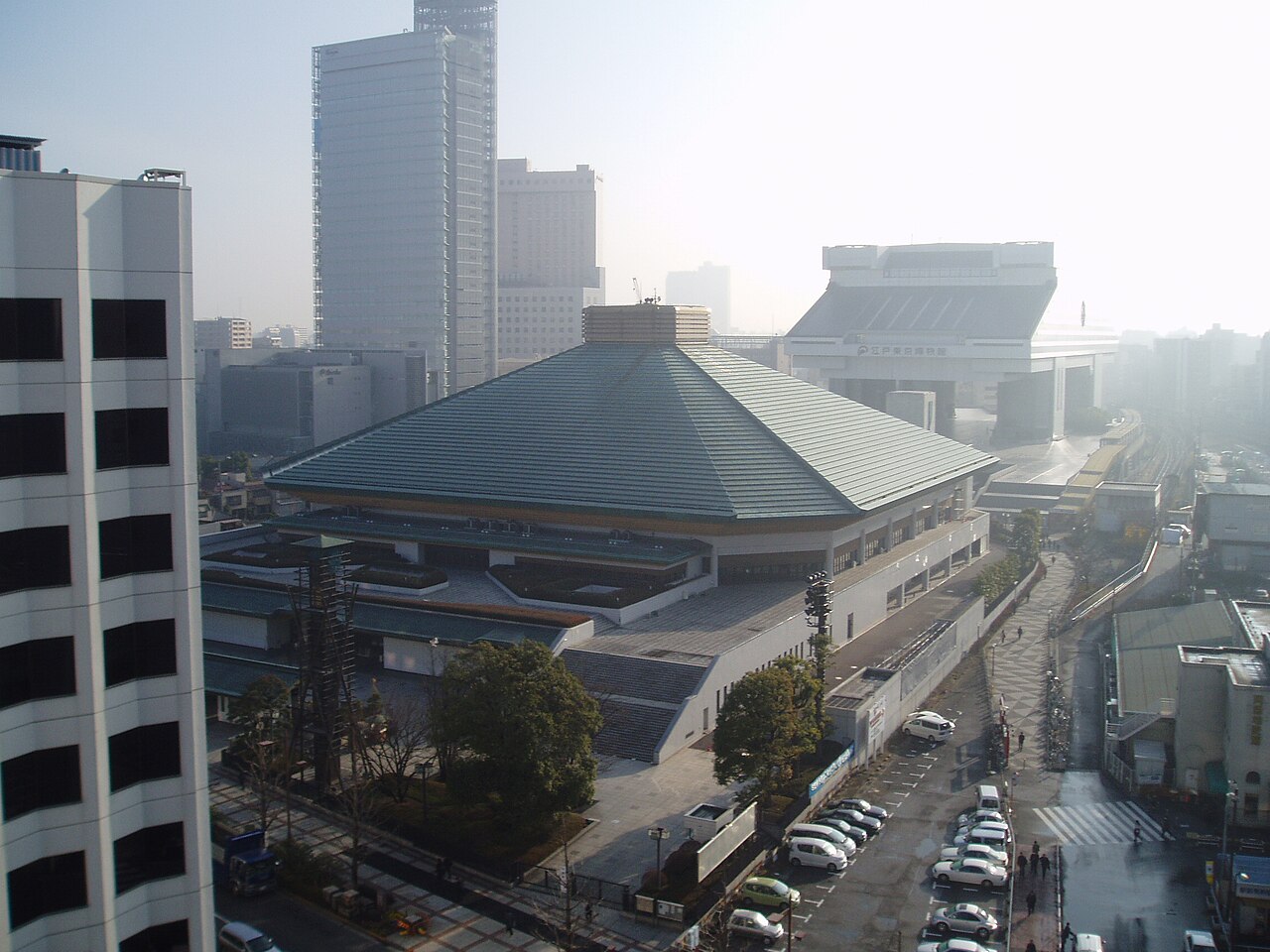
Ryōgoku Kokugikan
- Must see
- Activity
Language · 11 published
Museum · Tokyo
江戸東京博物館
Reviewed by Elena Voss · Roavina Travel Editor
| Monday | Closed |
|---|---|
| Tuesday | 09:30 – 17:30 |
| Wednesday | 09:30 – 17:30 |
| Thursday | 09:30 – 17:30 |
| Friday | 09:30 – 17:30 |
| Saturday | 09:30 – 19:30 |
| Sunday | 09:30 – 17:30 |
Checked 2026-08-31 · Source
Read from the OpenStreetMap access tags; anything not listed has no tag recorded.
Set the group type to family in the planner and the day window contracts to about three quarters of a solo day.
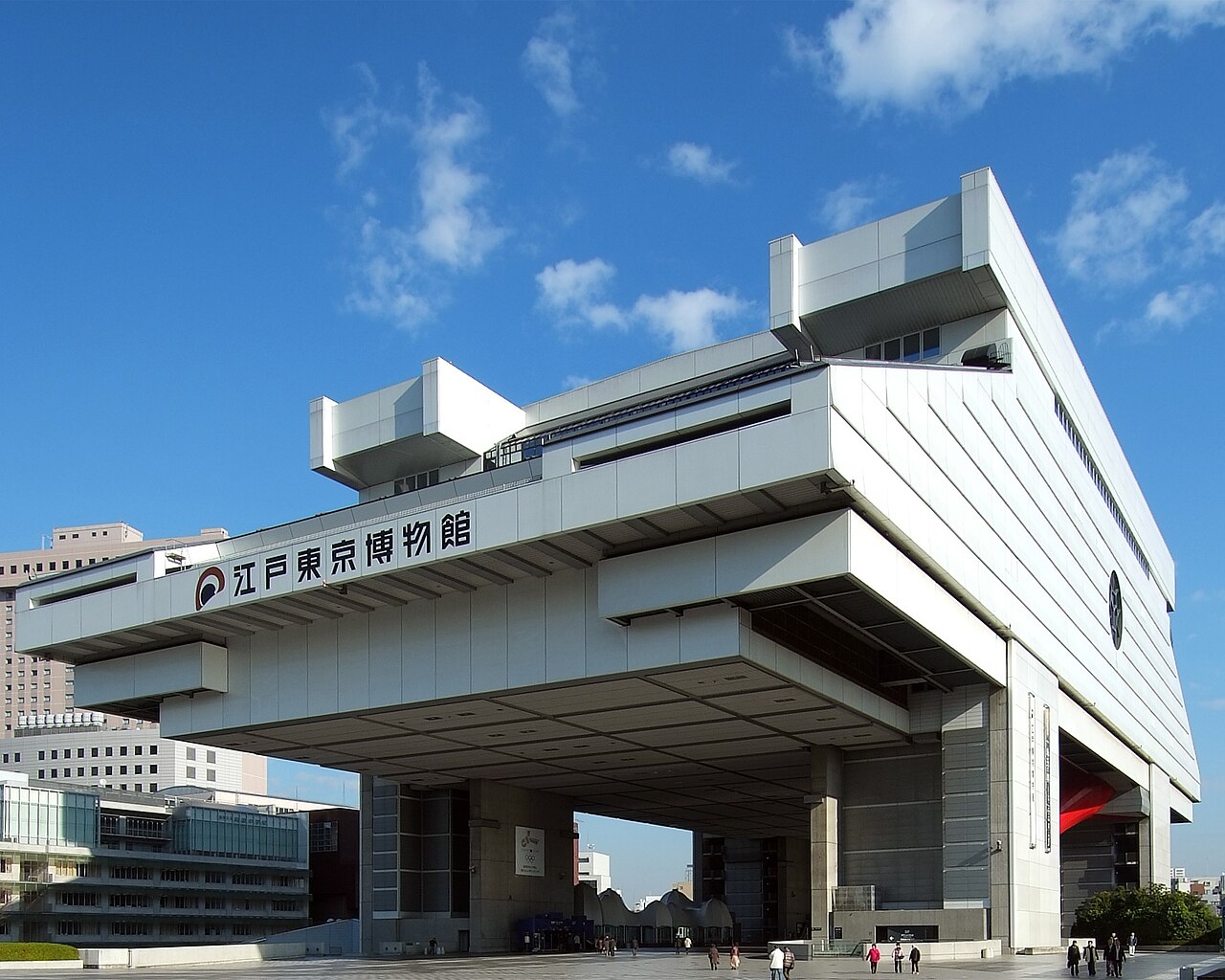
This place is a Museum. It opened in 1993. It was designed by Kiyonori Kikutake. It is run by Tokyo Metropolitan Foundation for History and Culture.
The Edo-Tokyo Museum is a history museum in Tokyo dedicated to the history and culture of the city from the Edo period through to modern times. Its Japanese name is 江戸東京博物館. The museum occupies a distinctive building designed to evoke elevated traditional storehouse architecture. It serves as a major cultural institution preserving and presenting Tokyo's urban transformation across centuries. The museum is referenced by the official Tokyo tourism portal as a notable attraction for visitors seeking historical understanding of the metropolis.
Checked 2026-08-31 · Source
The museum contains permanent exhibitions chronicling Tokyo's development from Edo-period fishing village to contemporary global capital. Displays incorporate historical artifacts, architectural models, and life-sized reconstructions of streets and buildings from past eras. Thematic sections address governance, commerce, daily life, and disaster events including the 1923 Great Kanto Earthquake and wartime destruction. Interactive elements and documentary materials supplement physical exhibits. Rotating special exhibitions occupy dedicated gallery spaces. The collection emphasizes material culture and social history rather than fine art.
Checked 2026-08-31 · Source
Visitor duration depends on individual engagement with the substantial permanent collection. Casual observers typically require two to three hours for a survey of main galleries. Comprehensive examination of all display cases, reading extended captions, and viewing documentary materials extends visits significantly. Special exhibitions demand additional time. The museum's scale warrants half-day allocation for thorough exploration. Visitors with limited time should prioritize the Edo-period street reconstructions and the chronological overview sections. Audio guide usage increases duration proportionally.
Checked 2026-08-31 · Source
Tuesday–Friday and Sunday 09:30–17:30; Saturday 09:30–19:30; closed Monday. When Monday is a national holiday, the museum closes on the following weekday. It also closes during the year-end and New Year holidays. Last admission is 30 minutes before closing. The museum reopened on 2026-03-31 after its long-term renovation closure. Visitors should consult the museum's official website or contact the institution directly before planning attendance. Seasonal considerations for Tokyo generally apply: spring and autumn offer comfortable temperatures for transit to the museum. Summer brings heat and humidity that may affect comfort in queue situations. Winter visits avoid crowds but coincide with holiday closures common to Japanese institutions. Weekday mornings typically experience lower visitor density than weekends and school holiday periods.
Checked 2026-08-31 · Source
Permanent exhibition admission is JPY 800 for an individual adult or JPY 640 per person in a group of 20 or more. Special exhibitions have separate admission charges. Admission structures for Japanese museums commonly distinguish adults, students, and seniors, with potential group discounts. Special exhibitions frequently require separate ticketing beyond permanent collection entry. Combination tickets with affiliated institutions may exist. International visitors should confirm whether foreign tourist passes or city tourism cards provide admission benefits. Cashless payment acceptance varies by institution and should be confirmed in advance. A flexible visit lets travellers connect Edo-Tokyo Museum with the rest of the day without treating one room, viewpoint or photograph as the whole experience. The useful pace depends on personal interest and conditions on arrival.
Checked 2026-08-31 · Source
From JR Ryogoku Station on the Sobu Line, walk 3 minutes from the West Exit or 7 minutes from the East Exit. From Ryogoku Station on the Toei Oedo Line, walk 1 minute from Exit A3 or A4. Toei bus routes Kin 27, Ryo 28 and Mon 33, plus the Sumida City Southern Route circulation bus, stop at Toei Ryogoku Eki-mae (Edo-Tokyo Hakubutsukan-mae), a 3-minute walk away; this is a different stop from Ryogoku Eki. This is the named approach for an independent visit. The museum is located in the Ryogoku district, accessible via JR Sobu Line to Ryogoku Station with subsequent walking required. Alternative rail connections serve nearby stations. The Tokyo tourism portal lists the museum among attractions, implying established visitor access. The district also contains the Kokugikan sumo stadium, permitting combined itinerary planning. Signage in Japanese and English typically directs visitors from transit points. Taxi and rideshare services serve the area. Pedestrian routes from station exits require attention to directional markers.
Checked 2026-08-31 · Source
Wheelchair users can enter and view the museum. Wheelchairs and strollers are available to borrow on the 1st, 5th and 6th floors. Accessible toilets are provided on the 1st, 3rd, 5th, 6th and 7th floors. Guide dogs, service dogs and hearing dogs are permitted. Wheelchair-accessible drinking-water stations are available on the 1st, 3rd, 5th and 7th floors. The access description applies to the documented visitor route. The museum building features prominent elevated architecture with access via escalator or stairway, potentially challenging for mobility-impaired visitors. Crowding concentrates around popular reconstructed street scenes and interactive displays. Photography restrictions apply to specific exhibits and should be observed. The chronological narrative requires sustained attention for coherent understanding. Some historical content addresses warfare destruction and natural disasters with graphic documentation. Climate control varies between exhibition zones. Locker availability for baggage should be confirmed.
Checked 2026-08-31 · Source
Japanese museums typically prohibit flash photography and tripod usage universally, with additional restrictions on specific artifacts or loaned exhibitions. Visitors should observe posted signage and staff instructions regarding camera use. The distinctive exterior architecture and surrounding plaza permit unrestricted photography. Reconstructed street scenes, if photography is permitted, offer immersive visual documentation opportunities. Commercial or publication use requires separate authorization. Drone operation is prohibited in urban Tokyo without permits.
Checked 2026-08-31 · Source
Yes. It reopened on 2026-03-31 after closing for major renovation from 2022-04-01.
Last admission is 30 minutes before the museum closes.
It spans the 5th and 6th floors and covers approximately 9,000 square metres.
The Edo Zone, Tokyo Zone and Feature Exhibition Gallery.
Yes. Feature exhibitions within the permanent exhibition area are included in general admission.
Yes. Wheelchairs are available on the 1st, 5th and 6th floors.
Loading the interactive map…
The interactive map could not be loaded.
Last updated:
Source: OpenStreetMap contributors, Wikidata ·