
5 min walk
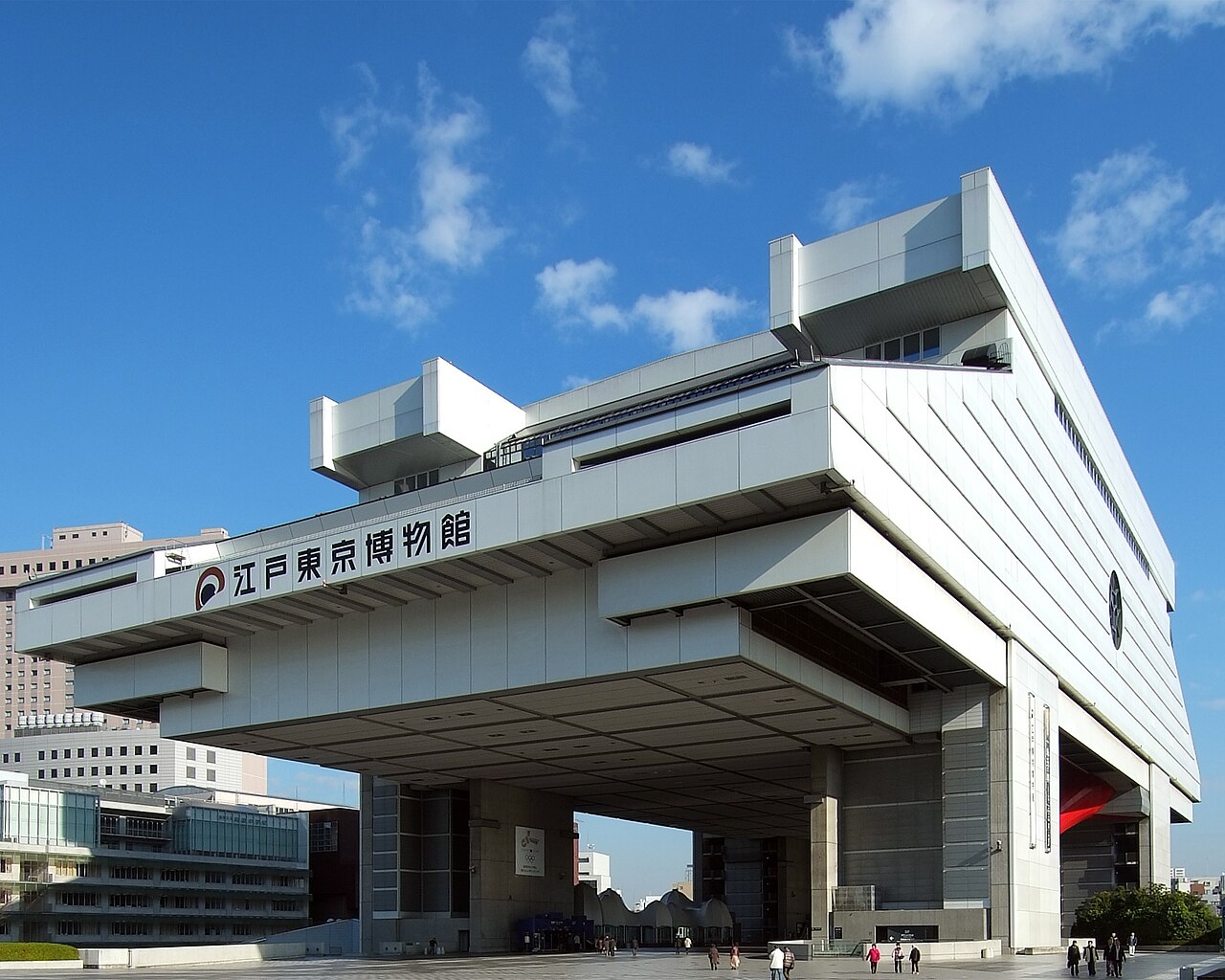
Edo-Tokyo Museum
- Must see
- Museum
Language · 11 published
Museum · Tokyo
すみだ北斎美術館
Reviewed by Elena Voss · Roavina Travel Editor
| Monday | 09:30 – 17:30 |
|---|---|
| Tuesday | 09:30 – 17:30 |
| Wednesday | 09:30 – 17:30 |
| Thursday | 09:30 – 17:30 |
| Friday | 09:30 – 17:30 |
| Saturday | 09:30 – 17:30 |
| Sunday | 09:30 – 17:30 |
Parsed from OpenStreetMap opening hours on 2026-09-09.
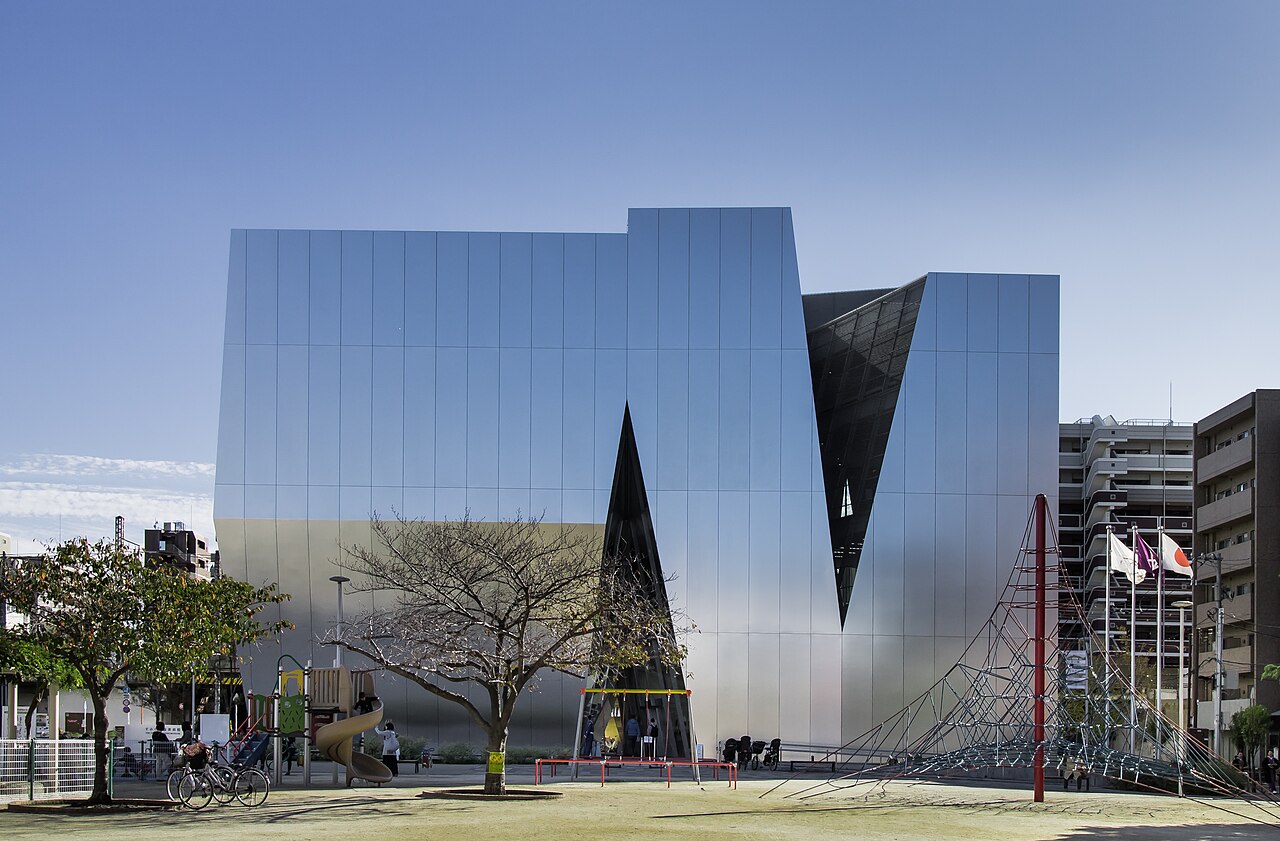
This place is a Museum. It opened in 2016. It was designed by Kazuyo Sejima. It is run by Sumida.
Sumida Hokusai Museum is a municipal art museum in Tokyo’s Sumida ward, devoted to Katsushika Hokusai and his connection with the district. Hokusai lived in this part of Edo during his later years, giving the museum a strong local focus as well as an international artistic subject. The museum introduces the painter, printmaker and draughtsman behind works such as The Great Wave. Kazuyo Sejima designed the modern building, whose reflective geometric exterior creates a sharp contrast with the historic character of eastern Tokyo. The museum suits travelers who want a focused introduction to Hokusai, ukiyo-e and the visual culture of the Edo period.
Checked 2026-08-26 · Source
The galleries bring together Hokusai’s paintings, woodblock prints, sketches and related material. Exhibitions rotate, so the exact works encountered depend on the program during your visit. Displays trace Hokusai’s changing techniques and subjects, from detailed drawings to bold compositions designed for print production. Interpretive material places the works within ukiyo-e practice and explains how images were developed, copied and circulated in Edo-period Japan. The museum also contains a shop and spaces used for learning programs. The collection’s local emphasis connects the displayed art with Hokusai’s years in Sumida, making the visit more personal than a general survey of Japanese art.
Checked 2026-08-26 · Source
Allow about one to two hours for the museum itself. The compact building makes it possible to follow the exhibition without committing a full day, while close examination of line work, color and printing detail can extend the visit. Travelers already familiar with Hokusai may spend longer comparing periods and techniques; newcomers can move more quickly after gaining the basic context. The museum works well as the cultural centerpiece of a half-day in Sumida. Leave additional time for the surrounding neighborhood, where Hokusai’s local association gives the museum visit a wider sense of place.
Checked 2026-08-26 · Source
Weekday mornings generally provide a calmer setting for reading labels and studying small works, while weekends and public holidays can bring more visitors. The indoor galleries make Hokusai Museum a useful stop in any season, including Tokyo’s humid summer and colder winter days. Spring and autumn are especially comfortable for extending the outing into Sumida after the museum. The exterior rewards a brief look in changing daylight because Kazuyo Sejima’s design reflects its surroundings. Plan the museum around the exhibition you want to see, then use the remaining time for nearby cultural stops.
Checked 2026-08-26 · Source
Entry arrangements depend on the exhibition program, with the museum’s permanent focus and special displays shaping what visitors encounter. Travelers should treat the current exhibition as the key ticketing detail because displays rotate and pricing can differ between programs. The museum is a public cultural institution rather than an open street attraction, so plan admission before setting a strict budget for the day. A museum shop adds a possible purchase after the galleries, but it is separate from the viewing experience. Keep the visit flexible enough to accommodate the exhibition currently installed.
Checked 2026-08-26 · Source
Sumida Hokusai Museum is in the Kamezawa area of Sumida ward, the neighborhood associated with Hokusai’s later life. Ryogoku is the principal station reference, served by the JR Sobu Line and the Toei Oedo Line. Kinshicho also provides connections through several railway and subway services. From either station, use the museum’s Kamezawa address in a navigation app and continue on foot through the local streets. The district feels less like central Tokyo’s commercial core, so the walk forms part of the experience. Combine the museum with other Ryogoku or Sumida sights when planning the route.
Checked 2026-08-26 · Source
Treat the galleries as quiet viewing spaces and follow the rules displayed beside each exhibition. Light-sensitive works may have stricter camera rules, and some displays may require visitors to leave bags in designated storage. The museum’s modern surfaces can reflect light, while small prints and drawings reward patient viewing rather than hurried photographs. Families should keep children close to cases. Travelers who need specific access arrangements should plan around the building’s visitor guidance. Because the surrounding area has a more local character than major central districts, arrange meals and other essentials as part of the wider Sumida route.
Checked 2026-08-26 · Source
The building’s exterior is a strong subject for architectural photographs, especially when its pale surfaces catch the changing light of Sumida. Inside, camera use follows the rules for the exhibition on display, and flash should never be used around artworks. Some rooms or individual works may prohibit photography altogether. Read the gallery signs before raising a camera and keep equipment from blocking narrow viewing areas. For photographs intended for publication, use images supplied through the museum or request the required permission. A street-level view of the façade can complement the artwork without interfering with gallery etiquette.
Checked 2026-08-26 · Source
Yes. The museum places Hokusai’s paintings, prints and sketches within the story of ukiyo-e and his life in Sumida, giving first-time visitors a clear starting point.
The collection includes paintings, woodblock prints, sketches and related material. The exhibition program rotates, so the specific works change over time.
Plan about one to two hours for the galleries, with extra time if you want to study printmaking techniques or explore the surrounding Sumida neighborhood.
Yes. The museum fits naturally into a Sumida or Ryogoku outing, where the museum visit can be combined with nearby cultural attractions and neighborhood walking.
It is in the Kamezawa area of Sumida ward. Ryogoku and Kinshicho are the main station references for reaching the museum by Tokyo public transport.
Yes. A museum shop is part of the facility, giving visitors a place to browse Hokusai-related merchandise after viewing the exhibitions.
Loading the interactive map…
The interactive map could not be loaded.

Last updated:
Source: OpenStreetMap contributors, Wikidata ·