
4 min walk
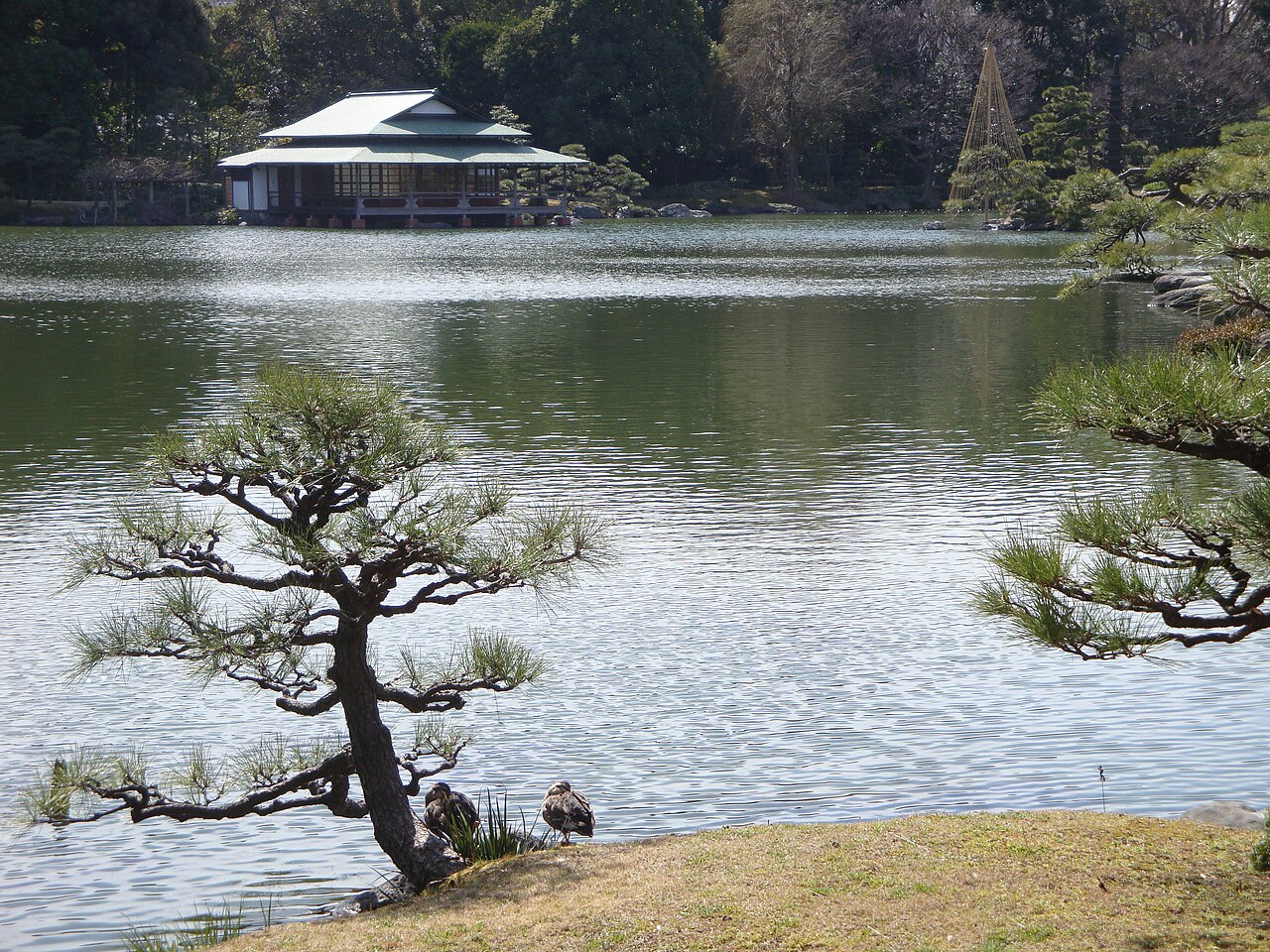
Kiyosumi Garden
- Must see · Heritage site
- Nature site
Language · 11 published
Museum · Tokyo
江東区深川江戸資料館
Reviewed by Elena Voss · Roavina Travel Editor

| Monday | 09:30 – 16:30 |
|---|---|
| Tuesday | 09:30 – 16:30 |
| Wednesday | 09:30 – 16:30 |
| Thursday | 09:30 – 16:30 |
| Friday | 09:30 – 16:30 |
| Saturday | 09:30 – 16:30 |
| Sunday | 09:30 – 16:30 |
Parsed from OpenStreetMap opening hours on 2026-09-09.
This place is a Museum. It opened in 1986.
Fukagawa Edo Museum is a focused history museum in Koto Ward that recreates everyday life in the Fukagawa district during the late Edo period. Its subject is the world of townspeople: homes, shops, work, festivals and neighborhood routines rather than the court or the battlefield. The museum’s main attraction is a full-scale streetscape that visitors enter on foot. Buildings and interiors turn social history into a physical experience, making the museum especially useful for travelers who want to understand how ordinary residents lived in historic Tokyo. The result is intimate, specific and different from a broad metropolitan history museum.
Checked 2026-08-26 · Source
The central reconstruction includes period-style homes, shops and a fire watchtower arranged as a Fukagawa street. Visitors can step into several structures and inspect domestic objects, working spaces and architectural details at close range. Displays explain commerce, household routines, festivals and the livelihoods of local townspeople. Additional rooms hold Edo-period material such as woodblock prints, household items and documents. Sound and lighting help the streetscape feel inhabited, while the objects supply historical context. The museum is most rewarding when travelers move slowly enough to notice thresholds, storage areas, shopfronts and the differences between public workspaces and private homes.
Checked 2026-08-26 · Source
Allow roughly one to two hours. The museum is compact, but the reconstructed street rewards an unhurried walk through its buildings and displays. A quick visitor can understand the central idea within an hour; travelers interested in material culture, architecture or household history may need longer to examine the interiors. The walk-through format also works well for families because the experience changes as visitors move from one structure to another. Add time for the surrounding Koto neighborhood if you want the museum to anchor a broader eastern Tokyo itinerary.
Checked 2026-08-26 · Source
Weekday mornings are a good choice for travelers who want to examine the reconstructed street without heavy crowding. The indoor museum remains useful in summer heat, winter cold and rainy weather, while the surrounding residential-commercial district offers a quieter setting than central Tokyo’s largest attractions. Visit during daylight if you want to pair the museum with neighborhood walking. The strongest schedule gives the museum a dedicated block rather than treating it as a quick photograph: the low doorways, domestic rooms and shop interiors reveal more when viewed at walking pace.
Checked 2026-08-26 · Source
Fukagawa Edo Museum is a ticketed indoor attraction, and the admission arrangement belongs in the day’s planning before you arrive. The museum’s specialized scale makes it a straightforward cultural stop rather than a full-day institution, so travelers can combine its entry cost with nearby meals and sights. The reconstruction is the core experience; additional displays support it rather than creating a separate large complex. Allow enough time to make the ticket worthwhile by entering the period buildings and reading the contextual material instead of viewing the streetscape only from its entrance.
Checked 2026-08-26 · Source
The museum is in Koto Ward, east of Tokyo’s central districts. Monzen-Nakacho is the principal station reference, served by the Tokyo Metro Tozai Line and the Toei Oedo Line; Kiba on the Tozai Line is another useful reference. From the station area, continue on foot through streets where Japanese signage dominates. Put the museum’s address into a navigation app before leaving the station because the building is part of a local neighborhood rather than a large landmark complex. The route works well with a day exploring eastern Tokyo.
Checked 2026-08-26 · Source
The reconstructed street contains thresholds, uneven surfaces and low doorways that require attention while walking. Some interiors may involve removing shoes, so visitors should follow the instructions for each building. Atmospheric lighting can make details harder to see, particularly in darker domestic spaces. The museum is a focused reconstruction, not a comprehensive survey of all Edo-period Japan, so its strength lies in Fukagawa’s commoner life. Keep children close to displays and move carefully through narrow rooms. Travelers with mobility concerns should plan their visit around the traditional building forms and changing floor levels.
Checked 2026-08-26 · Source
The reconstructed streetscape is visually distinctive, but camera use belongs to the museum’s visitor rules and may differ between spaces. Read the signs at entry and beside individual displays before photographing. Flash can damage or distract around historic material, so keep it off. Tripods and large equipment are poorly suited to the narrow walkways and can obstruct other visitors. Photograph architectural details without touching reconstructed objects, and give other people space in domestic interiors. The strongest images usually come from low doorways, shopfronts, the fire watchtower and the contrast between the staged street and the museum’s modern surroundings.
Checked 2026-08-26 · Source
The main attraction is a full-scale reconstruction of a late-Edo Fukagawa street, including homes, shops and a fire watchtower that visitors explore on foot.
Yes. The walk-through streetscape includes period-style homes and shops that visitors can enter and inspect, with building-specific visitor instructions applying inside.
The walk-through format gives children a tangible way to encounter history. Adults should supervise children around low doorways, uneven surfaces, displays and quiet domestic interiors.
Fukagawa Edo Museum concentrates on commoner life in one neighborhood through an immersive reconstruction, while Edo-Tokyo Museum presents a broader history of metropolitan Tokyo.
Most travelers should allow about one to two hours, with extra time for careful examination of the reconstructed homes, shops, household objects and documents.
The museum is in Koto Ward. Monzen-Nakacho, served by the Tozai and Oedo lines, and Kiba on the Tozai Line are the main station references.
Loading the interactive map…
The interactive map could not be loaded.
Last updated:
Source: OpenStreetMap contributors, Wikidata ·