


1 min walk
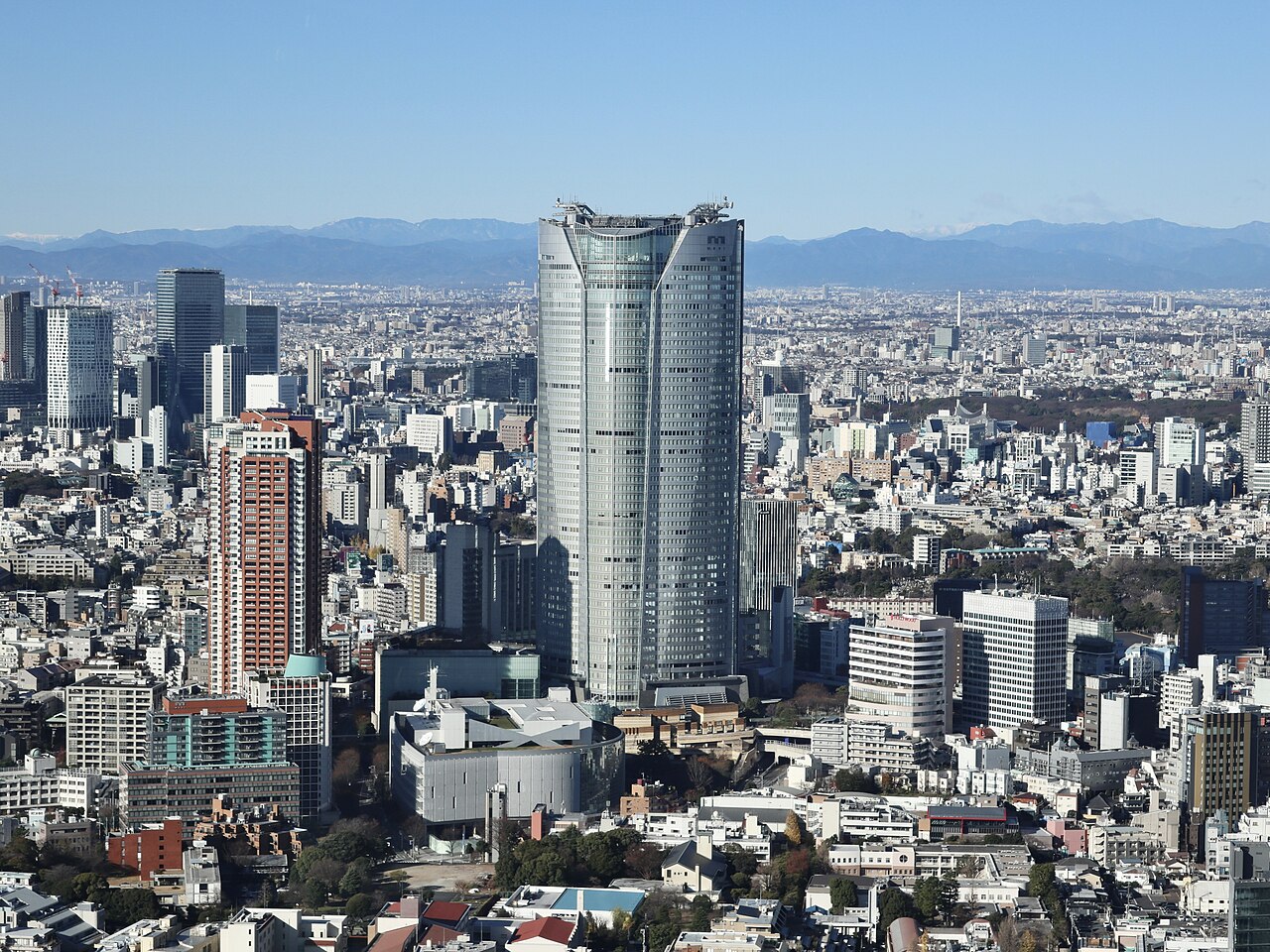
Roppongi Hills
- High
- Historic site
Museum · Tokyo
森美術館
| Monday | 10:00 – 22:00 |
|---|---|
| Tuesday | 10:00 – 17:00 |
| Wednesday | 10:00 – 22:00 |
| Thursday | 10:00 – 22:00 |
| Friday | 10:00 – 22:00 |
| Saturday | 09:00 – 22:00 |
| Sunday | 09:00 – 22:00 |
Checked 2026-08-31 · Source
| Per person | From ¥2,800 Standard admission Adult From 2026-10-31 through 2027-03-28 |
|---|---|
| Per person | From ¥2,400 Standard admission Ages 65 and up From 2026-10-31 through 2027-03-28 |
| Per person | Free entry Standard admission Ages up to 15 From 2026-10-31 through 2027-03-28 |
Checked 2026-11-04 · Source
Source · Checked 2026-08-31
The Mori Art Museum is a contemporary art museum located in Tokyo, Japan. Its local name is 森美術館. The museum is situated within the Roppongi Hills complex, a major urban development in the Minato ward. It focuses on modern and contemporary art from around the world, with particular attention to Asian artists. The institution was established to promote cultural exchange and artistic dialogue. Its elevated position within the Mori Tower offers visitors views alongside their art experience. The museum has developed a reputation for ambitious, internationally oriented exhibitions since its founding.
Checked 2026-08-31 · Source

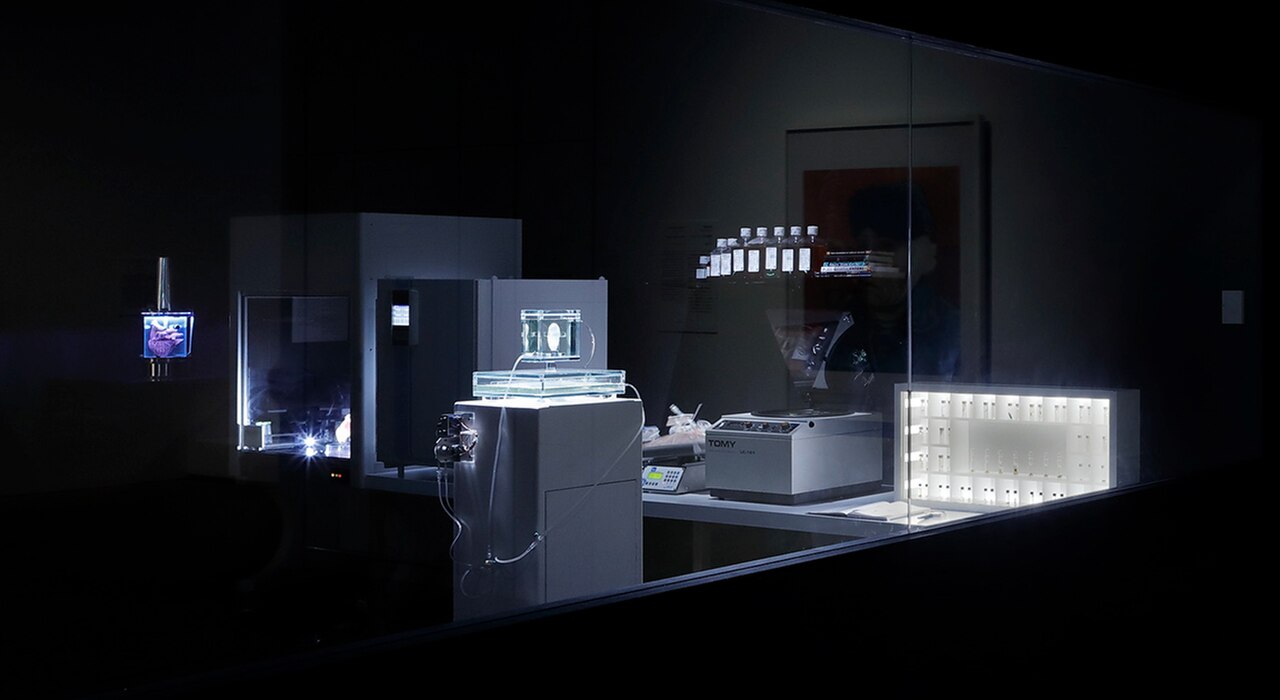
The museum presents rotating exhibitions of contemporary art across various media including painting, sculpture, installation, photography, and video. Its programming emphasizes cross-cultural perspectives and thematic shows rather than permanent collections. The museum space includes multiple galleries for temporary exhibitions. Educational programs and artist talks accompany major shows. A museum shop offers art-related publications and merchandise. The museum also maintains a restaurant and cafe area. The Roppongi Hills complex surrounding the museum contains additional commercial and cultural facilities that visitors may explore before or after their museum visit.
Checked 2026-08-31 · Source
Visitors typically spend between one and a half to three hours at the Mori Art Museum depending on exhibition scale and personal interest. Major temporary exhibitions with extensive catalogues may require longer viewing periods. The museum's layout involves moving through sequential gallery spaces, with natural pacing determined by crowd flow and individual engagement. Those combining their visit with the Tokyo City View observation deck, located in the same building, should allocate additional time. Weekday mornings generally offer more leisurely progression through exhibitions compared to peak weekend periods when visitor density increases substantially.
Checked 2026-08-31 · Source
29 April–23 September 2026: Monday and Wednesday–Friday 10:00–22:00; Tuesday 10:00–17:00; weekends and public holidays from June through September 09:00–22:00. Last admission is 30 minutes before closing. Open 10:00–22:00 on 31 August 2026. There is no weekly closure during the current exhibition. The museum closes between exhibitions; the next changeover closure runs from 24 September through 30 October 2026. Visitors should consult the museum's official website or contact the institution directly before planning their visit. Exhibition schedules change periodically, with each show running for a defined duration typically spanning several months. Holiday periods in Japan, including Golden Week in early May and the New Year period, may affect operating schedules.
Checked 2026-08-31 · Source
For the current exhibition, Mariko Mori: All That Shines (31 October 2026 to 28 March 2027), adult admission is JPY 2,800 on weekdays and JPY 3,000 on weekends and public holidays when bought on site, or JPY 2,600 and JPY 2,800 when bought online. Seniors aged 65 and over pay JPY 2,400 on weekdays on site, and university and high school students pay JPY 1,700. Children of junior high school age and under enter free. Prices change with each exhibition.
Checked 2026-11-04 · Source
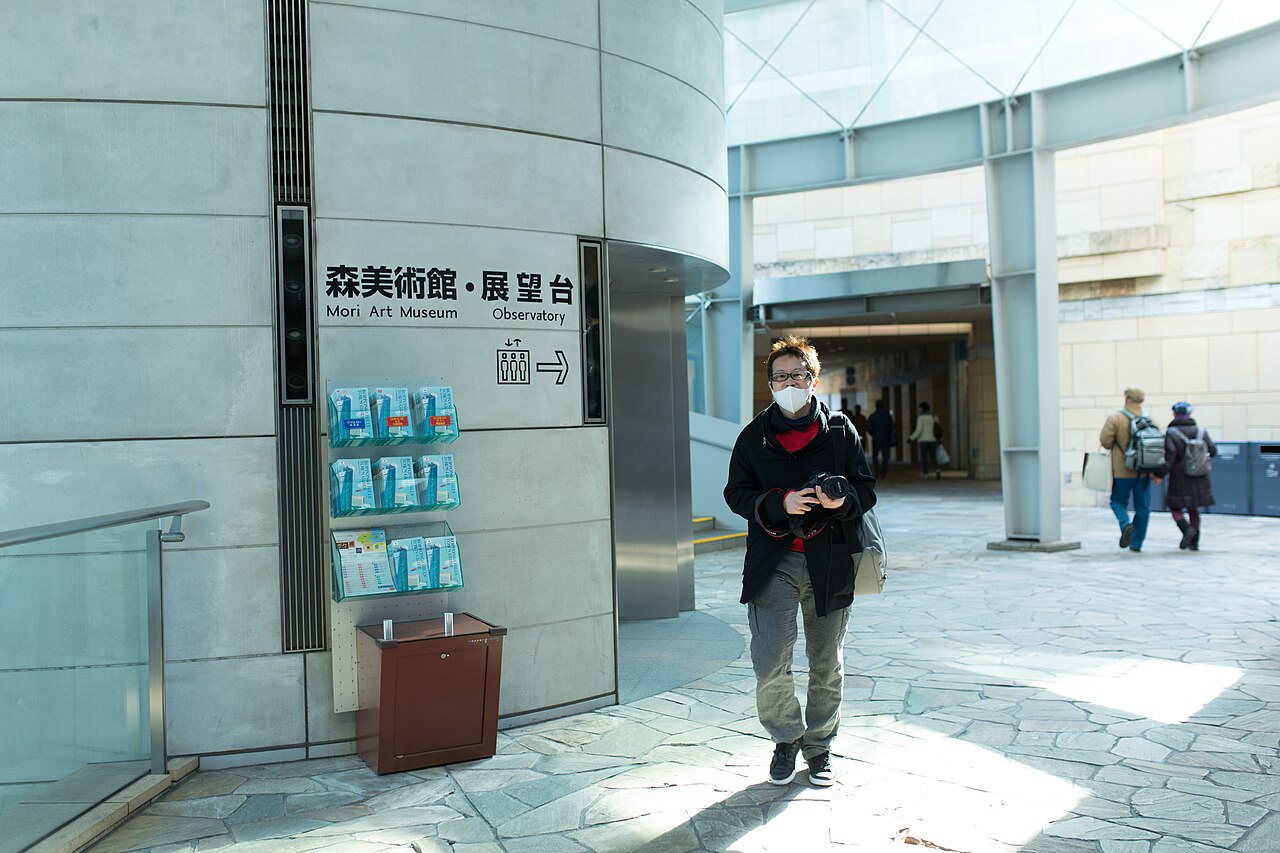
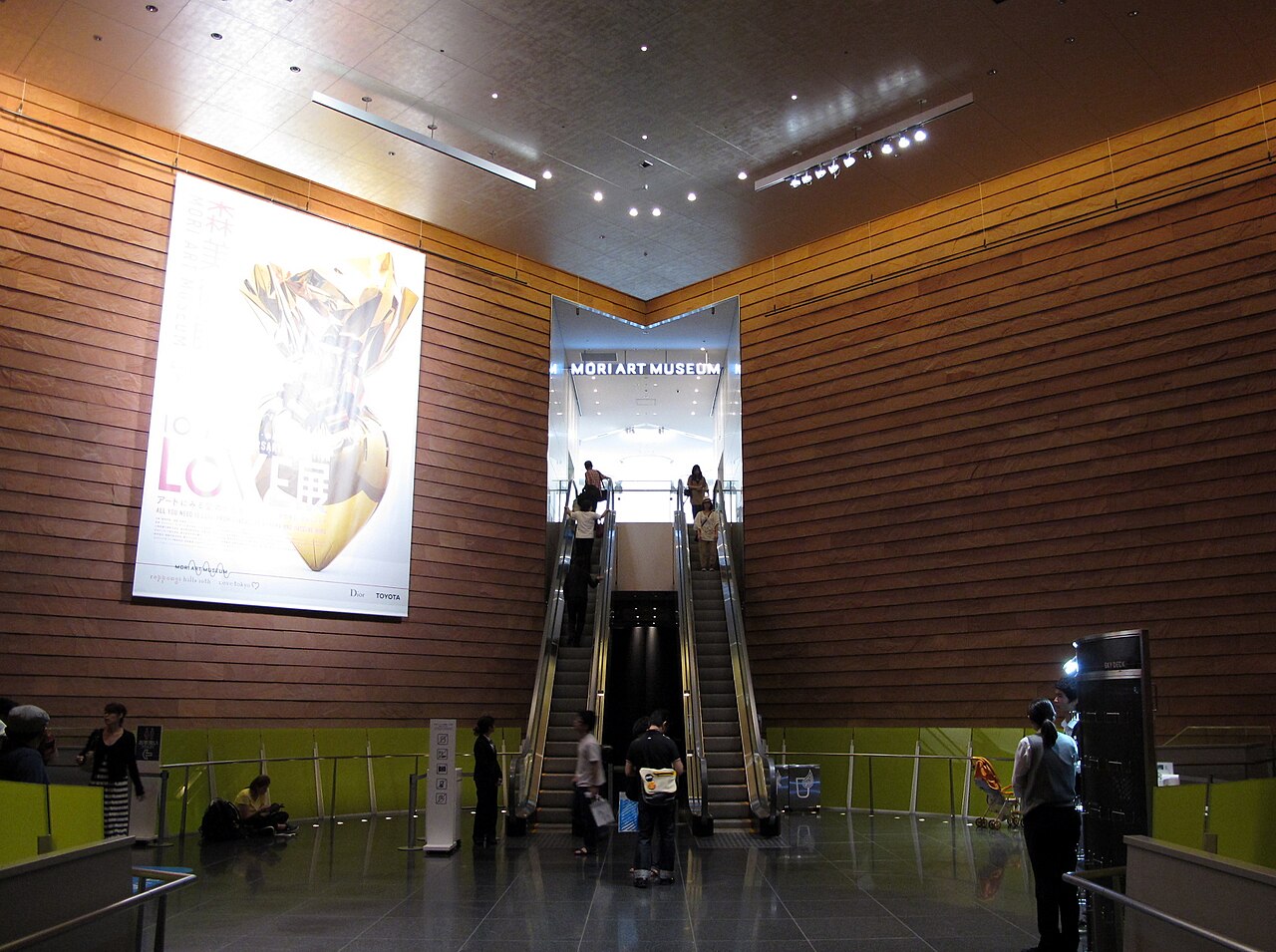
The museum is on the 53rd floor of Roppongi Hills Mori Tower, 6-10-1 Roppongi. Tokyo Metro Hibiya Line Roppongi Station Exit 1C has direct concourse access and is a three-minute walk; Toei Oedo Line Roppongi Station Exit 3 is six minutes away. Other named approaches are Oedo Line Azabu-juban Exit 7 in nine minutes, Namboku Line Azabu-juban Exit 4 in twelve minutes, and Chiyoda Line Nogizaka Exit 5 in ten minutes. Enter through the Museum Cone, go to the ticket desk on the third floor, then take the direct elevator to the 52nd floor and continue to the museum on the 53rd floor. This is the named approach for an independent visit. The Mori Art Museum occupies the Roppongi Hills Mori Tower in Tokyo's Minato ward.
Checked 2026-08-31 · Source
A wheelchair-accessible elevator provides a barrier-free route. Wheelchairs and baby strollers may be used inside the facilities. Loan wheelchairs are available in limited numbers. An ostomate-accessible multifunctional restroom with a diaper-changing table is available on the museum's 53rd floor. Joystick-operated power wheelchairs are permitted, but handlebar-style mobility scooters are not. Guide dogs, hearing-assistance dogs and other service dogs are welcome. The access description applies to the documented visitor route. The museum's location within a mixed-use tower requires navigating commercial spaces to reach the entrance, which may confuse first-time visitors. Exhibition content varies dramatically; some shows feature challenging contemporary works that may not suit all audiences. Photography policies change by exhibition and individual artwork requirements. The observation deck combination, while appealing, involves separate queueing systems.
Checked 2026-08-31 · Source
Photography policies at the Mori Art Museum are determined on a per-exhibition basis, with individual artworks often carrying specific restrictions. Visitors should observe signage adjacent to each work and comply with staff instructions. Where permitted, flash photography is typically prohibited to protect sensitive artworks. Tripods, selfie sticks, and professional equipment generally require advance authorization. Some exhibitions may prohibit all photography. When in doubt, inquiry with gallery attendants provides clarification. Respect for artist and lender stipulations maintains institutional relationships enabling future loans.
Checked 2026-08-31 · Source
Yes during the current exhibition, normally 10:00–17:00; the public holiday on 22 September 2026 has extended hours of 09:00–22:00.
Thirty minutes before closing.
No. Same-day admission is available when the time slot has not filled, while dated and timed tickets can be bought in advance.
Yes. Junior-high-school students and younger enter the current Mariko Mori: All That Shines exhibition free.
Yes. Free lockers are available on the 52nd floor and require a refundable JPY 100 coin; there is no cloakroom.
Photography is generally prohibited, although designated photo spots may be provided for particular exhibitions and identified by entrance signage.
Loading the interactive map…
The interactive map could not be loaded.
Last updated:
Source: OpenStreetMap contributors, Wikidata ·