
5 min walk
Suntory Museum of Art
- High
- Museum
Museum · Tokyo
国立新美術館
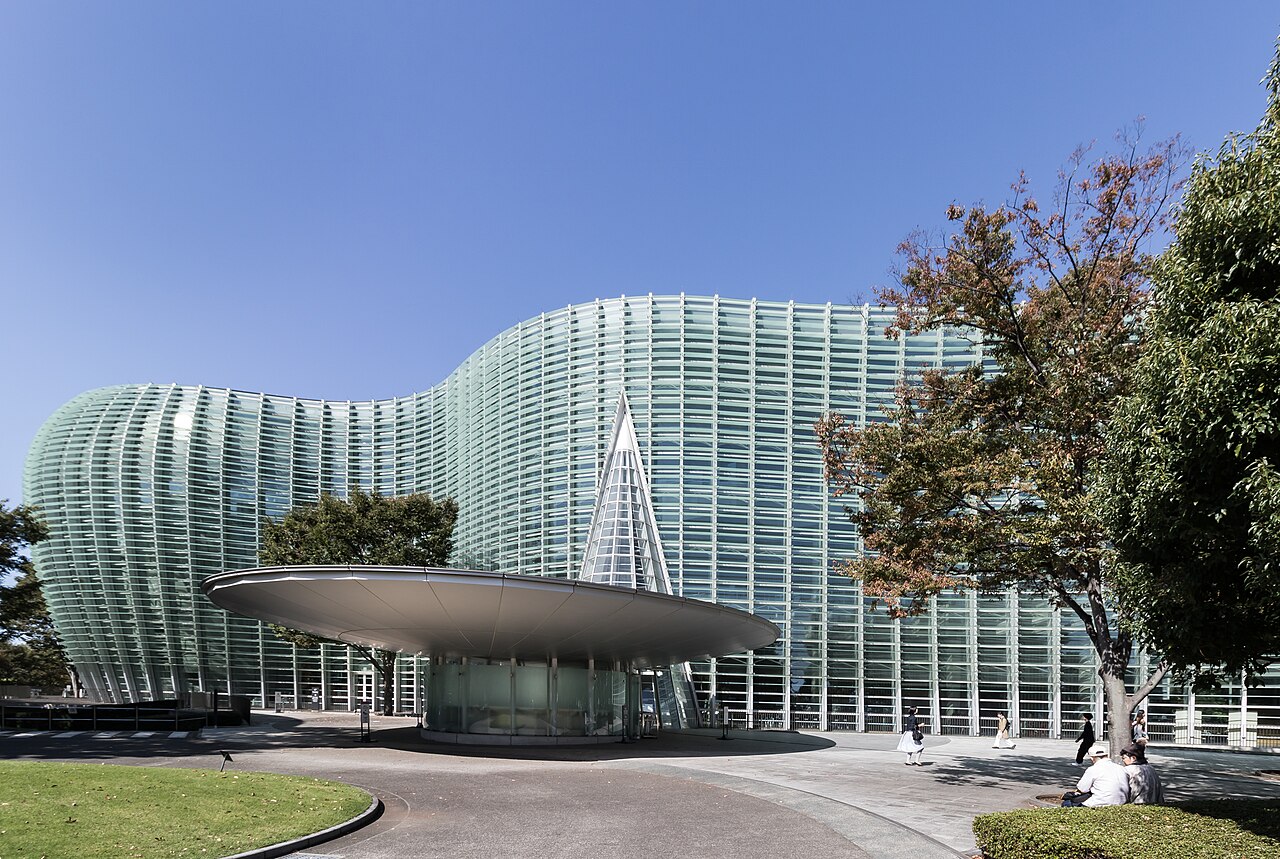
The National Art Center, Tokyo is a major museum in Roppongi, Minato ward. Its local name is 国立新美術館. The building was designed by architect Kisho Kurokawa and opened in 2007. Unlike conventional museums with permanent collections, it functions primarily as an exhibition venue hosting rotating shows from various sources. The distinctive wave-shaped glass facade makes it a recognizable landmark in Tokyo's cultural district. The facility is operated by the Independent Administrative Institution National Museum of Art. The National Art Center Tokyo also earns time in a tokyo itinerary because Tokyo production has zero POIs assigned through city_place_id, so no identifier or coordinate is inferred. Its value becomes clearer when the stop is compared with the surrounding streets and the other ranked places nearby.
Checked 2026-08-26
The center contains multiple exhibition galleries of varying sizes distributed across multiple floors. It houses the National Museum of Art's art library, which is open to the public for research purposes. The building includes museum shops, restaurants, and cafe spaces. There are also educational facilities and lecture halls supporting art-related programming. The architectural interior features dramatic curved surfaces and extensive natural lighting through the glass curtain wall. No permanent collection is displayed; all exhibitions are temporary and change throughout the year.
Checked 2026-08-26
Visitor duration depends entirely on which temporary exhibitions are attended. A single exhibition typically requires sixty to ninety minutes for thorough viewing. Visitors attending multiple concurrent shows may spend three hours or longer. The building's architecture itself invites exploration of public spaces including the atrium and exterior grounds. Those using the library or dining facilities should allocate additional time. First-time visitors often spend extra time appreciating Kurokawa's design. Plan flexibly based on current exhibition schedules and personal interest levels. A flexible visit lets travellers connect The National Art Center Tokyo with the rest of the day without treating one room, viewpoint or photograph as the whole experience. The useful pace depends on personal interest and conditions on arrival.
Checked 2026-08-26
The center opens throughout the year, though specific operating hours vary by exhibition and facility zone. Individual exhibitions maintain separate schedules and may have different opening periods. The building's public spaces including restaurants and shops may have distinct hours from gallery areas. Visitors should verify current exhibition dates and times before planning. Peak visitation typically occurs during popular exhibition openings and weekends. Weekday mornings generally offer less crowded conditions for viewing art. Check the operator's own site for the travel date before relying on a schedule or fare.
Checked 2026-08-26
Admission policies vary significantly since each exhibition sets independent pricing. Some exhibitions charge admission while others may be free. Special rates for students, seniors, or groups may apply to specific shows. Combination tickets are occasionally offered when multiple exhibitions run concurrently. The building's public spaces, library, and some facilities may be accessible without exhibition tickets. Visitors should check current exhibition information for specific pricing structures. Advance reservation systems may operate for certain popular shows. Check the operator's own site for the travel date before relying on a schedule or fare.
Checked 2026-08-26
The museum is located in Roppongi with convenient transit access. The nearest Tokyo Metro stations are Nogizaka on the Chiyoda Line, approximately five minutes walk, and Roppongi Station serving the Hibiya and Oedo Lines. Roppongi Station requires roughly ten minutes walking. Multiple bus routes serve the surrounding area. The location sits near other Roppongi cultural institutions including Roppongi Hills and Tokyo Midtown complexes. Taxis readily serve this prominent district. Walking from nearby attractions is feasible given the compact nature of central Roppongi.
Checked 2026-08-26
Exhibition schedules change frequently; verify current shows before visiting. Photography policies vary by exhibition and are strictly enforced where prohibited. Large bags may require coin locker storage. The building's expansive layout requires significant walking between facilities. Some exhibition areas may have climate controls set for artwork preservation. Crowding occurs during popular shows with potential timed entry systems. Food and beverages are restricted in gallery spaces. Children require supervision near open staircases and elevated walkways. Accessibility features are present but visitors with specific needs should confirm arrangements.
Checked 2026-08-26
Photography policies differ by exhibition and specific artwork. Many temporary exhibitions prohibit all photography, while others may permit non-flash photography of designated pieces. Video recording typically faces stricter restrictions than still photography. The building's architectural photography in public areas is generally tolerated for personal use. Commercial photography requires advance permission from administration. Visitors must observe all posted signage and staff instructions regarding camera use. Tripods and selfie sticks are typically prohibited throughout. When permitted, photographs should not disturb other visitors or interfere with artwork viewing.
Checked 2026-08-26
No. Unlike traditional museums, it functions as an exhibition venue without permanent displays, hosting rotating temporary exhibitions.
Public spaces may be accessible without charge, but individual exhibitions typically require separate admission tickets with varying prices.
Visitors must check official sources or the museum's communications, as exhibition schedules change frequently and are not recorded here.
Food and beverages are generally restricted in gallery spaces. Restaurants and cafes within the building provide designated eating areas.
Accessibility features are present, but visitors with specific mobility needs should confirm current arrangements directly with the facility.
Tour availability depends on specific exhibitions. Some shows may offer guided programs while others do not. Check exhibition-specific information.
Loading the interactive map…
The interactive map could not be loaded.
Last updated:
Source: OpenStreetMap contributors, Wikidata ·