.jpg)
2 min walk
Shinjuku Golden Gai
- High
- Historic monument
Language · 11 published
Activity · Tokyo
新宿
Reviewed by Elena Voss · Roavina Travel Editor

| Monday | 00:00 – 23:59 |
|---|---|
| Tuesday | 00:00 – 23:59 |
| Wednesday | 00:00 – 23:59 |
| Thursday | 00:00 – 23:59 |
| Friday | 00:00 – 23:59 |
| Saturday | 00:00 – 23:59 |
| Sunday | 00:00 – 23:59 |
Checked 2026-08-31 · Source
Read from the OpenStreetMap access tags; anything not listed has no tag recorded.
Set the group type to family in the planner and the day window contracts to about three quarters of a solo day.
It was established in 1947.
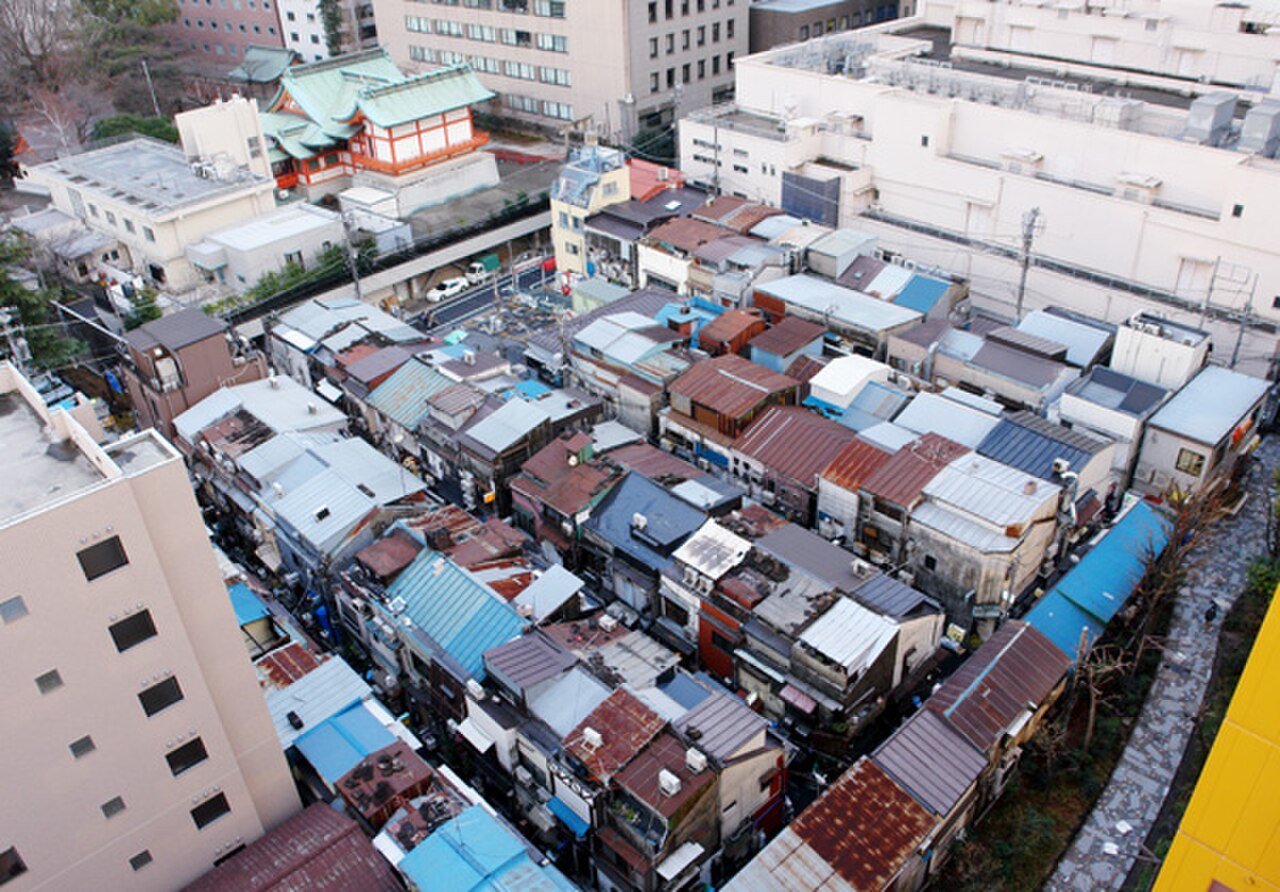
Shinjuku is a major commercial and administrative district in central Tokyo, widely recognized as one of the city's most vibrant urban centers. It houses the Tokyo Metropolitan Government Building and serves as a significant transportation hub connecting multiple railway and subway lines. The area encompasses diverse zones including business districts, entertainment quarters, and extensive retail corridors. Its density of restaurants, department stores, and nightlife venues makes it a destination for both daytime commerce and evening leisure activities across varied visitor interests.
Checked 2026-08-31 · Source
The district contains the Tokyo Metropolitan Government Building with its twin towers and free observation decks, though operational status should be verified. Shinjuku Gyoen National Garden lies nearby, offering landscaped grounds with distinct garden styles. The entertainment and dining zone of Kabukicho occupies the northeast, while the west features major department stores and electronics retailers. Numerous hotels accommodate business and leisure travelers. The area around Shinjuku Station contains extensive underground shopping arcades and connecting passages between commercial buildings and transit facilities.
Checked 2026-08-31 · Source
Visitors typically allocate a half-day to full day for Shinjuku depending on intended activities. Brief visits covering the government building observation area and station vicinity require approximately two to three hours. Extended stays incorporating garden walks, shopping, and evening dining extend to six hours or more. Those combining Shinjuku with adjacent districts such as Shibuya or Harajuku may distribute time across multiple days. Evening exploration of the entertainment and dining sectors warrants additional hours beyond standard daytime itineraries for comprehensive district coverage.
Checked 2026-08-31 · Source
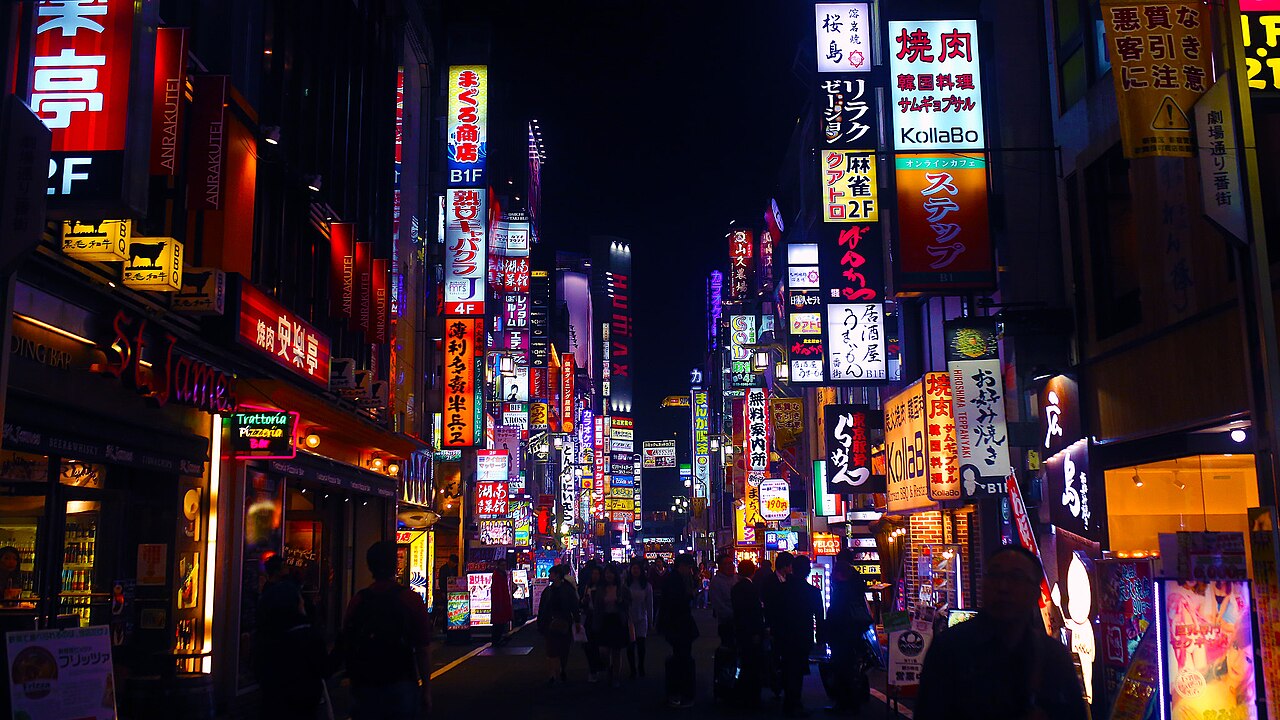
Public district: open 24 hours daily. There are no district-wide closure days. Individual attractions, shops and entertainment venues keep their own schedules. Shinjuku Tourist Information is open 10:00–19:00 and closes December 29–January 3; those hours do not apply to the district. Shinjuku operates as a functional district without gated admission, though individual venues maintain separate schedules. The Tokyo Metropolitan Government Building observation decks and Shinjuku Gyoen National Garden have specific operating hours that vary seasonally. Evening illumination of commercial signage creates distinctive atmosphere after dark. Weekday business hours emphasize corporate activity, while weekends shift toward leisure shopping and tourism. Seasonal events occasionally occur in public spaces. Visitors should consult current schedules for specific attractions before finalizing travel timing.
Checked 2026-08-31 · Source
Free: Shinjuku has no general district admission charge. Individual attractions and venues may charge their own admission. Access to Shinjuku as a district requires no general admission fee. The Tokyo Metropolitan Government Building observation decks have historically operated without charge, though current policy should be confirmed. Shinjuku Gyoen National Garden requires paid entry. Individual restaurants, entertainment venues, and department stores set their own pricing. Visitors should carry sufficient cash as some establishments, particularly smaller dining venues, may not accept card payments. Budget planning should accommodate variable spending across shopping, dining, and entertainment selections based on personal preferences.
Checked 2026-08-31 · Source
Shinjuku Station is the principal arrival point. From Tokyo Station, take the JR Chuo Line directly to Shinjuku in about 15 minutes, or the Tokyo Metro Marunouchi Line in about 19 minutes. From Shinagawa, the JR Yamanote Line takes about 20 minutes. From Haneda Airport, official routes include Tokyo Monorail to Hamamatsucho followed by the JR Yamanote Line, about 36 minutes; Keikyu Line to Shinagawa followed by the JR Yamanote Line, about 46 minutes; or an airport bus to Shinjuku Station West Exit or BUSTA Shinjuku, about 35–75 minutes. This is the named approach for an independent visit. Shinjuku Station ranks among Japan's busiest railway stations, served by JR East lines including the Yamanote loop line, Chuo and Sobu lines, and Saikyo line. Multiple private railways connect including Keio, Odakyu, and Seibu. Three subway lines operated by Tokyo Metro and Toei provide additional access.
Checked 2026-08-31 · Source
Step-free conditions vary across this large urban district and among station operators and exits. Tokyo Metro’s Shinjuku Station (M08) has at least one step-free ground-to-gate-to-platform route. Tokyo Metro elevators connect the West Gate with Exit A15 and the East Gate with exits A6 and B11 from 06:00 to 23:00. A wheelchair-accessible toilet, infant facilities and an ostomate facility are located outside Tokyo Metro’s East Gate. Shinjuku City provides a Japanese-and-English barrier-free map covering public facilities, commercial facilities and parks. The access description applies to the documented visitor route. Shinjuku Station's scale and complexity presents navigation challenges with over two hundred exits across multiple levels and connected buildings. Visitors should allow extra time for transfers and locating specific exits. Kabukicho entertainment district contains establishments with aggressive solicitation practices; visitors should exercise standard urban caution and avoid entering venues of uncertain character. Crowd density increases substantially during morning and evening rush periods.
Checked 2026-08-31 · Source
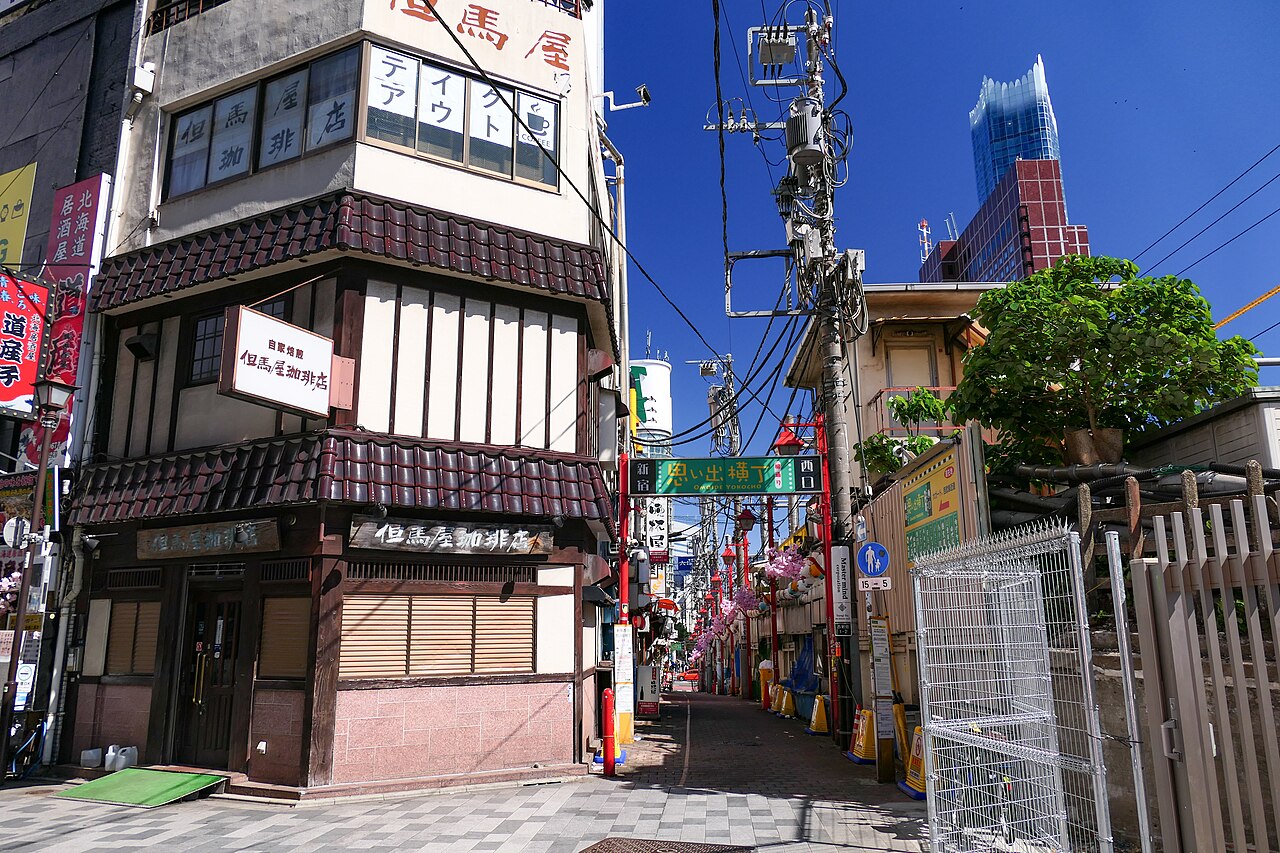
The Tokyo Metropolitan Government Building observation decks provide elevated vantage points for cityscape photography, subject to operational status. Street-level photography captures dense urban signage and pedestrian flow, particularly in the Kabukicho and west Shinjuku commercial zones. Shinjuku Gyoen National Garden offers controlled natural settings contrasting with surrounding urban density. Night photography benefits from extensive commercial illumination, though tripod use in crowded areas may obstruct pedestrian traffic. Some establishments prohibit interior photography. Drone operation is heavily restricted throughout Tokyo and should not be attempted without confirmed authorization from relevant authorities.
Checked 2026-08-31 · Source
The official Shinjuku tourism bureau highlights Shinjuku Gyoen National Garden, the Tokyo Metropolitan Government Building, Kabukicho, Golden Gai, the Godzilla head and Tokyu Kabukicho Tower.
The official access guide lists the direct JR Chuo Line from Tokyo Station to Shinjuku at approximately 15 minutes.
Official Haneda Airport routes arrive at Shinjuku Station West Exit, in front of Keio Department Store, or at Shinjuku Expressway Bus Terminal, also called BUSTA Shinjuku.
It is at 37-2 Shinjuku 3-chome, one minute on foot from JR Shinjuku Station’s Southeast Exit and beside underground-walkway Exit E10.
At Marunouchi Line Shinjuku Station, elevators connect the West Gate to Exit A15 and the East Gate to exits A6 and B11; these routes operate from 06:00 to 23:00.
Yes. Tokyo Metro lists a wheelchair-accessible toilet outside the East Gate, together with infant facilities and an ostomate facility.
Loading the interactive map…
The interactive map could not be loaded.
Last updated:
Source: OpenStreetMap contributors, Wikidata ·