
2 min walk
Shinjuku
- Must see
- Activity
Language · 11 published
Historic monument · Tokyo
歌舞伎町
Reviewed by Elena Voss · Roavina Travel Editor
This place is a Attraction.
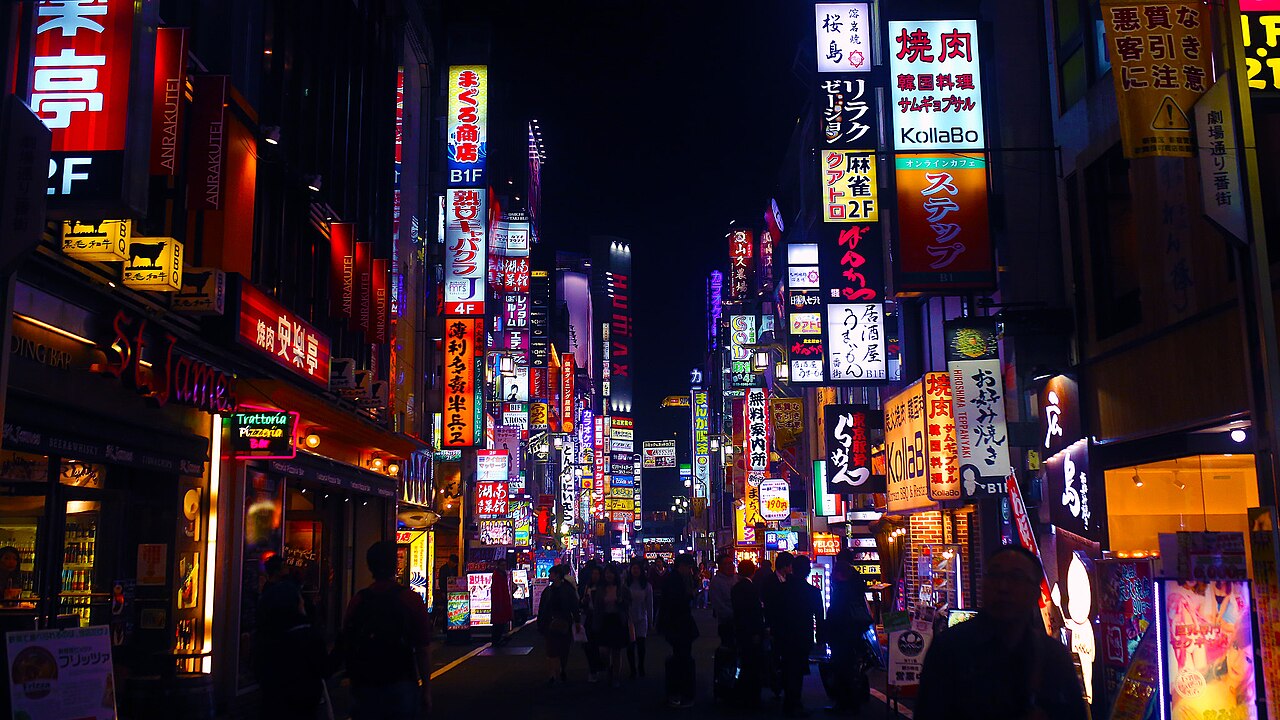
Kabukichō is Shinjuku’s dense entertainment district, occupying the area northeast of Shinjuku Station. The neighborhood combines restaurants, bars, karaoke, cinemas, pachinko halls, hotels and adult-oriented businesses in a compact grid of bright signs and narrow streets. Its name comes from a postwar plan for a kabuki theater that was never built. Today Kabukichō is one of Tokyo’s most recognizable nightlife areas, but it is also a place where visitors need clear boundaries and careful spending. Travelers can enjoy the food, architecture and neon streets without entering venues they do not understand.
Checked 2026-08-26 · Source
Kabukichō is an open district rather than a single attraction, so the experience comes from walking its streets and choosing individual venues. The area includes restaurants, karaoke parlors, pachinko halls, cinemas and love hotels, alongside host and hostess clubs, massage parlors and other adult businesses. Toho Cinemas Shinjuku is marked by the giant Godzilla head above the building. The Robot Restaurant was once a major landmark but has closed. The district changes character from one block to the next, with ordinary dining streets beside nightlife businesses aimed at visitors and local regulars.
Checked 2026-08-26 · Source
Allow one to three hours for a first walk through Kabukichō. A short visit covers the main streets, neon signs and Godzilla landmark; dinner, karaoke or a chosen entertainment venue can extend the evening considerably. Daytime walking is easier for reading signs and understanding the layout, while after-dark visits reveal the district’s strongest visual atmosphere. The streets are geographically compact, but vertical businesses and small entrances encourage a slower pace. Keep the route flexible and decide your destination before accepting invitations from anyone approaching you on the street.
Checked 2026-08-26 · Source
Visit during daylight for a calmer introduction to the streets, signage and building fronts. After dark, neon lighting and active nightlife give Kabukichō its defining atmosphere, but weekend evenings are also the busiest and most demanding for navigation. Individual restaurants, clubs and entertainment businesses keep their own schedules, with some operating late. The district can be included in an evening Shinjuku route after sightseeing elsewhere. Travelers who prefer a more relaxed walk should choose an earlier time and avoid standing in crowded station exits while deciding where to go.
Checked 2026-08-26 · Source
Kabukichō itself is a public district with no admission ticket. Costs begin when you enter a restaurant, cinema, karaoke venue, bar or other business, and each establishment sets its own prices. Never treat a street invitation as a transparent offer: ask for the full charge, cover fee and payment terms before entering. Avoid handing over a card or passport where the bill is unclear. A simple dinner in a known restaurant is a different financial decision from entering an unfamiliar nightlife venue, so choose the type of experience before spending money.
Checked 2026-08-26 · Source
Shinjuku Station’s east exit is the main approach to Kabukichō. The station is served by JR lines, private railways and several subway services, making the district easy to add to a Tokyo itinerary. From the east side of the station, walk northeast into the entertainment streets. Internal movement is on foot, and the narrow roads become crowded in the evening. Follow a map to a named restaurant or venue rather than wandering while responding to touts. Taxis can reach the surrounding roads, but walking is the practical way to see the district’s signs and landmarks.
Checked 2026-08-26 · Source
Kabukichō demands more caution than an ordinary sightseeing street. Ignore unsolicited invitations, especially from people promising unusually cheap drinks or exclusive venues. Confirm the complete price before entering any business, and leave immediately if the terms change or staff pressure you to stay. Keep drinks and cards under your control, remain aware of your route, and avoid becoming intoxicated in an unfamiliar venue. Do not photograph people involved in nightlife without consent. If a serious problem occurs and it is safe to seek help, use a nearby kōban. The district’s restaurants and cinemas offer straightforward alternatives to unknown clubs.
Checked 2026-08-26 · Source
Kabukichō is highly photogenic after dark, with layered signs, narrow streets and the Godzilla head above Toho Cinemas Shinjuku. Photograph public architecture and signs while keeping pathways clear. Ask before photographing identifiable people, performers or staff, particularly near adult-oriented businesses, where cameras can create conflict. Indoor venues set their own camera rules and may prohibit photography entirely. A small handheld camera is easier to manage than a tripod in crowded lanes. Keep your phone and wallet secure while shooting at night, and step to the side before stopping to frame a photograph.
Checked 2026-08-26 · Source
Visitors should stay alert, ignore touts, confirm prices before entering venues and avoid heavy intoxication. The busiest nightlife streets require more caution than ordinary Tokyo sightseeing areas.
Yes. Daytime offers calmer walking conditions and makes it easier to read signs and observe the district, while nightlife and neon are strongest after dark.
The district includes general-audience restaurants and the Godzilla landmark, but its dominant nightlife and adult-oriented character make it unsuitable as a family-focused destination.
If it is safe, seek help at a nearby kōban. Prevention matters: avoid unsolicited invitations, keep payment details private and leave venues whose prices or behavior become unclear.
The main approach is through Shinjuku Station’s east exit, followed by a walk northeast into the entertainment district and its dense network of nightlife streets.
The giant Godzilla head above Toho Cinemas Shinjuku is the district’s best-known visual landmark and a useful meeting point near the entertainment streets.
Loading the interactive map…
The interactive map could not be loaded.
Last updated:
Source: OpenStreetMap contributors ·
.jpeg)