13 min walk
Kyu-Furukawa Gardens
- Must see · Heritage site
- Nature site
Language · 11 published
Historic monument · Tokyo
六義園
Reviewed by Elena Voss · Roavina Travel Editor
| Monday | 09:00 – 17:00 |
|---|---|
| Tuesday | 09:00 – 17:00 |
| Wednesday | 09:00 – 17:00 |
| Thursday | 09:00 – 17:00 |
| Friday | 09:00 – 17:00 |
| Saturday | 09:00 – 17:00 |
| Sunday | 09:00 – 17:00 |
Parsed from OpenStreetMap opening hours on 2026-09-09.
It opened in 1938. It carries the Place of Scenic Beauty heritage designation. It is run by Tokyo Metropolitan Park Association.
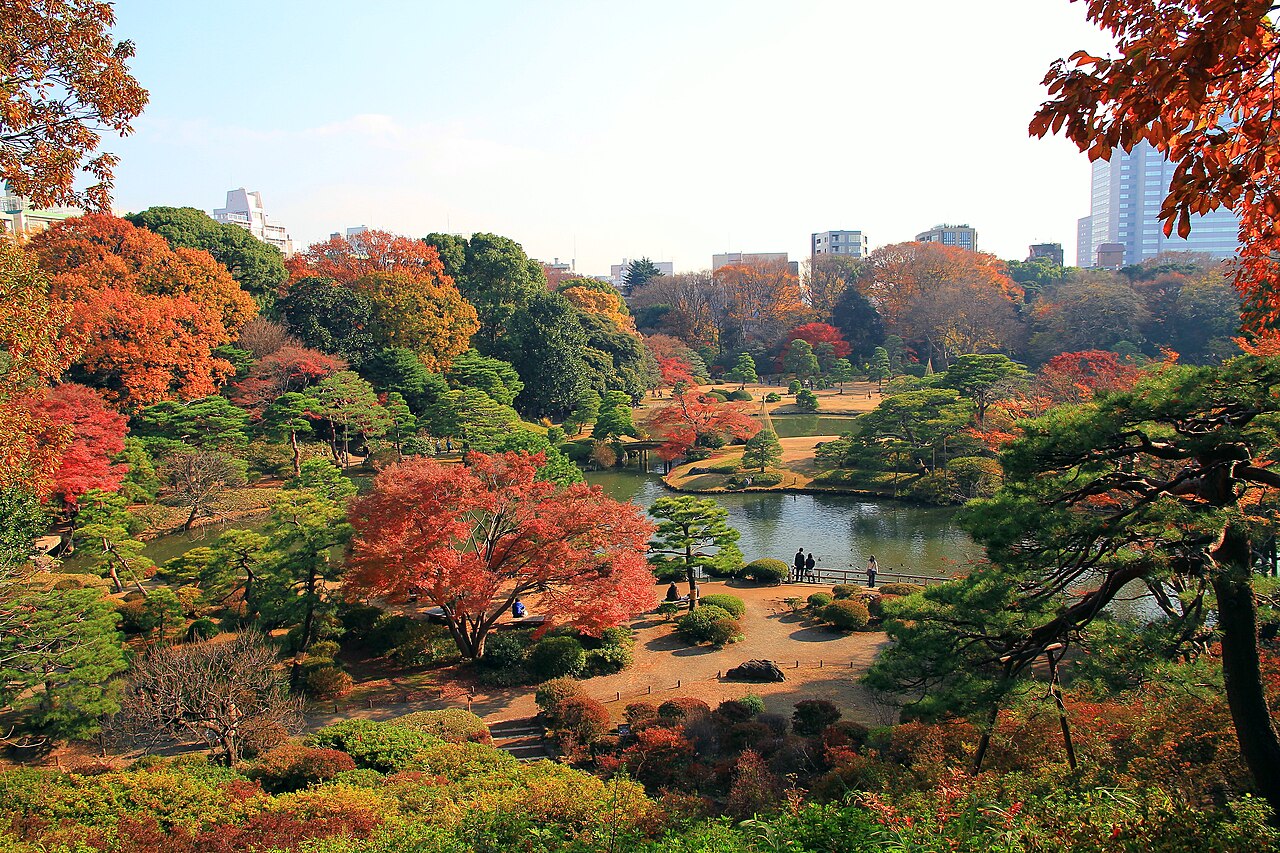
Rikugien Gardens is a historic Japanese strolling garden in Tokyo’s Bunkyo ward. Known locally as 六義園, it follows the kaiyushiki teien tradition: a walking route organized around a central pond and a sequence of changing viewpoints. Created during the Edo period, the garden was designed around scenes and ideas from classical Chinese and Japanese poetry. Its name refers to the six categories of waka poetry described in the preface to the Kokin Wakashu anthology. Rikugien is also a fine example of the daimyo garden tradition, in which feudal lords created carefully composed landscapes for movement, reflection, and hospitality.
Checked 2026-08-26 · Source
The garden’s central pond, islands, rocks, streams, hills, and mature trees form a connected landscape rather than a collection of separate displays. Walking paths lead from one composed view to another, revealing water, vegetation, and garden architecture at different angles. Traditional teahouses provide places to pause during the circuit. Artificial hills add elevation and change the sightlines, while borrowed scenery connects the garden visually with its surroundings. The design rewards slow movement: a view that seems simple from one bend can change as the path, water, and trees rearrange the composition.
Checked 2026-08-26 · Source
Allow roughly thirty minutes to one hour for a focused circuit of Rikugien’s paths. Add time if you want to pause at viewpoints, study the poetic references behind the design, spend time near the pond, or photograph the seasonal scenery. The garden is designed for strolling rather than rapid sightseeing, and its changing perspectives are easier to appreciate at a relaxed pace. During cherry blossom, autumn foliage, or evening illumination periods, the visual interest can keep you in the garden longer. Comfortable shoes make the circuit more enjoyable.
Checked 2026-08-26 · Source
Rikugien changes noticeably with the seasons. Spring brings cherry blossoms, while autumn colors emphasize the garden’s carefully arranged trees, pond views, and hills. Summer offers dense green foliage and shaded paths; winter exposes the structure of the landscape and creates a quieter visual mood. Morning and late afternoon are especially rewarding for composed views and photography because the light can bring out reflections and texture. Autumn illumination events are held at selected times and can make the garden busier. Plan the visit around the atmosphere you want: flowers, foliage, greenery, or a calmer circuit.
Checked 2026-08-26 · Source
Rikugien Gardens requires an entrance fee at the gate. The garden experience centers on walking through the historic landscape, so allow time for the admission process before beginning the circuit. Visitors interested in seasonal illumination should treat that event as a distinct version of the visit, with different light, mood, and crowd conditions from a daytime walk. Once inside, the pond, islands, hills, paths, trees, and teahouses provide the main experience. A visit is most satisfying when you reserve enough time to stop at viewpoints instead of treating the garden as a quick photograph.
Checked 2026-08-26 · Source
Rikugien is in Bunkyo ward and is straightforward to include in a Tokyo rail itinerary. Komagome Station, served by the JR Yamanote Line and Tokyo Metro Namboku Line, is the commonly used approach. Sengoku Station on the Toei Mita Line offers another route from the surrounding neighborhood. From the stations, continue through the low-rise streets toward the garden entrance. Public transportation is more practical than planning around visitor parking. Once at the garden, the experience changes from Tokyo’s urban movement to a deliberate walking circuit around water, hills, trees, and poetic views.
Checked 2026-08-26 · Source
Rikugien’s paths include uneven surfaces, steps, and changes in elevation, so wear shoes with a secure grip and take care on wet ground. Pond edges are open in many places, making attention especially important for children. Warm months bring insects around vegetation and water. The circuit has limited shelter during rain, and the garden’s contemplative atmosphere is best respected through quiet conversation and careful movement. Cyclists do not define the experience here; visitors should keep to the walking route and avoid blocking viewpoints. If mobility is a concern, consider the terrain before committing to the entire circuit.
Checked 2026-08-26 · Source
Photograph Rikugien as a sequence of framed views rather than as one wide garden scene. The pond and islands create reflections, while teahouses, rocks, artificial hills, and mature trees provide layers for compositions. Morning can offer calmer water and a quieter circuit; autumn illumination creates a different challenge, with low light and more visitors. Give other guests room at viewpoints and keep equipment compact on narrow paths. The garden’s literary design rewards patience: move a little, wait for the view to open, and let the relationship between water, architecture, and vegetation tell the story.
Checked 2026-08-26 · Source
Rikugien is known for its Edo-period strolling-garden design, central pond, changing viewpoints, and scenes inspired by classical Chinese and Japanese poetry.
Komagome Station, served by the JR Yamanote Line and Tokyo Metro Namboku Line, is the commonly referenced approach to the garden.
Allow about thirty minutes to one hour for a focused circuit, with extra time for viewpoints, seasonal scenery, poetry, and photography.
Spring is notable for cherry blossoms and autumn for foliage; summer emphasizes greenery, while winter reveals the garden’s structural design.
Wear comfortable shoes with a secure grip because the strolling route includes uneven surfaces, steps, and changes in elevation.
The pond, islands, rocks, teahouses, artificial hills, mature trees, and seasonal foliage provide the garden’s principal photographic subjects.
Loading the interactive map…
The interactive map could not be loaded.
Last updated:
Source: OpenStreetMap contributors, Wikidata ·