
13 min walk
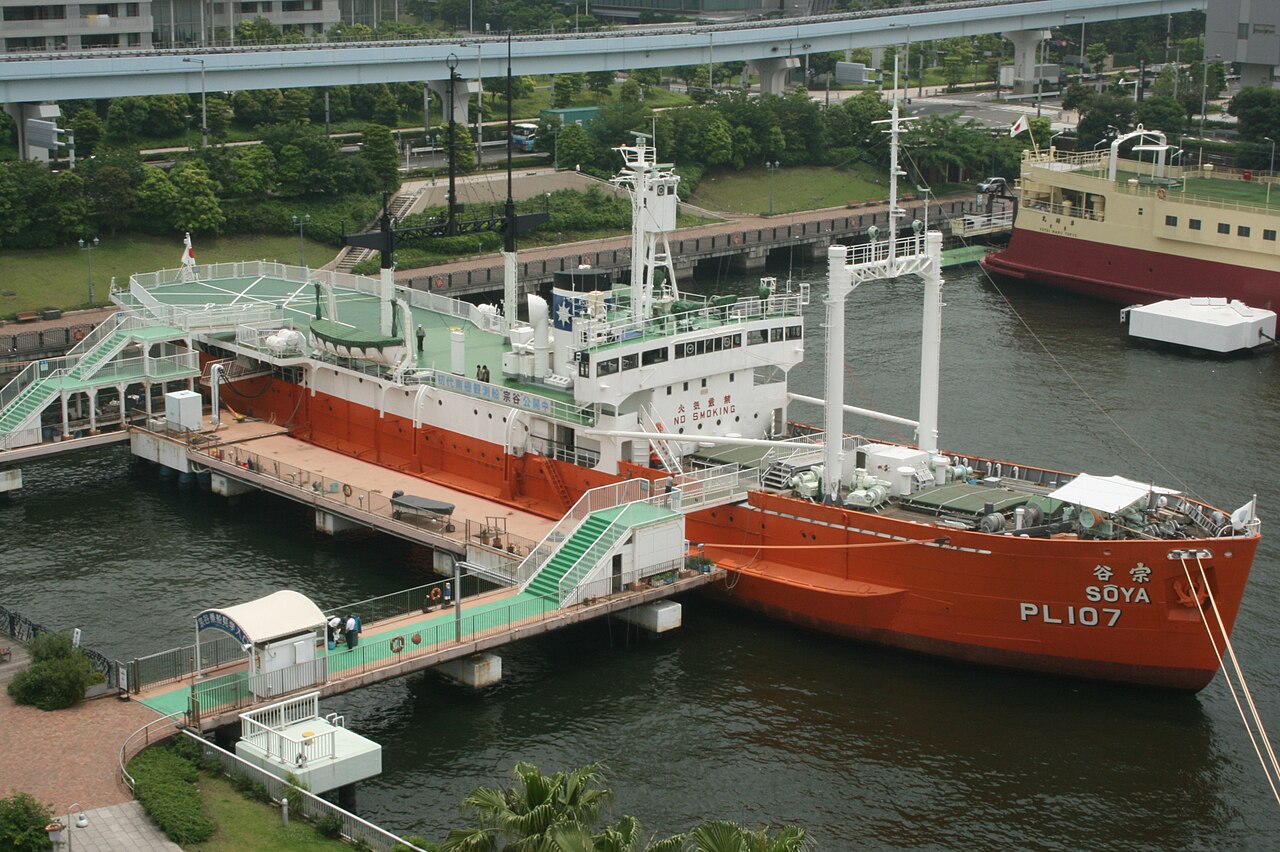
JCG Sōya
- High
- Museum
Language · 11 published
Historic monument · Tokyo
お台場
Reviewed by Elena Voss · Roavina Travel Editor
| Monday | 00:00 – 23:59 |
|---|---|
| Tuesday | 00:00 – 23:59 |
| Wednesday | 00:00 – 23:59 |
| Thursday | 00:00 – 23:59 |
| Friday | 00:00 – 23:59 |
| Saturday | 00:00 – 23:59 |
| Sunday | 00:00 – 23:59 |
Checked 2026-08-31 · Source
Read from the OpenStreetMap access tags; anything not listed has no tag recorded.
Set the group type to family in the planner and the day window contracts to about three quarters of a solo day.
This place is a Attraction.
Odaiba is a large artificial island in Tokyo Bay, originally developed for defensive purposes in the 1850s and later transformed into a major commercial and leisure district during the late 20th century. The area features extensive reclaimed land hosting shopping complexes, entertainment facilities, museums, and waterfront parks. It represents one of Tokyo's most distinctive urban planning projects, combining futuristic architecture with recreational spaces. The island connects to central Tokyo via the Rainbow Bridge and Yurikamome automated transit line, serving as both a tourist destination and residential area.
Checked 2026-08-31 · Source
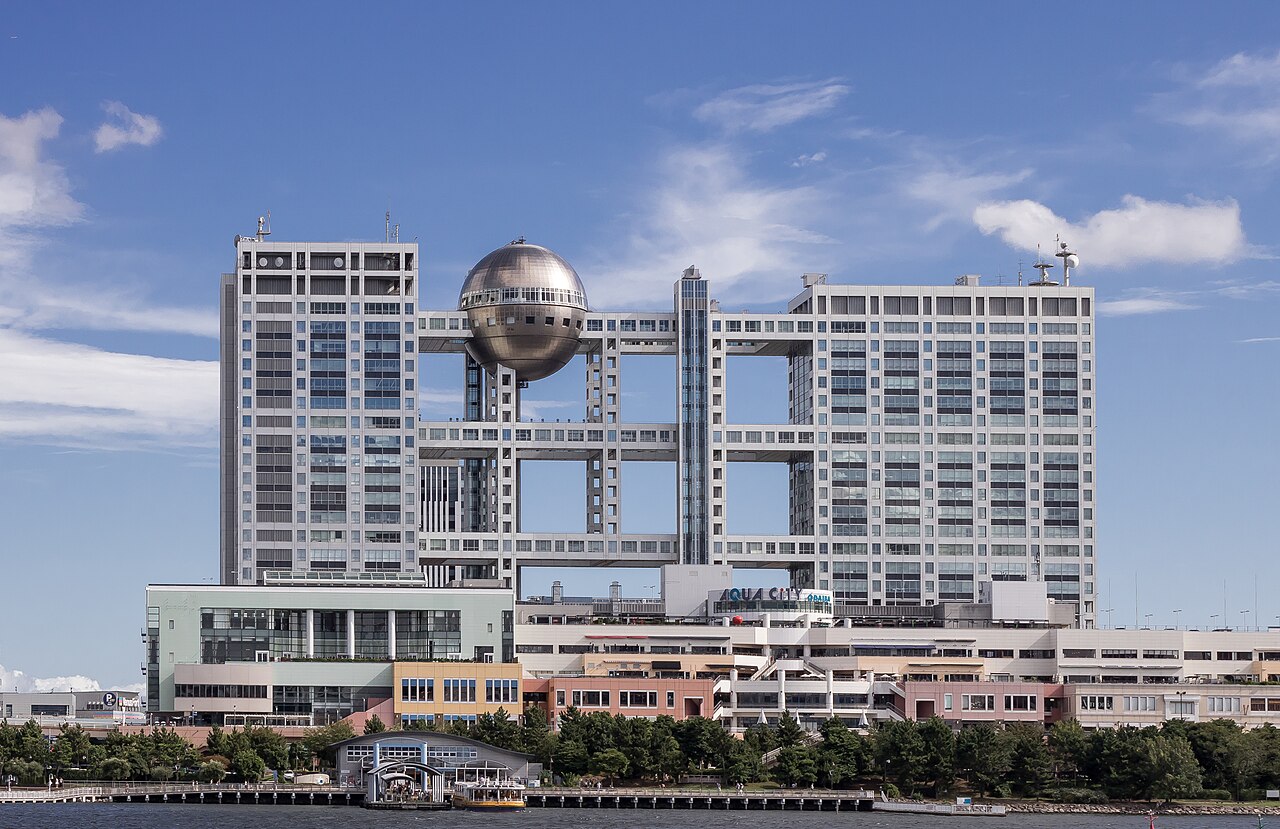
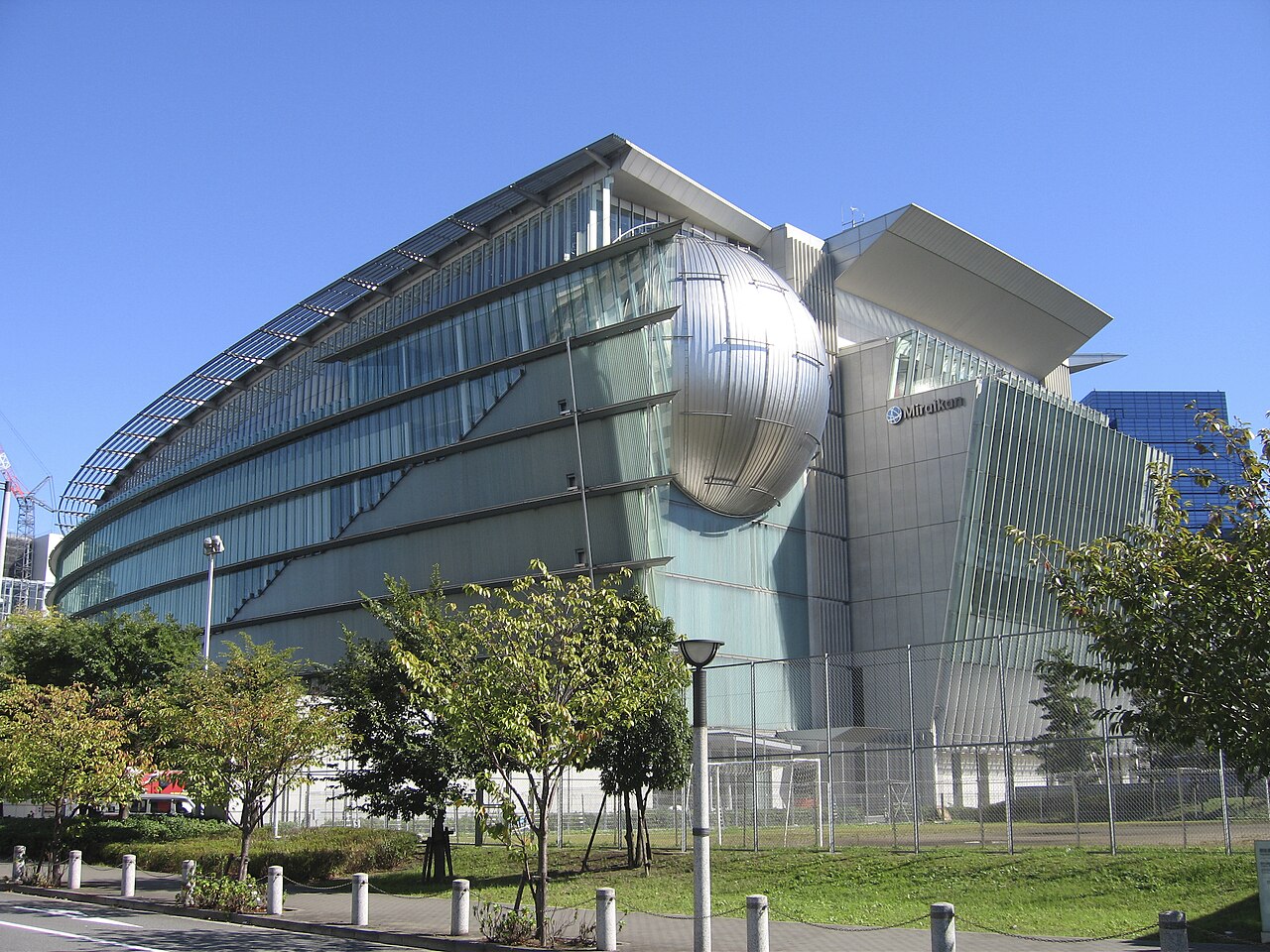
Odaiba contains multiple prominent attractions including the Miraikan science museum, TeamLab Borderless digital art museum, the giant Gundam statue, and the Palette Town Ferris wheel. Shopping centers such as DiverCity Tokyo Plaza, Aqua City Odaiba, and Decks Tokyo Beach provide retail and dining options. The area includes Odaiba Beach Park, Shiokaze Park with views of the Rainbow Bridge, and various hot spring facilities. Hotels, convention centers, and corporate offices occupy portions of the island. The Fuji Television building with its distinctive spherical observation deck stands as a recognizable landmark.
Checked 2026-08-31 · Source
Visitors typically allocate a half-day to full day for exploring Odaiba's main attractions, depending on specific interests and pace. Those focusing on shopping and dining may spend four to six hours, while visitors intending to enter multiple museums or experience extended entertainment venues should plan for longer stays. Evening visits allow viewing illuminated structures including the Rainbow Bridge and Gundam statue. The dispersed layout across reclaimed land necessitates walking or using internal shuttle services between distant points, affecting total time requirements substantially.
Checked 2026-08-31 · Source
Open year-round; the public waterfront parks have no daily gate hours and no regular closure days. These hours cover Odaiba Marine Park and the connected public waterfront. Independently operated museums, shops and attractions set their own schedules. Odaiba operates as an open district without unified gates or seasonal closures. Individual attractions maintain independent schedules. Evening hours offer illuminated views of Tokyo Bay and landmark structures. Summer months see increased beach park usage and outdoor events. Weather conditions affect outdoor walking between dispersed locations. Weekends and Japanese public holidays typically draw larger crowds to popular attractions.
Checked 2026-08-31 · Source
Free admission to Odaiba Marine Park and Symbol Promenade Park. Independently operated museums, entertainment venues and shops may charge separately. Access to Odaiba itself as a district requires no admission fee. Individual attractions impose separate charges varying by venue type and specific exhibitions. The Yurikamome line and water buses charge standard transit fares. Some observation decks and museums offer combination arrangements with other facilities. Open year-round; the public waterfront parks have no daily gate hours and no regular closure days. Certain attractions may require advance reservations or timed entry, particularly for popular exhibitions with capacity limitations.
Checked 2026-08-31 · Source
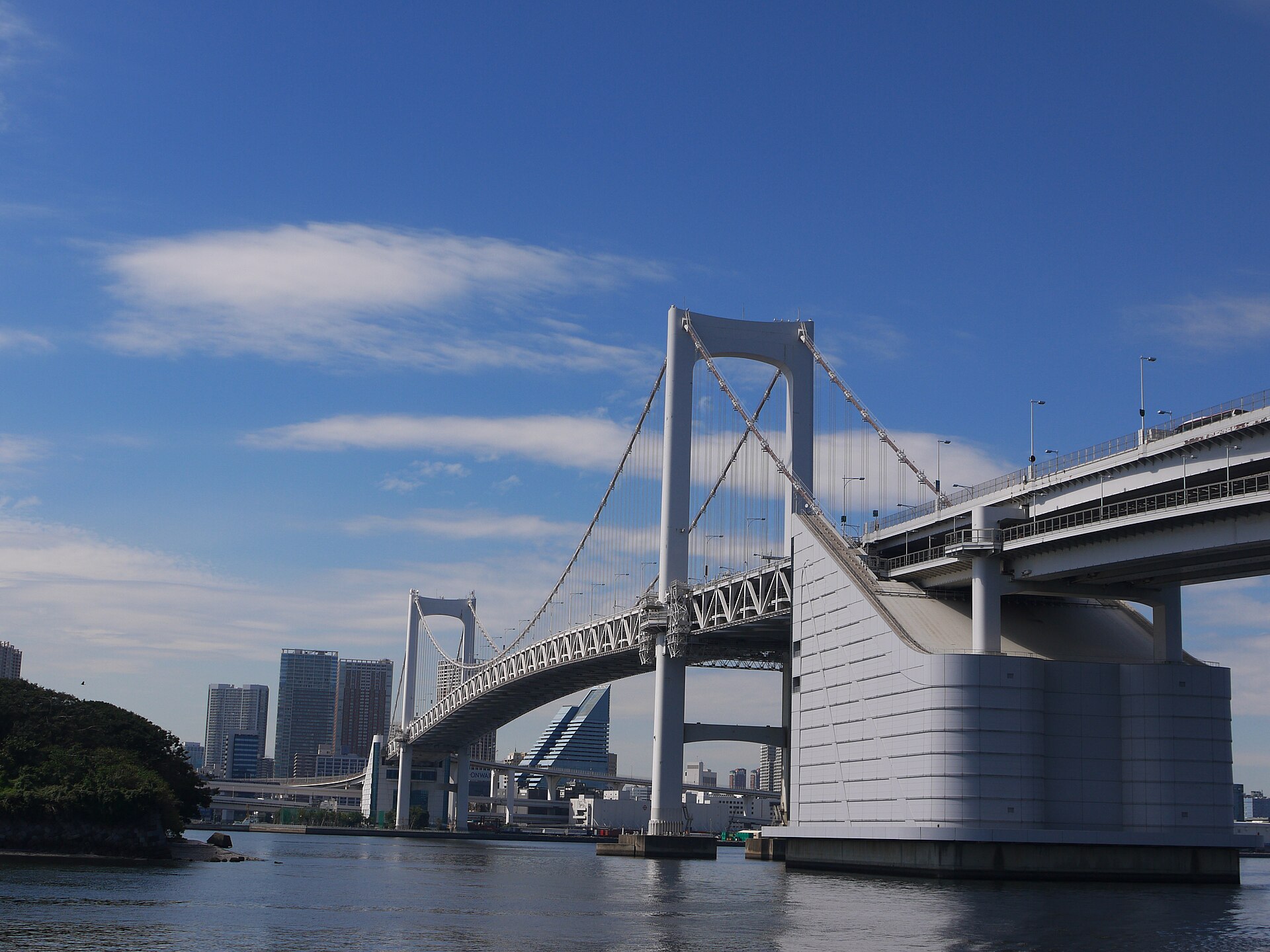
For the waterfront, Yurikamome trains serve Odaiba-kaihinkoen and Daiba stations, each about a 3-minute walk from Odaiba Marine Park. Tokyo Teleport Station on the Rinkai Line is about a 10-minute walk away. Water buses serve Odaiba Marine Park from Hinode Pier, Asakusa and Toyosu routes. This is the named approach for an independent visit. The Yurikamome automated guideway transit connects Shimbashi Station to multiple stops across Odaiba, including Daiba Station and Odaiba-Kaihinkoen Station. The Rinkai Line serves Tokyo Teleport Station from Shinjuku and other western Tokyo points. Water buses operate from Hinode Pier and Asakusa, providing scenic bay crossings. Private vehicles access the island via the Rainbow Bridge, with tolls applicable. Walking across the Rainbow Bridge is permitted via dedicated pedestrian walkways on lower deck levels with specific access points and hours. Taxi services operate throughout the district.
Checked 2026-08-31 · Source
A pedestrian route connects Symbol Promenade Park, Odaiba Marine Park and DECKS Tokyo Beach using ramps and elevators. Odaiba Marine Park's waterfront can be explored by wheelchair; a ramp connects it to Symbol Promenade Park. All six public restrooms in Odaiba Marine Park are wheelchair-accessible and have diaper-changing stations; two also have ostomate facilities. Accessibility varies inside independently operated attractions across the wider Odaiba district. The access description applies to the documented visitor route. Odaiba's expansive layout requires substantial walking between attractions; comfortable footwear is advisable. Summer heat and humidity affect outdoor portions significantly with limited shade. Some areas experience strong bay winds. Dining and shopping venues may close earlier than central Tokyo districts. The Yurikamome line becomes crowded during peak periods and special events. Rainbow Bridge pedestrian access involves stairs and specific entry points not immediately obvious. Waterfront areas have safety barriers but require standard precautions. Visitors should carry sufficient water during warm periods due to limited vending machines in park areas.
Checked 2026-08-31 · Source
Odaiba offers numerous photography opportunities including the Rainbow Bridge from multiple angles, the Gundam statue, Tokyo Bay waterfront views, and distinctive modern architecture. Evening blue hour and night illumination provide particularly striking conditions. The beach park allows unobstructed skyline compositions. Some museums and commercial venues restrict interior photography; visitors should observe posted guidelines. The Yurikamome front seats offer unique elevated perspectives during transit. Tripod usage in public spaces may attract security attention. Weather conditions significantly affect clarity for distant Mount Fuji views occasionally visible from western-facing locations on clear days.
Checked 2026-08-31 · Source
The Tokyo Metropolitan Government's official visitor guide recommends setting aside a full day for the district's waterfront, shopping and attractions.
No. Swimming is prohibited under the park's ordinary rules.
Yes, but only in the designated rocky-shore zone between the amphibious-vehicle facility and the water-bus pier. Chumming and overhead or side casting are prohibited, and fishing is not allowed on Odaiba Beach, at Daiba Park or around the pier.
Yes. All six public restrooms in Odaiba Marine Park are wheelchair-accessible and include diaper-changing stations; the restrooms near the amphibious-vehicle ramp and observation deck also have ostomate facilities.
Yes. The official Tokyo visitor guide estimates approximately 30 minutes for the bridge walk.
The replica was installed in 1998 as a temporary tribute to relations between Japan and France and became a permanent feature in 2000.
Loading the interactive map…
The interactive map could not be loaded.
Last updated:
Source: OpenStreetMap contributors, Wikidata ·