16 min walk
Odaiba
- Must see
- Historic monument
Language · 11 published
Activity · Tokyo
レインボーブリッジ
Reviewed by Elena Voss · Roavina Travel Editor
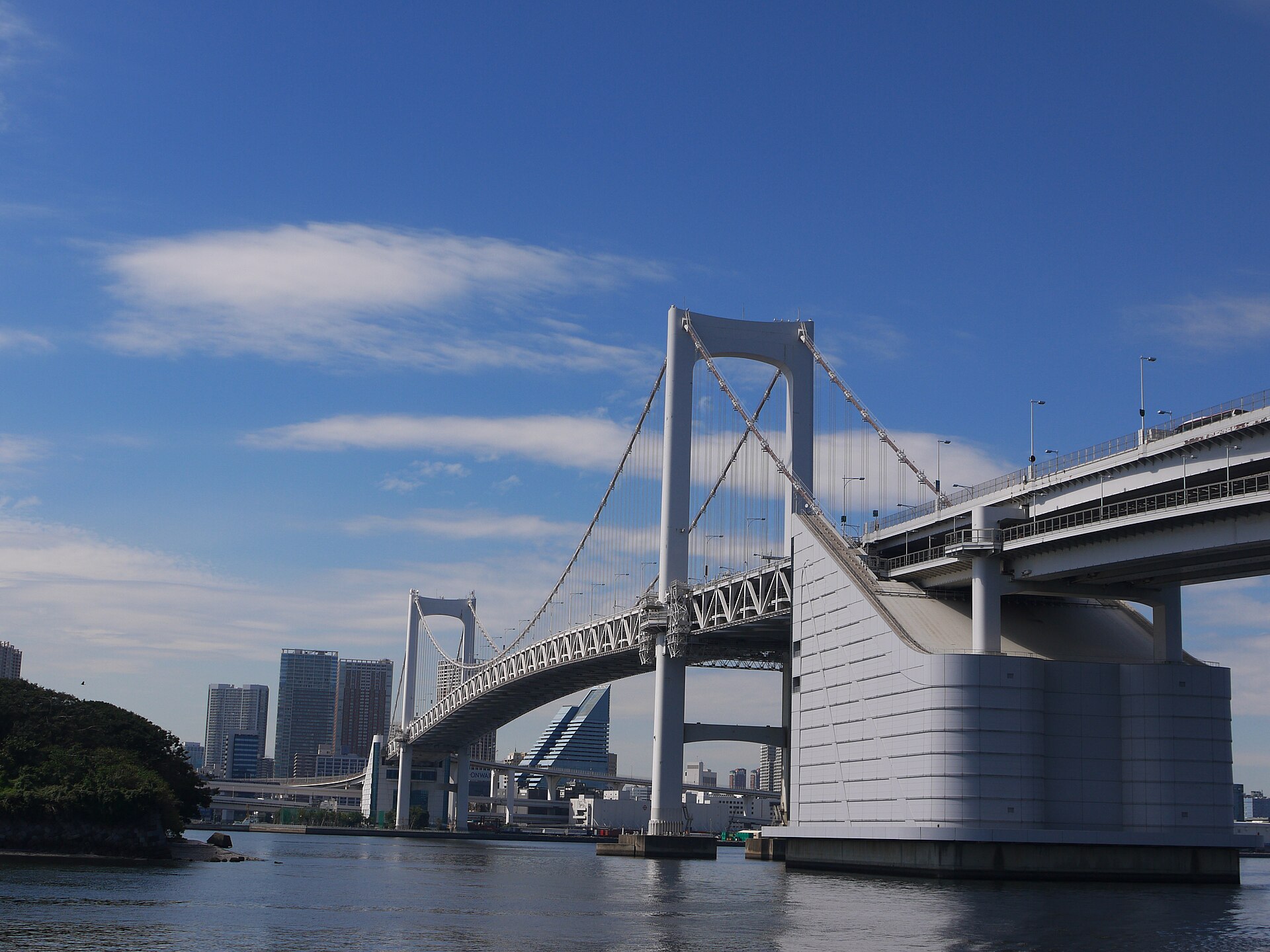
It opened in 1993. It was designed by Kawasaki Heavy Industries. It is built of steel.
Rainbow Bridge is the suspension bridge linking Shibaura on the Tokyo mainland with Odaiba across Tokyo Bay. The structure carries road traffic, the Yurikamome automated transit line and pedestrian walkways, making it both working infrastructure and a major waterfront landmark. Towers and cables define the skyline between central Tokyo and Odaiba. The bridge was completed in the 1990s and helped connect Odaiba with the rest of the city. For travelers, Rainbow Bridge is best understood as a scenic crossing with views in both directions, not as a conventional attraction with galleries or indoor exhibits.
Checked 2026-08-26 · Source
The visitor experience is outdoors on pedestrian walkways along the bridge, with separate sides facing central Tokyo and Odaiba. The Yurikamome runs within the structure and gives passengers a moving view across the bay. Rainbow Bridge has no shops, restaurants or interpretive exhibition rooms. Parks, waterfront spaces, shopping complexes and entertainment venues wait at the two ends, so the bridge works as a link between destinations. From the walkways, travelers can study the towers, suspension cables, harbor traffic and changing relationship between Tokyo’s dense skyline and Odaiba’s reclaimed waterfront.
Checked 2026-08-26 · Source
Allow about thirty minutes to one hour for a one-way crossing at a moderate pace, including short photo stops. A round trip takes roughly twice as long and exposes travelers to the bay wind for longer. The Yurikamome crosses in only a few minutes, but the train does not provide a walking or stopping experience. Rainbow Bridge’s walkways have limited shelter and no comfortable sequence of indoor pauses, so include time for weather and personal stamina. Many visitors cross one way and continue their itinerary from the opposite waterfront rather than turning back.
Checked 2026-08-26 · Source
Dawn and dusk provide changing light over Tokyo Bay, while evening brings the illuminated bridge and bright Odaiba skyline. Summer crossings can feel hot and humid because the route is exposed; winter brings strong cold wind across the water. Weekends and holidays attract more pedestrians, especially during popular viewing periods. Severe weather can close the walkways, and maintenance may alter access. Choose a clear, calm day when the bridge crossing is central to your plan. If conditions deteriorate, the Yurikamome offers a practical way to travel between the two sides.
Checked 2026-08-26 · Source
Pedestrian access to Rainbow Bridge is free. Travelers pay only for the transport or activities they use around the crossing, such as the Yurikamome, water buses, meals or attractions in Odaiba and Shibaura. The bridge itself has no visitor ticket, guided exhibition or premium viewing platform. Carry the payment method needed for your chosen transport, and keep the crossing distinct from the cost of a wider waterfront day. A free walk can therefore connect several paid and unpaid stops without adding an admission charge of its own.
Checked 2026-08-26 · Source
On the Odaiba side, Daiba Station on the Yurikamome is the clearest transit reference. The Shibaura side is reached from the Tamachi area on the JR Yamanote and Keihin-Tohoku lines, followed by a longer walk or local connection to the bridge approach. Water buses also connect Odaiba with Hinode Pier and other waterfront points. Use a map to identify the pedestrian entrances because they are not placed directly beside every major station. Drivers can cross by road but cannot stop on the bridge; pedestrians should plan an endpoint before starting.
Checked 2026-08-26 · Source
Rainbow Bridge is exposed to wind, sun and rain, and severe weather can close the pedestrian route. Carry water in hot weather, wear secure shoes and prepare for colder conditions in winter. Stay in the designated pedestrian or cyclist lane and do not stop where you block the narrow walkway. There are no restrooms or shops on the bridge structure, so use facilities before crossing. Cyclists and pedestrians must follow the route rules at the entrance. Treat the crossing as an outdoor walk rather than a sheltered attraction, and leave a weather alternative in your itinerary.
Checked 2026-08-26 · Source
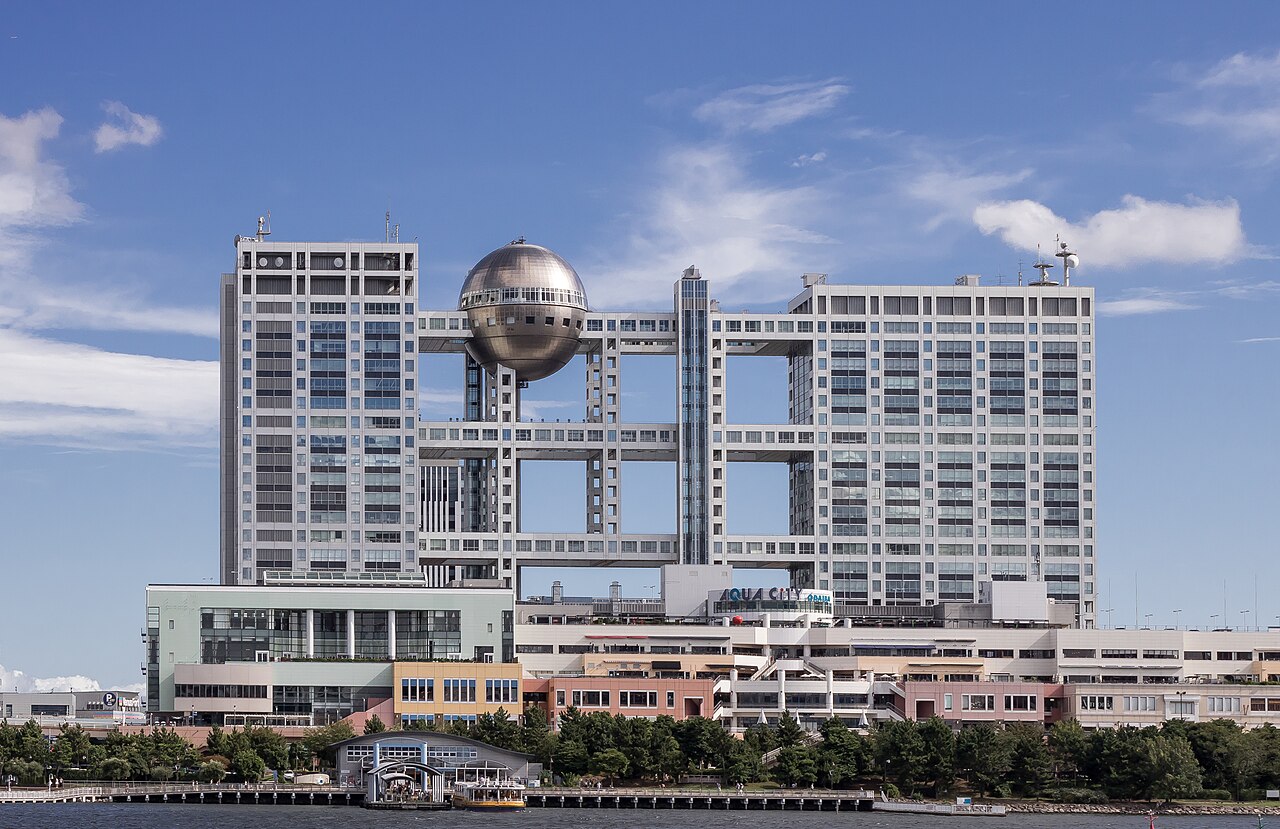
The northern walkway faces central Tokyo, including views toward Tokyo Tower and the city skyline. The southern side looks toward Odaiba, waterfront developments, the replica Statue of Liberty and the Fuji Television building. Wind can shake a camera during night photography, so brace equipment against the conditions without obstructing other walkers. Tripods take up valuable space on the narrow route. For a full bridge composition, shoreline parks, Odaiba beaches and water buses often provide better viewpoints than the bridge itself. Photograph moving traffic only from safe pedestrian areas, never from the roadway.
Checked 2026-08-26 · Source
Yes. Pedestrian walkways run along the bridge, connecting the Shibaura and Odaiba sides. The crossing is outdoors and takes about thirty minutes to one hour one way.
No. Road traffic cannot stop on the bridge. Use the pedestrian walkway, the Yurikamome or a waterfront viewpoint for safe photographs.
No. Pedestrian access is free. Separate costs apply to transport, meals and attractions at the Odaiba or Shibaura ends.
No. The bridge contains transport infrastructure and walkways, while restaurants, shops and entertainment venues are located around the Odaiba and Shibaura termini.
A one-way pedestrian crossing usually takes about thirty minutes to one hour at a moderate pace, depending on walking speed and photography stops.
The walkways face central Tokyo and Odaiba from different sides. Shoreline parks, Odaiba beaches and water buses often provide the clearest full-bridge compositions.
Loading the interactive map…
The interactive map could not be loaded.
Last updated:
Source: OpenStreetMap contributors, Wikidata ·
_-_panoramio.jpg)