City guide · Tokyo
What to Eat in Tokyo: Local Dishes
Plan what to eat in Tokyo: monjayaki, Fukagawa-meshi, loach hot pots, soba, tempura and yoshoku, with customs and five verified venues in historic districts.
Editorial responsibility: Elena Voss · Roavina Travel Editor
This guide is part of our Tokyo destination coverage. Tokyo
Tokyo dishes to look for
Fukagawa-meshi
Source and date: Fukagawa-meshi
Dojo-nabe
Source and date: Dojo-nabe
Yanagawa-nabe
Source and date: Yanagawa-nabe
Soba
Source and date: Soba
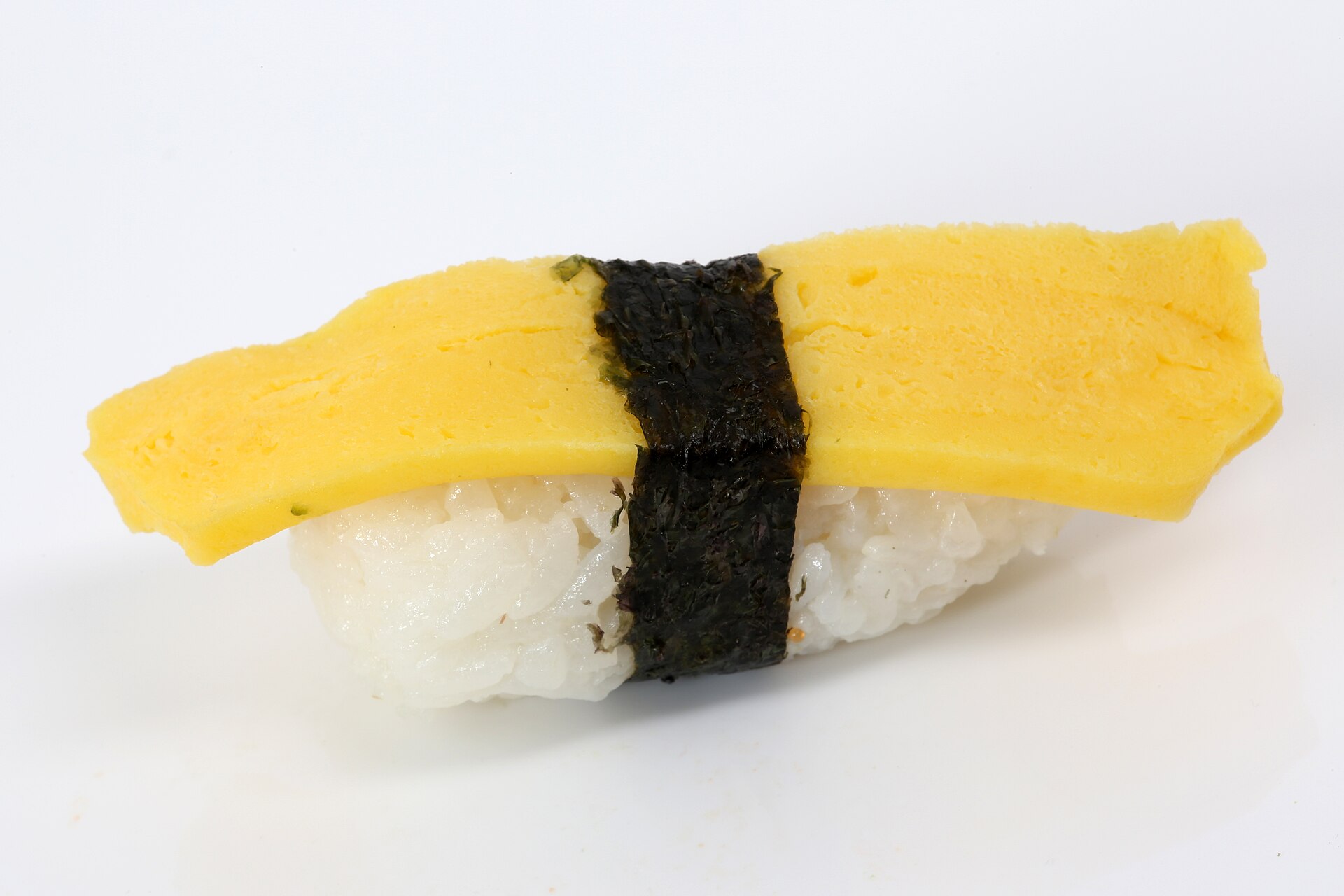
Nigiri sushi
Source and date: Nigiri sushi
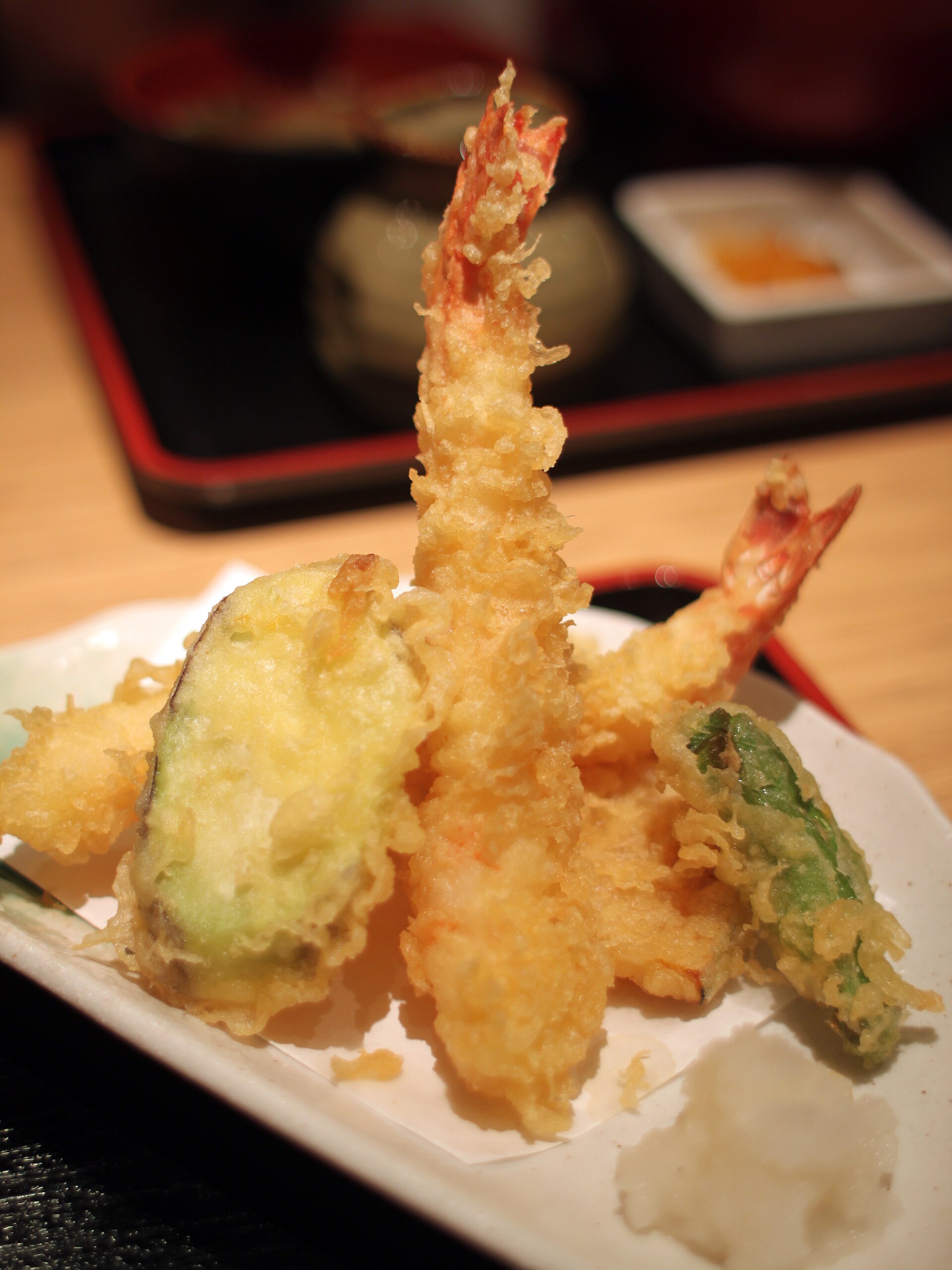
Tempura
Source and date: Tempura
Dozeu nabe
Source and date: Dozeu nabe
Seiro soba
Source and date: Seiro soba
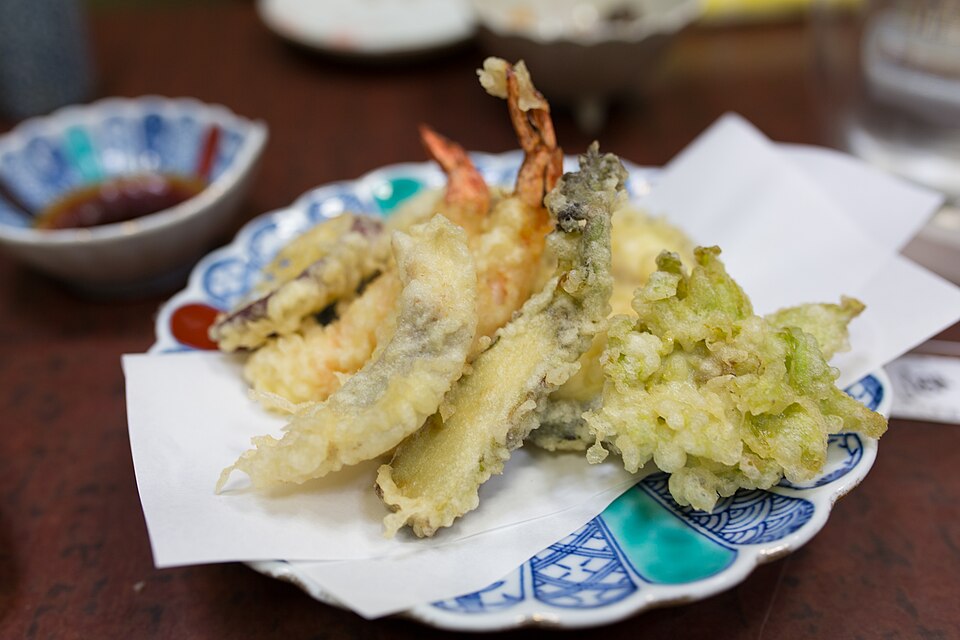
Seasonal tempura platter
Source and date: Seasonal tempura platter
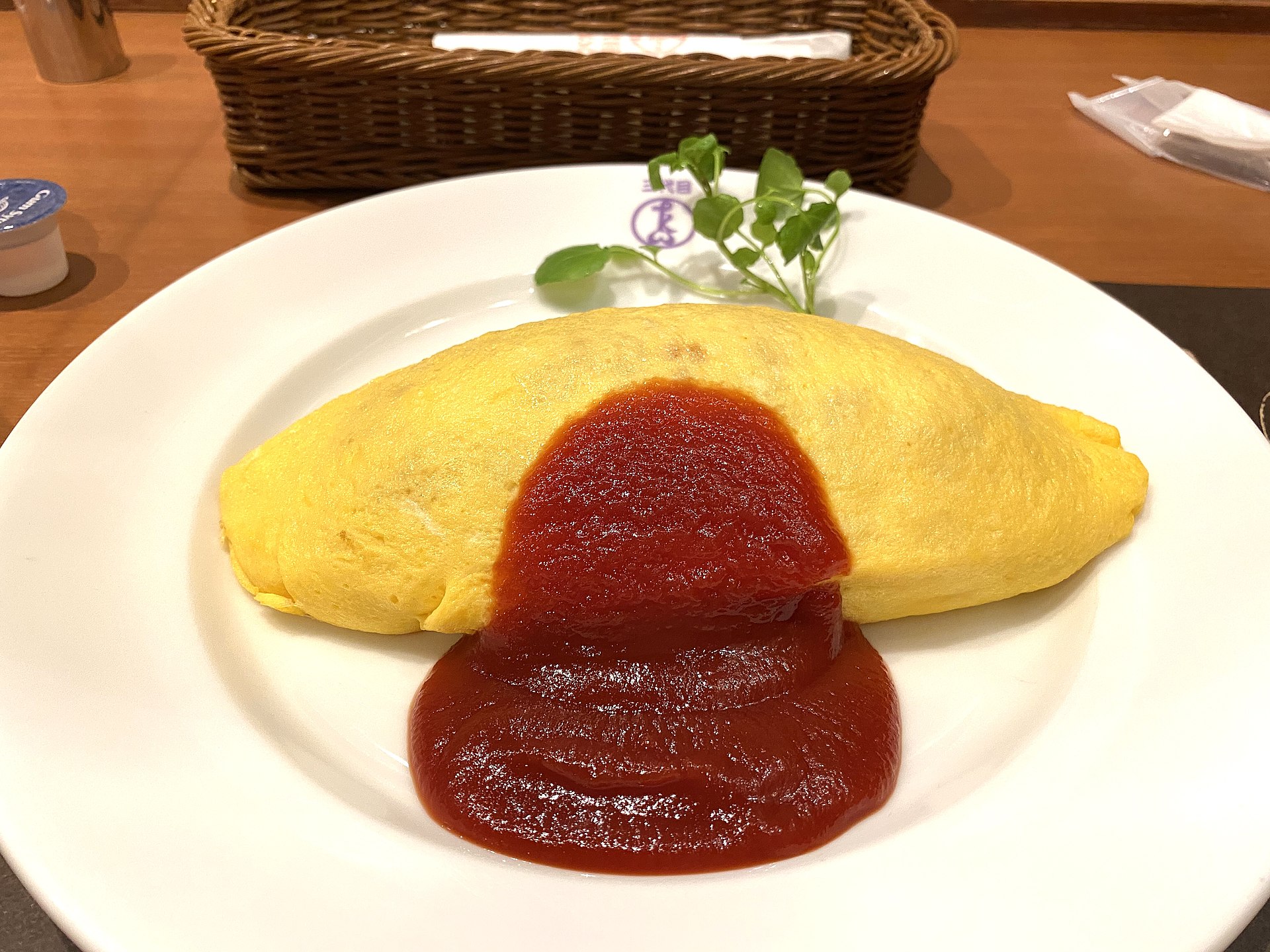
Omurice
Source and date: Omurice
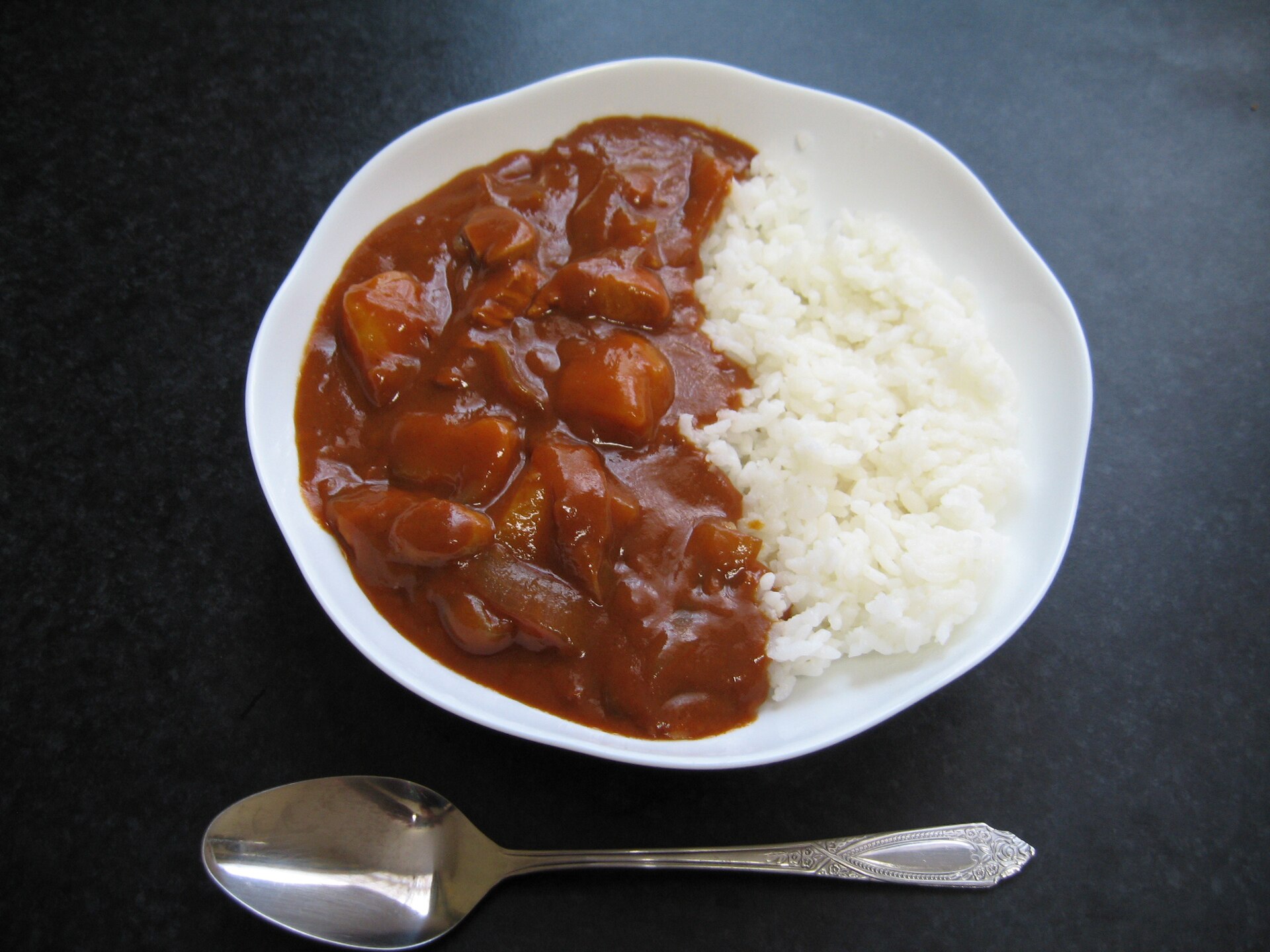
Hayashi rice
Source and date: Hayashi rice
Tokyo’s food identity was shaped by the Edo period, but no single dish represents the whole city. Build a food plan around one local speciality and one everyday style such as soba, sushi, tempura or yoshoku. The official Tokyo tourism guide identifies monjayaki, Fukagawa-meshi, dojo-nabe and Yanagawa-nabe among the city’s distinctive foods. (Tokyo food guide, 2026-09-29)
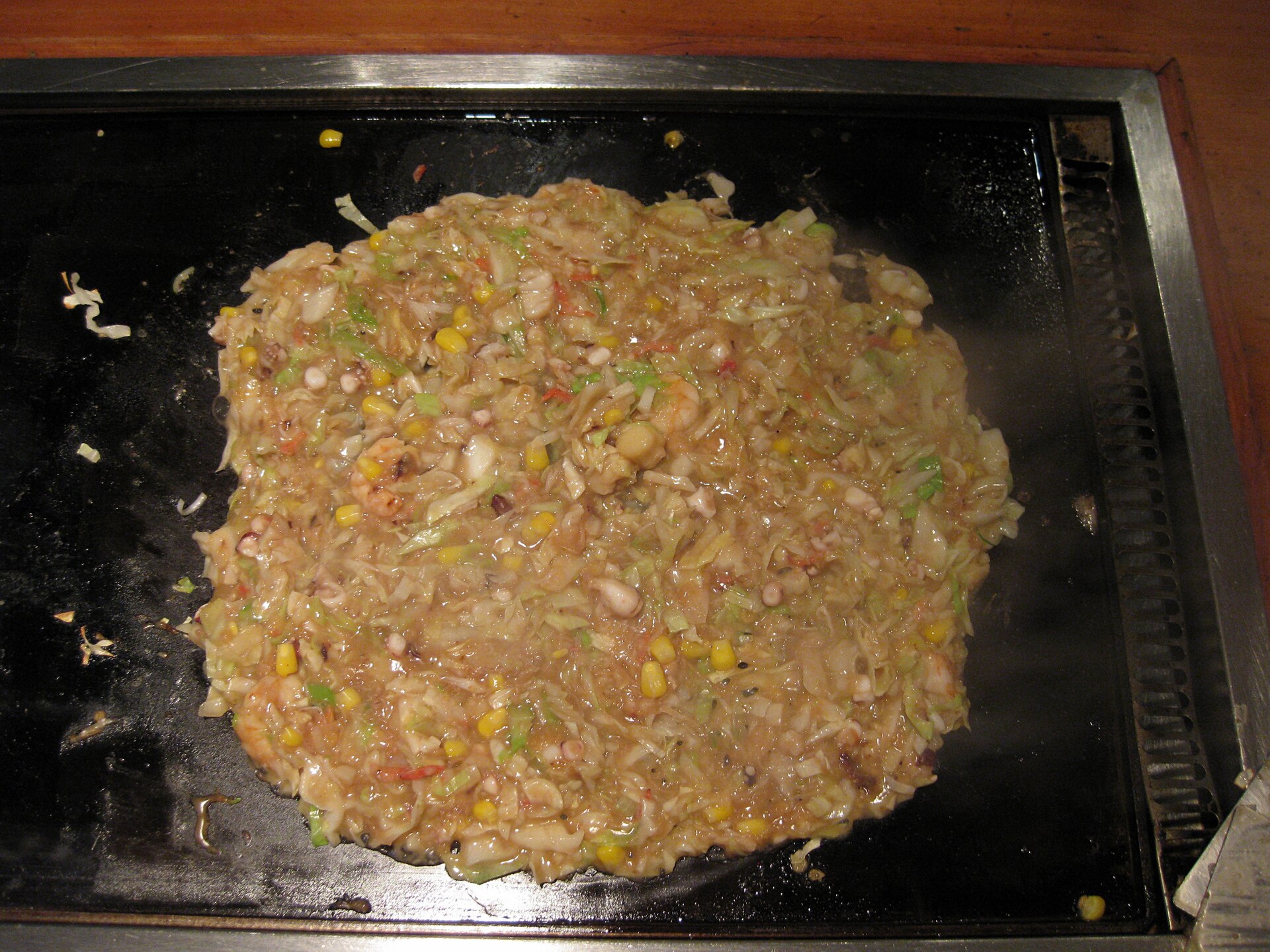
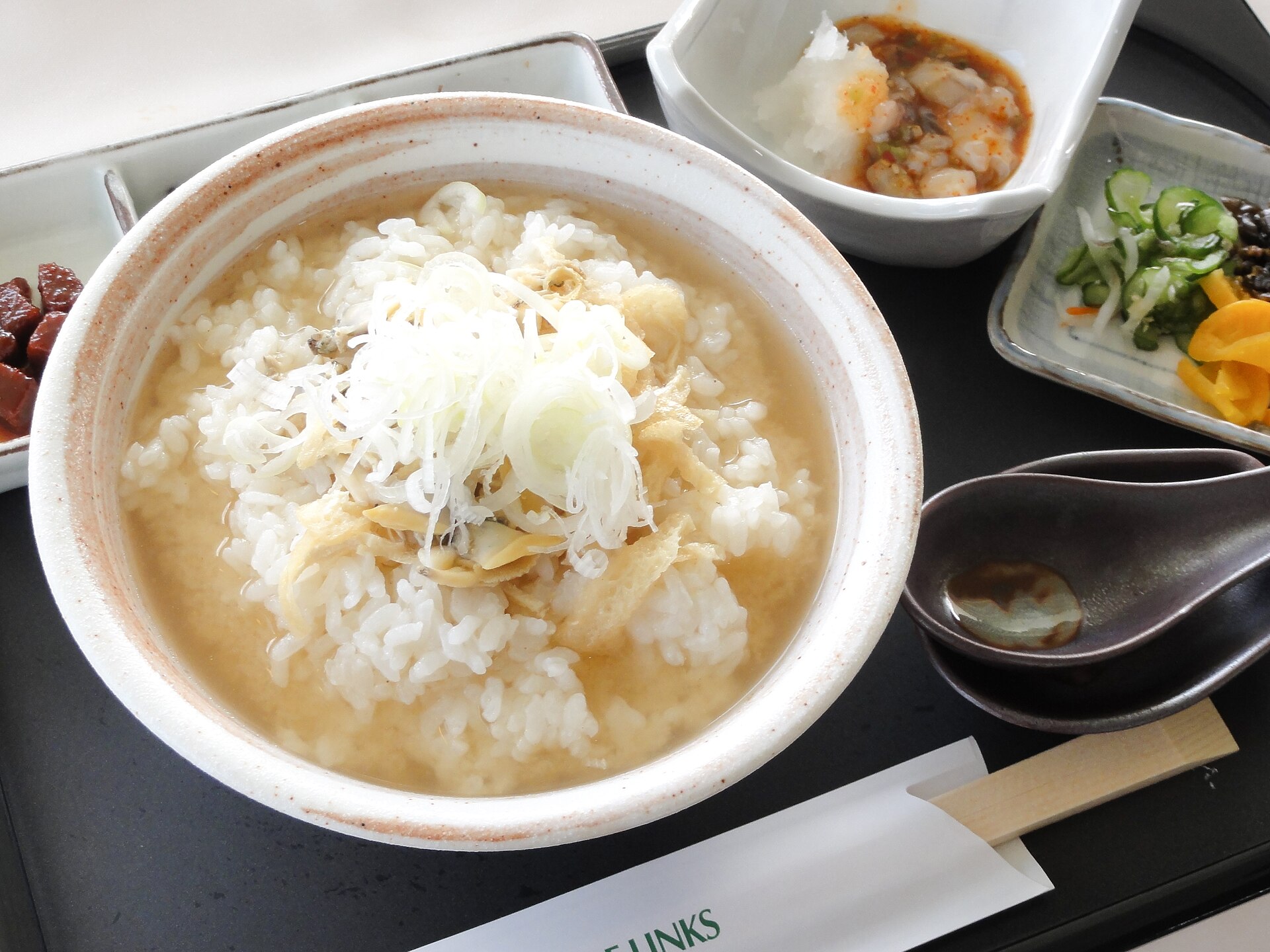
Monjayaki uses a thin, watery batter with shredded cabbage and other ingredients cooked on a hot griddle. It is softer and more fluid than okonomiyaki and is closely associated with Tsukishima. Fukagawa-meshi combines rice with Japanese littleneck clams, tofu and chopped leeks in a miso-based preparation connected with the old waterside district of Fukagawa. (Tokyo food guide, 2026-09-29)
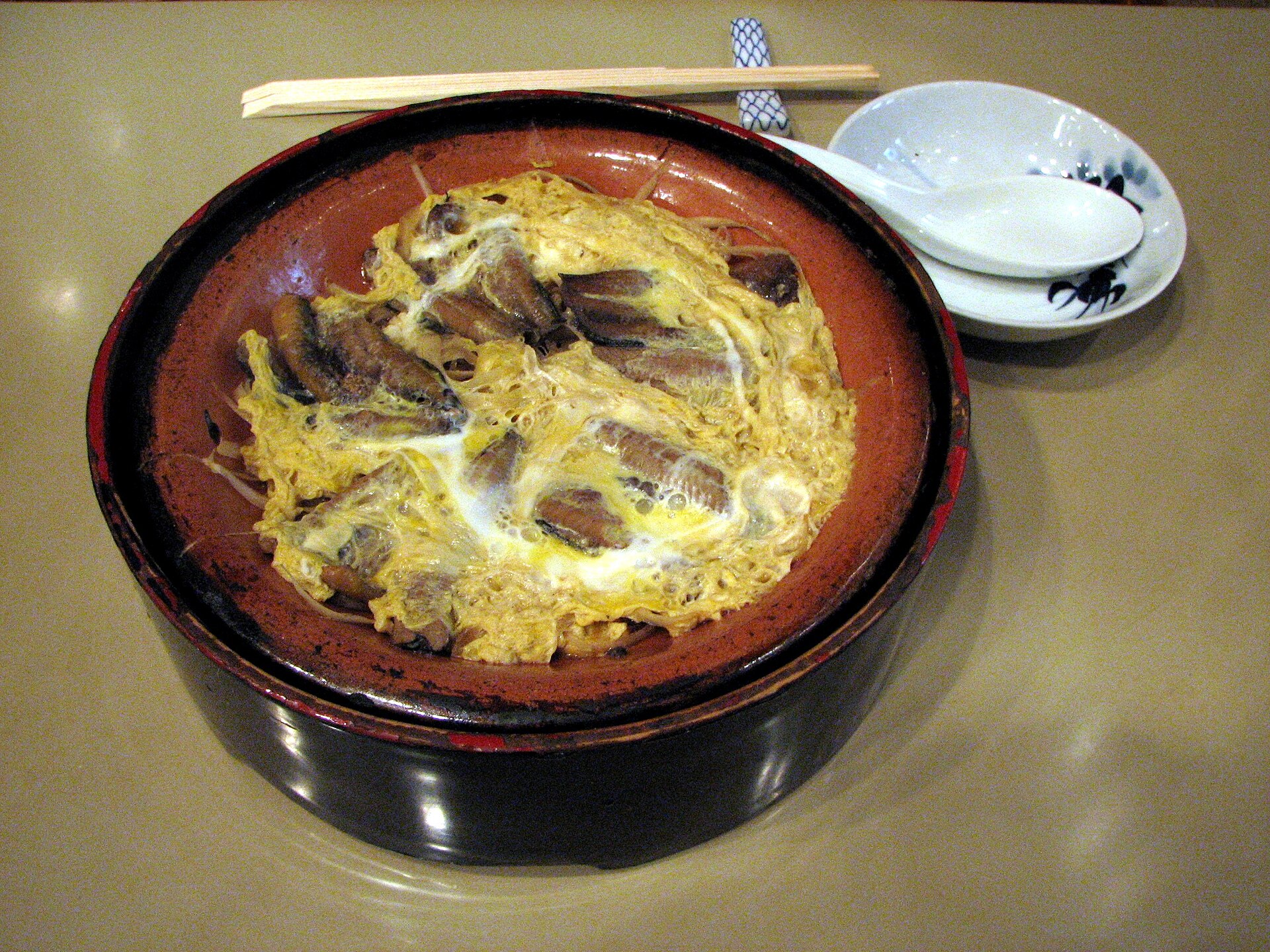
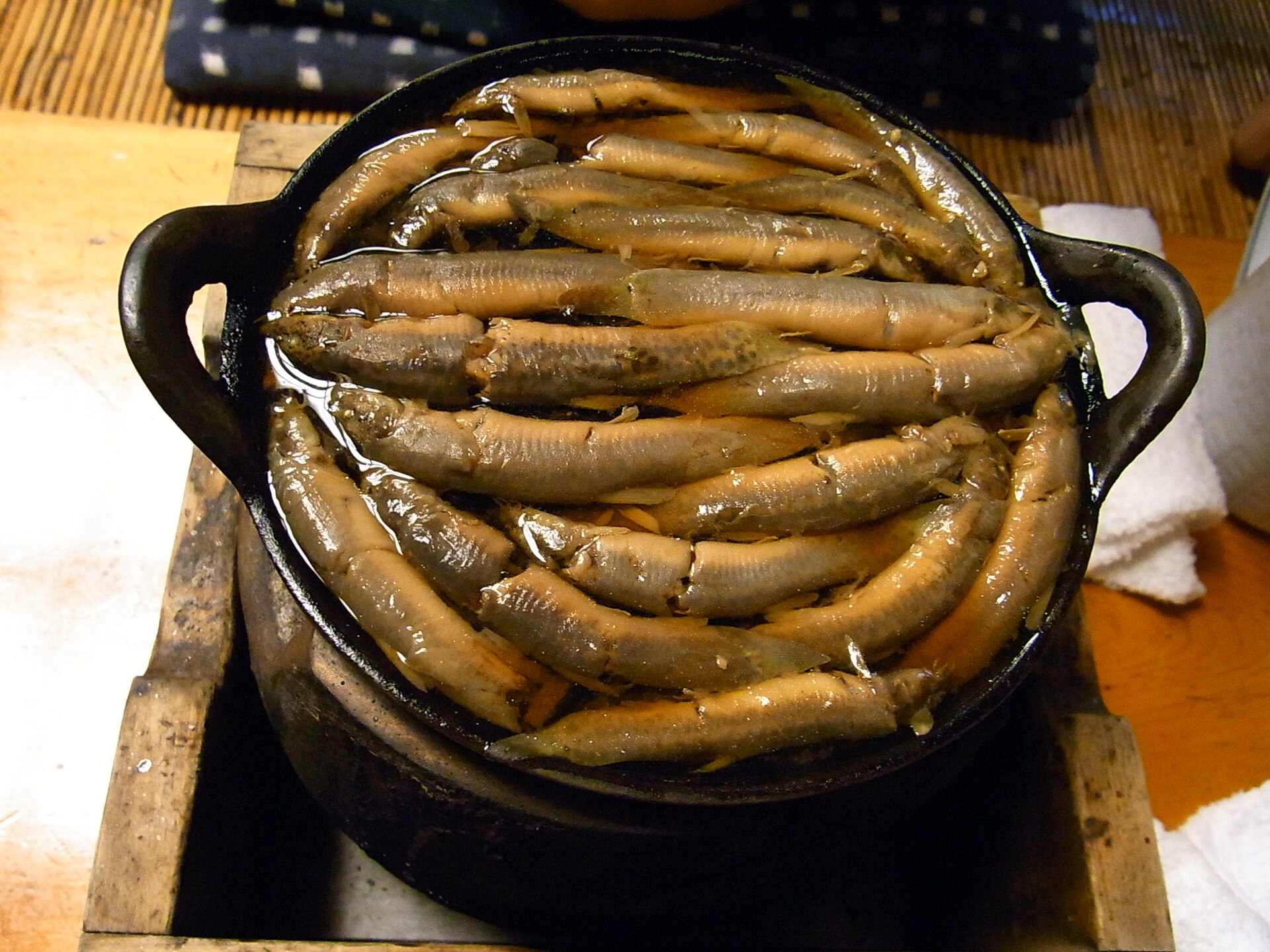
Dojo-nabe and Yanagawa-nabe are loach hot pots with strong links to older Tokyo cooking. Dojo-nabe uses loach in a soy-flavoured broth with chopped scallions. Yanagawa-nabe combines loach with burdock and egg. These dishes give you a Tokyo speciality beyond sushi, ramen or curry. (Tokyo food guide, 2026-09-29)
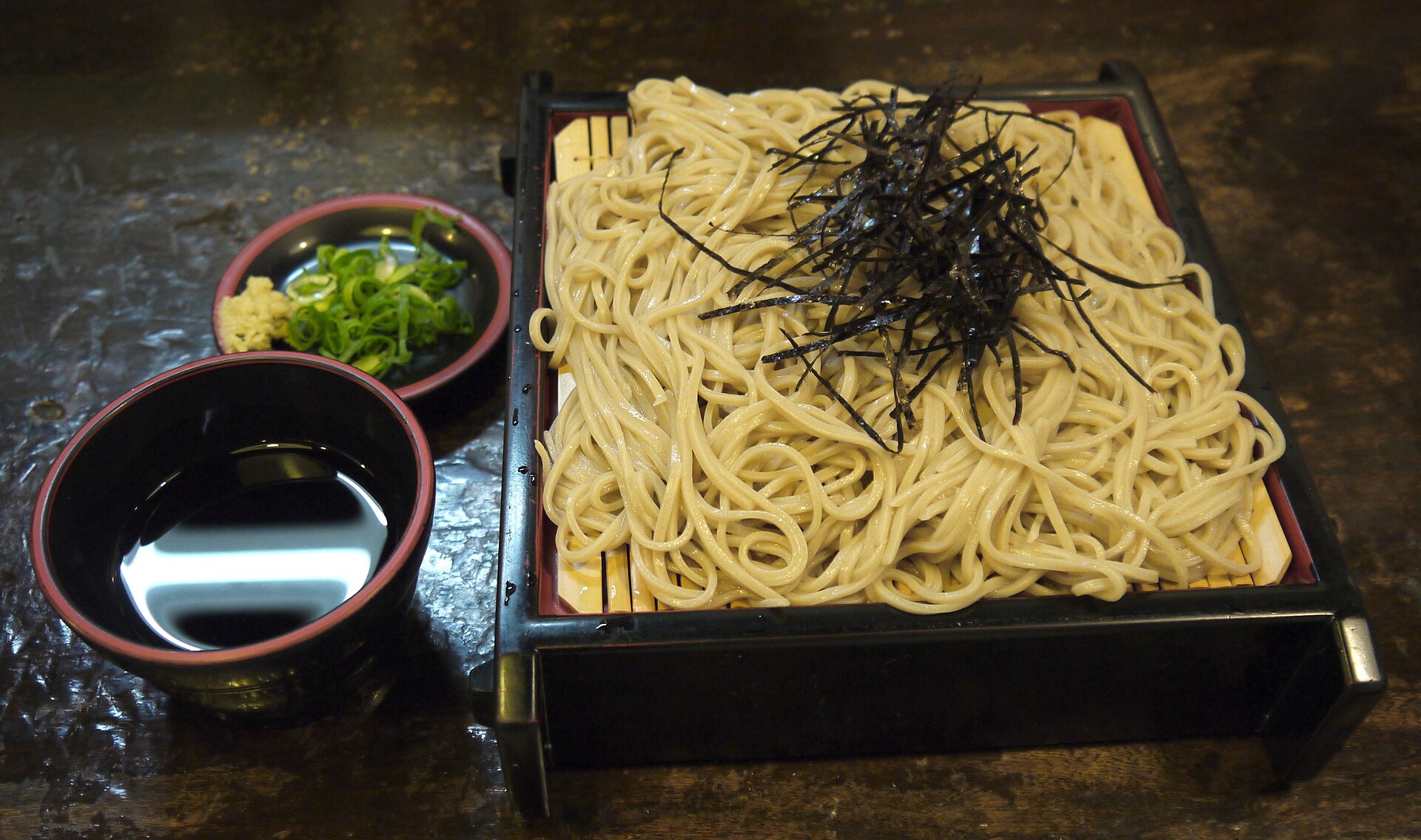
Soba became a popular fast food during the Edo period and remains a characteristic Tokyo noodle dish. Slurping soba is accepted because it helps release the aroma of buckwheat. Nigiri sushi developed in Edo during the nineteenth century, while tempura became another convenient urban food. Washoku also values seasonal ingredients, preparation, tableware and presentation, so a bowl of soba, a hot pot and a seasonal tempura meal can all express Tokyo’s food culture in different ways. (Tokyo food guide, 2026-09-29) (Washoku guide, 2026-09-29)
Checked 2026-09-29 · Official site · www.gotokyo.org
Checked 2026-09-29 · Official site · www.maff.go.jp
Match the dish to the neighbourhood
Restaurant
Source and date: Restaurant
Source and date: Tokyo restaurants presented in the official dining guidance include loach cuisine, soba, tempura and yoshoku venues.
Source and date: Choose a local speciality or an established everyday dish that fits the neighbourhood route.
Attach meals to the districts already on your sightseeing route. Asakusa suits Edo-style loach cuisine and tempura around Senso-ji, Kaminarimon and the older shopping streets. Kanda and Nihombashi suit soba and yoshoku during walks through central Tokyo’s historic commercial areas. Hibiya Park offers a different setting: a long-established Japanese-Western meal surrounded by greenery near Ginza and the Imperial Palace area. (Tokyo dining guide, 2026-09-29)
Use Tsukishima when monjayaki is the purpose of the outing, Fukagawa when you want to follow the story of clam rice, and Ryogoku when chanko-nabe connects with sumo culture. These are neighbourhood choices, not a ranking. Tokyo’s official tourism guidance presents food by district and style, helping you plan meals without unnecessary cross-city travel. (Tokyo food guide, 2026-09-29)
A useful food day can combine one local speciality with one established everyday dish. Plan an Asakusa walk around loach hot pot or tempura, choose soba for a focused lunch near Kanda, and reserve yoshoku for Nihombashi or Hibiya. Matsumotoro fits naturally into a route through Hibiya Park, Ginza and the Imperial Palace area. (Tokyo dining guide, 2026-09-29)
Check the operator’s current menu, service hours and reservation route before travelling for one dish. Smaller restaurants may require cash, some venues close on fixed weekdays, and seasonal dishes may change. The Tokyo tourism board recommends arriving early or travelling outside peak periods when a particular meal matters to your schedule. (Tokyo food guide, 2026-09-29)
Checked 2026-09-29 · Official site · www.gotokyo.org
Five verified places to eat
Dojō Iida-ya
RestaurantSource and date: Dozeu nabe, hone-nuki nabe, Yanagawa nabe, dozeu-jiru or dozeu nanban-zuke.
Kanda Yabusoba
RestaurantSource and date: Seiro soba, duck seiro soba, yamakake soba, tempura soba or soba sushi.
Sansada
RestaurantSource and date: Seasonal tempura platter, seasonal vegetable tempura platter, shrimp tendon, kakiage tendon or tempura soba.
Taimeiken
RestaurantSource and date: Curry, omurice or Western-style small plates.
Matsumotoro
RestaurantSource and date: Hayashi rice, Haikara beef curry, pork cutlet curry or vegetable curry.
Dojō Iida-ya at 3-3-2 Nishi-Asakusa is devoted to Edo-style loach cuisine. Choose dozeu nabe for the classic hot pot, or hone-nuki nabe when you prefer the fish prepared without bones. Yanagawa nabe, loach kabayaki, loach rice bowls, dozeu-jiru and dozeu nanban-zuke provide other ways to explore the speciality. Dozeu-jiru uses Edo-style sweet miso. The restaurant serves lunch and dinner with a midday break, closes on Wednesdays, accepts telephone reservations and does not accept QR payments. Its location works well after Senso-ji, Kaminarimon and the traditional shopping streets. (Dojō Iida-ya, 2026-09-29)
Kanda Yabusoba at 2-10 Kanda Awajicho is a focused soba stop between Kanda, Akihabara and the Imperial Palace area. The operator dates its history to 1880 (Meiji 13) and describes late-Edo roots; it serves seiro soba, duck seiro soba, yamakake soba, tempura soba, kamo nanban and seasonal noodles. Its menu also includes soba sushi, duck roast and seasonal appetisers. Order seiro soba to experience the restaurant’s dipping-sauce style, duck seiro soba for a richer meal, or tempura soba for noodles with a familiar topping. The restaurant serves until its evening last order and closes on Wednesdays. (Kanda Yabusoba history, 2026-09-29) (Kanda Yabusoba message, 2026-09-29)
Sansada at 1-2-2 Asakusa stands beside Kaminarimon and specialises in Edo-style tempura. Its operator traces the restaurant to 1837 and describes a Tokyo approach using sesame oil. Choose a seasonal tempura platter, seasonal vegetable tempura, shrimp tendon or kakiage tendon. Kinryu gozen combines cold soba with tempura, while tempura soba gives the meal a lighter noodle format. Ingredients change with the season. The operator publishes different service hours for weekdays, Fridays and Saturdays, Sundays and holidays. The English operator page states that seat reservations are only available at night, after 16:00. (seat reservations, 2026-09-29) The location suits a meal after Senso-ji or before continuing towards the Sumida River and Tokyo Skytree. (Sansada, 2026-09-29) (seat reservations, 2026-09-29)
Taimeiken at 1-8-6 Nihombashi Muromachi is the yoshoku choice in this guide. The operator dates the restaurant to 1931 and highlights curry and omurice among its enduring dishes. Order omurice for its Japanese-Western combination, or choose curry for a simpler comfort-food meal. The second floor offers Western-style small plates, while the first floor is more casual. The floors have separate menus, service periods and booking arrangements, so decide which experience you want before arriving. Nihombashi’s bridges, department stores and older commercial streets make Taimeiken easy to combine with a central Tokyo walking route. (Taimeiken, 2026-09-29)
Matsumotoro at 1-2 Hibiya Park brings Tokyo yoshoku and French cuisine into a park setting. The operator has served diners since 1903. The first floor contains a Western-style grill and garden terrace; the third floor is a separate French restaurant. For a daytime food stop, choose hayashi rice, Haikara beef curry, pork cutlet curry or vegetable curry on the first floor. The first-floor Grill & Garden Terrace serves from 11:00 to 21:00, with last order at 20:00; the third-floor restaurant has separate service hours. Sit on the terrace when the park atmosphere is part of the plan, then continue towards Ginza or the Imperial Palace area. The third-floor restaurant has different service periods, so check the intended floor and current menu before travelling. (Matsumotoro menu, 2026-09-29) (Matsumotoro FAQ, 2026-09-29)
Checked 2026-09-29 · Official site · dozeu-iidaya.com
Checked 2026-09-29 · Official site · www.yabusoba.net
Checked 2026-09-29 · Official site · www.tempura-sansada.co.jp
Checked 2026-09-29 · Official site · www.taimeiken.co.jp
Checked 2026-09-29 · Official site · matsumotoro.co.jp
Checked 2026-09-29 · Official site · www.yabusoba.net
Checked 2026-09-29 · Official site · www.tempura-sansada.co.jp
Checked 2026-09-29 · Official site · matsumotoro.co.jp
How to order and eat comfortably
- Slurping soba is accepted because it helps release the aroma of buckwheat.
Source and date: Slurping soba is accepted because it helps release the aroma of buckwheat.
https://www.gotokyo.org/en/see-and-do/drinking-and-dining/tokyo-local-food/index.html Checked 2026-09-29 Dated information; check the source before travelling - Do not rub disposable chopsticks together, as the official Tokyo food guide says this can insult the establishment.
Source and date: Do not rub disposable chopsticks together, as the official Tokyo food guide says this can insult the establishment.
https://www.gotokyo.org/en/see-and-do/drinking-and-dining/tokyo-local-food/index.html Checked 2026-09-29 Dated information; check the source before travelling - Japanese restaurants commonly expect each diner to order at least one dish.
Source and date: Japanese restaurants commonly expect each diner to order at least one dish.
https://www.gotokyo.org/en/plan/diverse-culinary-culture/index.html Checked 2026-09-29 Dated information; check the source before travelling - Tipping is not customary in Tokyo restaurants.
Source and date: Tipping is not customary in Tokyo restaurants.
https://www.gotokyo.org/en/plan/diverse-culinary-culture/index.html Checked 2026-09-29 Dated information; check the source before travelling - Remove your shoes when entering a tatami room and place them where staff request.
Source and date: Remove your shoes when entering a tatami room and place them where staff request.
https://www.gotokyo.org/en/plan/diverse-culinary-culture/index.html Checked 2026-09-29 Dated information; check the source before travelling
At a soba restaurant, slurping is accepted and Tokyo’s tourism board presents it as a way to appreciate buckwheat aroma. Do not rub disposable chopsticks together; the official Tokyo food guide says this can insult the establishment. (Tokyo food guide, 2026-09-29)
Japanese restaurants commonly expect each diner to order at least one dish. Bars and izakaya may add a seating charge and serve an otoshi, a small dish brought before the main order. Tipping is not customary in Tokyo restaurants. Ask whether payment is made at the table or at the register, and do not assume that a small venue accepts cards or QR payments. (Tokyo dining customs, 2026-09-29)
Remove your shoes when entering a tatami room and place them where staff request. Do not bring outside food or drinks into the restaurant. At a hot-pot restaurant, wait for cooking instructions; at a small soba counter, keep the order process simple. (Tokyo dining customs, 2026-09-29)
Reservations and queues are operator-specific. Dojō Iida-ya accepts telephone reservations but not QR payments. Sansada accepts seat reservations only at night, after 16:00. (Sansada reservations, 2026-09-29) Kanda Yabusoba publishes its own reservation information, while Taimeiken separates first- and second-floor arrangements. Check the linked operator page before fixing a meal time, especially on a Wednesday or during a group visit. (Dojō Iida-ya, 2026-09-29) (Sansada, 2026-09-29) (Kanda Yabusoba, 2026-09-29) (Taimeiken, 2026-09-29)
Checked 2026-09-29 · Official site · www.gotokyo.org
Checked 2026-09-29 · Official site · dozeu-iidaya.com
Checked 2026-09-29 · Official site · www.tempura-sansada.co.jp
Checked 2026-09-29 · Official site · www.yabusoba.net
Checked 2026-09-29 · Official site · www.taimeiken.co.jp
Checked 2026-09-29 · Official site · www.tempura-sansada.co.jp
Check ingredients before ordering
- Vegetarian
- Ask whether dashi contains bonito or other animal ingredients; a vegetable-looking dish may still use animal stock.
Source and date: Ask whether dashi contains bonito or other animal ingredients; a vegetable-looking dish may still use animal stock.
https://www.gotokyo.org/en/plan/diverse-culinary-culture/index.html Checked 2026-09-29 Dated information; check the source before travelling - Vegan
- Confirm dashi, gelatin and other animal-derived ingredients, as well as the full preparation method, with the restaurant.
Source and date: Confirm dashi, gelatin and other animal-derived ingredients, as well as the full preparation method, with the restaurant.
https://www.gotokyo.org/en/plan/diverse-culinary-culture/index.html Checked 2026-09-29 Dated information; check the source before travelling - Halal
- Ask the restaurant about meat sourcing and seasonings; the tourism guidance notes that mirin and other seasonings can involve alcohol.
Source and date: Ask the restaurant about meat sourcing and seasonings; the tourism guidance notes that mirin and other seasonings can involve alcohol.
https://www.gotokyo.org/en/plan/diverse-culinary-culture/index.html Checked 2026-09-29 Dated information; check the source before travelling - Gluten-free
- Check sauces, soy sauce and preparation with the restaurant; venue-specific options do not establish a citywide gluten-free guarantee.
Source and date: Check sauces, soy sauce and preparation with the restaurant; venue-specific options do not establish a citywide gluten-free guarantee.
https://www.gotokyo.org/en/plan/diverse-culinary-culture/index.html Checked 2026-09-29 Dated information; check the source before travelling
Vegetarian, vegan, Muslim and gluten-free diners can find suitable food in Tokyo, but a dish name does not confirm its ingredients. Tokyo’s official dietary guidance recommends research and planning. Vegetable-looking dishes may still contain bonito dashi, meat extracts, gelatin or animal-derived seasonings. Soy sauce, miso, mirin and sushi vinegar also require checking when alcohol or alcohol-derived ingredients matter. (Tokyo dining customs, 2026-09-29)
Ask directly about broth, sauces, toppings, frying oil and shared equipment when the requirement is medical, religious or strict. Soba is made from buckwheat, an allergy item, while tempura normally uses wheat flour. Tokyo’s official guidance notes that some restaurants can prepare special dietary meals, but this is a venue-specific arrangement rather than a citywide guarantee. (Tokyo dining customs, 2026-09-29)
The five verified venues should be checked individually. Dojō Iida-ya’s core cuisine is loach. Kanda Yabusoba’s menu identifies kombu and bonito stock in its dipping sauce. Sansada specialises in tempura. Taimeiken and Matsumotoro focus on curry, omurice, hayashi rice and other yoshoku dishes. None should be labelled vegetarian, vegan, halal or allergen-safe from the cuisine category alone. (Dojō Iida-ya, 2026-09-29) (Kanda Yabusoba, 2026-09-29) (Sansada, 2026-09-29) (Taimeiken, 2026-09-29) (Matsumotoro, 2026-09-29)
Use the current official menu and contact route, explain the restriction clearly, and choose another meal if staff cannot confirm the ingredients. Tokyo’s official tourism site publishes dietary guidance and multilingual food resources, which are more useful for a strict itinerary than assuming a familiar-looking Japanese dish is safe. (Tokyo dining customs, 2026-09-29)
Checked 2026-09-29 · Official site · www.gotokyo.org
Checked 2026-09-29 · Official site · dozeu-iidaya.com
Checked 2026-09-29 · Official site · www.yabusoba.net
Checked 2026-09-29 · Official site · www.tempura-sansada.co.jp
Checked 2026-09-29 · Official site · www.taimeiken.co.jp
Checked 2026-09-29 · Official site · matsumotoro.co.jp
What not to expect from a Tokyo food day
- Do not assume that every restaurant serves every famous dish.
Source and date: Do not assume that every restaurant serves every famous dish.
https://www.gotokyo.org/en/see-and-do/drinking-and-dining/tokyo-local-food/index.html Checked 2026-09-29 Dated information; check the source before travelling - Do not bring outside food or drinks into the restaurant.
Source and date: Do not bring outside food or drinks into the restaurant.
https://www.gotokyo.org/en/plan/diverse-culinary-culture/index.html Checked 2026-09-29 Dated information; check the source before travelling - Do not assume that a seasonal platter is fixed or that a venue accepts every payment method.
Source and date: Do not assume that a seasonal platter is fixed or that a venue accepts every payment method.
https://www.gotokyo.org/en/see-and-do/drinking-and-dining/index.html Checked 2026-09-29 Dated information; check the source before travelling - Do not rub disposable chopsticks together.
Source and date: Do not rub disposable chopsticks together.
https://www.gotokyo.org/en/see-and-do/drinking-and-dining/tokyo-local-food/index.html Checked 2026-09-29 Dated information; check the source before travelling
Do not treat sushi, ramen or curry as the whole Tokyo food story. They are important and widely available, but Tokyo also has local dishes that are harder to find elsewhere, including monjayaki, Fukagawa-meshi, dojo-nabe, Yanagawa-nabe and chanko-nabe. Add one of these categories when the purpose of the trip is to understand Tokyo’s local food culture rather than simply eat familiar Japanese dishes. (Tokyo food guide, 2026-09-29)
Do not assume that every restaurant serves every famous dish. Seasonal tempura changes, service hours differ by floor and weekday, and a venue may close on a day that fits your sightseeing route. Kanda Yabusoba and Dojō Iida-ya close on Wednesdays. Sansada publishes separate schedules for different days, and Matsumotoro separates its first- and third-floor restaurants. Check the operator page before leaving. (Kanda Yabusoba, 2026-09-29) (Dojō Iida-ya, 2026-09-29) (Sansada, 2026-09-29) (Matsumotoro, 2026-09-29)
Avoid turning a practical description into a promise about availability, price or dietary safety. A menu can change. Do not assume that a seasonal platter is fixed, copy a dish from another restaurant, or rely on a translation when an ingredient matters. (Tokyo dining guide, 2026-09-29)
Skip habits that create avoidable friction: rubbing chopsticks together, bringing outside food into the restaurant, tipping automatically, ignoring a tatami shoe-removal request, or delaying a small soba counter while deciding. Tokyo’s food culture is varied, but attention to the venue’s own rules makes the meal easier for everyone. (Tokyo dining customs, 2026-09-29)
Checked 2026-09-29 · Official site · www.gotokyo.org
Checked 2026-09-29 · Official site · dozeu-iidaya.com
Checked 2026-09-29 · Official site · www.yabusoba.net
Checked 2026-09-29 · Official site · www.tempura-sansada.co.jp
Checked 2026-09-29 · Official site · matsumotoro.co.jp
Common questions
What local Tokyo dish should I try first?
Choose monjayaki, Fukagawa-meshi, dojo-nabe or Yanagawa-nabe for dishes closely associated with Tokyo’s local food traditions. Soba and tempura also suit an introduction to older Tokyo dining culture.
Where can I eat Edo-style loach cuisine?
Dojō Iida-ya in Nishi-Asakusa serves dozeu nabe, hone-nuki nabe, Yanagawa nabe, dozeu-jiru and other loach dishes. It closes on Wednesdays and accepts telephone reservations.
Where can I eat traditional soba in central Tokyo?
Kanda Yabusoba in Awajicho serves seiro soba, duck seiro soba, yamakake soba, tempura soba and seasonal dishes. The restaurant closes on Wednesdays.
Is tipping expected in Tokyo restaurants?
No. Tipping is not customary in Tokyo restaurants. Check whether the bill is paid at the table or at the register.
Can I eat safely in Tokyo with dietary restrictions?
Tokyo has places that offer options, but no dish or venue is safe by category alone. Confirm ingredients and preparation directly with the restaurant; dashi, sauces and seasonings may contain ingredients that matter to your needs.
Where can I try Tokyo-style tempura?
Sansada in Asakusa serves seasonal tempura, seasonal vegetable tempura, shrimp tendon, kakiage tendon and tempura soba. Its operator describes a sesame-oil approach to Tokyo-style tempura.
Is slurping soba considered rude?
No. Tokyo’s official tourism guidance says slurping soba is accepted because it helps diners appreciate the aroma of buckwheat noodles.