Osaka Castle
大阪城
Osaka Castle is a historic fortress in Chūō-ku, Osaka, Japan. The present structure is a concrete reconstruction dating from 1931, with extensive modern renovations.
- Must see
- Historic site
City guide · Japan
Osaka is a large but legible city whose visitor areas follow several rail hubs. Kita centres on Osaka and Umeda stations, Minami gathers around Namba, Shinsaiba...
Photograph · Martin Falbisoner · CC BY-SA 4.0
Set your days, your pace and the hours you actually want to be out. The planner works around closing days and travel time, and leaves room to eat.
Editorial responsibility: Elena Voss · Roavina Travel Editor
Osaka is a large but legible city whose visitor areas follow several rail hubs. Kita centres on Osaka and Umeda stations, Minami gathers around Namba, Shinsaibashi and Dotonbori, and Tennoji anchors the southern core. Osaka Castle lies east of the centre, while the bay area contains major family attractions. Plan each area as a separate walking cluster connected by rail.
Checked 2026-08-26
November · November cools to 17.8°C by day at Osaka station 47772 and rainfall falls to 72.5 mm.
Ranked by importance — sitelinks, pageviews and heritage status, not editor preference.
104 places match
Category
Typical visit duration
Good for
Interests
大阪城
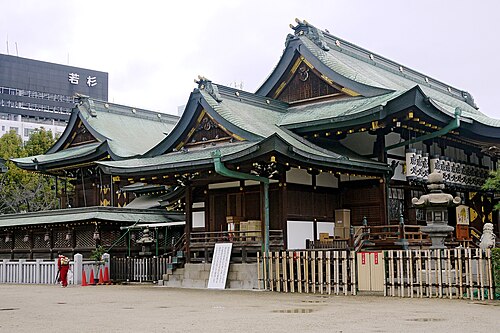
Osaka Castle is a historic fortress in Chūō-ku, Osaka, Japan. The present structure is a concrete reconstruction dating from 1931, with extensive modern renovations.
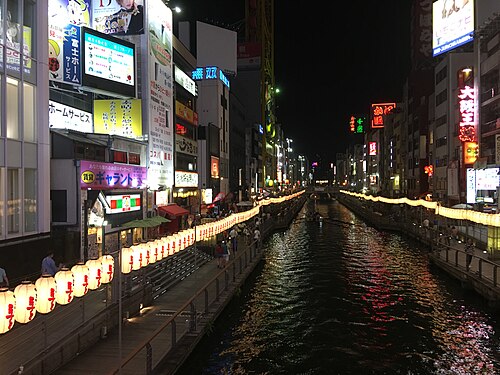
Dotonbori is a principal entertainment and dining district in Osaka's Chuo Ward, centred on a canal of the same name. The area traces its origins to the early 17th century when merchant Yasui Doton initiated canal construction.
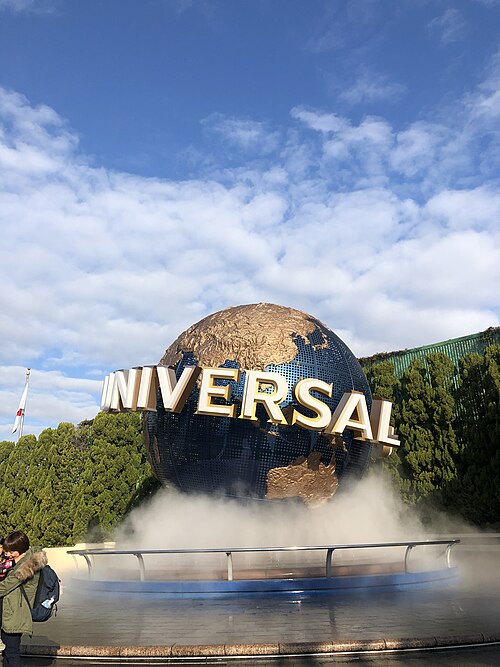
ユニバーサル・スタジオ・ジャパン
Universal Studios Japan is a film-themed amusement park on the north side of Osaka Bay, in Konohana ward, about fifteen minutes by train from central Osaka.
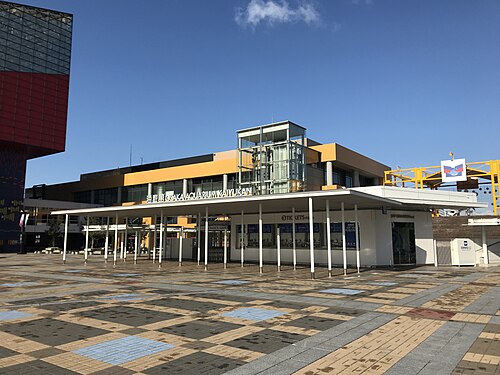
海遊館
Kaiyukan stands on the Tempozan waterfront in Minato-ku, on the north shore of Osaka Bay, and it is built around one idea rather than a collection of tanks.
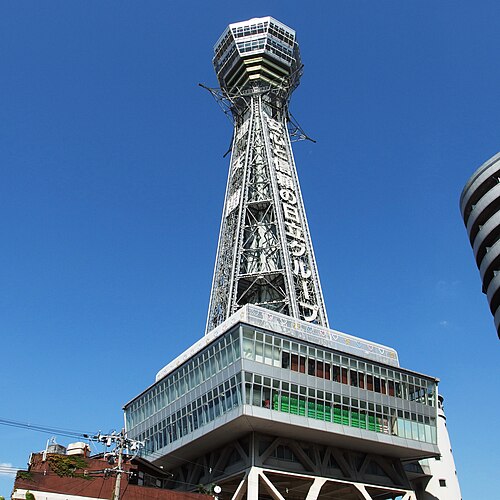
通天閣
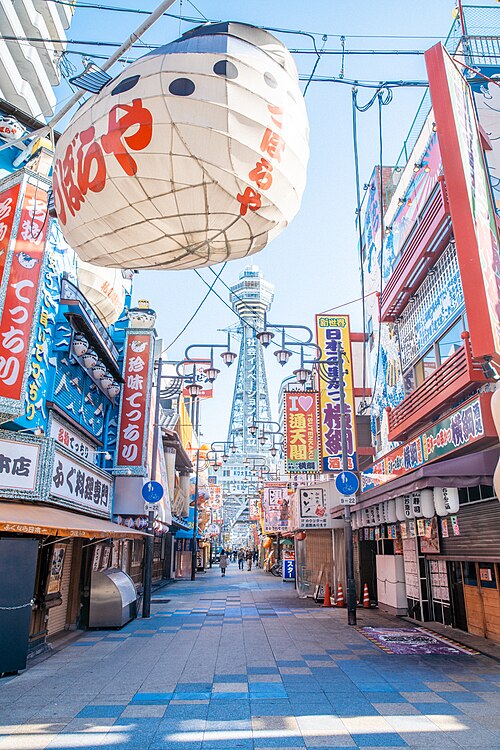
Tsutenkaku is an observation tower in Shinsekai, in Osaka's Naniwa ward, and it is the second tower to stand on the spot.
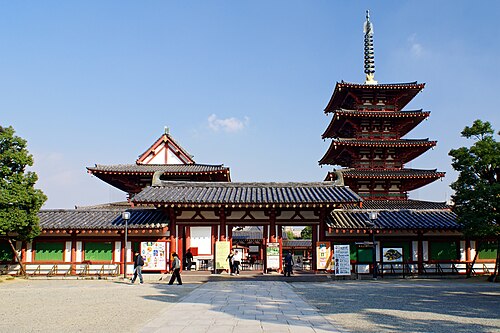
四天王寺
Shitennoji is a working temple in Tennoji ward, in the middle of southern Osaka, and it dates its own founding to 593.
住吉大社
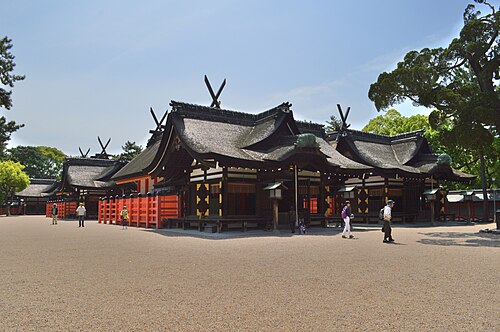
Sumiyoshi Taisha is a major Shinto shrine in Osaka, known in Japanese as 住吉大社. It is one of Japan's oldest shrines and serves as the head shrine of approximately 2,300 Sumiyoshi shrines nationwide.
ハルカス300
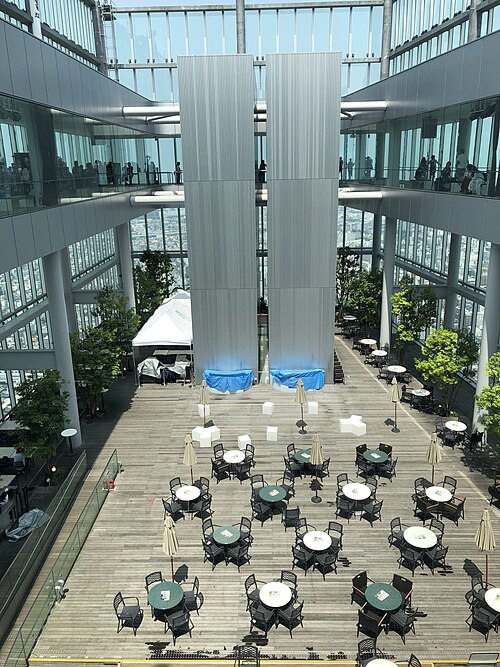
Harukas 300 is an observation deck located at the summit of Abeno Harukas, a prominent skyscraper in Osaka. The facility occupies the building's top three floors, offering visitors elevated views across the Kansai region.
大阪城公園
Osaka Castle Park is a public urban park and historic site at Osaka-jo in Chuo-ku, south of the Okawa (Kyu-Yodo River), and the second-largest park in the city.
新世界
Shinsekai is a small neighbourhood in Naniwa ward, pressed between Tennoji Park on its east side and Nishinari on its south, and it is one of the few parts of Osaka people travel to for the street itself rather than…
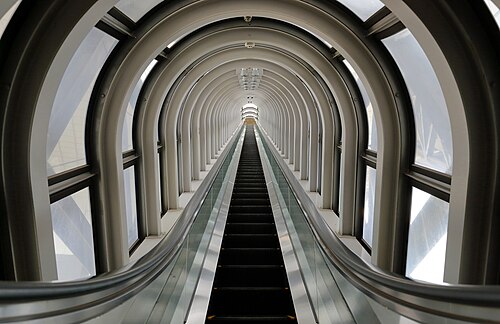
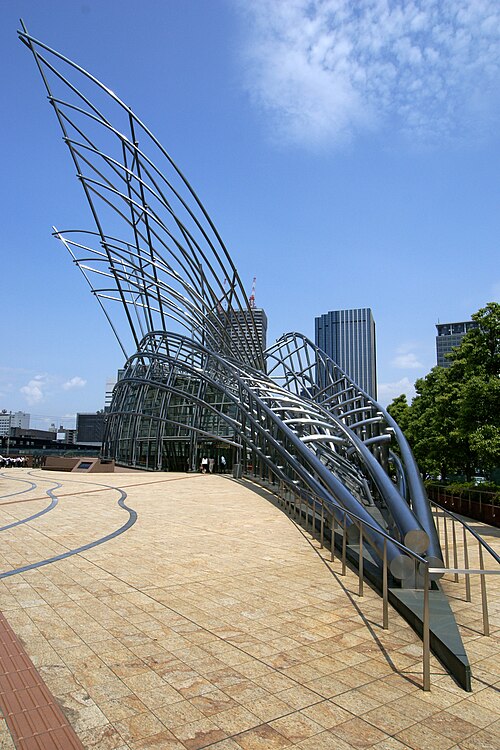
The Umeda Sky Building is a distinctive high-rise structure in Osaka's Kita district, completed in 1993.
法善寺
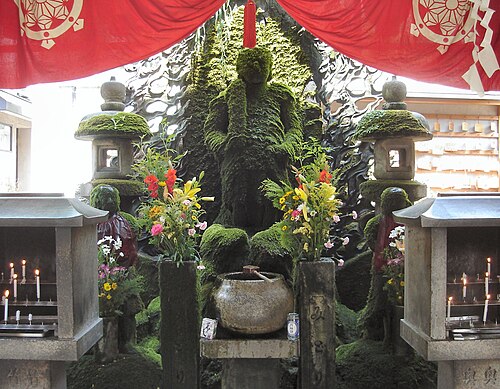
Hozenji Temple is a compact Buddhist temple located in Osaka's Namba district, immediately adjacent to the famous Dotonbori entertainment area. The temple is best known for its moss-covered statue of Fudō Myōō, a wrathful deity in Japanese Buddhism.
黒門市場
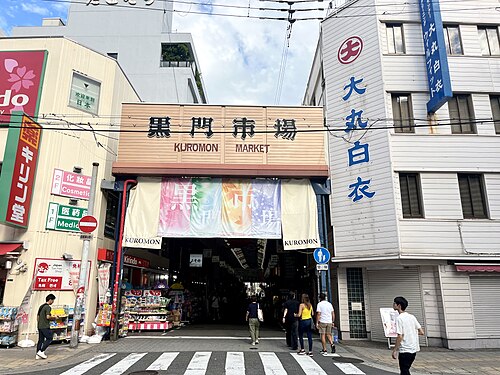
Kuromon Ichiba is a covered shopping street in Nipponbashi, Chuo-ku, in the Minami half of central Osaka. Its own market office gives the address as 2-4-1 Nipponbashi and describes a roofed market stretching about 580 metres with roughly 150 shops.
大阪歴史博物館
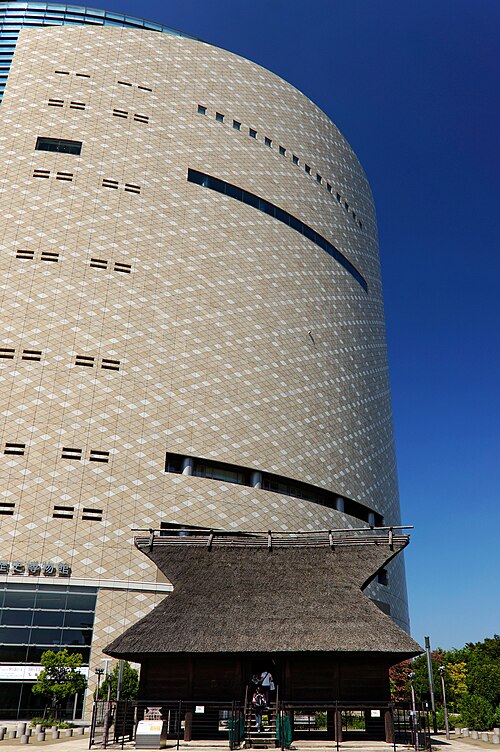
The Osaka Museum of History is the city's history museum, at 4-1-32 Otemae in Chuo-ku, immediately south-west of Osaka Castle Park.
天王寺公園
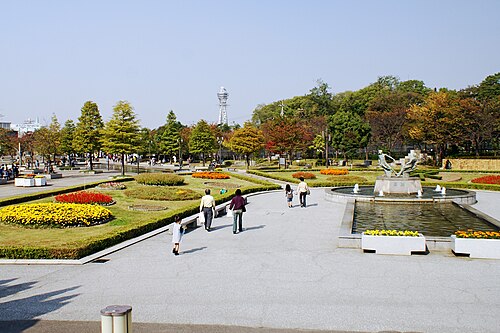
Tennōji Park is a public park in Osaka, Japan, bearing the local name 天王寺公園. It occupies a position within the urban fabric of the city, situated in proximity to Tennōji Station and the broader Tennōji area.
大阪天満宮
Osaka Tenmangu Shrine is a Shinto shrine in Osaka, Japan. It ranks among the city's principal historic shrines and serves as the focus of the Tenjin Matsuri, one of Japan's major summer festivals.
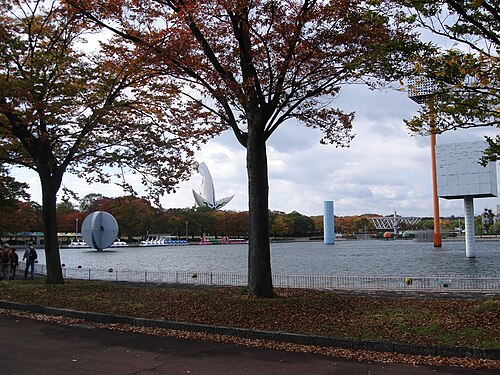
Expo '70 Commemorative Park is a large public park in Osaka that preserves the site of the 1970 World Exposition.
国立国際美術館
The National Museum of Art, Osaka is a modern art museum located on Nakanoshima, an island in central Osaka. The museum is a national institution housing a government collection.
大阪中之島美術館
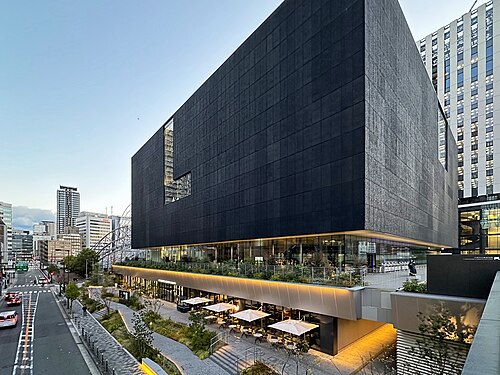
Nakanoshima Museum of Art, Osaka is a modern and contemporary art museum located on Nakanoshima, a central sandbank between the Dojima and Tosabori rivers. It occupies a purpose-built architectural space designed to showcase modern and contemporary art.
大阪市立東洋陶磁美術館
The Museum of Oriental Ceramics, Osaka is a museum of East Asian ceramics on Nakanoshima, set in the greenery of Nakanoshima Park.
大阪市立美術館
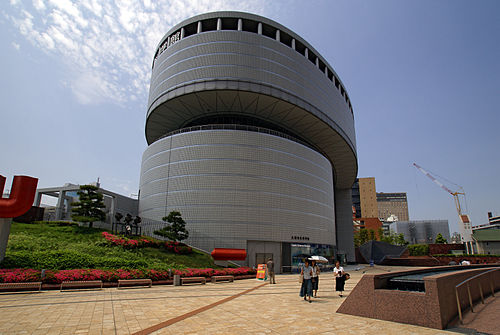
大阪市立科学館
The Osaka Science Museum is a hands-on science museum and planetarium located in Osaka, Japan. It is separately ticketed from other attractions. The museum focuses on interactive exhibits designed to engage visitors directly with scientific concepts.
大阪市立自然史博物館
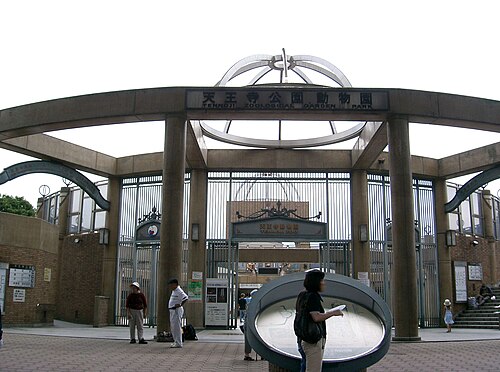
天王寺動物園
Tennoji Zoo is a zoological garden located in Osaka, Japan. Established in 1915, it is one of the oldest zoos in the country. The zoo occupies a position within Tennoji Park in the southern part of Osaka city.
Kita is the northern commercial and transport centre around Umeda. Minami is the southern entertainment and shopping centre around Namba and Shinsaibashi, with Dotonbori between them. Tennoji and Shinsekai extend the sightseeing axis farther south. Osaka Castle forms its own eastern cluster, and the waterfront attractions sit west around the bay. The Osaka Loop Line and subway connect these distinct zones.
Checked 2026-08-26
Use Osaka Metro for travel between Kita, Minami and the central sightseeing districts, then walk within each cluster. The Osaka Loop Line connects major rail interchanges and provides transfers to private and regional railways. Buses cover gaps in the rail network, while water buses offer selected river journeys. Check the official route information for the destination rather than assuming every attraction is on one line.
Checked 2026-08-26
Suggested stay for a first visit: 3–4 days. Allocate time by cluster: Kita, Minami, Osaka Castle, Tennoji and the bay area each work best as distinct blocks.
Kita is the northern centre around Osaka and Umeda stations. Minami is the southern centre around Namba, Shinsaibashi and Dotonbori, with a stronger concentration of nightlife and shopping.
Use the subway for most visitor journeys and walk within each district. The Osaka Loop Line is useful for transfers between major rail hubs and onward regional services.
No. Osaka Castle forms an eastern sightseeing cluster, while Dotonbori is in Minami. Treat them as separate stops linked by metro rather than one continuous walk.
Yes. The bay attractions sit west of the central districts and are best grouped together, reducing repeated transfers between the waterfront and the Kita-Minami axis.