
2 min walk
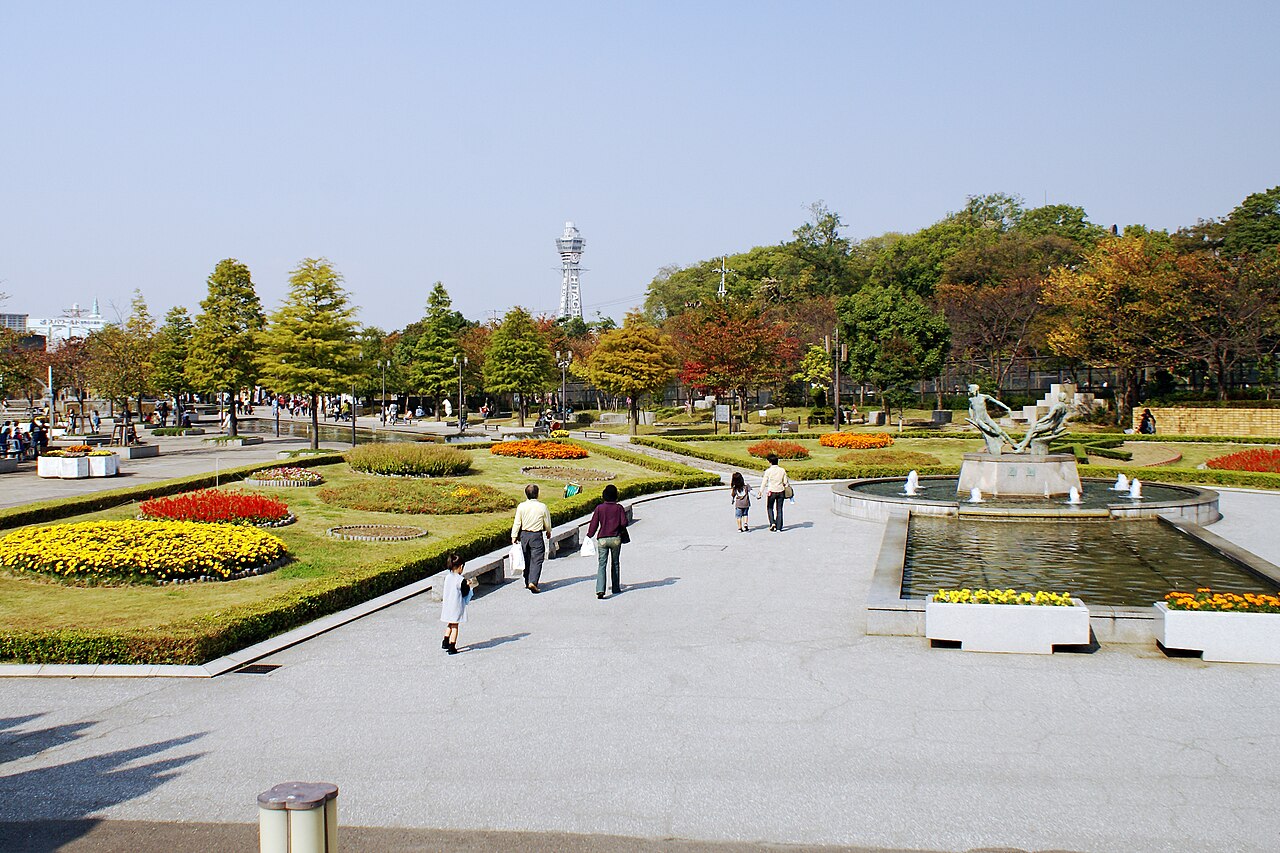
Tennōji Park
- Must see
- Nature site
Language · 11 published
Family attraction · Osaka
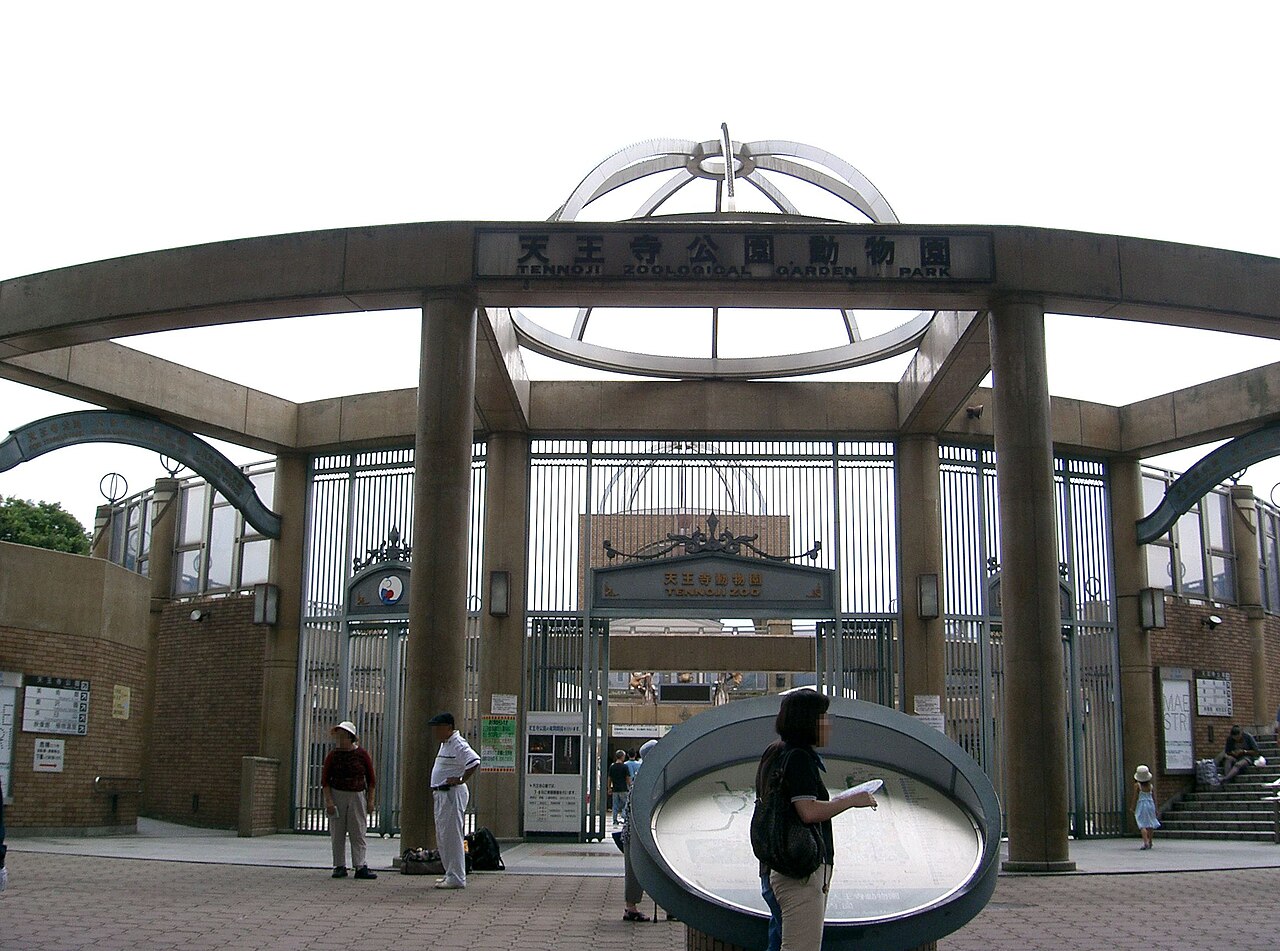
天王寺動物園
Reviewed by Elena Voss · Roavina Travel Editor
| Monday | Closed |
|---|---|
| Tuesday | 09:30 – 17:00 |
| Wednesday | 09:30 – 17:00 |
| Thursday | 09:30 – 17:00 |
| Friday | 09:30 – 17:00 |
| Saturday | 09:30 – 17:00 |
| Sunday | 09:30 – 17:00 |
Checked 2026-08-31 · Source
Read from the OpenStreetMap access tags; anything not listed has no tag recorded.
Set the group type to family in the planner and the day window contracts to about three quarters of a solo day.
It was established in 1915.
Tennoji Zoo is a zoological garden located in Osaka, Japan. Established in 1915, it is one of the oldest zoos in the country. The zoo occupies a position within Tennoji Park in the southern part of Osaka city. It operates as a municipal facility under city management. The institution houses a diverse collection of animal species from various regions worldwide. Its long history contributes to its recognition as a significant cultural and educational institution in the Kansai region. The zoo serves both conservation and public education purposes.
Checked 2026-08-31 · Source
The zoo contains numerous animal exhibits organized across different zones. Visitors can observe species including lions, tigers, elephants, and various primates. The facility features a reptile house and areas for native Japanese wildlife. An aviary section houses multiple bird species. The polar bear enclosure represents one of the notable attractions. The zoo layout incorporates open spaces and landscaped gardens between exhibit areas. Some sections attempt to recreate natural habitats for resident animals. The total collection spans hundreds of individual animals across dozens of species classifications.
Checked 2026-08-31 · Source
A complete visit to Tennoji Zoo typically requires several hours of dedicated time. Visitors with strong interest in particular species or animal behavior observation may extend their stay considerably. Families with young children often pace their visit more slowly, incorporating rest periods between exhibit areas. The physical layout demands considerable walking across the park grounds. Photography enthusiasts and those reading informational displays add additional time. Most visitors should allocate a half-day period to experience the majority of exhibits without excessive rushing. Revisiting preferred sections extends duration accordingly.
Checked 2026-08-31 · Source
Open Tuesday-Sunday 09:30-17:00, last admission 16:00; closed Monday and year-end/New Year. Events, ceremonies, maintenance and security measures can alter ordinary access. Seasonal considerations affect zoo visits significantly. Spring and autumn offer moderate temperatures favorable for both visitor comfort and animal activity levels. Summer months bring heat and humidity that may reduce animal visibility and visitor stamina. Winter visits encounter cooler conditions with some animals less active or housed indoors. Weekends and Japanese public holidays experience substantially elevated crowd levels. Weekday mornings generally provide calmer conditions.
Checked 2026-08-31 · Source
Adult admission is JPY 500; junior-high students and younger enter free. Premium experiences and event products cost separately. Tennoji Zoo operates as a paid admission facility. Ticket categories typically distinguish adult, child, and senior visitor classifications consistent with Japanese municipal attraction conventions. Group rates may apply for organized educational visits. Some combined ticketing arrangements with adjacent park facilities or regional tourism passes potentially exist. Open Tuesday-Sunday 09:30-17:00, last admission 16:00; closed Monday and year-end/New Year. Budget-conscious travelers should prepare appropriate payment methods, as cashless acceptance varies across municipal facilities in Japan. Tennōji Zoo also earns time in a osaka itinerary because A primary visitor landmark supported by the three required source families and matched exactly to the production city pool.
Checked 2026-08-31 · Source
Osaka Metro Dobutsuen-mae or JR Tennoji and Shin-Imamiya stations. This is the named public-transport approach for an independent visit. The zoo occupies a position accessible via multiple public transportation options serving the Tennoji district. Tennoji Station functions as a major railway hub connecting JR lines, Osaka Metro subway services, and private railway operators. The station complex provides extensive connectivity throughout Osaka and broader Kansai region. From station exits, the zoo entrance lies within reasonable walking distance through Tennoji Park. Signage in Japanese and English assists navigation. Taxi and bus services serve the surrounding area. Visitors with mobility considerations should research specific route accessibility before departure.
Checked 2026-08-31 · Source
Step-free entrances or public approaches, lifts where required, and accessible toilets serve principal visitor areas. The access description applies to principal visitor areas rather than every historic or operational space. Visitor conduct regulations prohibit feeding animals, crossing barriers, and disruptive behavior. Photography restrictions may apply in specific exhibit areas. Summer heat necessitates hydration and sun protection. The extensive walking surface involves uneven terrain and potential slip hazards in wet conditions. Crowded conditions require awareness of personal belongings. Some animal enclosures employ glass or mesh barriers that affect viewing clarity. Children require close supervision near water features and elevated platforms. Emergency procedures follow standard Japanese facility protocols. First aid services should be available through park administration offices.
Checked 2026-08-31 · Source
Photography for personal use is generally permitted throughout Tennoji Zoo grounds. Glass enclosures create reflection challenges requiring careful positioning. Mesh barriers obstruct clear shots of certain animals. Flash photography is typically prohibited as it disturbs animals. Tripod and professional equipment usage may require advance permission from facility administration. Early morning and late afternoon provide optimal natural lighting conditions. Indoor exhibits present low-light technical difficulties. Respect for other visitors' viewing opportunities should guide photography positioning and duration. Commercial or publication usage demands formal authorization from municipal authorities.
Checked 2026-08-31 · Source
Open Tuesday-Sunday 09:30-17:00, last admission 16:00; closed Monday and year-end/New Year.
Adult admission is JPY 500; junior-high students and younger enter free.
Step-free entrances or public approaches, lifts where required, and accessible toilets serve principal visitor areas.
Osaka Metro Dobutsuen-mae or JR Tennoji and Shin-Imamiya stations.
Yes. Events, maintenance, weather and ceremonies can change ordinary access.
No. Special tours, exhibitions and upgrades use separate tickets.
Loading the interactive map…
The interactive map could not be loaded.
Last updated:
Source: OpenStreetMap contributors, Wikidata ·