.jpg)
2 min walk
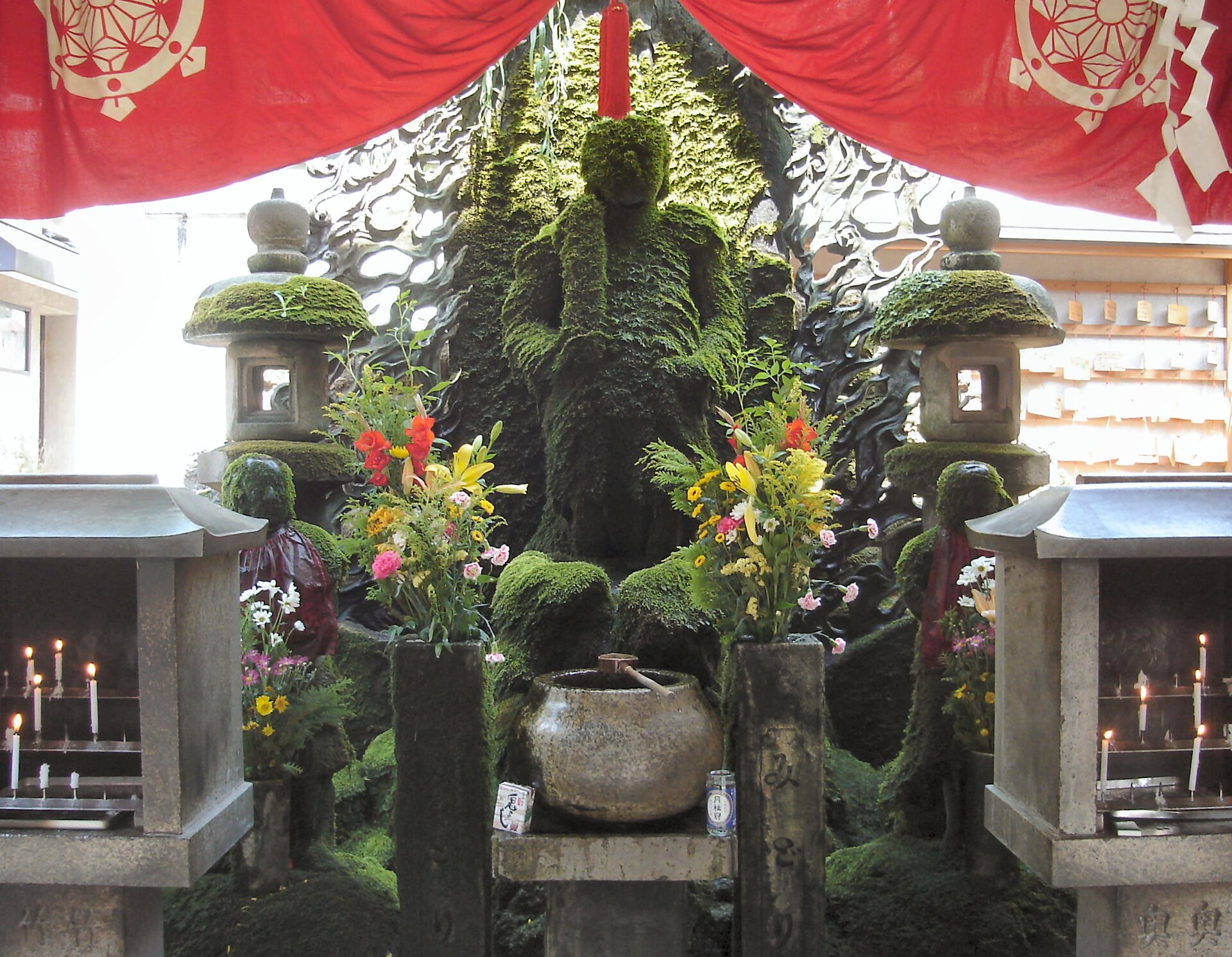
Hōzen-ji Temple
- Must see
- Place of worship
Language · 11 published
Historic monument · Osaka
Reviewed by Elena Voss · Roavina Travel Editor
| Monday | 00:00 – 23:59 |
|---|---|
| Tuesday | 00:00 – 23:59 |
| Wednesday | 00:00 – 23:59 |
| Thursday | 00:00 – 23:59 |
| Friday | 00:00 – 23:59 |
| Saturday | 00:00 – 23:59 |
| Sunday | 00:00 – 23:59 |
Checked 2026-08-31 · Source
Read from the OpenStreetMap access tags; anything not listed has no tag recorded.
Set the group type to family in the planner and the day window contracts to about three quarters of a solo day.
This place is a Attraction.
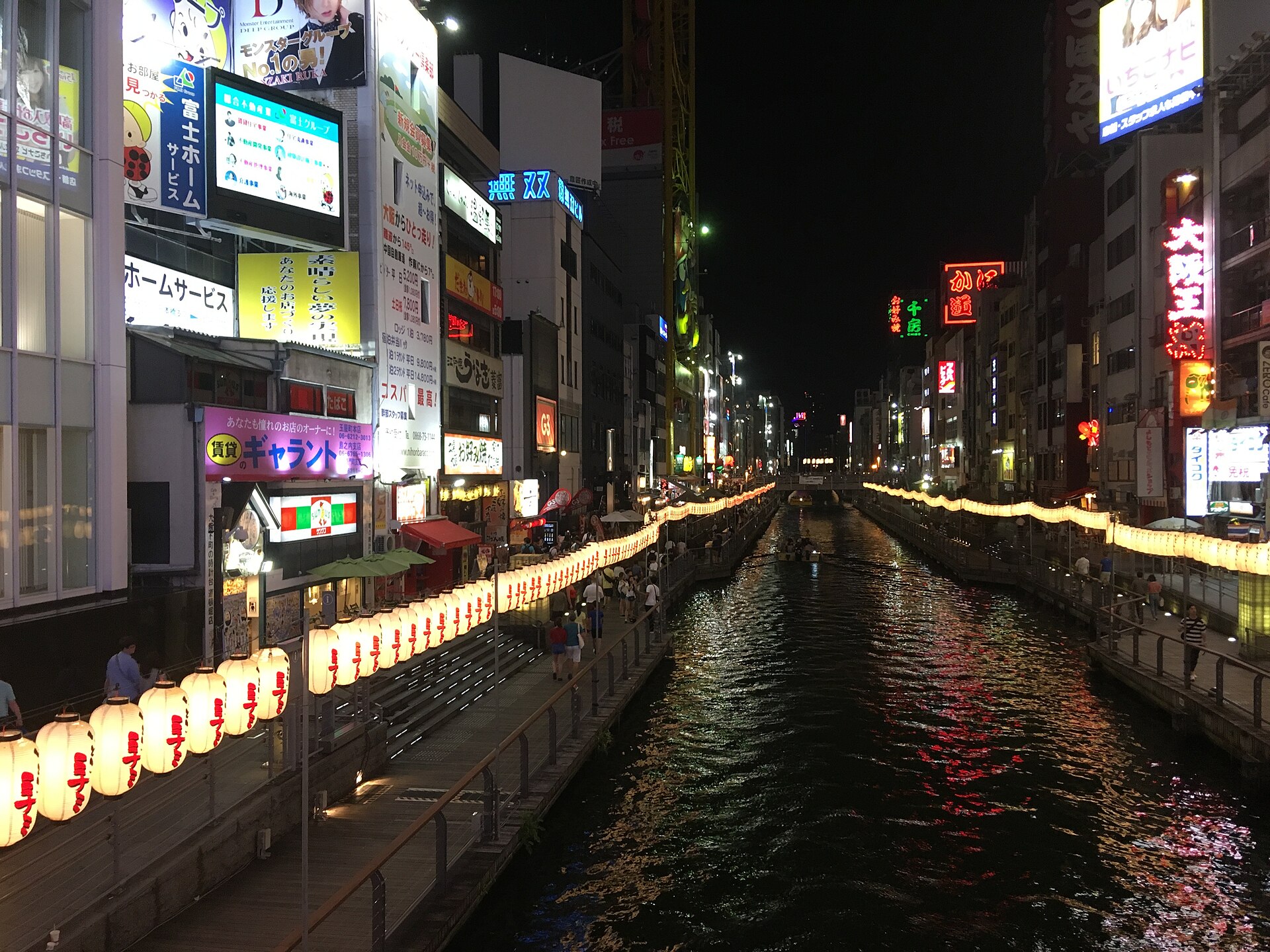
Dotonbori is a principal entertainment and dining district in Osaka's Chuo Ward, centred on a canal of the same name. The area traces its origins to the early 17th century when merchant Yasui Doton initiated canal construction. Today it functions as one of Japan's most recognisable urban leisure zones, characterised by dense commercial signage, restaurant facades, and pedestrian thoroughfares. The district embodies Osaka's mercantile identity and remains a concentrated expression of the city's food culture and nightlife atmosphere.
Checked 2026-08-31 · Source
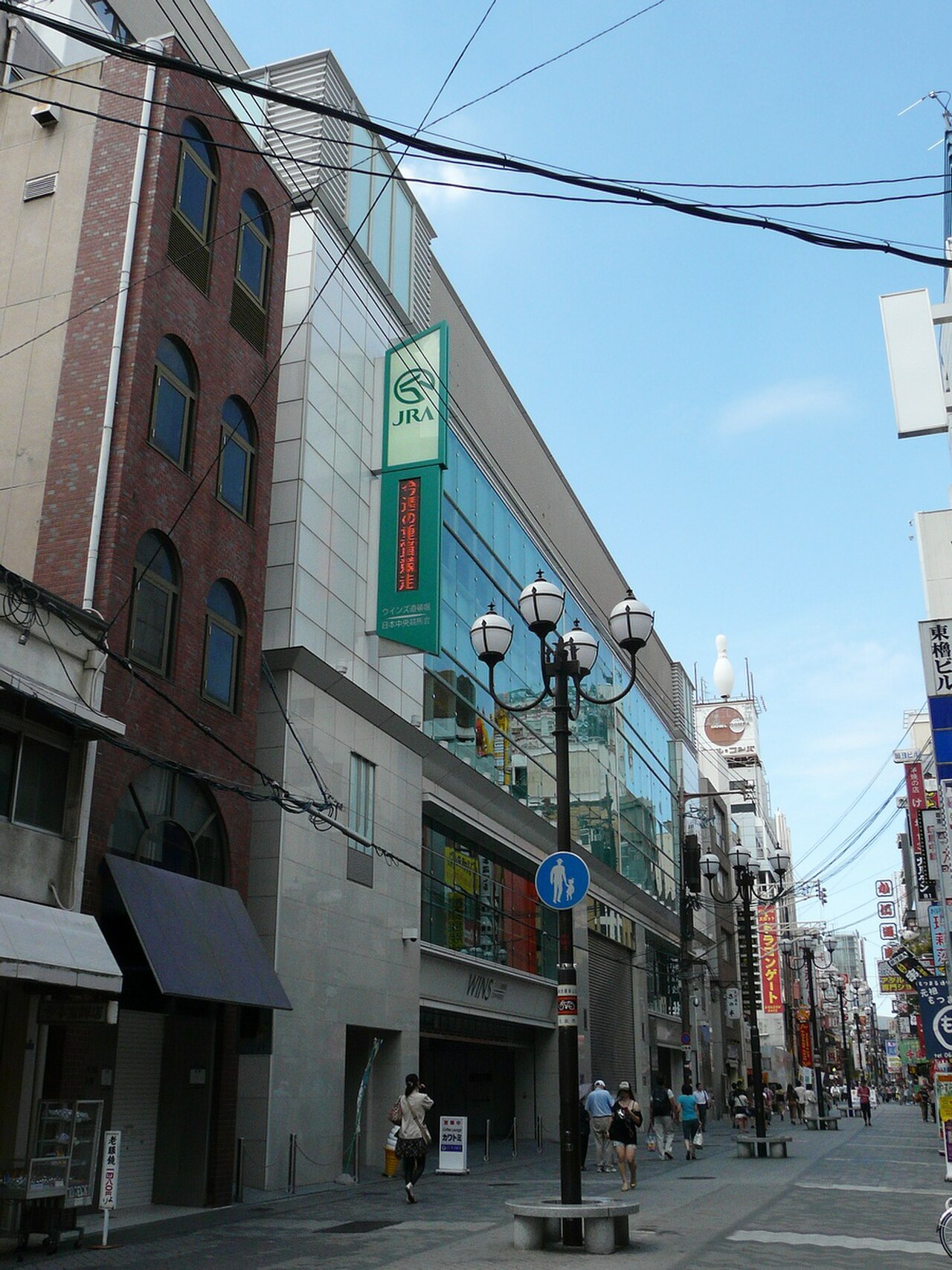
The district contains numerous restaurants, bars, theatres, and shops along both banks of the canal. Notable visual elements include the Glico running man sign, a longstanding advertising landmark, and the Kani Dōraku crab restaurant with its large mechanical crab display. The Shochikuza Theatre presents traditional performing arts. Street-level establishments predominantly feature Osaka specialities including takoyaki, okonomiyaki, and kushikatsu. The area maintains high pedestrian density throughout operational hours with substantial evening and night activity.
Checked 2026-08-31 · Source
Visitor duration varies considerably based on individual purpose. A walking passage through the principal thoroughfare requires approximately twenty to thirty minutes. Dining engagement extends typical visits to one to three hours. Evening exploration incorporating multiple food stops and atmospheric observation commonly occupies two to four hours. The district rewards repeated short visits rather than single extended stays, particularly for those sampling multiple establishments. No formal entry or exit procedures constrain timing decisions. A flexible visit lets travellers connect 道頓堀 / Doutonbori Street with the rest of the day without treating one room, viewpoint or photograph as the whole experience. The useful pace depends on personal interest and conditions on arrival.
Checked 2026-08-31 · Source
The public street and canal promenades are accessible 24 hours daily; restaurants and shops keep separate hours. Events, ceremonies, maintenance and security measures can alter ordinary access. The district operates as a commercial area without unified gates or controlled access. Individual establishments maintain independent schedules. Peak visitor density occurs during evening and night hours when illuminated signage is active. Seasonal variations include increased congestion during domestic holiday periods and summer festival intervals. Weather conditions affect canal-side comfort but rarely suspend operations. 道頓堀 / Doutonbori Street also earns time in a osaka itinerary because A primary visitor landmark supported by the three required source families and matched exactly to the production city pool.
Checked 2026-08-31 · Source
Walking Dotonbori is free; food, cruises, attractions and tours cost separately. Premium experiences and event products cost separately. No general admission fee applies to the district itself. Costs arise from individual purchases at restaurants, shops, and entertainment venues. Pricing structures vary substantially across establishment categories and service levels. Some attractions may require specific admission charges. Visitors should anticipate standard urban commercial pricing for food and beverage purchases, with premium rates at select establishments with recognised reputations or distinctive locations.
Checked 2026-08-31 · Source
Osaka Metro Namba or Nipponbashi stations; Nankai and Kintetsu Namba are nearby. This is the named public-transport approach for an independent visit. The district is accessible via multiple railway stations. Namba Station serves as the principal access point, operated by multiple railway companies including Nankai, Kintetsu, and Osaka Metro. Shinsaibashi Station on the Osaka Metro Midosuji Line provides northern approach. Walking connections exist between these stations and the canal area. Surface transport options include municipal bus services with stops in the broader Namba district. The area is sufficiently central for walking access from multiple accommodation concentrations in central Osaka.
Checked 2026-08-31 · Source
Step-free entrances or public approaches, lifts where required, and accessible toilets serve principal visitor areas. The access description applies to principal visitor areas rather than every historic or operational space. Pedestrian congestion presents the primary navigational challenge, particularly at bridge crossings and narrow canal-side passages. Cyclists and delivery vehicles share some adjacent roadways. Canal edges lack continuous protective barriers in all locations. Illuminated signage creates high visual stimulation that may disorient visitors unfamiliar with dense urban entertainment districts. Individual establishments vary in hygiene standards and pricing transparency. Visitors should exercise standard urban precautions regarding personal belongings in crowded conditions. Water quality in the canal is not suitable for contact.
Checked 2026-08-31 · Source
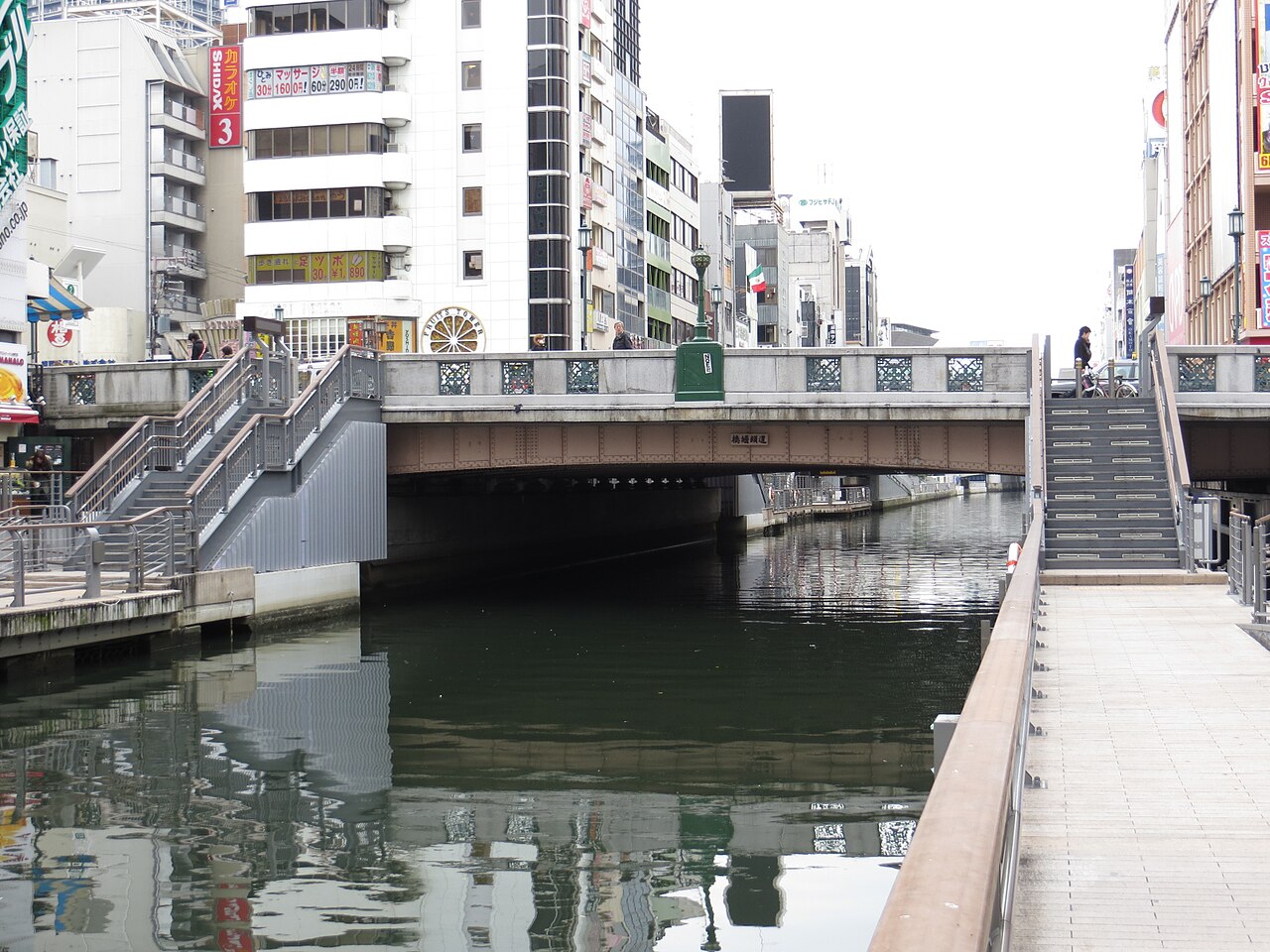
The district offers extensive photographic subjects including signage, canal reflections, and street activity. The Ebisu Bridge provides an established vantage point for canal and signage composition. Night photography benefits from artificial illumination but requires attention to pedestrian traffic and equipment security. Some individual establishments may restrict photography of interiors or staff. The Glico sign represents a frequently reproduced image subject to standard copyright considerations for commercial use. Drone operation would require compliance with Japanese aviation regulations and is impractical in this congested airspace.
Checked 2026-08-31 · Source
The public street and canal promenades are accessible 24 hours daily; restaurants and shops keep separate hours.
Walking Dotonbori is free; food, cruises, attractions and tours cost separately.
Step-free entrances or public approaches, lifts where required, and accessible toilets serve principal visitor areas.
Osaka Metro Namba or Nipponbashi stations; Nankai and Kintetsu Namba are nearby.
Yes. Events, maintenance, weather and ceremonies can change ordinary access.
No. Special tours, exhibitions and upgrades use separate tickets.
Loading the interactive map…
The interactive map could not be loaded.
Last updated:
Source: OpenStreetMap contributors ·