
2 min walk
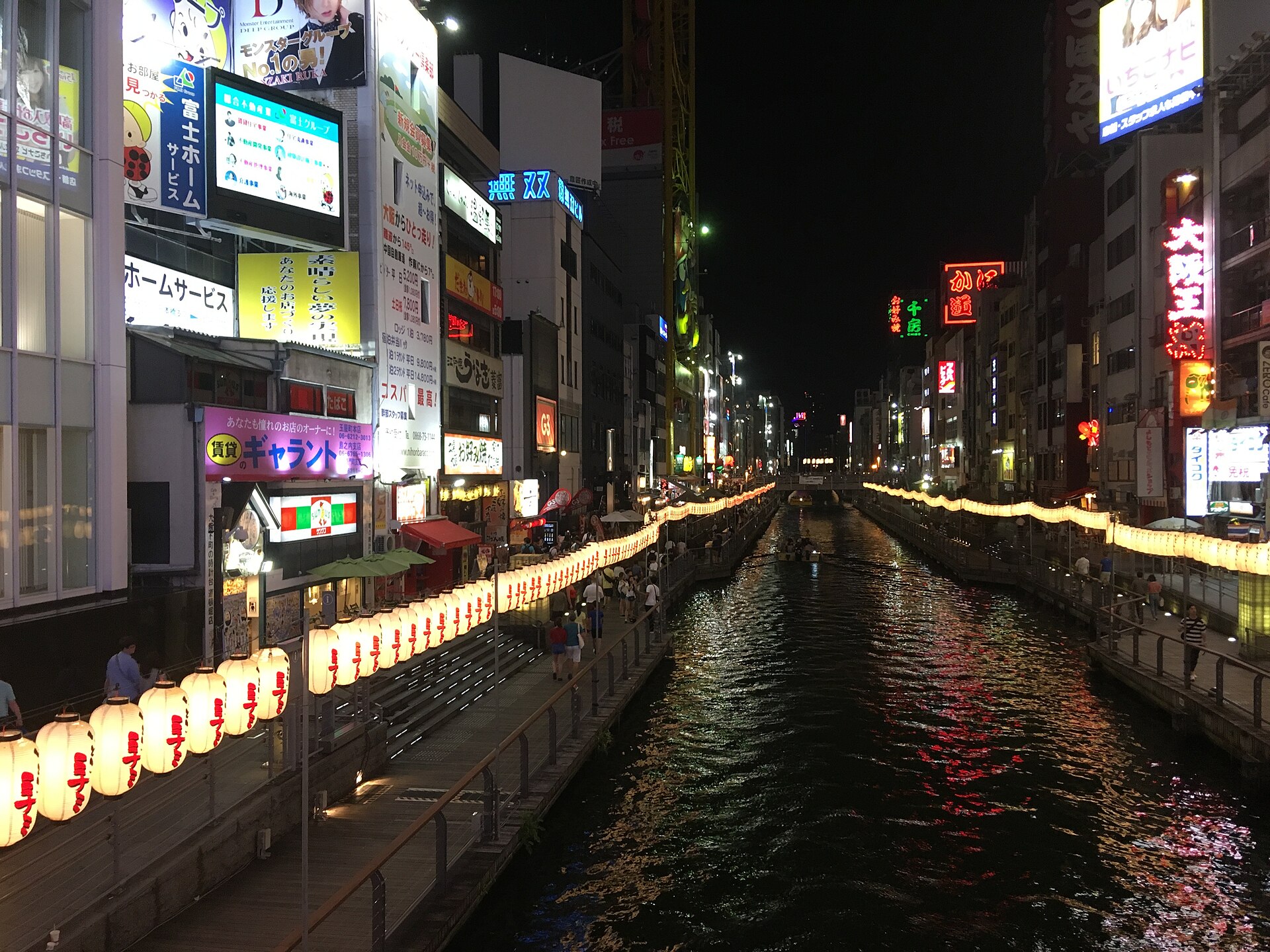
道頓堀 / Doutonbori Street
- Must see
- Historic monument
Language · 11 published
Place of worship · Osaka
法善寺
Reviewed by Elena Voss · Roavina Travel Editor
Read from the OpenStreetMap access tags; anything not listed has no tag recorded.
Set the group type to family in the planner and the day window contracts to about three quarters of a solo day.
This place is a Place of worship. It was established in 1637.
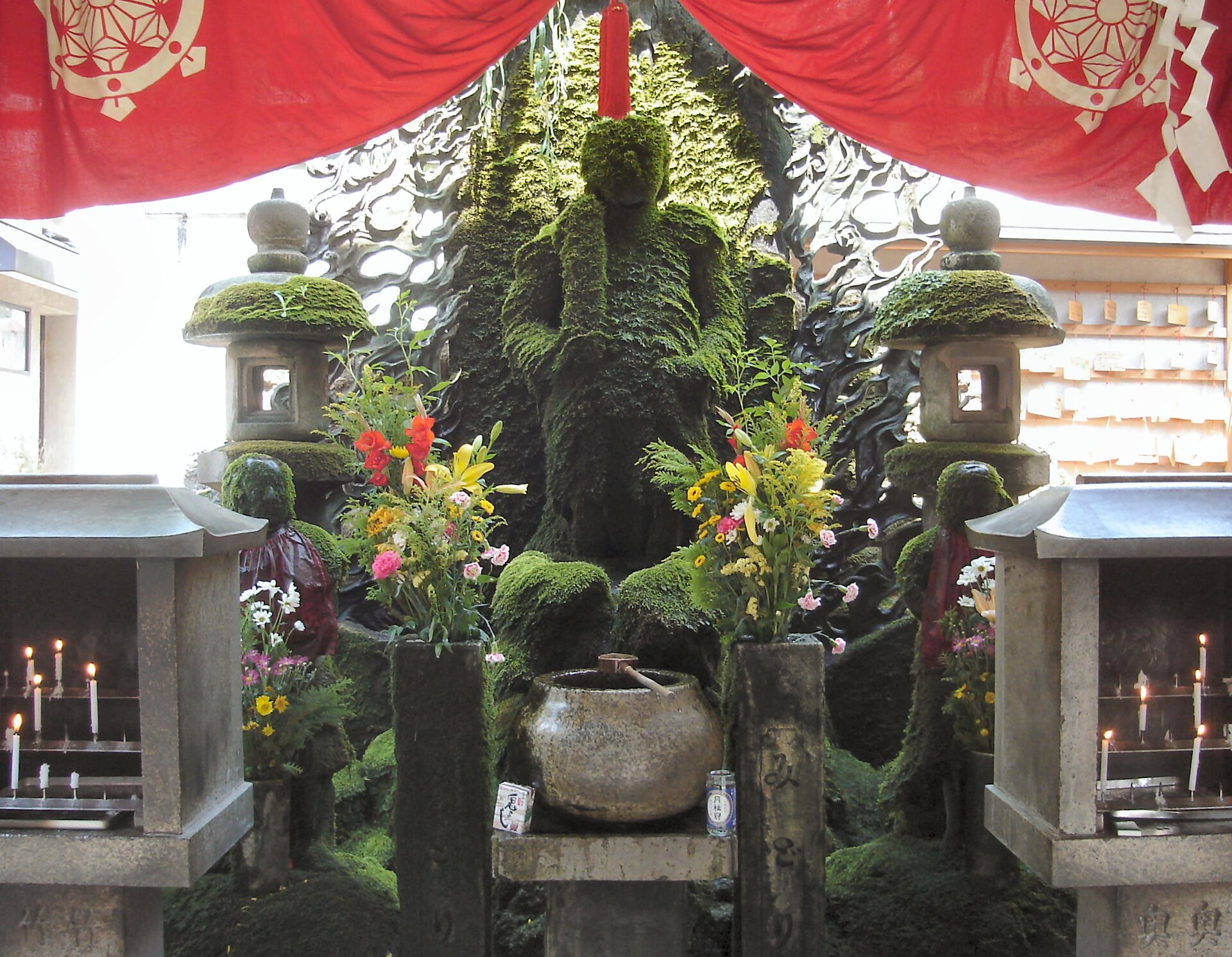
Hozenji Temple is a compact Buddhist temple located in Osaka's Namba district, immediately adjacent to the famous Dotonbori entertainment area. The temple is best known for its moss-covered statue of Fudō Myōō, a wrathful deity in Japanese Buddhism. Despite its small size, the temple offers a striking contrast to the neon-lit streets nearby. It was founded in the 17th century, though the current structures reflect later reconstructions. The temple serves as an active place of worship and remains a significant cultural landmark within Osaka's bustling urban environment.
Checked 2026-08-31 · Source
The principal feature of Hozenji Temple is the Fudō Myōō statue, which has become entirely covered in green moss due to decades of worshippers splashing it with water as part of purification rituals. The statue stands within a small courtyard space. The temple grounds are notably intimate, with limited structures beyond the main worship area. Stone lanterns and traditional architectural elements frame the approach. The moss texture of the statue itself has become the temple's defining visual characteristic, distinguishing it from more conventional Buddhist temple presentations throughout Japan.
Checked 2026-08-31 · Source
A visit to Hozenji Temple typically requires between ten and twenty minutes due to its extremely compact physical footprint. The temple courtyard can accommodate only a small number of visitors simultaneously. Most travellers combine this stop with exploration of the surrounding Dotonbori and Shinsaibashi districts rather than making a dedicated journey. The brief duration reflects the temple's nature as a atmospheric waypoint rather than an extensive destination. Visitors should anticipate a moment of quiet observation rather than prolonged engagement with multiple exhibits or expansive grounds.
Checked 2026-08-31 · Source
The small temple precinct is accessible daily from early morning into evening; worship and ceremonies take priority. Events, worship, maintenance and security measures can alter ordinary access. Visitors should consult the official Osaka tourism website or temple authorities directly before planning their visit. The temple's outdoor courtyard remains theoretically accessible at any time, though lighting conditions vary significantly. Evening visits offer notable atmospheric contrast with the illuminated Dotonbori district nearby. Early morning may provide quieter conditions for photography and contemplation. Seasonal considerations include summer humidity affecting moss appearance and winter evenings drawing visitors toward the warmth of surrounding establishments.
Checked 2026-08-31 · Source
Temple entry is free; offerings and devotional items are optional. Premium experiences and event products cost separately. The temple courtyard traditionally operates without admission charges, consistent with many small urban Buddhist temples in Japan. Visitors may wish to bring coins for offering boxes if participating in worship practices. No advance booking systems or timed entry mechanisms are indicated in available information.
Checked 2026-08-31 · Source
Osaka Metro Namba or Nipponbashi stations. This is the named public-transport approach for an independent visit. Hozenji Temple is situated within walking distance of Namba Station, a major transportation hub served by multiple railway and subway lines including the Midosuji, Yotsubashi, and Sennichimae subway lines. From Namba Station, the temple lies approximately five to ten minutes on foot through the Dotonbori district. The narrow Hozenji Yokocho alleyway leads directly to the temple entrance. Signage in the area may be limited, so visitors should prepare navigation tools. The surrounding district is densely pedestrianised, making private vehicle access impractical for the final approach to the temple location.
Checked 2026-08-31 · Source
An accessible route serves selected lower or paved areas, but shrine thresholds, slopes or trail conditions limit the complete circuit. The access description applies to principal visitor areas rather than every historic or operational space. The temple courtyard becomes extremely crowded during peak tourism periods, particularly evenings and weekends when Dotonbori visitor numbers peak. The moss-covered statue is fragile; visitors should observe local worshippers' behaviour and avoid touching the statue directly. Water splashing is a traditional practice but should only be performed using provided ladles if participating. The narrow alleyway approach can become congested with pedestrians and restaurant patrons. Weather conditions affect the moss appearance and courtyard footing. Respectful conduct is essential given active worship use, including appropriate volume and photography restraint during prayer activities.
Checked 2026-08-31 · Source
Photography of the moss-covered Fudō statue is widely practised by visitors, though discretion is advisable when worshippers are present. The statue's green texture presents technical challenges requiring attention to lighting conditions. Flash photography may disturb other visitors and should be avoided. Tripod use is impractical given spatial constraints and crowd density. Evening photography captures atmospheric contrast with surrounding neon illumination, though artificial lighting on the statue itself is minimal. The narrow alleyway approach offers additional compositional opportunities. Visitors should prioritise observational sensitivity over extensive photographic sessions during active religious periods.
Checked 2026-08-31 · Source
The small temple precinct is accessible daily from early morning into evening; worship and ceremonies take priority.
Temple entry is free; offerings and devotional items are optional.
An accessible route serves selected lower or paved areas, but shrine thresholds, slopes or trail conditions limit the complete circuit.
Osaka Metro Namba or Nipponbashi stations.
Yes. Events, maintenance, weather and ceremonies can change ordinary access.
No. Special tours, exhibitions and upgrades use separate tickets.
Loading the interactive map…
The interactive map could not be loaded.
Last updated:
Source: OpenStreetMap contributors, Wikidata ·