
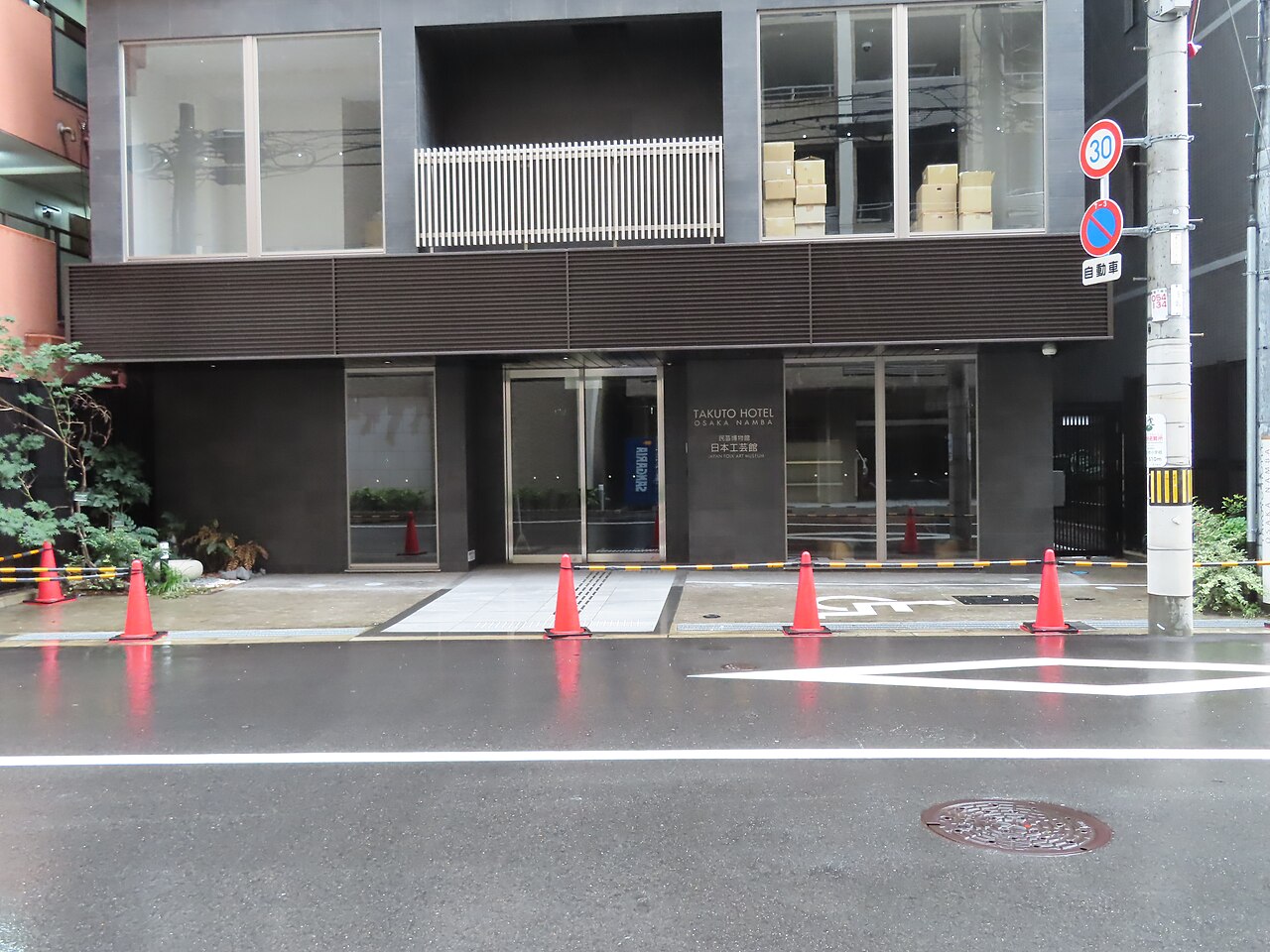
3 min walk
Japan Folk Art Museum
- High
- Museum
Language · 11 published
Place of worship · Osaka
難波八坂神社
Reviewed by Elena Voss · Roavina Travel Editor
| Monday | 06:00 – 17:00 |
|---|---|
| Tuesday | 06:00 – 17:00 |
| Wednesday | 06:00 – 17:00 |
| Thursday | 06:00 – 17:00 |
| Friday | 06:00 – 17:00 |
| Saturday | 06:00 – 17:00 |
| Sunday | 06:00 – 17:00 |
Checked 2026-08-31 · Source
Read from the OpenStreetMap access tags; anything not listed has no tag recorded.
Set the group type to family in the planner and the day window contracts to about three quarters of a solo day.
This place is a Place of worship. It is built of reinforced concrete.
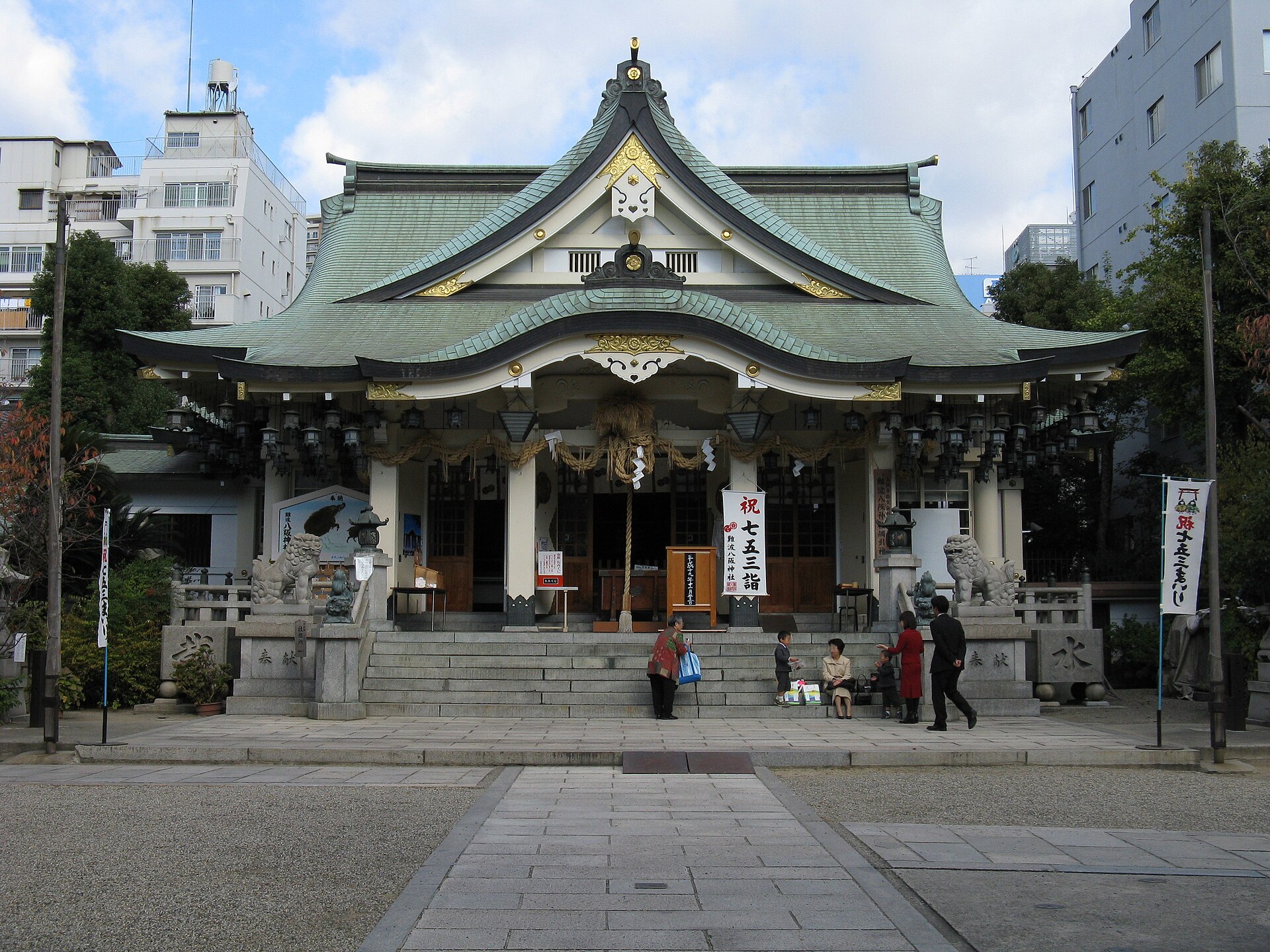
Namba Yasaka Shrine is a Shinto shrine located in the Namba district of Osaka, Japan. It is notable for its distinctive lion-head stage, which serves as the shrine's most recognizable feature. The shrine maintains a presence in one of Osaka's busiest entertainment and commercial neighborhoods. It functions as a place of worship and community gathering within the urban fabric of the city. The lion-head structure represents the deity's protective qualities in Shinto tradition. Namba Yasaka Shrine also earns time in a osaka itinerary because A memorable Shinto shrine with its monumental lion-head stage, independently visited from Namba. The current operator record gives a definite status and admission position. Shrine grounds generally open daily 06:00-17:00; prayer office hours are shorter. Shrine entry is free; formal prayers and amulets cost separately.
Checked 2026-08-31 · Source
The principal feature of Namba Yasaka Shrine is its large lion-head stage building, which dominates the shrine grounds. This monumental structure is designed in the form of a shishi-gashira, or lion head, with an open mouth that serves as a stage for performances and ceremonies. The shrine grounds contain typical Shinto architectural elements including a torii gate and auxiliary structures. The lion-head building functions as both a visual landmark and an active ceremonial space for the shrine's religious activities.
Checked 2026-08-31 · Source
A visit to Namba Yasaka Shrine typically requires a brief stop rather than an extended stay. Most visitors spend approximately fifteen to thirty minutes exploring the shrine grounds and observing the lion-head stage. The compact nature of the site means that walking through the grounds and viewing the main structures does not demand significant time. Visitors often combine this stop with other activities in the surrounding Namba district, which offers extensive shopping, dining, and entertainment options within walking distance.
Checked 2026-08-31 · Source
Shrine grounds generally open daily 06:00-17:00; prayer office hours are shorter. Events, worship, maintenance and security measures can alter ordinary access. The shrine is situated in Namba, which remains active throughout the day and evening as a commercial and entertainment district. Seasonal considerations for Osaka include hot humid summers and relatively mild winters. Checking local event calendars may reveal timing for any special observances.
Checked 2026-08-31 · Source
Shrine entry is free; formal prayers and amulets cost separately. Premium experiences and event products cost separately. Many Shinto shrines in Japan do not charge admission fees for general grounds access, though specific buildings or special exhibitions may require separate payment. Any donations for prayers, amulets, or other religious services would constitute separate transactions. Those seeking specific services or wishing to enter restricted areas should inquire on-site about applicable costs. Budget-conscious travelers should confirm current arrangements through official channels rather than relying on general assumptions about shrine access policies.
Checked 2026-08-31 · Source
Osaka Metro Daikokucho or Namba station. This is the named public-transport approach for an independent visit. Namba Yasaka Shrine is located in the Namba area of Osaka, a major transportation and commercial hub. The Namba district is served by multiple railway and subway lines, making it readily accessible from throughout the Osaka metropolitan area. Visitors can reach Namba Station via the Nankai Railway, Osaka Metro, and other services. From central Namba, the shrine is accessible on foot. The dense urban environment means that walking from nearby stations or accommodations is practical. Signage and mapping applications can assist with final navigation to the specific location.
Checked 2026-08-31 · Source
Step-free entrances or public approaches, lifts where required, and accessible toilets serve principal visitor areas. The access description applies to principal visitor areas rather than every historic or operational space. Visitors should observe standard etiquette for Shinto shrine visits, including respectful behavior on sacred grounds. The shrine occupies a busy urban area where pedestrian traffic and commercial activity are constant. Photography restrictions may apply in certain areas, and visitors should remain attentive to any posted guidance. The lion-head stage may be in use for ceremonies, requiring visitors to maintain appropriate distance. As with any crowded Osaka location, personal belongings warrant attention. The compact site means that peak visitor periods could create congestion. Weather protection may be advisable as much of the experience occurs outdoors.
Checked 2026-08-31 · Source
The lion-head stage at Namba Yasaka Shrine presents a distinctive photographic subject due to its unusual and imposing form. The open mouth of the lion structure creates a dramatic visual element. Visitors seeking photographs should be mindful of other guests and any active religious ceremonies. The surrounding urban environment of Namba provides a contrasting backdrop that emphasizes the shrine's unique character. Lighting conditions vary throughout the day, with the structure potentially presenting different appearances under natural and artificial illumination.
Checked 2026-08-31 · Source
Shrine grounds generally open daily 06:00-17:00; prayer office hours are shorter.
Shrine entry is free; formal prayers and amulets cost separately.
Step-free entrances or public approaches, lifts where required, and accessible toilets serve principal visitor areas.
Osaka Metro Daikokucho or Namba station.
Yes. Events, maintenance, weather and ceremonies can change ordinary access.
No. Special tours, exhibitions and upgrades use separate tickets.
Loading the interactive map…
The interactive map could not be loaded.
Last updated:
Source: OpenStreetMap contributors, Wikidata ·