
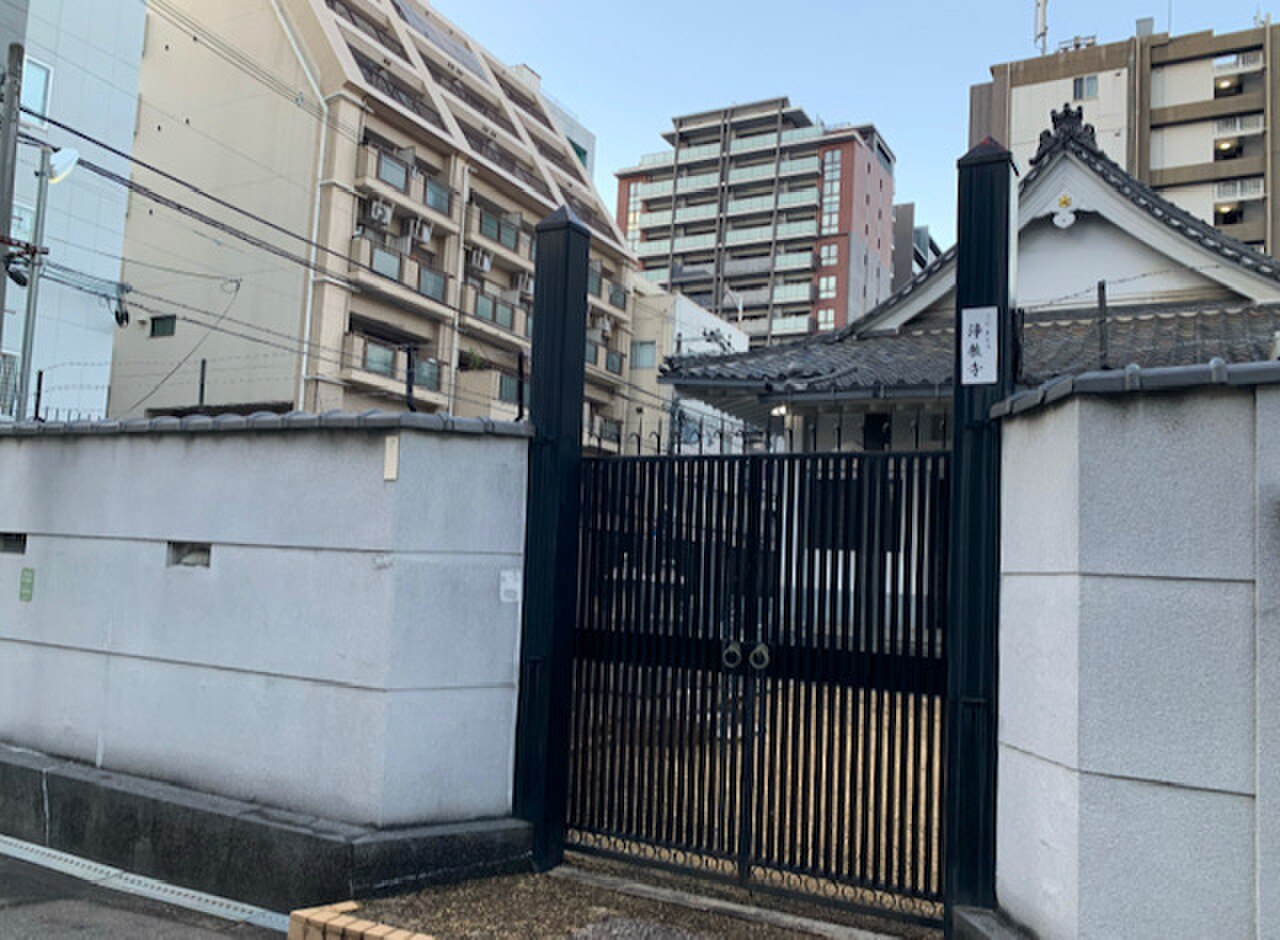
3 min walk
浄教寺
- High
- Place of worship
Language · 11 published
Place of worship · Osaka
大阪天満宮
Reviewed by Elena Voss · Roavina Travel Editor
| Monday | 09:00 – 17:00 |
|---|---|
| Tuesday | 09:00 – 17:00 |
| Wednesday | 09:00 – 17:00 |
| Thursday | 09:00 – 17:00 |
| Friday | 09:00 – 17:00 |
| Saturday | 09:00 – 17:00 |
| Sunday | 09:00 – 17:00 |
Checked 2026-08-31 · Source
Read from the OpenStreetMap access tags; anything not listed has no tag recorded.
Set the group type to family in the planner and the day window contracts to about three quarters of a solo day.
This place is a Place of worship. It was established in 949. It was built in the Ishi-no-ma-zukuri style. It carries the Registered Tangible Cultural Property of Japan heritage designation.
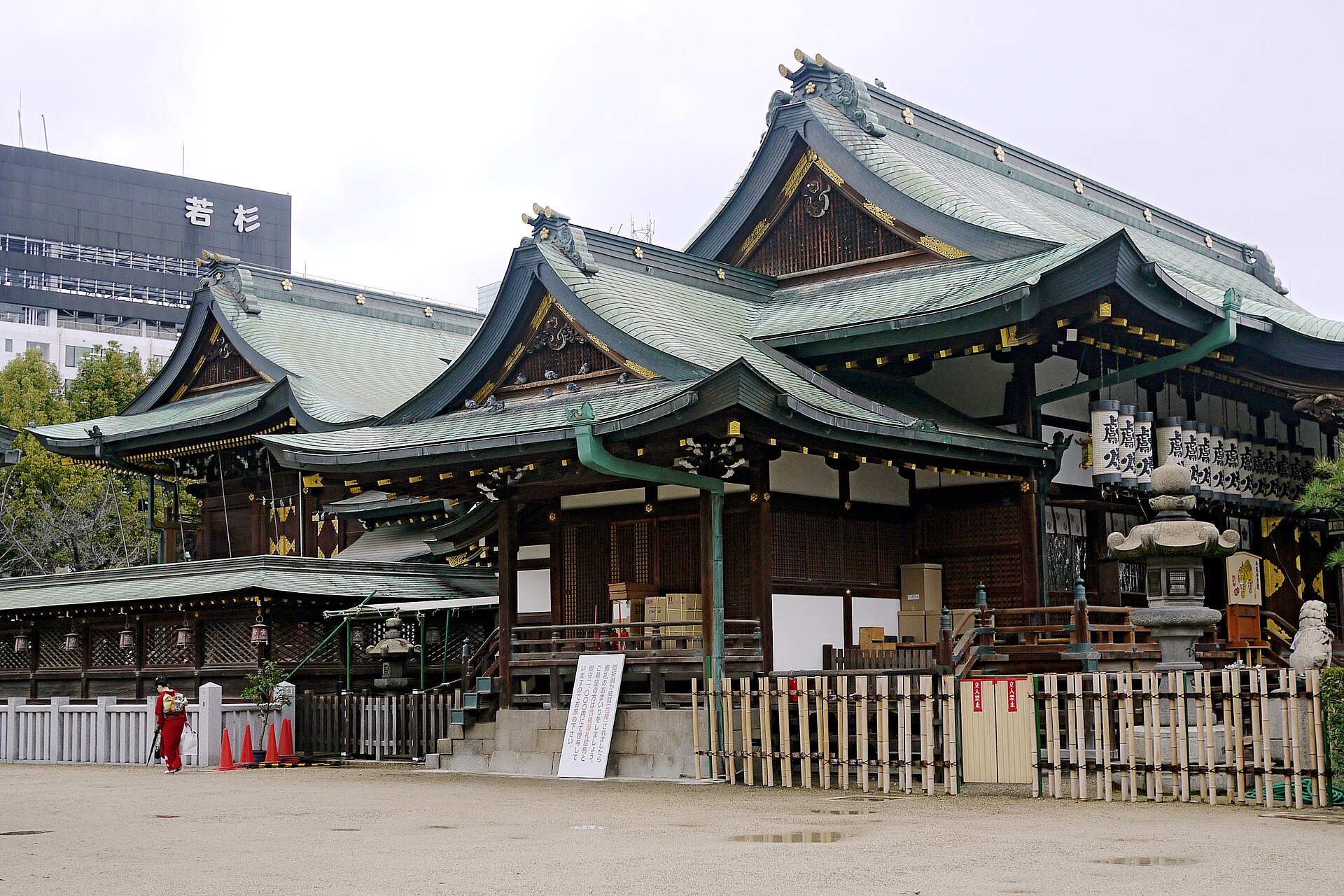
Osaka Tenmangu Shrine is a Shinto shrine in Osaka, Japan. It ranks among the city's principal historic shrines and serves as the focus of the Tenjin Matsuri, one of Japan's major summer festivals. The shrine enshrines Sugawara no Michizane, a Heian-period scholar and politician later deified as Tenjin, the patron deity of learning and scholarship. The institution has drawn students and scholars seeking academic success for centuries. Its cultural significance extends beyond religious practice into the broader social and festival life of Osaka.
Checked 2026-08-31 · Source
The shrine grounds contain traditional Shinto architectural elements including the main hall and various auxiliary structures. Visitors will find torii gates marking the sacred approach, stone lanterns, and water basins for purification rituals. The precinct includes spaces for prayer, votive offerings, and the purchase of protective amulets. As a historic site of considerable standing, the shrine maintains grounds that accommodate large gatherings during festival periods. The specific interior arrangements and subsidiary buildings should be verified through direct observation or official sources.
Checked 2026-08-31 · Source
A standard visit to Osaka Tenmangu Shrine typically requires between thirty minutes and one hour for those proceeding at a measured pace through the grounds. This duration allows for the purification ritual at the temizuya, prayer at the main hall, and general observation of the shrine environment. Visitors attending during festival periods should anticipate substantially extended stays due to crowds and ceremonial activities. Those with particular scholarly or architectural interests may wish to allocate additional time. Personal pacing and purpose determine appropriate visit length.
Checked 2026-08-31 · Source
Shrine grounds generally open daily 09:00-17:00; prayer and amulet offices keep the same or shorter hours. Events, worship, maintenance and security measures can alter ordinary access. The Tenjin Matsuri in summer represents the shrine's most significant annual occasion, drawing substantial crowds for processions and celebrations. Visitors should consult the official website at https://osakatemmangu. or. jp/ for current schedule information before planning. Early morning visits typically offer quieter conditions regardless of season. The shrine's role as a prayer site for academic success makes examination periods particularly busy with petitioners. Seasonal variations in atmosphere merit consideration based on visitor preferences for activity level.
Checked 2026-08-31 · Source
Main shrine grounds are free; formal prayers and amulets cost separately. Premium experiences and event products cost separately. Most Shinto shrines in Japan do not charge admission fees for general grounds access, though donations are customary and appreciated. Special exhibitions or specific facilities within shrine precincts may occasionally require separate payment. Visitors should carry cash for offering boxes, amulet purchases, and any incidental services. The official website at https://osakatemmangu. or. jp/ should be consulted for any current fee structures. Budget-conscious travelers can anticipate minimal compulsory expenditure for standard visits. Osaka Tenmangu Shrine also earns time in a osaka itinerary because One of Osaka's principal historic shrines and the focus of the Tenjin Matsuri.
Checked 2026-08-31 · Source
Osaka Metro Minami-morimachi and JR Osaka-Tenmangu stations. This is the named public-transport approach for an independent visit. Osaka Tenmangu Shrine occupies a location within central Osaka accessible through the city's public transportation network. The precise optimal route depends on departure point and preferred transport mode. Visitors should utilize Osaka's extensive rail and subway systems, consulting current route planners for connections to the nearest stations. Walking from nearby transit points is typically required. The shrine's established status suggests adequate signage in the surrounding area. Verification of current transit schedules and any service modifications is advisable before travel. A flexible visit lets travellers connect Osaka Tenmangu Shrine with the rest of the day without treating one room, viewpoint or photograph as the whole experience. The useful pace depends on personal interest and conditions on arrival.
Checked 2026-08-31 · Source
An accessible route serves selected lower or paved areas, but shrine thresholds, slopes or trail conditions limit the complete circuit. The access description applies to principal visitor areas rather than every historic or operational space. Visitors should observe standard Shinto shrine etiquette including bowing at torii gates, purifying hands and mouth at temizuya, and maintaining respectful demeanor in prayer areas. Photography restrictions may apply in certain zones; posted signs should be obeyed. Festival periods involve extreme crowding requiring personal security awareness. Footwear appropriate for gravel paths and standing is recommended. Weather protection is advisable for open-ground portions of the precinct. Visitors with specific accessibility requirements should investigate current conditions in advance through official channels.
Checked 2026-08-31 · Source
Visitors should observe posted regulations throughout the grounds and refrain from photographing worshippers without consent. The main hall interior may restrict photography; exterior architectural photography is typically permitted at Shinto shrines. Festival periods offer dynamic visual subjects but present challenges including crowd interference and movement restrictions. Tripod use may require permission. Respect for active religious practice should govern all photographic decisions. When uncertain, inquiry with shrine staff is appropriate.
Checked 2026-08-31 · Source
Shrine grounds generally open daily 09:00-17:00; prayer and amulet offices keep the same or shorter hours.
Main shrine grounds are free; formal prayers and amulets cost separately.
An accessible route serves selected lower or paved areas, but shrine thresholds, slopes or trail conditions limit the complete circuit.
Osaka Metro Minami-morimachi and JR Osaka-Tenmangu stations.
Yes. Events, maintenance, weather and ceremonies can change ordinary access.
No. Special tours, exhibitions and upgrades use separate tickets.
Loading the interactive map…
The interactive map could not be loaded.
Last updated:
Source: OpenStreetMap contributors, Wikidata ·