
01
1 hr 30 min
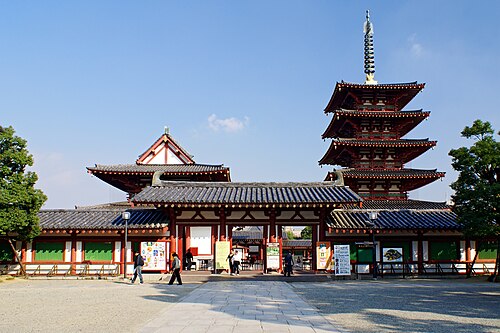
Shitennō-ji Temple
四天王寺
Shitennoji is a working temple in Tennoji ward, in the middle of southern Osaka, and it dates its own founding to 593.
- Must see
- Place of worship
Language · 11 published
City guide · Japan

Osaka is a large but legible city whose visitor areas follow several rail hubs. Kita centres on Osaka and Umeda stations, Minami gathers around Namba, Shinsaibashi and Dotonbori, and Tennoji anchors the southern core. Osaka Castle lies east of the centre, while the bay area contains major family attractions. Plan each area as a separate walking cluster connected by rail.
Reviewed by Elena Voss · Roavina Travel Editor
Set your days, your pace and the hours you actually want to be out. The planner works around closing days and travel time, and leaves room to eat.
Ranked by importance — sitelinks, pageviews and heritage status, not editor preference.
59 places match
Category
Typical visit duration
Interests
四天王寺
Shitennoji is a working temple in Tennoji ward, in the middle of southern Osaka, and it dates its own founding to 593.
住吉大社
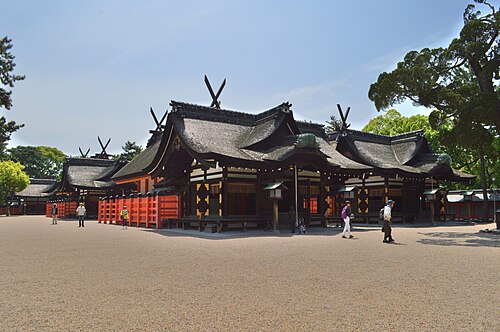
Sumiyoshi Taisha is a major Shinto shrine in Osaka, known in Japanese as 住吉大社. It is one of Japan's oldest shrines and serves as the head shrine of approximately 2,300 Sumiyoshi shrines nationwide.
法善寺
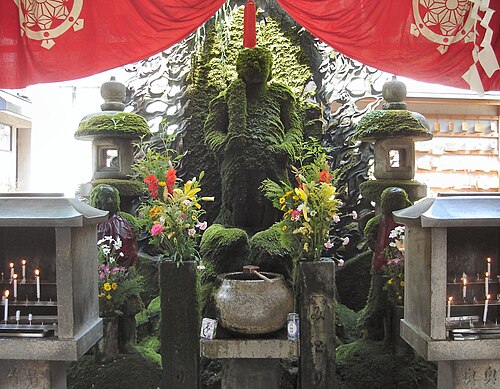
Hozenji Temple is a compact Buddhist temple located in Osaka's Namba district, immediately adjacent to the famous Dotonbori entertainment area. The temple is best known for its moss-covered statue of Fudō Myōō, a wrathful deity in Japanese Buddhism.
大阪天満宮
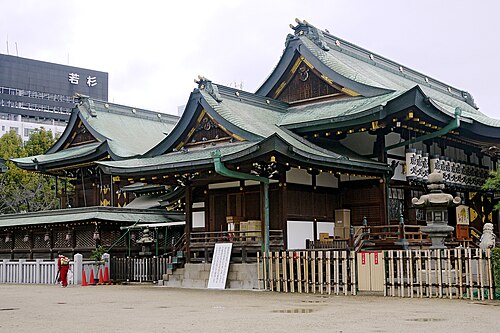
Osaka Tenmangu Shrine is a Shinto shrine in Osaka, Japan. It ranks among the city's principal historic shrines and serves as the focus of the Tenjin Matsuri, one of Japan's major summer festivals.
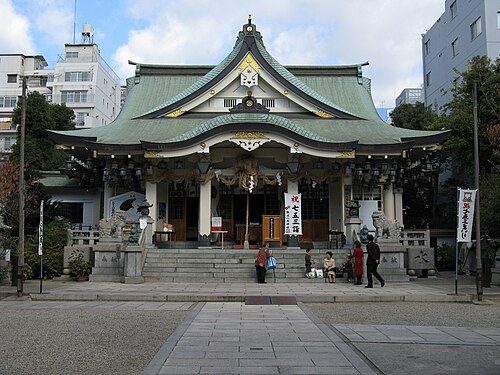
難波八坂神社
Namba Yasaka Shrine is a Shinto shrine located in the Namba district of Osaka, Japan. It is notable for its distinctive lion-head stage, which serves as the shrine's most recognizable feature.
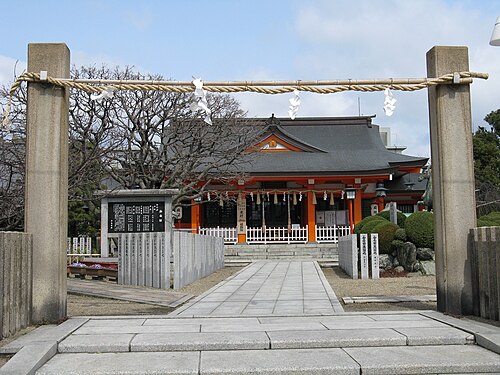
中島惣社
Nakajima-so Shrine, known locally as 中島惣社, is a Shinto place of worship in Osaka. The shrine is identified on OpenStreetMap as way/273392714, giving visitors a precise identity for distinguishing it from other religious sites in the city.
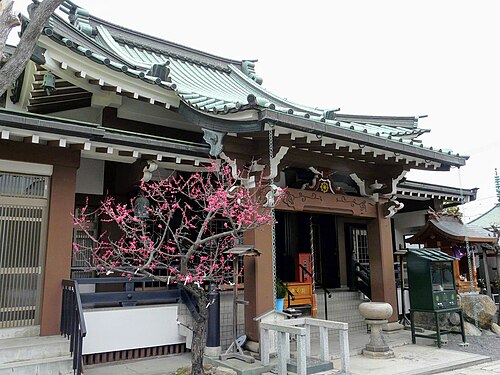
京善寺
Kyōzen-ji Temple, written locally as 京善寺, is a Buddhist temple in Osaka. It forms part of the city’s religious and cultural landscape, where places of worship stand alongside dense modern development.
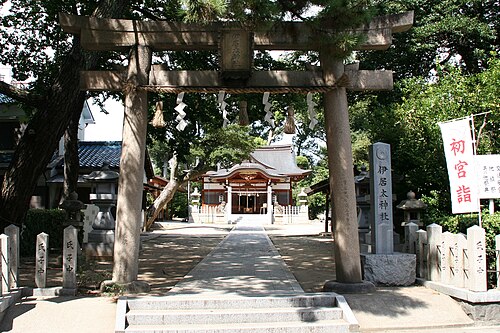
伊居太神社
Ikota Shrine, known locally as 伊居太神社, is a Shinto place of worship within Osaka’s urban fabric. Its character comes from being a functioning neighbourhood shrine, where the approach, sacred threshold, trees, worship area and surrounding residential setting shape the visit.
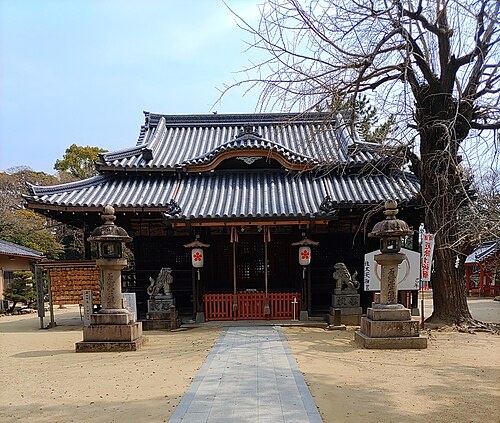
佐太天神宮
Sata-tenjingu, written as 佐太天神宮, is a Shinto shrine in Osaka. The name identifies it as a Tenjin shrine, a tradition connected with the worship of Sugawara no Michizane, the scholar who became a revered kami.
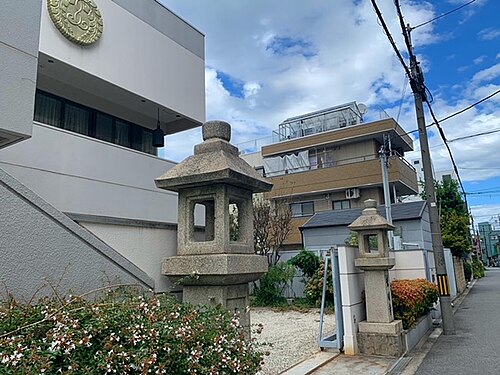
Kōmyō-ji is a Buddhist temple in Osaka, identified locally by the name 光明寺. It is an active religious place within the city, offering travelers a chance to encounter a quieter side of Osaka beyond its commercial districts.

八幡神社
Hachiman Shrine is a Shinto shrine in Osaka, known locally as 八幡神社. It is dedicated to Hachiman, a deity traditionally associated with warriors and protection.
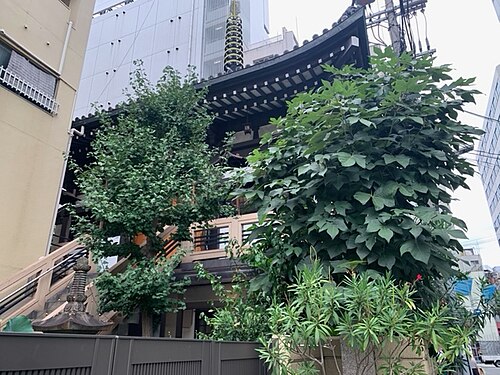
Endonji is a neighborhood commercial area in Osaka, known by the Japanese name 円頓寺. Its character comes from everyday urban life: local shops, food businesses, residents, and streets designed for regular community use.
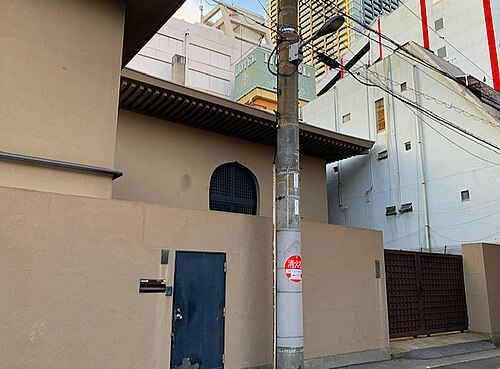
善覚寺
Zenkaku-ji Temple, 善覚寺, is a named Buddhist temple in Osaka. It is a local religious place within the city, without a documented collection, famous object, major visitor designation, or signature sight to define it as a conventional tourist landmark.
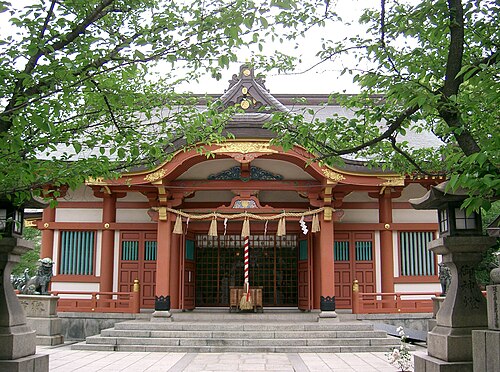
土佐稲荷神社
Tosa Inari Shrine is a Shinto place of worship in Osaka, known locally as 土佐稲荷神社. The shrine belongs to the Inari tradition, whose central figure is associated with rice, fertility, prosperity, and worldly success.
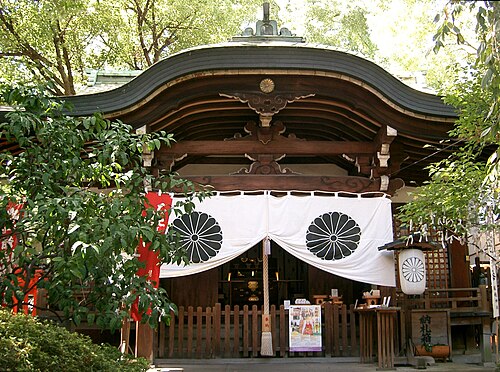
堀越神社
Horikoshi Shrine, written 堀越神社 in Japanese, is a Shinto place of worship in Osaka’s dense urban landscape.
多米神社
Tameno Shrine, known locally as 多米神社, is a Shinto shrine in Osaka. It represents the kind of neighborhood religious site that sits alongside ordinary homes, roads, and local businesses rather than inside a purpose-built tourist complex.
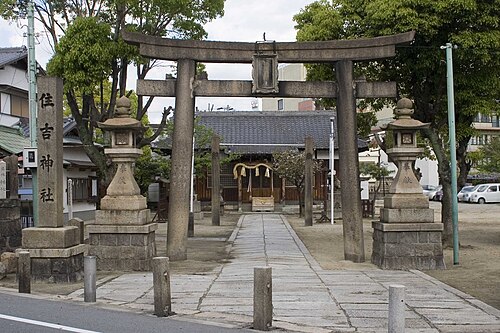
大宮
Oomiya is a residential and commercial neighborhood in Higashiyodogawa-ku, Osaka. It offers a view of everyday city life rather than a concentrated landmark district.
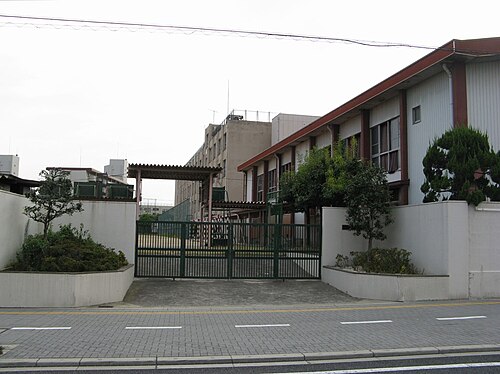
大阪市立佃中学校 is a municipal junior high school serving the Tsukuda neighborhood of Osaka. It is an active educational institution, not a public museum or sightseeing attraction.
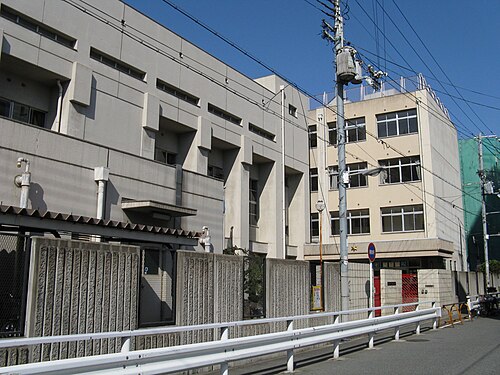
大阪市立大国小学校, known in English as Osaka City Daikoku Elementary School, is a municipal school in Osaka’s Daikoku area.
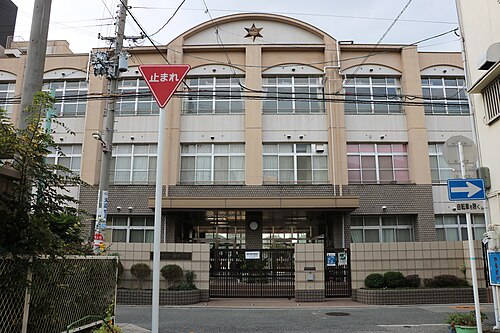
大阪市立成南中学校 is an Osaka municipal junior high school serving local students. It belongs to the city’s everyday educational infrastructure and should not be treated as a conventional tourist attraction.
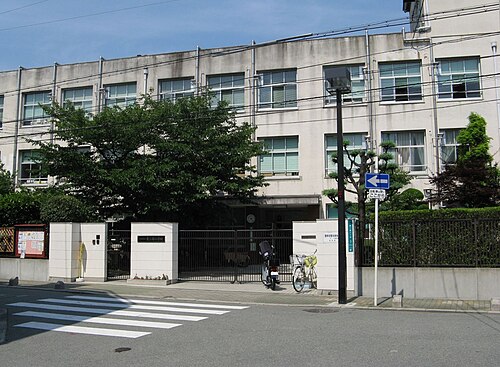
大阪市立東三国小学校
Higashimikuni Elementary School, known locally as 大阪市立東三国小学校, is a municipal elementary school in Osaka’s Yodogawa Ward. It is a working neighbourhood school serving local children, teachers and families.
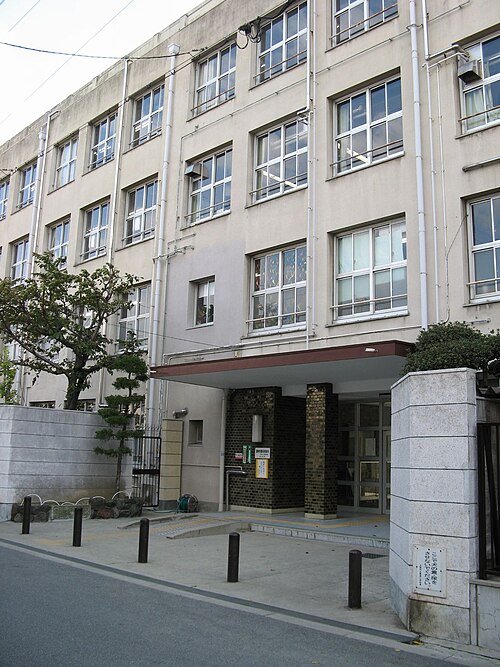
Osaka Municipal Kuwazu Elementary School, known as 大阪市立桑津小学校, is a public elementary school serving its local Osaka community. It is part of the city’s everyday educational landscape, surrounded by neighbourhood streets rather than visitor facilities.
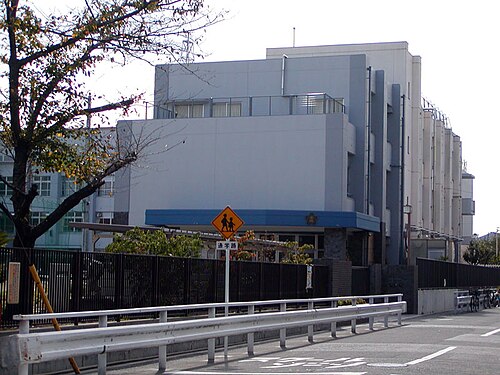
大阪市立玉出小学校 is Osaka Municipal Tamade Elementary School, a working public school in Nishinari Ward. It belongs to Tamade’s everyday civic landscape, serving local children rather than operating as a museum, landmark, or visitor attraction.
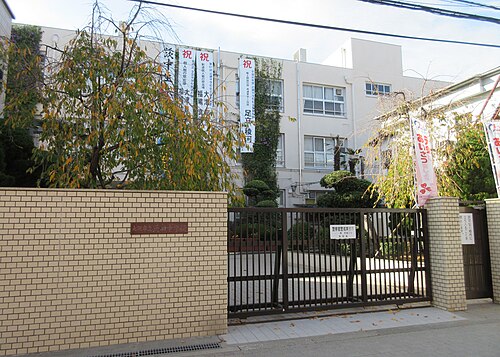
大阪市立茨田中学校 is a municipal junior high school in Osaka’s Ibarita area, a working part of the city’s residential fabric rather than a sightseeing attraction.
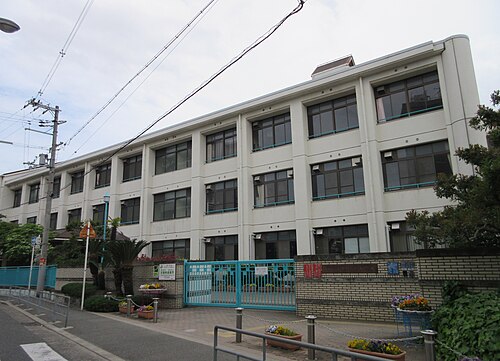
Osaka Municipal Tsurumi Minami Elementary School, or 大阪市立鶴見南小学校, is a public elementary school in Osaka’s Tsurumi Ward. It serves local children and contributes to the daily rhythm of its neighbourhood.
大阪府立汎愛高等学校
Hanaai High School, also known locally as Osaka Prefectural Hanaai Senior High School, is an active public educational institution in Osaka. It is best understood as a neighborhood school rather than a conventional sightseeing attraction.
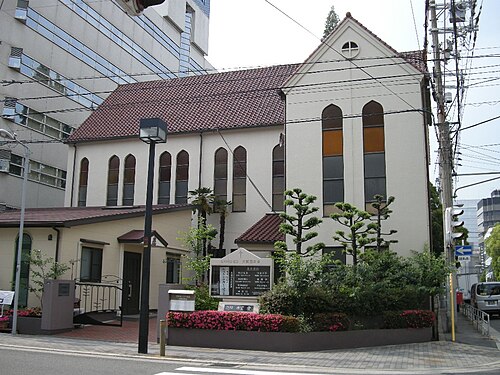
Osaka Nishi Church, written locally as 大阪西教会, is a Christian place of worship within Osaka’s dense city environment.
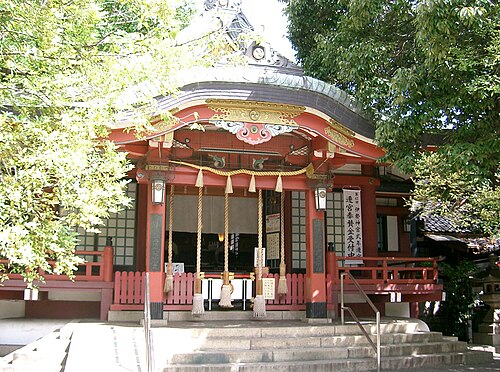
安倍晴明神社
Abe Ōji Shrine is a Shinto shrine in Osaka associated with Abe no Seimei, the celebrated Heian-period onmyōji. The shrine offers a place to encounter living Japanese religious practice rather than a secular monument.
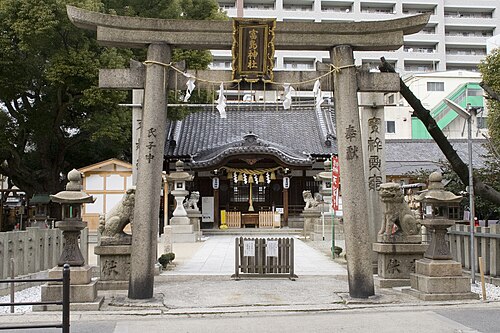
富島神社
Tomishima Shrine, known locally as 富島神社, is a Shinto shrine in Osaka. It offers a small sacred setting within the city, where visitors can encounter a form of Japanese religious practice alongside ordinary urban streets.
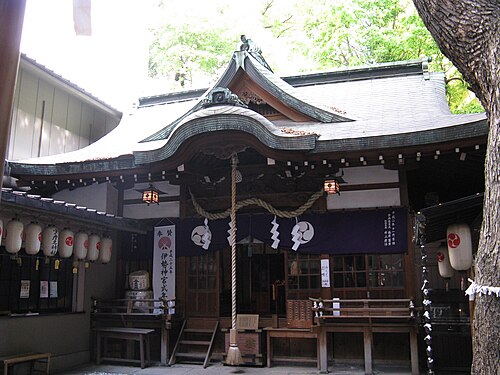
少彦名神社
Sukunahikona Shrine is a Shinto shrine in Osaka dedicated to Sukunahikona, a deity associated with medicine, healing, and brewing. The local name is 少彦名神社.
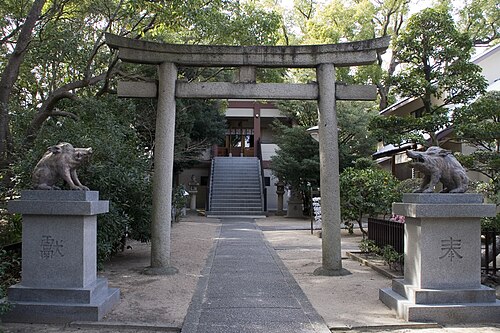
岡太神社
Okata Shrine is a Shinto shrine in Osaka, known locally as 岡太神社. The shrine is a place of worship embedded in the city, offering travelers a direct encounter with traditional Japanese religious space amid ordinary urban streets.
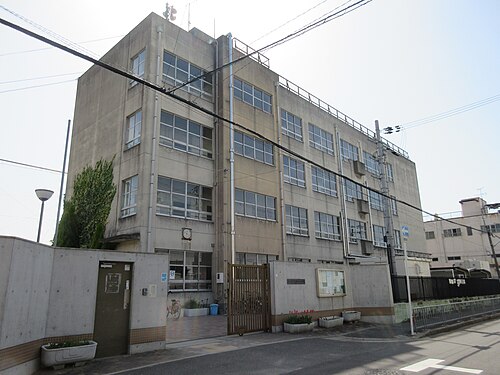
市立高井田中学校 is a municipal junior high school in Osaka’s Takaida area. Unlike a museum, shrine, or civic attraction, the school exists for education and serves students, teachers, and authorized visitors.
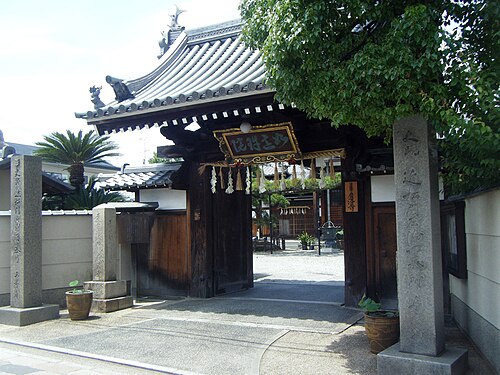
廣済寺
Ama Kosaiji Temple Sanmon, associated with 廣済寺, is a sanmon, or mountain gate, in Osaka’s Buddhist architectural landscape.
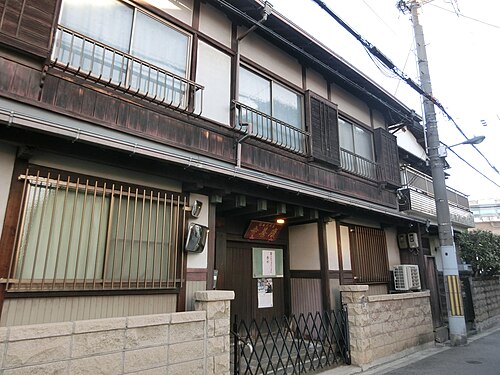
Keizen-ji, written 慶善寺, is a Buddhist temple in Osaka. It belongs to the city’s broad landscape of religious sites, where places of worship remain woven into ordinary urban neighborhoods.
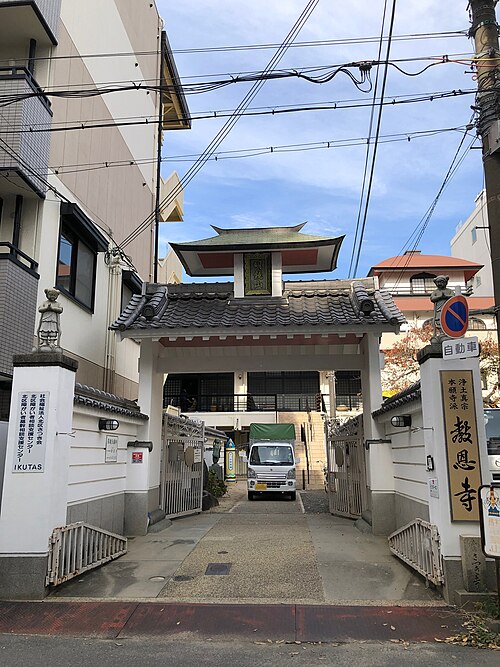
教恩寺
Kyōon-ji Temple, known locally as 教恩寺, is a Buddhist temple in Osaka. The temple belongs to the city’s living religious landscape, where places of worship continue to sit among ordinary streets and neighborhoods.
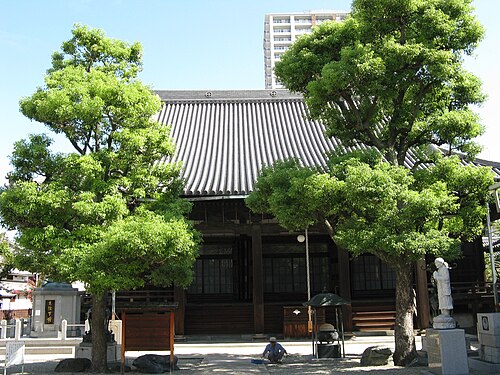
本興寺
Honkō-ji Temple, written 本興寺 in Japanese, is a Buddhist temple in Osaka. It is an active religious place as well as a point of interest for travelers interested in the city’s temples, architecture, and spiritual landscape.
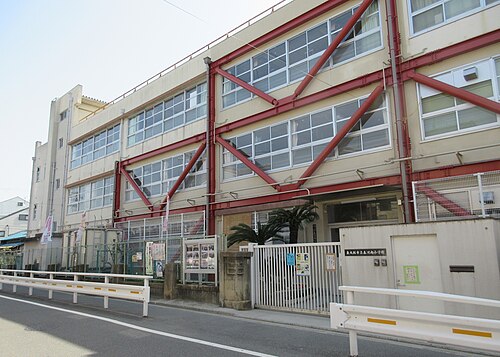
東大阪市立森河内小学校 is a municipal elementary school in Higashiosaka, Osaka Prefecture. It is a working educational institution serving local children, not a conventional visitor attraction.
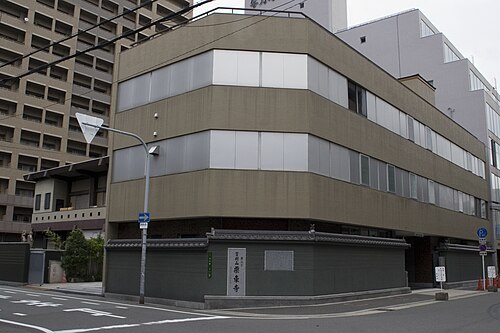
栗東寺
Ritō-ji Temple, written 栗東寺 in Japanese, is a Buddhist temple in Osaka. It belongs to the city’s religious and cultural landscape and gives travelers a chance to encounter a sacred place beyond Osaka’s busiest commercial attractions.
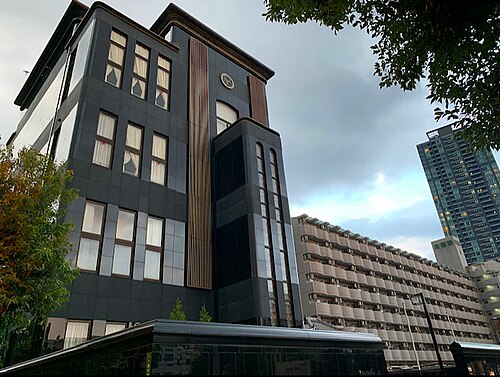
正徳禅寺, rendered here as Shōtokuzen-ji, is a Buddhist temple in Osaka.
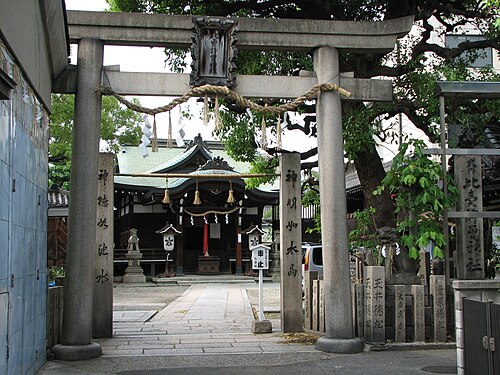
比売許曽神社
Himekoso Shrine, also known as 比売許曽神社, is a Shinto shrine in Osaka. The shrine is a place of worship and community life, giving travellers a chance to encounter a quieter religious setting within the city.
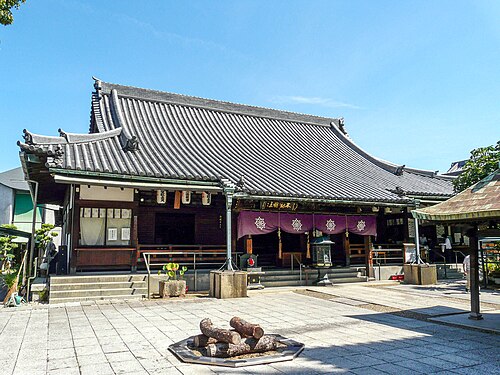
法楽寺
Hōraku-ji Temple, written 法楽寺 in Japanese, is a Buddhist temple in Osaka. It provides a place for contemplation within the city and belongs to Osaka’s wider religious and cultural landscape.
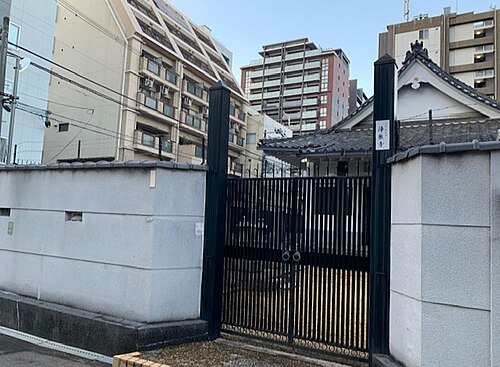
浄教寺, presented in English as Jokoji, is a Buddhist temple in Osaka. It belongs to the city’s network of religious places and offers travellers a chance to encounter a quieter, more local side of urban Japan.

清水寺
Kiyomizu-dera Temple is a Buddhist temple in Osaka, known locally as 清水寺. This Osaka temple is distinct from the better-known Kiyomizu-dera in Kyoto, despite sharing the same name.
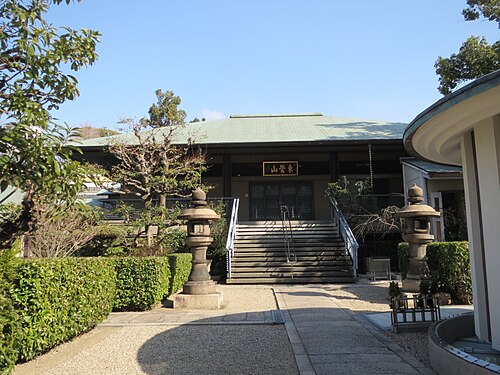
源聖寺
Gensyō-ji Temple is a Buddhist temple in Osaka, known locally as 源聖寺. The temple forms part of Osaka’s religious and cultural landscape and gives visitors a chance to encounter Buddhist practice within a major Japanese city.
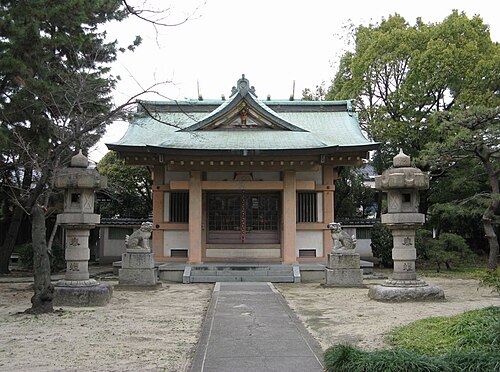
琴浦神社
Kotoura Shrine, known locally as 琴浦神社, is a Shinto shrine in Osaka. The shrine is a place of worship and provides a direct encounter with the religious traditions that remain part of everyday Japanese urban life.
産土神社
Ubusuna Shrine is a Shinto shrine in Osaka, known locally as 産土神社. The shrine represents a living part of Osaka’s religious and cultural landscape, giving visitors an opportunity to encounter Shinto practice within the city.
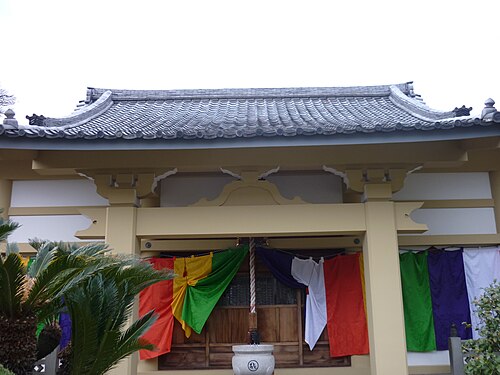
眞観寺
Shinkan-ji Temple, also identified locally as 眞観寺, is a named Buddhist temple in Osaka. Its precise identity matters because Osaka contains many religious sites with similar names, while this place is tied to one specific OpenStreetMap location.
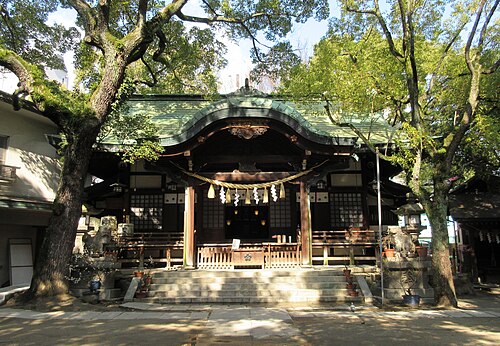
福島天満宮
Fukushima Tenmangū is a Shinto shrine in Osaka’s Fukushima Ward, dedicated to Tenjin, the deified scholar Sugawara no Michizane.
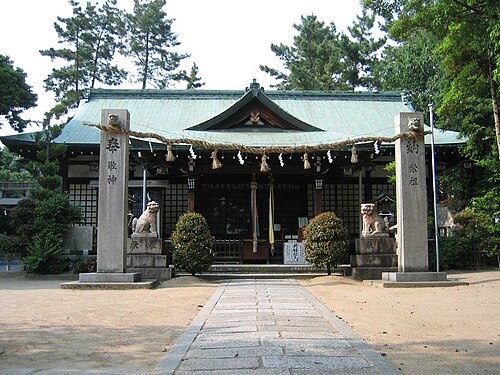
素盞嗚尊神社
Known locally as 素盞嗚尊神社, Susanoo-no-Mikoto Shrine is a Shinto place of worship in Osaka dedicated to Susanoo-no-Mikoto, a major figure in Japanese mythology associated with storms and the sea.
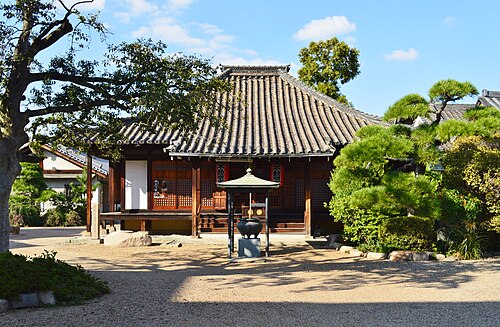
荘厳浄土寺
Shōgonjōdo-ji Temple, known locally as 荘厳浄土寺, is a Buddhist temple in Osaka. The temple belongs to the Jodo sect of Pure Land Buddhism. It serves as a place of worship and spiritual practice for devotees.
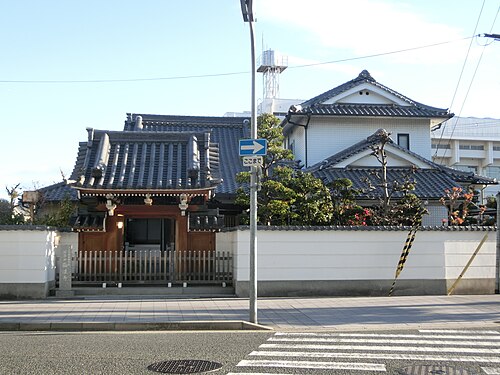
西法寺, presented here as Saifukuji, is a Buddhist temple in Osaka. The temple is part of the city’s network of religious places, where worship, community life, and traditional architecture remain woven into ordinary urban neighborhoods.
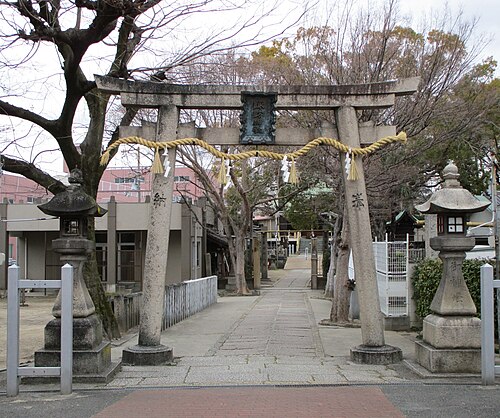
諏訪神社
Suwa Shrine is a Shinto shrine in Osaka, also known locally as 諏訪神社. It belongs to the wider tradition of shrines devoted to Suwa Myojin, associated with wind, water, and martial protection.
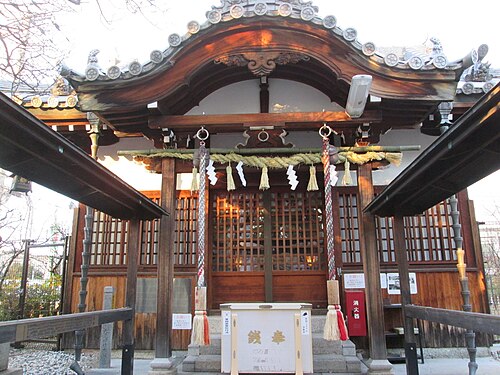
長洲天満宮
Nagasu Tenmangu, written 長洲天満宮, is a Shinto shrine in Osaka devoted to Tenjin. Tenjin is the deified scholar Sugawara no Michizane, widely associated with learning and academic success.
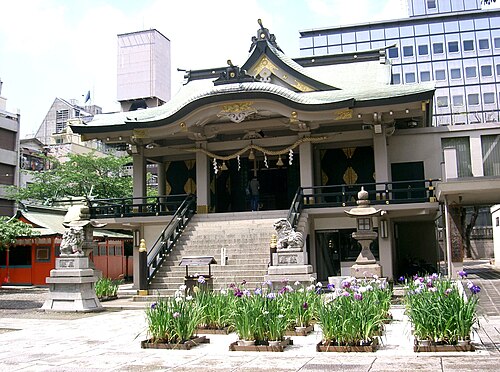
難波神社
Namba Shrine is a Shinto shrine in Osaka's Namba district, where traditional religious architecture stands among shopping, dining and entertainment streets. Known locally as 難波神社, it offers a quieter cultural pause within one of the city's most active urban areas.
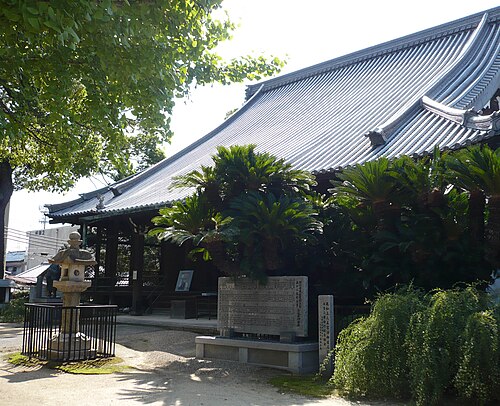
願得寺
Gantoku-ji Temple, known locally as 願得寺, is a Buddhist religious site in Osaka. It forms part of the city's quieter spiritual landscape, where neighborhood temples continue to serve local communities amid dense metropolitan surroundings.
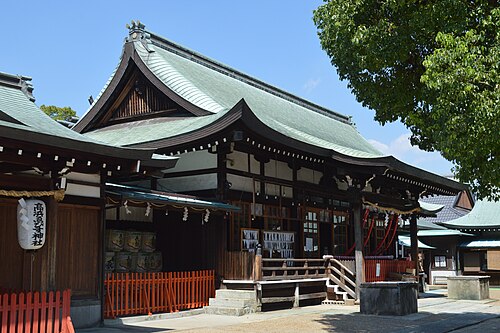
高浜神社
Takahama Shrine is a Shinto shrine in Suita City, Osaka Prefecture, known locally as 高浜神社. It serves as a place of worship and community gathering in the northern Osaka metropolitan area.
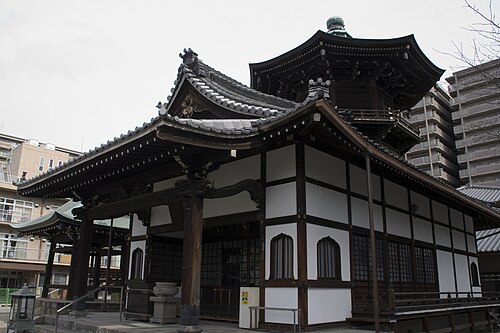
鶴満寺
Kakuman-ji Temple, known in Japanese as 鶴満寺, is a named Buddhist temple in Osaka. The mapped way identifies a specific local place of worship, not a generic category label.
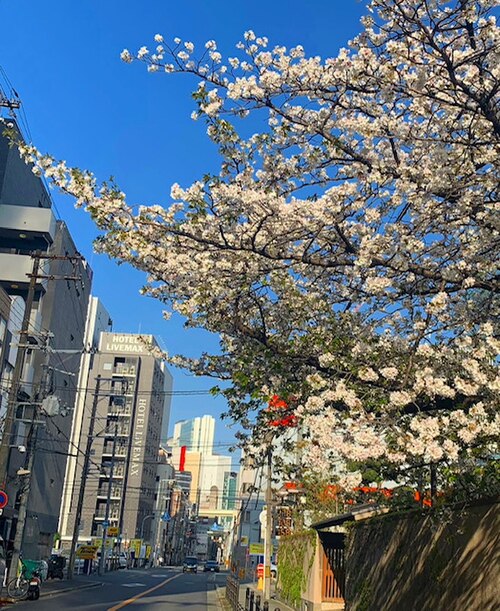
Ryūen-ji, written 龍渕寺, is a Buddhist temple in Osaka. It is a functioning place of worship rather than a museum or commercial attraction.
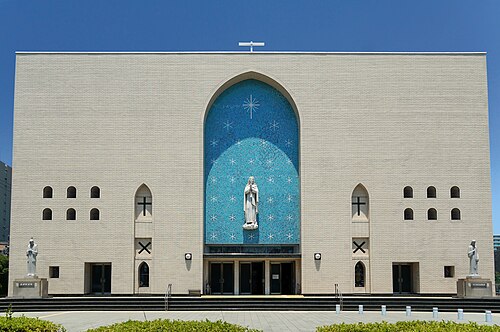
カトリック玉造教会
Osaka-Takamatsu Cathedral St. Mary’s is the cathedral of the Catholic Archdiocese of Osaka-Takamatsu and the home of Tamatsukuri Catholic Church. The present cathedral was designed by Eikichi Hasebe and dedicated on 21 March 1963.
Source: OpenStreetMap contributors, Wikidata ·
Kita is the northern commercial and transport centre around Umeda. Minami is the southern entertainment and shopping centre around Namba and Shinsaibashi, with Dotonbori between them. Tennoji and Shinsekai extend the sightseeing axis farther south. Osaka Castle forms its own eastern cluster, and the waterfront attractions sit west around the bay. The Osaka Loop Line and subway connect these distinct zones.
Checked 2026-08-26
Use Osaka Metro for travel between Kita, Minami and the central sightseeing districts, then walk within each cluster. The Osaka Loop Line connects major rail interchanges and provides transfers to private and regional railways. Buses cover gaps in the rail network, while water buses offer selected river journeys. Check the official route information for the destination rather than assuming every attraction is on one line.
Checked 2026-08-26
A fixed duration is not recorded. Allocate time by cluster: Kita, Minami, Osaka Castle, Tennoji and the bay area each work best as distinct blocks.
Kita is the northern centre around Osaka and Umeda stations. Minami is the southern centre around Namba, Shinsaibashi and Dotonbori, with a stronger concentration of nightlife and shopping.
Use the subway for most visitor journeys and walk within each district. The Osaka Loop Line is useful for transfers between major rail hubs and onward regional services.
No. Osaka Castle forms an eastern sightseeing cluster, while Dotonbori is in Minami. Treat them as separate stops linked by metro rather than one continuous walk.
Yes. The bay attractions sit west of the central districts and are best grouped together, reducing repeated transfers between the waterfront and the Kita-Minami axis.