
3 min walk
Ama Kosaiji Temple Sanmon
- High
- Place of worship
Language · 11 published
Place of worship · Osaka
伊居太神社
Reviewed by Elena Voss · Roavina Travel Editor
This place is a Place of worship.
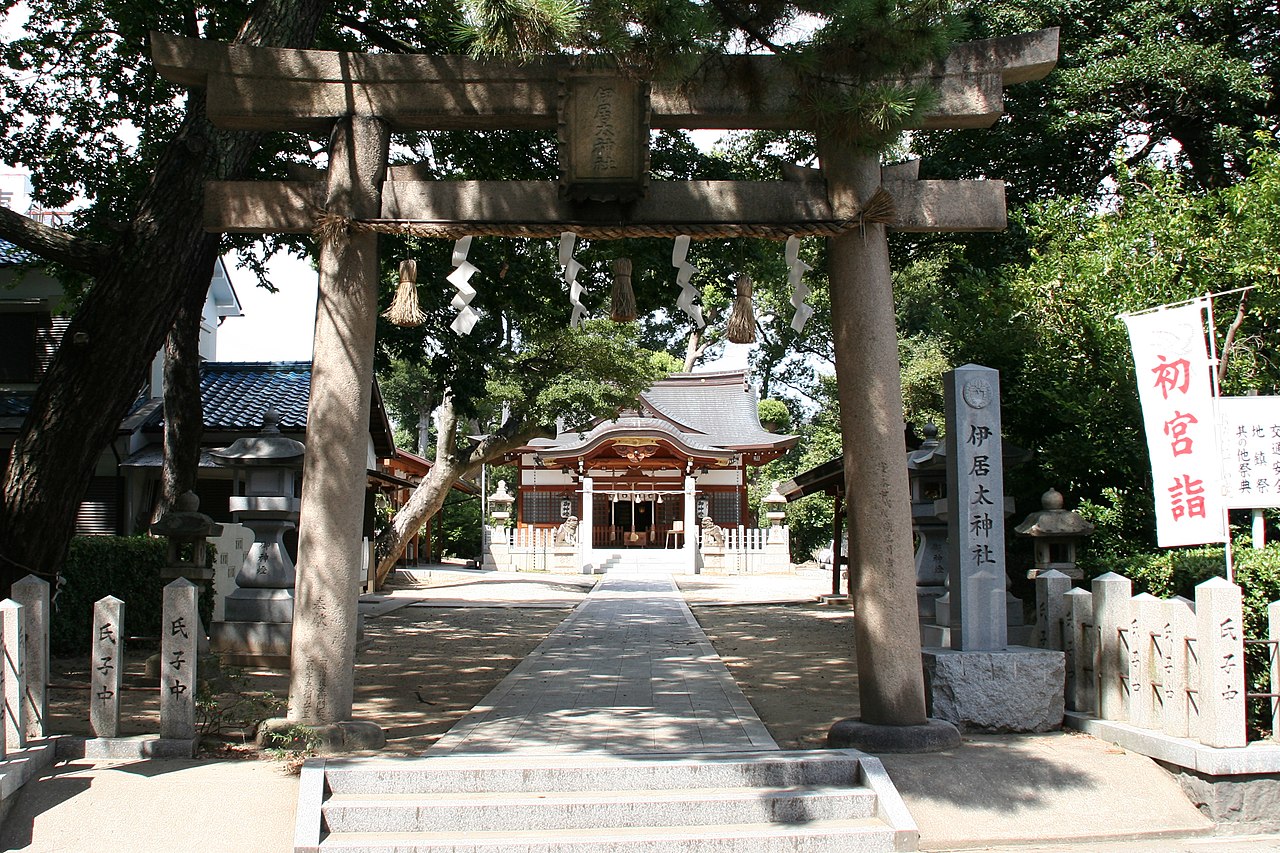
Ikota Shrine, known locally as 伊居太神社, is a Shinto place of worship within Osaka’s urban fabric. Its character comes from being a functioning neighbourhood shrine, where the approach, sacred threshold, trees, worship area and surrounding residential setting shape the visit. Travellers interested in Japan’s everyday religious landscape can use Ikota Shrine to observe how worship remains part of city life. The experience is quiet and self-directed, centred on atmosphere, respectful conduct and attention to the relationship between the shrine and the Osaka neighbourhood around it. It is best approached as a place of living religious practice rather than as a museum or exhibition complex.
Checked 2026-09-02 · Source
The visit is organised around the visual language of a Shinto shrine. Follow the approach towards a torii, the gate marking movement into sacred space, then notice the paths and principal worship area where visitors may pause for prayer. Look at how the entrance, trees, boundaries and nearby Osaka homes meet one another. Smaller structures or interior rooms should be viewed only from places where visitors are clearly welcome. There is no fixed exhibition route to follow; Ikota Shrine is understood through its arrangement, atmosphere and continuing role for people who come to worship.
Checked 2026-09-02 · Source
Allow about 30 to 45 minutes for a first visit to Ikota Shrine. This gives enough time to find the entrance, move through the grounds without rushing, notice the shrine’s layout and pause for quiet observation or prayer. Visitors who enjoy architectural details, seasonal vegetation or the contrast between sacred space and nearby homes may stay longer. A shorter stop can fit into a wider Osaka walking day. Keep the schedule flexible because worshipper activity, a ceremony or a temporarily restricted area may change how much of the grounds can be explored.
Checked 2026-09-02 · Source
Daylight is the most practical time for seeing Ikota Shrine’s approach, steps and traditional surfaces clearly. New Year and local seasonal observances may make the shrine more active, offering a closer view of Japanese religious life while also bringing crowds or temporary arrangements. Spring and autumn are often comfortable for an outdoor stop, although conditions vary. In hot, humid weather, carry water and allow a slower pace; rain can make stone or paved approaches slippery. If an event or ceremony is taking place, follow posted directions and give worshippers priority.
Checked 2026-09-02 · Source
Ikota Shrine is experienced as a place of worship, so visitors should prepare for a quiet, self-directed visit rather than a museum-style sequence of displays. Bring the Japanese name 伊居太神社 with you when planning the stop, and allow time to observe the entrance, grounds and worship area at a considerate pace. If an on-site notice gives instructions for prayer, offerings, services or seasonal arrangements, follow that guidance. Any religious activity should be approached according to the shrine’s own customs and the presence of worshippers.
Checked 2026-09-02 · Source
Ikota Shrine lies within Osaka city limits and is identified locally by the Japanese name 伊居太神社. The place information does not establish a verified nearest station, bus stop, railway line, exit or walking time, so begin route planning by entering the Japanese name in a current transit planner or map. Save the route before leaving if mobile service may be unreliable. Near the shrine, local streets and signage may rely mainly on Japanese text. The final approach may include residential streets, steps or uneven surfaces, so leave room for careful navigation.
Checked 2026-09-02 · Source
Treat Ikota Shrine as an active religious site, not simply as a photography stop. Keep voices low, leave room for worshippers and follow posted directions around the worship area. If a purification fountain, offering box or ceremony is present, observe what others do before participating. Respect any boundary marked private or restricted. Take care on steps and uneven traditional surfaces, especially after rain. Most of the experience is outdoors, so dress and pace should suit the weather. Put local worship before sightseeing whenever the two overlap.
Checked 2026-09-02 · Source
The approach, torii and exterior architecture are natural subjects for a quiet record of Ikota Shrine, provided photography does not interfere with worship. Follow posted signs and on-site directions because the grounds remain a functioning religious setting. Do not photograph worshippers closely without permission, and avoid turning a narrow path or prayer area into a staging space. Flash may be inappropriate near sacred objects, while a tripod or extended setup can obstruct movement. Put the camera away during a ceremony or whenever respectful observation should take priority. The Japanese name, 伊居太神社, is useful for labelling photographs accurately.
Checked 2026-09-02 · Source
Ikota Shrine is better approached as a local neighbourhood shrine than as one of Osaka’s major high-volume attractions. The experience is a quieter encounter with a functioning place of worship and its urban surroundings, without a large exhibition or extensive visitor interpretation.
Ikota Shrine is a Shinto shrine. Shinto is Japan’s indigenous religious tradition, so visitors should understand the grounds as an active place of worship and behave quietly and respectfully around ritual activity.
English-language services or interpretation are not confirmed for Ikota Shrine. Save the Japanese name 伊居太神社, keep route details available offline and be prepared to rely on visual signs and considerate observation during the visit.
Omamori availability is not confirmed for Ikota Shrine. Do not make buying an amulet the purpose of your visit; if a staffed 授与所 or notice indicates that items are available, follow the shrine’s current arrangements and payment instructions.
The available place information does not provide a detailed step-free route or facility list for Ikota Shrine. Because the approach may include steps or uneven traditional surfaces, visitors with mobility limitations should assess the route and worship areas on arrival.
The place-specific information does not identify particular restaurants, shops or nearby businesses around Ikota Shrine. Treat food and shopping as separate itinerary decisions, and use a current map or local information source if those facilities are important to your visit.
Loading the interactive map…
The interactive map could not be loaded.
Last updated:
Source: OpenStreetMap contributors, Wikidata ·