
8 min walk
Daimotsu Park
- Must see
- Nature site
Language · 11 published
Place of worship · Osaka
長洲天満宮
Reviewed by Elena Voss · Roavina Travel Editor
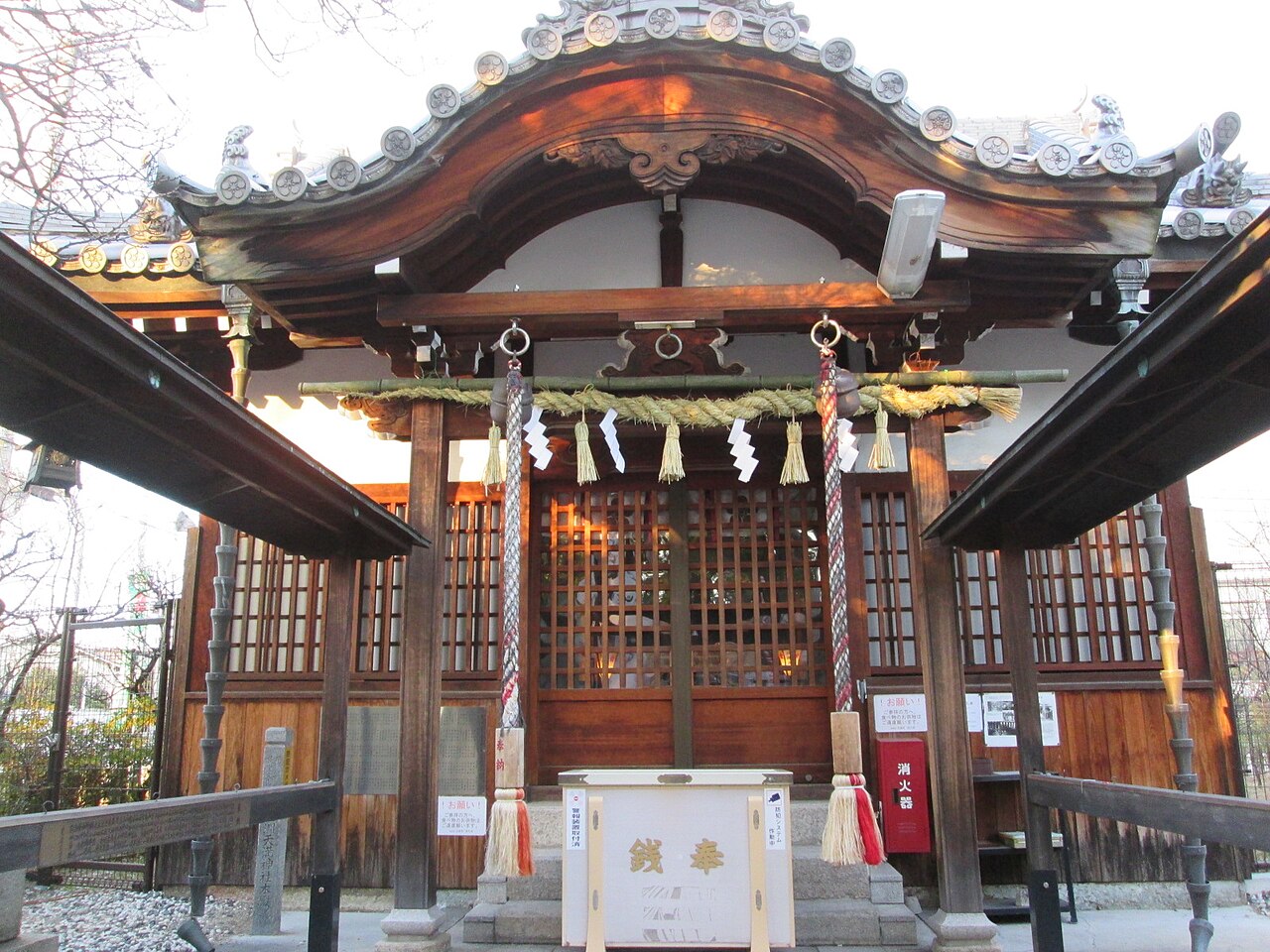
This place is a Place of worship.
Nagasu Tenmangu, written 長洲天満宮, is a Shinto shrine in Osaka devoted to Tenjin. Tenjin is the deified scholar Sugawara no Michizane, widely associated with learning and academic success. The shrine offers travelers a local religious setting where prayer, traditional architecture, and the surrounding neighborhood come together. Nagasu Tenmangu is a Shinto shrine located in Osaka, Japan. Its local name is 長洲天満宮. The shrine is dedicated to Tenjin, the deified scholar Sugawara no Michizane, who is revered as a deity of learning and academic success. The shrine holds cultural significance within the urban fabric of Osaka and serves as a place of worship for students and those seeking intellectual blessings. It is identified as a notable visitor place matched to Osaka's production city pool by verified identity way/306245163, though it may not rank among the city's most internationally famous attractions.
Checked 2026-08-26 · Source
Expect the elements of a neighborhood Tenmangu shrine: a torii, an approach path, and a worship hall. Academic devotion may be expressed through prayer tablets and other shrine customs. The grounds are intended for worship rather than exhibition, so focus on the spatial sequence, the devotional atmosphere, and the way this shrine sits within Osaka’s everyday urban landscape. The shrine grounds typically feature traditional Shinto architectural elements including a torii gate, approach path, and main worship hall. Visitors should observe respectfully and note that shrine layouts vary. The surrounding neighborhood provides an authentic Osaka urban context for this religious site.
Checked 2026-08-26 · Source
Plan for fifteen to forty-five minutes. A quick visit can cover the entrance, grounds, and prayer hall, while a slower visit leaves time to notice architectural details and devotional objects. The shrine also fits naturally into a longer neighborhood walk, particularly for travelers interested in smaller religious sites beyond Osaka’s best-known landmarks. A visit to Nagasu Tenmangu typically requires between fifteen and forty-five minutes depending on individual interest. Brief visitors may pass through the grounds quickly, while those offering prayers, examining architectural details, or participating in shrine customs will stay longer. The compact urban location suggests limited grounds compared to major rural shrines. Visitors often combine this stop with exploration of the surrounding Osaka neighborhood. No guided tour duration is recorded. Personal pacing determines the appropriate length of stay.
Checked 2026-08-26 · Source
Early morning is a good choice if you want a calmer atmosphere. The shrine’s connection with Tenjin also makes it meaningful for visitors interested in Japanese traditions surrounding study and examinations. Osaka’s spring and autumn weather is comfortable for outdoor grounds, while summer heat and humidity call for a shorter, easier-paced visit. Visitors should verify current opening times through official channels before planning their trip. Seasonal considerations for Osaka include hot humid summers and mild winters. Spring cherry blossom season and autumn foliage periods bring increased visitors to shrines citywide. The academic calendar may influence visitor patterns given Tenmangu shrines' association with examinations. Early morning visits typically offer quieter atmosphere.
Checked 2026-08-26 · Source
A general shrine visit is a worship experience rather than a ticketed attraction. You can enter the grounds as part of your neighborhood exploration, and you may bring cash for offerings or devotional items such as an omamori, ema tablet, or goshuin if these are available during your visit. Most Shinto shrines in Japan do not charge admission fees for general grounds access. Optional purchases such as omamori amulets, ema prayer tablets, or goshuin stamp books involve separate costs set by individual shrines. Visitors should carry cash for any devotional items or offerings they wish to make.
Checked 2026-08-26 · Source
Nagasu Tenmangu lies within Osaka’s city environment and can be included in a route using local rail, subway, bus, taxi, bicycle, or walking connections. Use the mapped OpenStreetMap location for the final approach through the neighborhood. Allow time for ordinary streets and crossings, since the shrine is a local site rather than a large transit complex.
Checked 2026-08-26 · Source
Remember that Nagasu Tenmangu is an active place of worship. Bow at the torii, keep your voice low, and avoid walking directly through the center of the approach when other visitors are praying. Follow purification customs respectfully, keep clear of ceremonies, and take care on traditional surfaces or steps around the grounds.
Checked 2026-08-26 · Source
Photograph the torii, approach, rooflines, and other exterior details without interrupting worship. Keep people out of close frames when they are praying, and follow any signs concerning restricted views. Avoid flash where it may disturb the atmosphere. The compact grounds reward careful contextual compositions that show the shrine within its Osaka neighborhood.
Checked 2026-08-26 · Source
The shrine is devoted to Tenjin, the deified scholar Sugawara no Michizane, associated with learning and academic success.
A visit usually fits within fifteen to forty-five minutes, depending on how slowly you explore and pray.
Tenmangu shrines are associated with Tenjin, making them especially meaningful for prayer connected with learning and academic success.
Yes. Its neighborhood setting makes it suitable for combining with a wider walk through Osaka’s local streets and smaller sights.
Bow at the torii, enter quietly, and follow the shrine’s purification and prayer customs respectfully.
Exterior photography is suitable when it does not disturb worshippers; follow signs and avoid photographing active prayer closely.
Loading the interactive map…
The interactive map could not be loaded.

Last updated:
Source: OpenStreetMap contributors, Wikidata ·