
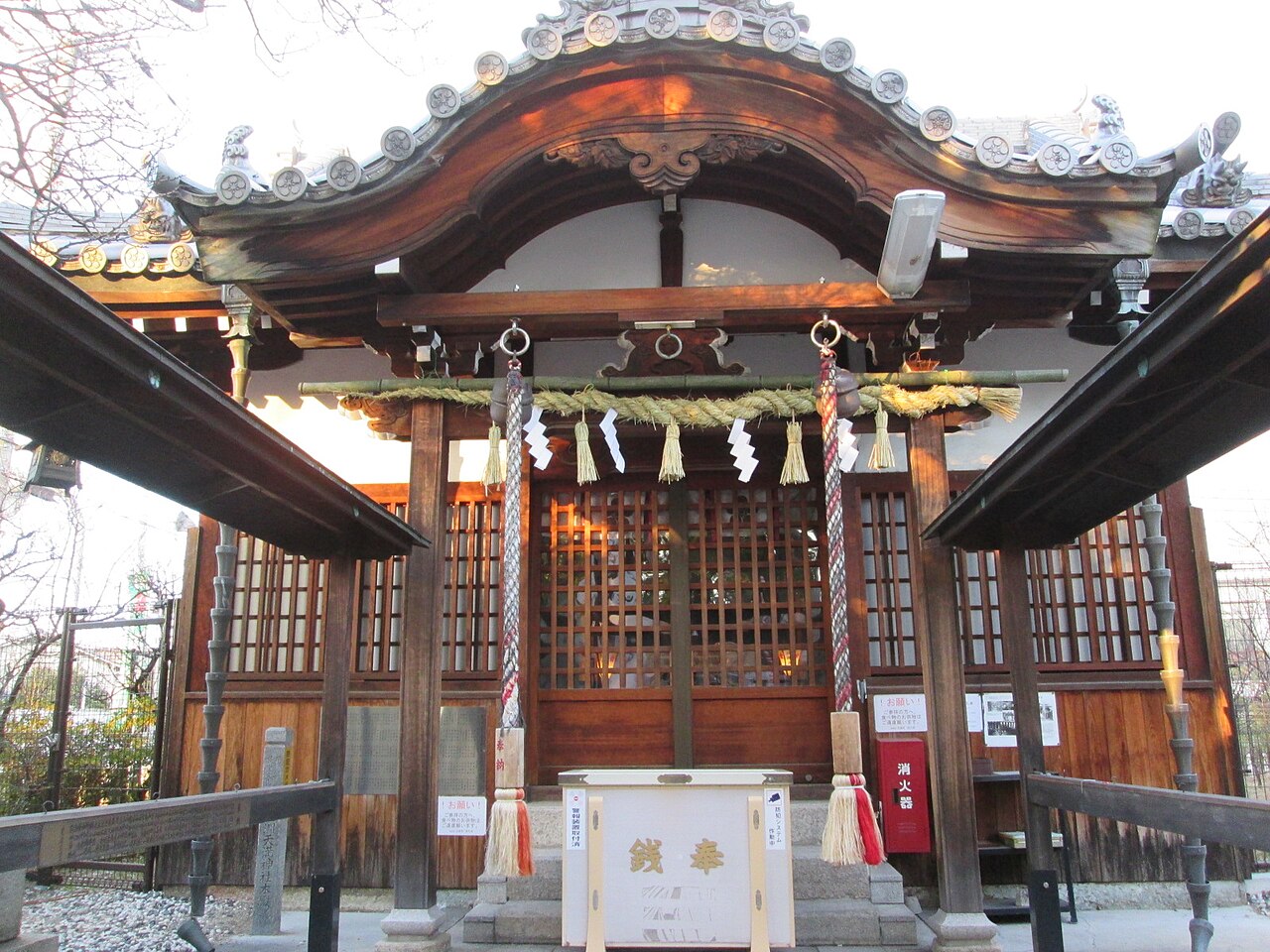
8 min walk
Nagasu Tenmangu
- Notable
- Place of worship
Language · 11 published
Nature site · Osaka
大物公園
Reviewed by Elena Voss · Roavina Travel Editor
This place is a Park.
Omono Park, written 大物公園 in Japanese, is a public green space in Osaka. It offers a simple outdoor pause within the city, giving residents and visitors room to walk, rest, and experience a neighborhood park atmosphere. The park is suited to travelers who enjoy local open space and want a break from dense streets, shopping arcades, and indoor attractions. Its appeal is not built around a famous monument or a long sequence of exhibits. Instead, the experience comes from greenery, paths, open air, and the changing relationship between the park and the surrounding urban area. Include it in a day when you want a modest outdoor stop or a slower transition between other Osaka activities. A park visit can also make a city itinerary more comfortable for families or travelers who need time away from crowded interiors. Keep expectations focused on a neighborhood green space and let the weather, light, and seasonal vegetation shape the experience. Move respectfully around other users and leave the park as you found it.
Checked 2026-08-26 · Source
Omono Park is best explored as an outdoor environment rather than as a building with a fixed visitor route. Walk its paths, look across the green areas, and notice how the park provides a change of texture within Osaka’s urban landscape. The mapped park boundary identifies the public green space, while the visitor experience depends on what is present and active during your visit. Use the grounds for a quiet walk, a short rest, or casual observation of local recreation. Seating, play features, monuments, or other details may be encountered, but the guide does not assign a specific facility list to the park. Do not build the visit around one expected object. Instead, allow a little time to explore the visible paths and open areas after arrival. The park can be valuable precisely because it is less formal than a major city garden. It gives travelers a chance to notice ordinary Osaka residents using public space and to reset before continuing. Keep plants, structures, and shared areas in good condition, and give other visitors enough room for their activities.
Checked 2026-08-26 · Source
Allow fifteen to thirty minutes for a casual walk through the green space and a short rest. Stay longer if you want to sit, enjoy the outdoor atmosphere, or explore the paths at an unhurried pace. Omono Park is a modest stop rather than a destination that requires a half-day schedule, so it fits easily between larger Osaka attractions. The most comfortable duration depends on the weather, your energy, and whether the park is being used for local recreation. Travelers with children may need more time for movement and play, while photographers may wait for softer light or seasonal color. A short visit can still be worthwhile when the main goal is to add open air to a city day. Avoid rushing across the grounds solely to record an arrival. Pause long enough to understand the park’s scale and its relationship to nearby streets. If conditions become hot or wet, shorten the visit and continue to an indoor stop. Leave paths open and take personal belongings with you when you go.
Checked 2026-08-26 · Source
Daylight is the most useful time for walking, seeing the greenery, and choosing a comfortable place to pause. Early morning and late afternoon usually provide gentler light and a calmer outdoor mood than the hottest part of the day. Osaka summers are hot and humid, so carry water and reduce the walking distance if the weather feels heavy. Spring brings fresh growth, while autumn can add seasonal color to urban walks; the park’s atmosphere changes with the vegetation and weather. Winter visitors should bring a warm layer and choose a dry period for the most pleasant experience. Because Omono Park is public open space, the visit works best when treated as a flexible outdoor break rather than a timed performance. Rain can change the condition of paths and seating, so comfortable footwear matters. The park may be lively when local residents are using it and quiet at other times. Give priority to ordinary users, keep noise low, and leave enough room for people enjoying the green space in their own way.
Checked 2026-08-26 · Source
A walk through Omono Park’s public green space does not require a sightseeing admission ticket. Visitors can include it in an Osaka itinerary without budgeting for a museum-style entrance charge. Personal spending may arise from transport, food, drinks, or other activities elsewhere in the day, but the park itself is a simple public outdoor stop. Bring only what you need and keep valuables close while moving through the city. Use public paths as intended, respect any visible park rules, and do not attach commercial expectations to the grounds. A free visit still carries responsibilities: protect plantings, dispose of waste properly, and leave shared spaces available to residents. The park is useful when you want to balance a busy itinerary with a low-cost pause outdoors. Families can use the space for a brief change of pace, while solo travelers may appreciate a place to sit and watch neighborhood activity. Keep the stop flexible because its value comes from open space and atmosphere rather than a scheduled program or paid attraction sequence.
Checked 2026-08-26 · Source
Omono Park is in Osaka and can be reached as part of the city’s rail, bus, walking, or taxi network. Use the OpenStreetMap location for the final route and combine it with current navigation from your departure point. The park is best approached as a neighborhood destination, so the final walk may pass through ordinary streets rather than a dedicated tourist zone. Allow time to identify the correct entrance and to adapt if a path is busy or weather conditions change. Public transport is practical for linking the park with other parts of Osaka, while a taxi can simplify the journey for groups, luggage, or a short outdoor break between appointments. If you are navigating in Japanese, the name 大物公園 is useful when showing the destination. Keep to public paths and avoid crossing private property at the edges. Once inside, walk slowly enough to understand the park’s layout before settling on a rest point. The surrounding street network can form part of a wider walk, but leave a comfortable margin for your next connection.
Checked 2026-08-26 · Source
Treat Omono Park as shared public space. Keep paths clear, dispose of waste correctly, and give other visitors room for walking, sitting, or recreation. Outdoor surfaces may be uneven or slippery after rain, so wear shoes suited to walking and watch children near changes in level. Weather is the main practical factor: summer heat and humidity can make a short visit demanding, while rain reduces comfort and may affect paths. If you visit after dark, use ordinary city awareness and stay on routes that feel comfortable; lighting can vary across an open neighborhood park. Do not damage plants, climb structures, disturb wildlife, or leave food waste behind. Bicycles may be present on surrounding streets or shared paths, so look carefully before crossing. Families should keep children within sight, and groups should avoid loud activities near people resting. The park’s quiet character is part of its value. A considerate visitor leaves the grounds clean, preserves the calm atmosphere, and adjusts the visit to conditions on arrival.
Checked 2026-08-26 · Source
Omono Park gives photographers a chance to capture everyday urban greenery rather than a famous architectural landmark. Look for paths, tree canopies, open lawns, seasonal plants, shadows, and the way Osaka’s buildings frame the park. Early morning and late afternoon provide softer light and longer textures, while overcast conditions can suit quiet green-space images. Photograph shared areas without intruding on people who are resting, exercising, or spending time with children. Avoid close portraits without consent and keep the camera away from private homes at the park edge. A small camera or phone is easiest to use without obstructing paths. Tripods should not interfere with pedestrian movement, seating, or recreation. Commercial photography and drone activity require attention to local rules and permissions, so keep a casual visit simple. The strongest images may be understated: leaves against concrete, a path opening toward the street, or a quiet corner used by residents. Let the park remain a public place first and a photographic subject second.
Checked 2026-08-26 · Source
Omono Park, or 大物公園, is a public urban green space in Osaka suited to walking, resting, and enjoying a quieter outdoor setting.
Allow fifteen to thirty minutes for a short walk and pause, with extra time if you want to explore the paths or enjoy the park at a slower pace.
Daylight is most useful for walking and seeing the greenery. Early morning and late afternoon offer gentler light and more comfortable temperatures.
Walk the paths, enjoy the open air, observe seasonal greenery, take a short rest, and use the park as a calm break within an Osaka day.
Keep children within sight, respect other park users, protect plants and shared facilities, and bring water during Osaka’s hot and humid summer weather.
Paths, trees, seasonal plants, open green areas, shadows, and the contrast between urban buildings and public greenery make good photographic subjects.
Loading the interactive map…
The interactive map could not be loaded.
Last updated:
Source: OpenStreetMap contributors, Wikidata ·