


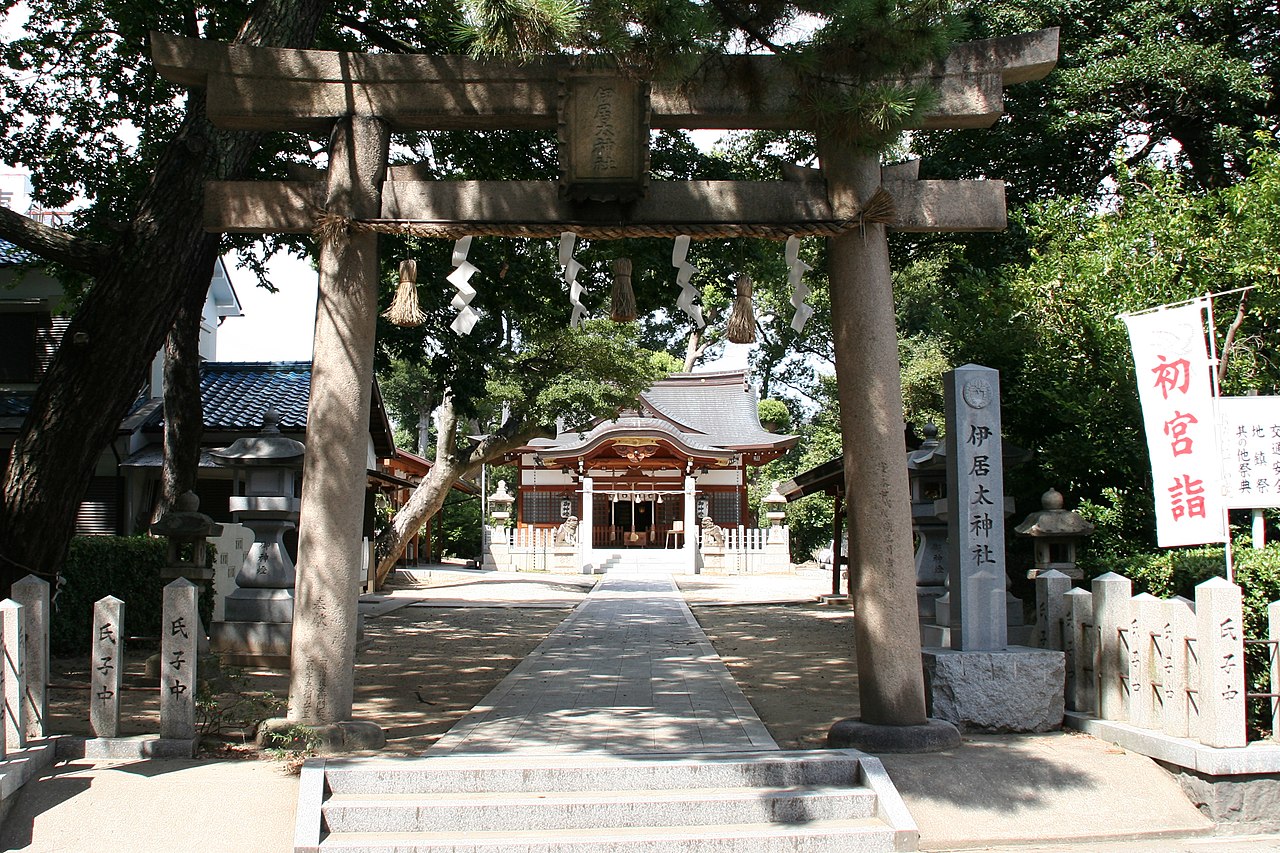
3 min walk
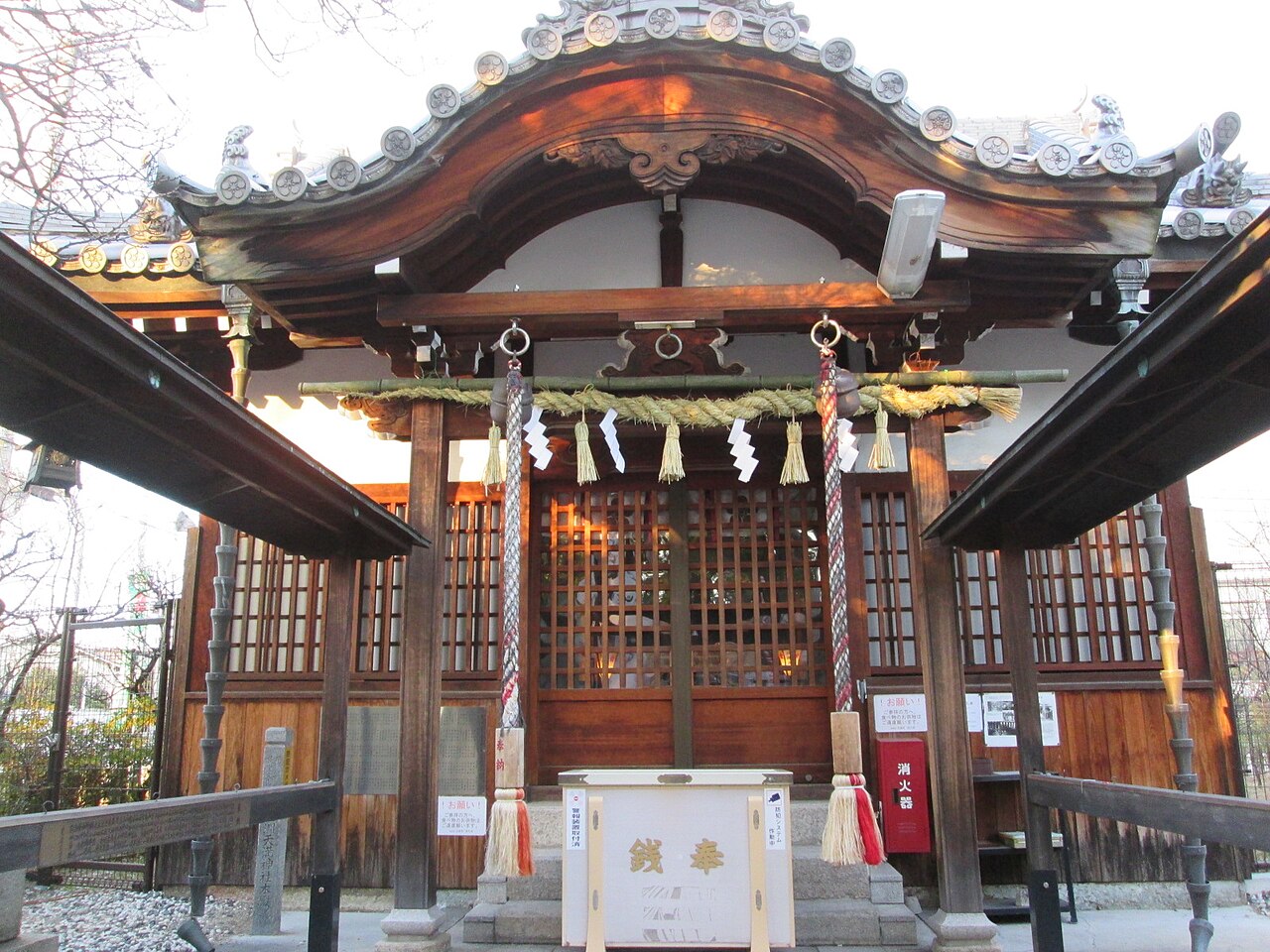
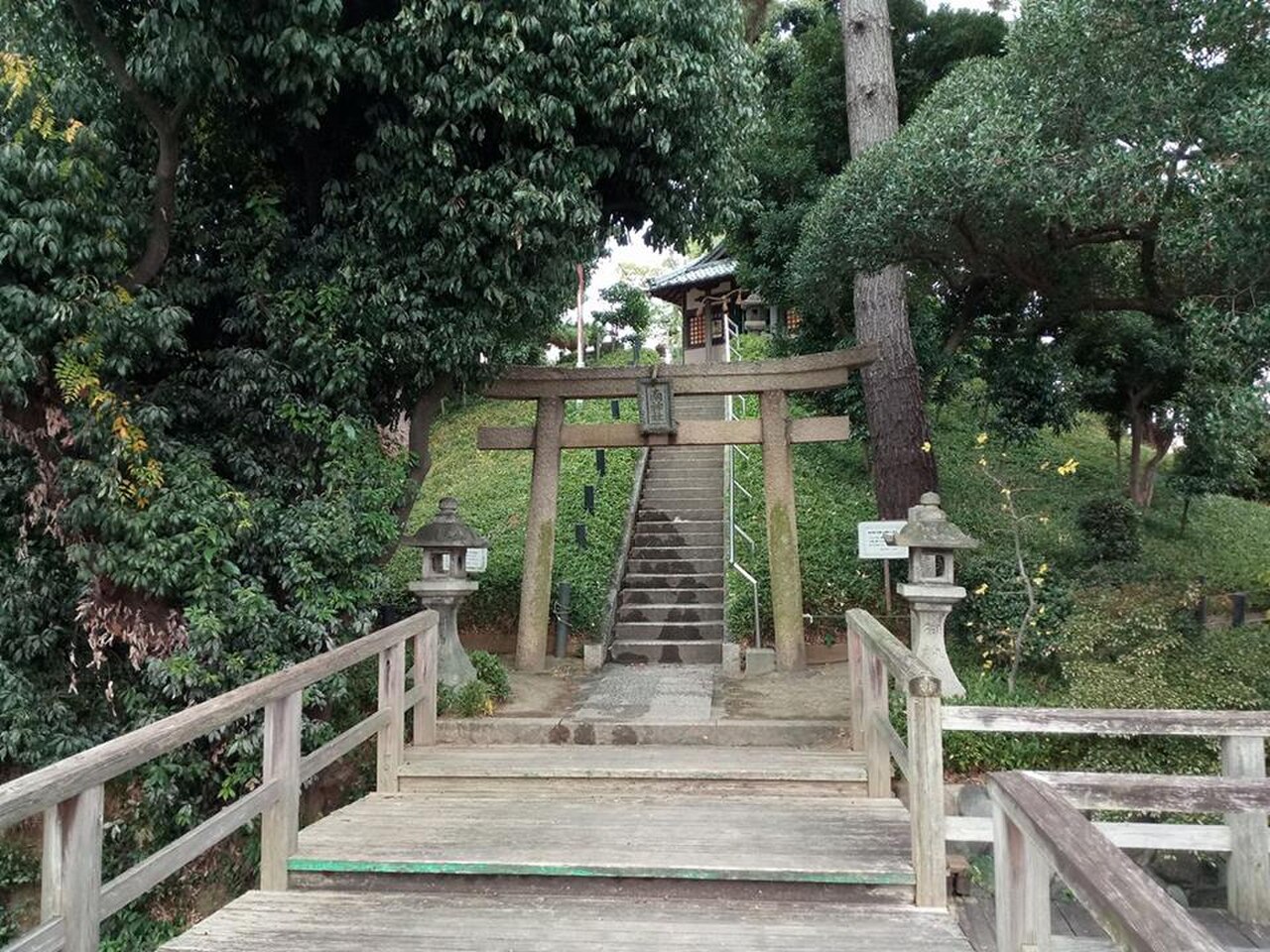
Ikota Shrine
- Must see
- Place of worship
Place of worship · Osaka
廣済寺
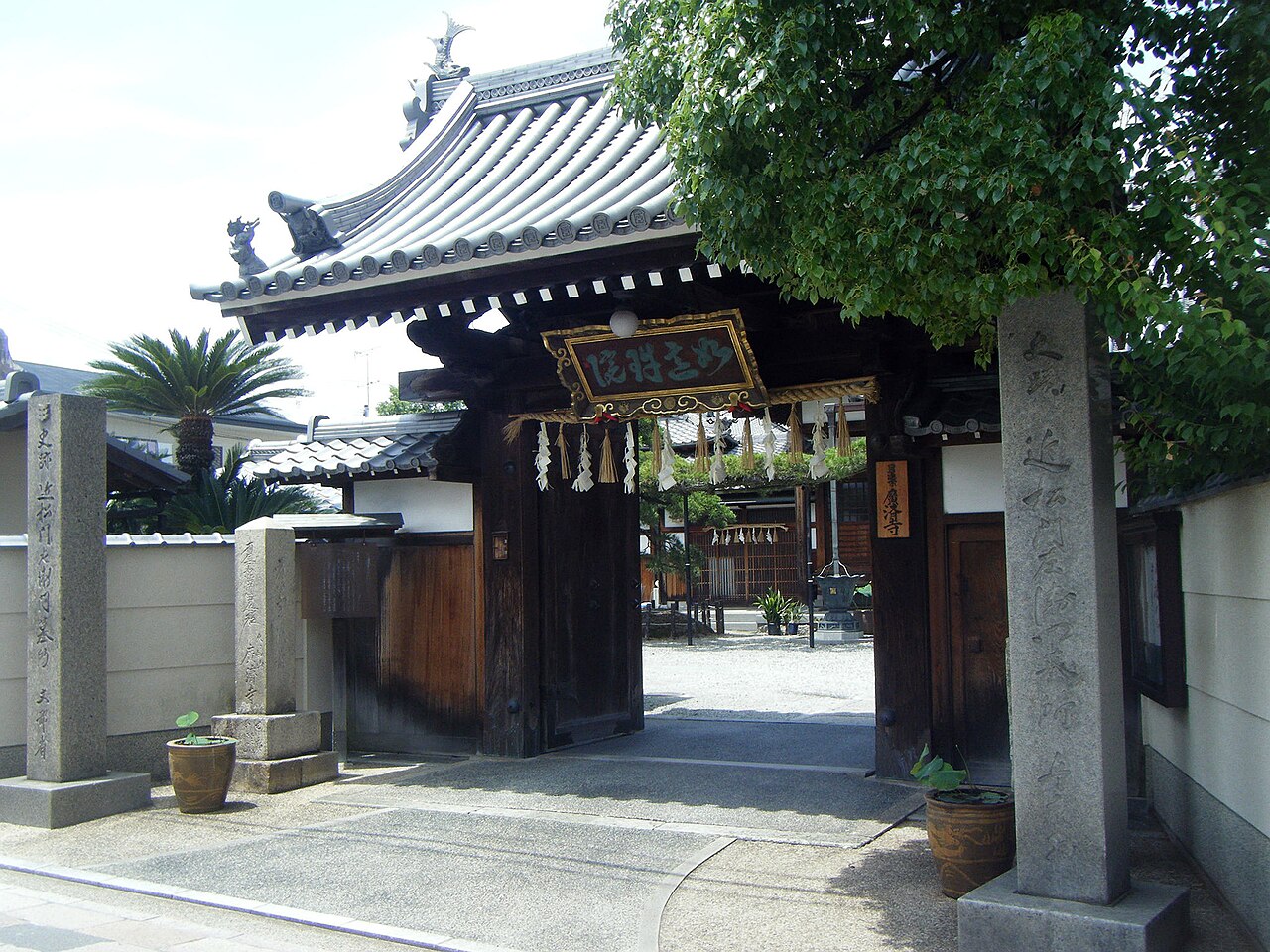
Ama Kosaiji Temple Sanmon, associated with 廣済寺, is a sanmon, or mountain gate, in Osaka’s Buddhist architectural landscape. The gate is encountered as a threshold: it marks the passage toward temple grounds and frames the transition from an ordinary street into a religious setting. Travelers interested in Japanese temples can appreciate the structure as an entrance element, while remembering that its value comes from context, proportion, and respectful observation rather than from a large visitor program. Ama Kosaiji Temple Sanmon, known locally as 廣済寺, is a temple gate structure in Osaka. The sanmon designation indicates it serves as a mountain gate, traditionally marking entrance to temple grounds in Japanese Buddhist architecture. This specific structure is identified in OpenStreetMap data under way/574694818. The temple belongs to Osaka's religious heritage landscape. Visitors encounter it as part of the city's network of Buddhist sites.
Checked 2026-08-26 · Source
The sanmon itself is the main feature to examine. Look at the relationship between the passage, roof, timber framing, and the path leading toward the temple grounds. A mountain gate may include an upper level or religious imagery in some temples, but travelers should treat access and details at this particular structure according to signs and the situation on arrival. The surrounding precinct may continue beyond the gate, though the gate remains the clearest focus of this stop. The sanmon gate itself constitutes the primary architectural feature. The structure represents a standard element of Japanese temple layout. Visitors should expect the gate to function as an entrance element rather than an extensive complex.
Checked 2026-08-26 · Source
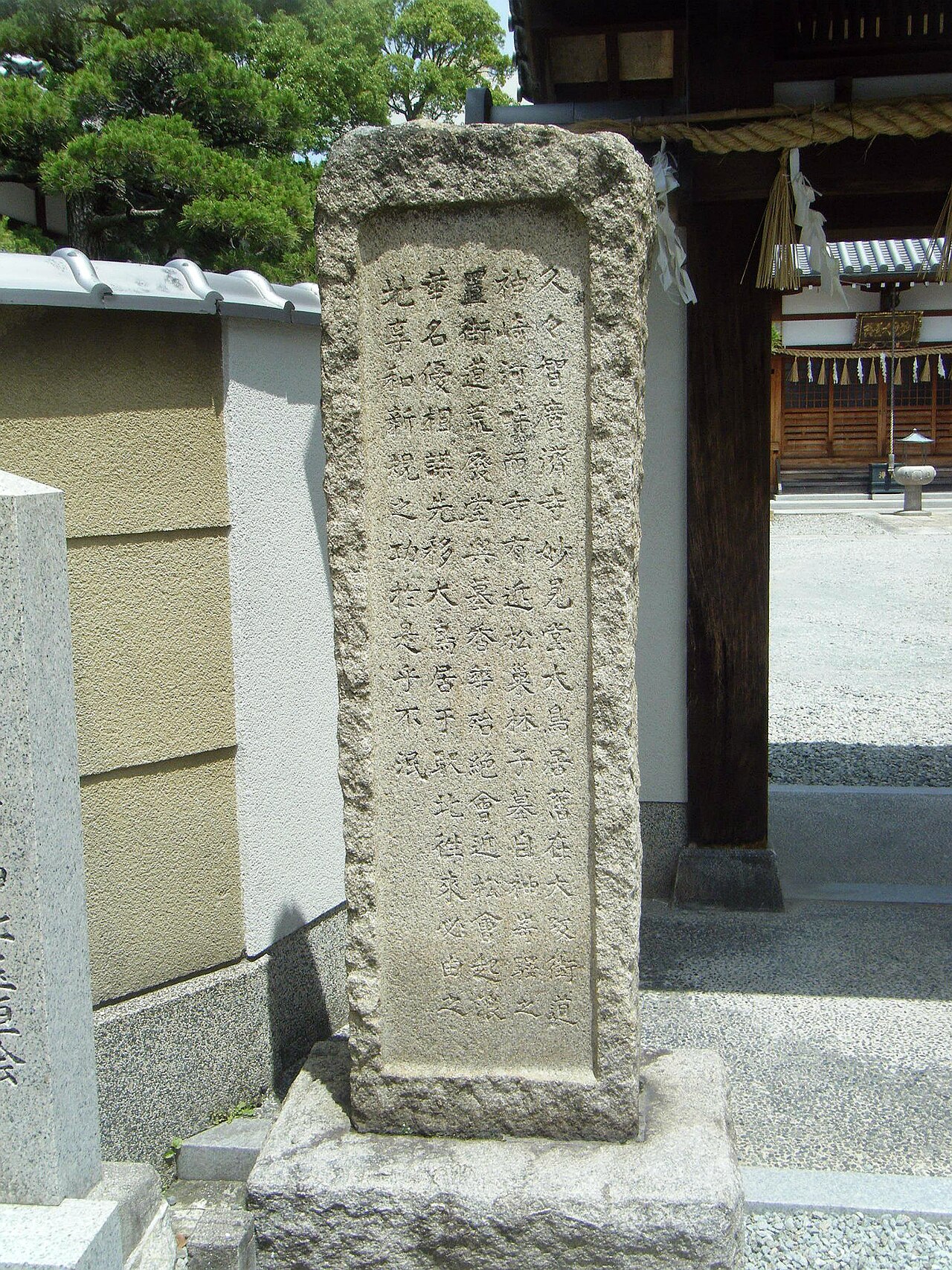
The gate works well as a brief architectural stop within a temple or neighborhood walk. Give yourself enough time to study the roofline, supports, passage, and approach from more than one respectful angle. Travelers continuing into areas open to them can extend the visit through quiet observation or prayer. The structure does not need a long itinerary block by itself; its strongest effect comes from slowing down for a few minutes at the threshold. Visitor duration depends on individual interest in architectural observation and temple atmosphere. A typical sanmon gate examination requires brief time, perhaps fifteen to thirty minutes for careful observation of structural details, photographs, and passage through.
Checked 2026-08-26 · Source
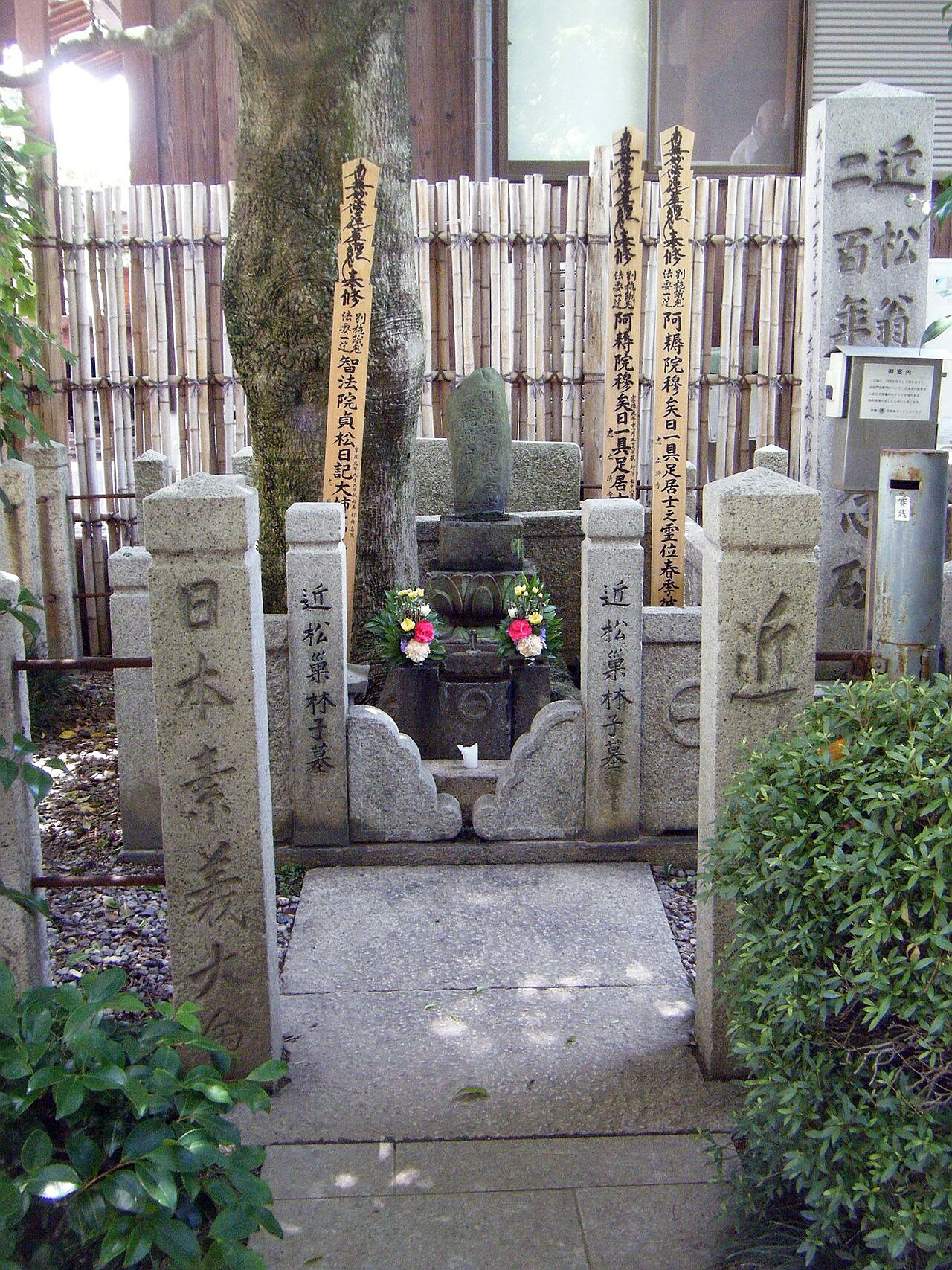
Daylight is helpful for reading the gate’s timber form and roof silhouette. Morning or late afternoon can give the structure softer light, while a dry day makes it easier to pause around the approach. Osaka summers are hot and humid, so keep an outdoor stop comfortable and brief; wet weather calls for careful footing on older surfaces. Religious activity takes priority, and visitors should allow worshippers to pass without interruption.
Checked 2026-08-26 · Source
A sanmon is an entrance structure, not a separate museum exhibition. Treat the gate as part of the temple setting and follow any payment or access arrangement displayed for the wider grounds. Do not create a separate ticket expectation for simply viewing the architecture from a public approach. If a donation box or religious offering point is present, use it respectfully and never handle temple objects as souvenirs or props.
Checked 2026-08-26 · Source
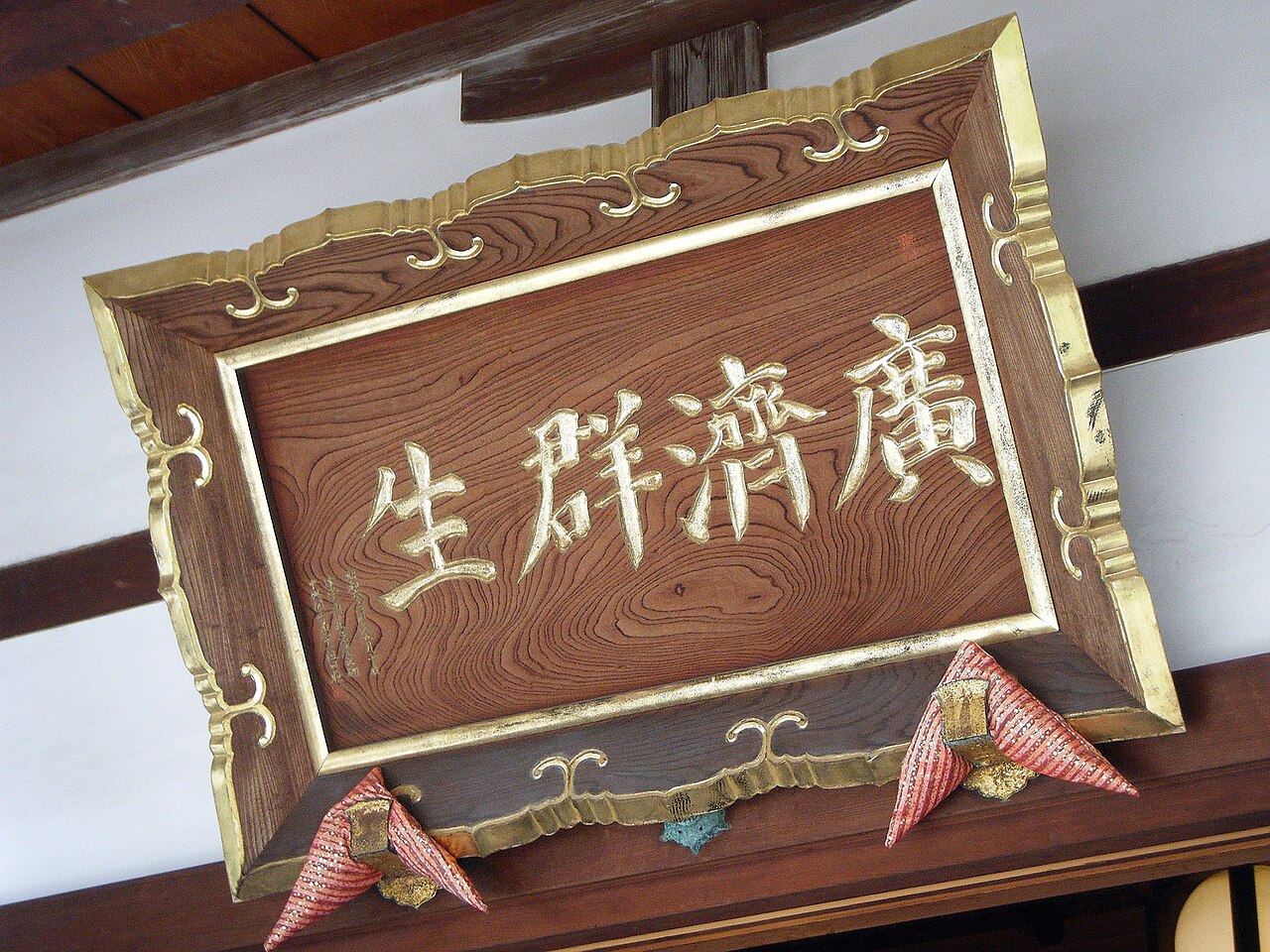
Plan the route with Ama Kosaiji Temple Sanmon and the Japanese temple name 廣済寺, using the mapped location for the final approach. Osaka’s rail, subway, bus, and taxi network can bring travelers into the surrounding district, after which the gate is reached on foot. The stop is most natural within a neighborhood temple walk. Keep the approach slow and attentive, since the gate’s meaning depends on the transition into the temple environment.
Checked 2026-08-26 · Source
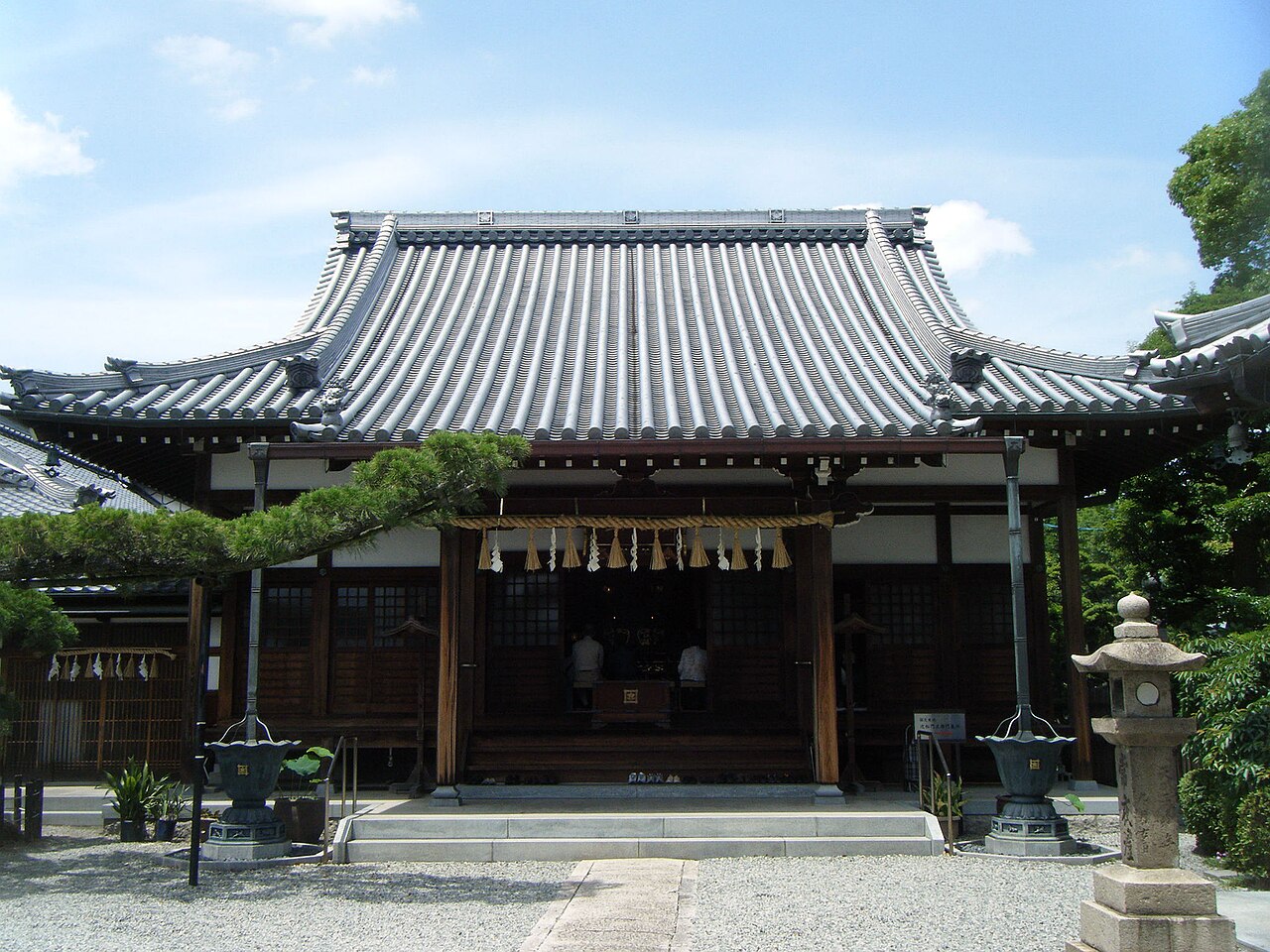
Treat the sanmon as part of a functioning Buddhist temple. Keep voices low, avoid blocking the passage, and give worshippers and temple workers priority. Wet timber or stone can be slippery, while stairs or raised areas may be narrow; use care and do not climb where access is not clearly provided. Remove shoes only where the temple explicitly requires it. Respect barriers, religious objects, and any areas set apart from ordinary visitor movement.
Checked 2026-08-26 · Source
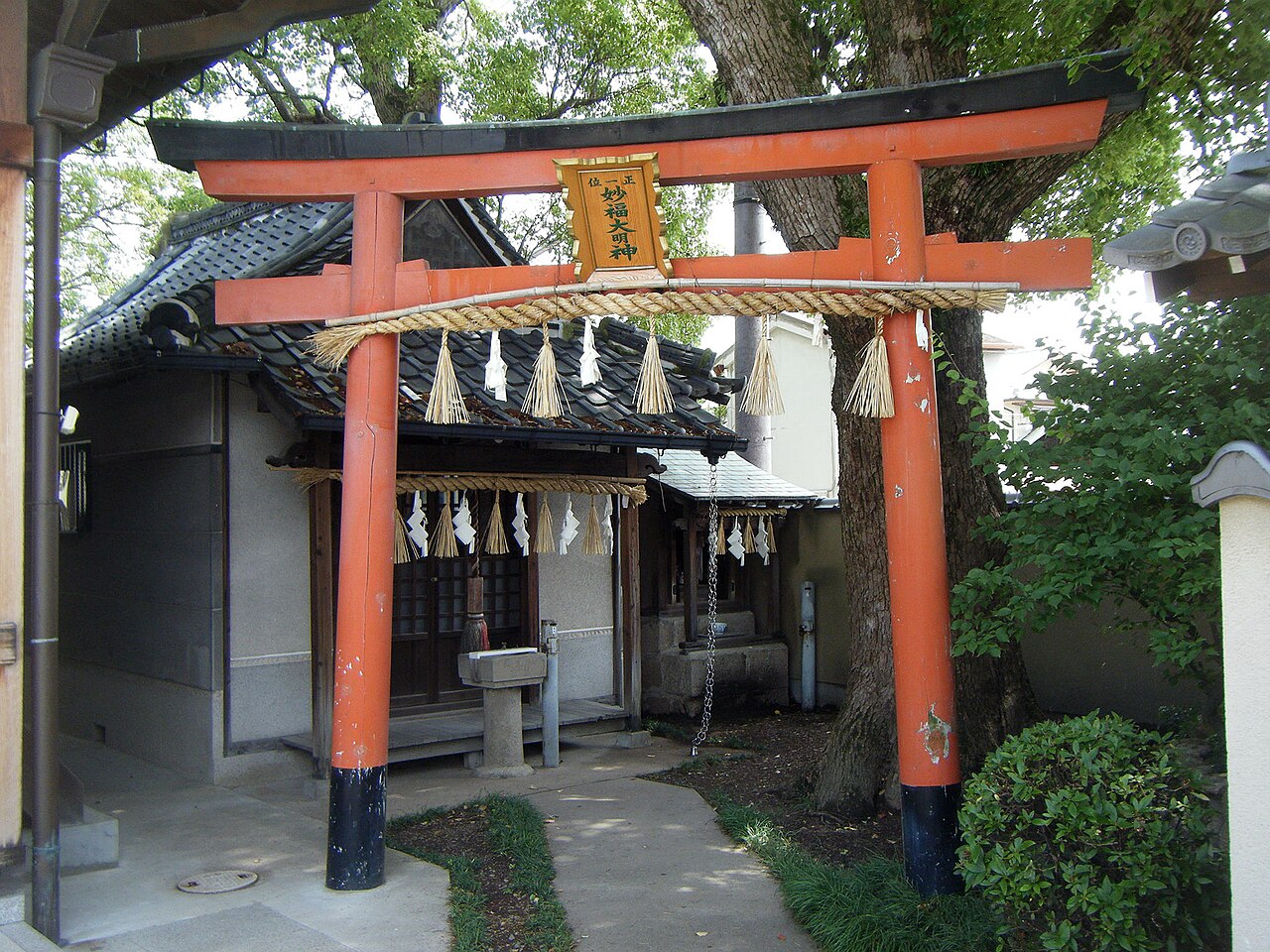
The gate’s roofline, timber structure, passage, and connection to the temple path are natural photographic subjects. Photograph from a position that leaves the route open, and keep worshippers out of close frames. Avoid flash where religious activity or interior space is involved. Tripods, commercial shoots, and any upper-level photography should follow local signs and staff direction. The most respectful image shows architectural character without turning people’s religious practice into background scenery.
Checked 2026-08-26 · Source
Sanmon means a mountain gate, a traditional Buddhist temple entrance marking the passage from the surrounding street toward temple grounds.
Focus on the gate’s passage, roofline, timber framing, supports, and relationship with the path leading into the temple setting.
It works as a brief architectural stop, with additional time appropriate if areas beyond the gate are open for quiet observation or prayer.
Yes. The sanmon is an entrance structure associated with 廣済寺 and should be treated as part of a Buddhist temple environment.
Keep quiet, leave the passage clear, respect worshippers and barriers, take care on wet or narrow surfaces, and follow temple directions.
Photograph the gate’s architecture from a considerate position, keeping worshippers out of close frames and avoiding flash around religious activity.
Loading the interactive map…
The interactive map could not be loaded.
Last updated:
Source: OpenStreetMap contributors, Wikidata ·